Online classes to continue; students to gradually return to school in batches
Education Ministry director general lays out plan amid talk of exit strategies; classes to take place also in libraries, grounds, to let students keep distance
The Education Ministry is planning to continue online studies as Israel tries to implement an exit strategy amid the coronavirus pandemic, but will supplement it with a gradual and staggered return to schools, a top official said Monday.
According to the new plan, schoolkids will be divided into small, permanent groups to avoid wide-scale infection between students, according to Education Ministry Director General Shmuel Abuav.
Online learning will be greatly expanded after the Passover holiday, with the option of a full day of online studies being weighed.
“The alternatives are based on a guiding principle according to which online studying will be with us for a long time and will supplement physical learning,” Abuav wrote in a letter to senior ministry officials, according to Channel 13.
When returning to school in the small groups at an unspecified time, the students will have to spread out more than normal, meaning that spaces such as libraries, sports halls and school grounds will double as classrooms.
Studies will begin with morning classes, followed by various multi-disciplinary classes and another gathering to end the school day.
“The strength of the Israeli education system is in its ability to react quickly and efficiently and make it through sharp switches between regular times and emergencies,” Abuav wrote.
“This is a challenging and complicated time, we are under emergency restrictions, but if we act correctly, systematically and in an organized way, we will go through it successfully.”
The National Security Council (NSC), the central government body coordinating the response to the virus crisis, has reportedly completed its recommendations for how to return Israel to a form of normalcy, and will present them to the government for authorization this week.
According to a report in the Haaretz daily Monday, the NSC will recommend easing lockdown measures in four stages over two months, allowing for two weeks between each stage to assess whether the virus is seeing a resurgence or not.
Regarding the education system, the first stage of the reported plan would see some limited educational frameworks allowed to restart, such as special education and preschool networks. Small class groups for students facing matriculation exams are also being considered, the report said.
In stage two, which would take place two weeks later, the NSC will reportedly recommend returning students in grades 1-4 back to elementary schools, potentially allowing all parents to return to their places of work without having to stay home to look after young children.
In stage three, the remaining school students would be allowed to return, although there will still be limitations on large gatherings.
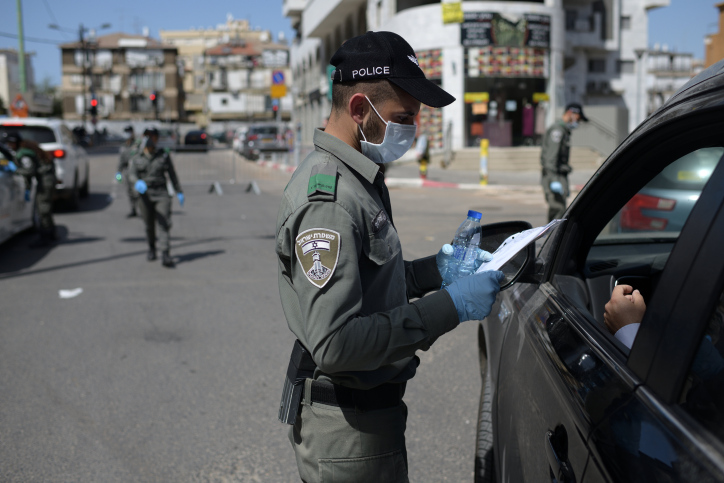
To prevent the virus spreading, Israelis have been ordered to stay at home, only venturing out for basic needs or to attend work that is considered essential. The past week saw a nearly four-day lockdown on all Israeli communities due to Passover, in which the populace was confined to their hometowns between Tuesday evening and Friday morning.
Health officials had reportedly pushed for the nationwide lockdown to be extended until the end of Passover on April 15, which was reportedly set to be considered by ministers on Monday.
The Health Ministry on Monday morning updated Israel’s number of confirmed coronavirus cases to 11,235, including 181 in serious condition and 133 people on ventilators. Another 168 people were in moderate condition, the ministry said, adding that the rest were displaying mild symptoms and 1,689 had recovered.
The death toll stood at 112.