Outraged employees disrupt Knesset hearing on public broadcaster
Two IBA workers who voiced outcry over imminent layoffs are thrown out of discussion on delayed launch of new corporation
A Knesset hearing to discuss the deferred launch of Israel’s new public broadcasting corporation on Sunday descended into bedlam after disgruntled employees of the Israel Broadcasting Authority disrupted the proceedings with outraged cries.
Lawmakers discussed a possible alternative date for the establishment of the new public broadcaster after Prime Minister Benjamin Netanyahu deferred the reform until January 2018. The public broadcasting law required that of the 1,600 IBA employees, 51% would be made up of current IBA employees, and that the remainder would be laid off.
Two IBA employees were dismissed from the meeting by committee chair MK Eitan Cabel for interrupting the proceedings, objecting to the imminent layoffs. One employee, Rafi Issachar, shouted at the MKs discussing the move: “You’re all corrupt. You want to take my home from me? To destroy my home?”
“Thirty years I’m at the IBA, I’m the sole earner. Why are you throwing me out? I’m the sole earner,” he shouted as he struggled with Knesset ushers who attempted to remove him from the room.
Deferring the establishment of the body by 15 months, from this September until the beginning of 2018, would cost the state NIS 550 million ($143 million), Finance Ministry official Amir Levi told the committee. Likud MK David Bitan rebuffed that figure, saying it would only cost NIS 50 million ($13 million).
Earlier on Sunday Netanyahu rebuffed criticism of his decision, claiming the move was an effort to increase competition and reform the media industry.
Netanyahu, who is also the acting communications minister, was accused last week by members of both the coalition and the opposition of attempting to stifle press freedoms after he announced that the closing of the Israel Broadcasting Authority and its replacement with a new Broadcasting Corporation — slated for September — would be postponed until early 2018.
“I will not be bought or deterred, not with criticism, nor with vilification or positive media coverage,” he said. “The more opposition I face opening up this market to increased competition, the more I realize that I am doing the right thing,” Netanyahu said at the start of the weekly cabinet meeting.
“Just like there used to be only two cellphone companies, two bus companies and two airlines, and now there are more because we opened up the market to increased competition — that is how it will be in the media and broadcasting market,” he said.
Denying allegations that he had assumed the position of communications minister in order to stifle media criticism, he asserted, “The reason I maintain the communications portfolio is in order to open the industry up to competition, just as I have in many other industries in Israel.”
Netanyahu also told ministers the delay was necessary because the new corporation was not yet ready to begin broadcasting.
“An extension is needed so the new corporation has time to organize itself, and it will go on air when it’s ready,” he said.
But Army Radio reported Sunday that Netanyahu and Finance Minister Moshe Kahlon agreed to a compromise on a shorter, six-month delay in opening the new broadcast body, with the exact date to be determined by the Treasury’s budgets director, the director of the Communications Ministry and the director of the new Broadcasting Corporation.
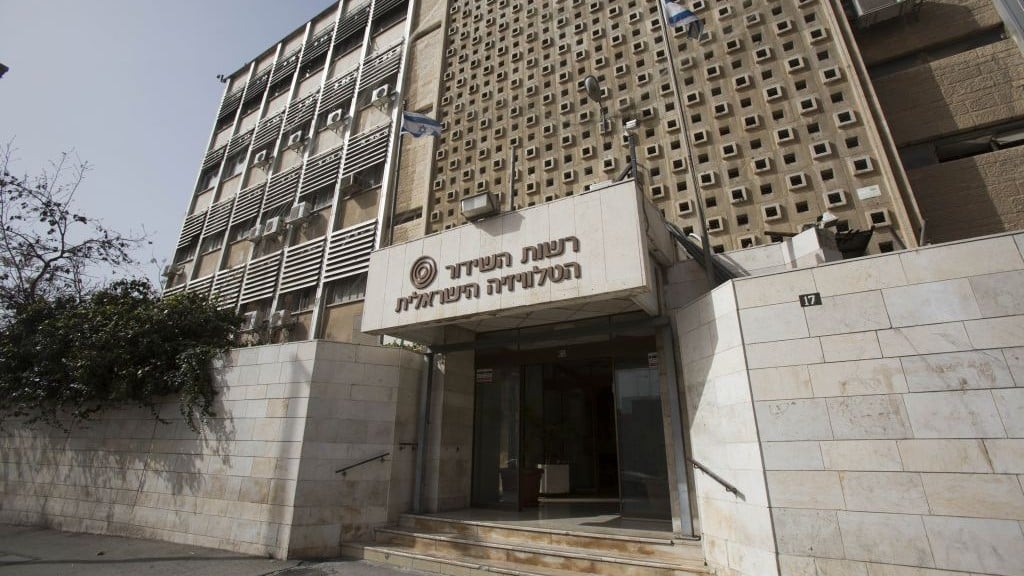
The decision to postpone the broadcasting reform was announced last Monday after Netanyahu and Histadrut labor federation chief Avi Nissenkorn struck a deal to delay the launch of the new corporation.
According to government sources quoted in the Haaretz daily last week, the deferral will cost the state NIS 400 million ($100 million).
Following the announcement, members of both Netanyahu’s Knesset coalition and the opposition claimed he sought the delay fearing the independence the new public broadcasting authority would wield.
Kahlon, who said that he first heard about the deferral from the media, last week called for the original date for the transition to the new Broadcasting Corporation to be honored.
Kahlon was quoted in the Hebrew daily Yedioth Ahronoth on Wednesday as saying that his ministry was working to secure the funding for the new broadcaster and that he would not allocate the funding for the IBA that a postponement would require.
Last week, Education Minister Naftali Bennett slammed Netanyahu, charging that “a series of laws to limit the media raises deep concerns about the future of free expression. A free press is the basis for democracy.”
Gilad Erdan, the former communications minister who sponsored the original bill to abolish the IBA, along with senior opposition lawmaker MK Tzipi Livni (Zionist Union), also charged that Netanyahu had made the decision out of political motives.