Palestinians call ‘urgent’ meet to respond to settlement spurt
Abbas spokesman says talks underway on 'necessary measures' after another 3,000 West Bank homes approved, demands US 'rein in' Israel
Palestinian Authority officials are holding an urgent meeting to discuss how to respond to a recent uptick in Israeli settlement building, a spokesperson for the PA said Wednesday.
On Tuesday, Israel announced it was approving permits for some 3,000 new homes in settlements sprinkled throughout the West Bank. The move came a week after the approval of some 2,500 homes in the territory and another 500 in East Jerusalem, with Prime Minister Benjamin Netanyahu calling it “just a taste of what’s to come.”
“We have started urgent consultations in order to take the necessary measures to confront the settlement activities,” Nabil Abu Rudeineh, spokesman for PA President Mahmoud Abbas, said according to official Palestinian news outlet Wafa.
Abu Rudeineh did not elaborate on what steps were being considered or who was taking part in the meeting. Abbas is currently in Bangladesh on an official visit.
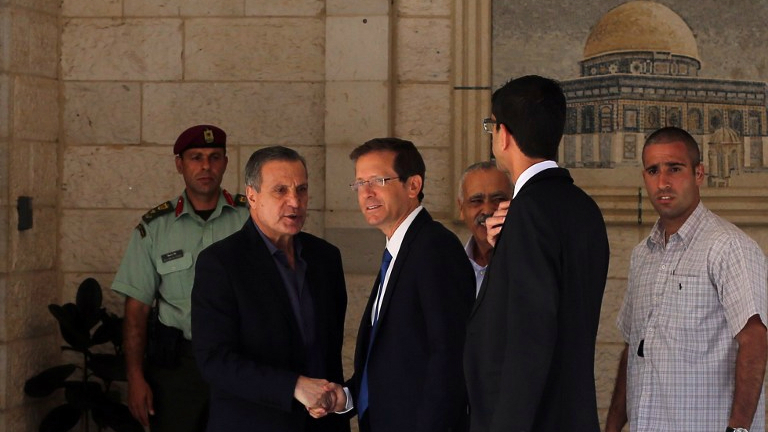
Abu Rudeineh also called on the US government to take action to “rein in” Israel, saying its actions were “going to destroy the peace process.”
The administration of US President Donald Trump kept silent on last week’s settlement building announcement, underlining a marked shift in how the White House treats Israel.
Hanan Ashrawi, a senior official in the Palestine Liberation Organization, said Wednesday that Israel’s building plans signaled the death knell for the two-state solution, blaming the Trump administration for being complicit.
“The silence of the new American government, including those who actively support the settlements in the White House and the administration as a whole, has emboldened Netanyahu to persist with his settlement activities,” she said, according to Wafa.
The announcement for the 3,000 homes, hundreds of which fall outside the main blocs that Israel hopes to keep in any two-state compromise, came as Israeli forces prepared to remove dozens of settlers from the Amona outpost, deemed illegally built on private Palestinian land and ordered by the High Court to be razed.
Many saw the new building as an attempt by the government to calm settler anger over the court-ordered removal of Amona.

In a statement late Tuesday night, the Defense Ministry said the new construction “comes as part of a return to normal life in Judea and Samaria, as well as conduct which provides real solutions to housing and living needs.”
The new homes will include 700 homes in Alfei Menashe, 650 in Beitar Illit, 650 in Beit Arye, 200 in Nofim, 150 in Nokdim, 100 in Shilo, 100 in Karnei Shomron and 100 in Metsudot Yehuda.
Last week’s announcement of 2,500 homes came just days after Trump and Netanyahu had their first phone call since the president assumed power.
Asked at a press briefing last Tuesday for a response to the building plans, White House press secretary Sean Spicer neither approved nor condemned the decision, saying that the two countries’ leaders would discuss the matter when Netanyahu visits Washington in mid-February.
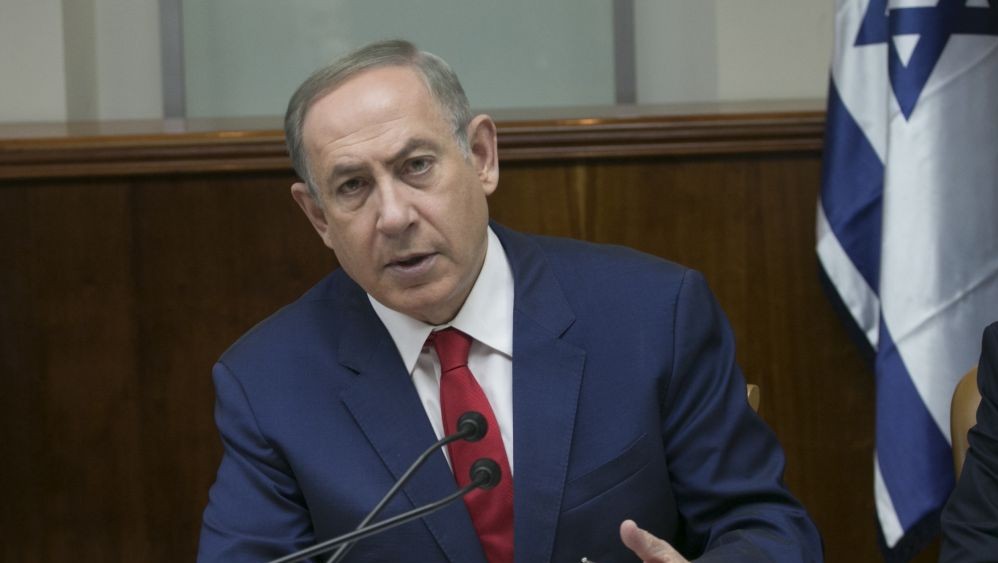
Netanyahu has signaled to his governing coalition that he intends to accelerate construction with the new US president far less hostile to the settlement enterprise than his predecessor. The latest building announcements were just “a taste,” he told Knesset members last week. “We are going to be doing many things differently from now on.”
Chief Palestinian negotiator Saeb Erekat on Thursday accused the Trump administration of encouraging Israeli settlement construction, and hurting the chances of a two-state outcome, with its lack of response to new building projects beyond the Green Line.
“We’re waiting to hear an official response from the American administration, President Trump’s administration, on the Israeli settlement activities,” Erekat said in a video posted on Twitter by the PLO.