‘Path is clear, won’t be easy’: Iran, EU report progress in Vienna nuclear talks
Chinese envoy says sides agreed to 'pick up their pace' in talks to save 2015 deal, and 'work on sanctions-lifting as well as other relevant issues'
VIENNA, Austria — Talks on Iran’s nuclear program aimed at salvaging a 2015 deal made “progress” Saturday, a day after Tehran said it had started producing uranium at 60 percent purity.
Iran had warned it would sharply ramp up its enrichment of uranium earlier this week, after an attack on its Natanz nuclear facility that it blamed on arch-foe Israel.
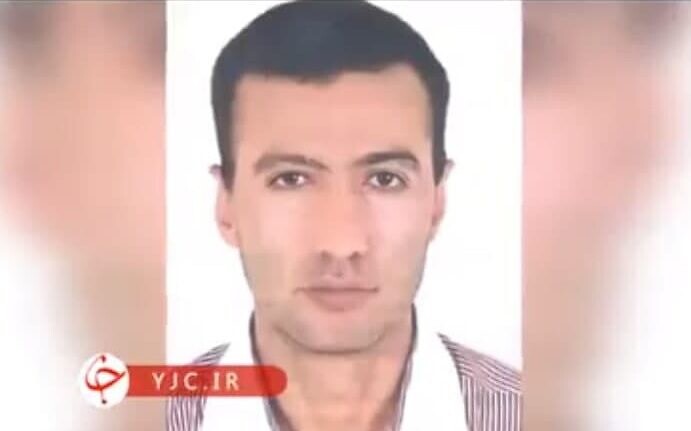
Earlier Saturday, Iranian state television named a suspect – 43-year-old Reza Karimi – in the attack that damaged centrifuges at Natanz and said he fled the country.
While the extent of the damage from the April 11 sabotage remains unclear, it comes as Iran tries to negotiate with world powers in Vienna over allowing the US under the Biden administration to re-enter its tattered nuclear deal with world powers and lift the economic sanctions it faces.
The 2015 accord, which former President Donald Trump unilaterally withdrew the US from in 2018, prevented Iran from stockpiling enough high-enriched uranium to be able to pursue a nuclear weapon if it chose in exchange for the lifting of economic sanctions.
But Iran has steadily violated restrictions in the deal, like the amount of enriched uranium that it can stockpile and the purity to which it can be enriched. Tehran’s moves have been calculated to pressure the other participants to do more to offset crippling US sanctions. President Joe Biden has said he wants to bring the US back into the deal but that Iran must reverse its violations.
Enrichment to 60% marks a significant escalation and is a short technical step away from weapons-grade uranium. Iran had been enriching up to 20%, and even that was a short step from weapons-grade levels of 90%. But analysts assess that Iran can only enrich in small amounts for now, due to the extensive damage to the Natanz site.
On Saturday, European Union envoy Enrique Mora said that “progress has been made in a far from easy task. We need now more detailed work.”
Russian ambassador to Vienna Mikhail Ulyanov added that “participants took note with satisfaction of the progress made so far and expressed determination to continue negotiations with a view to complete the process successfully as soon as possible.”
Speaking to reporters, China’s envoy to the talks, Wang Qun, said that “all parties have agreed to further pick up their pace in subsequent days by engaging (in) more extensive, substantive work on sanctions-lifting as well as other relevant issues,” Reuters reported.
Iran’s deputy foreign minister and head of the delegation to Vienna, Abbas Araghchi, said Saturday that there were “good discussions” in the session and that “a new understanding is being formed.”
“There’s an agreement on a final target between all. The path is now more clear. But the path will not be an easy path. There are some serious differences,” he added.
The ongoing discussions involved EU officials and representatives from Britain, China, France, Germany, Russia and Iran. The talks are aimed at determining which sanctions the United States should lift and the measures Iran has to take in order to rein in Tehran’s nuclear program.
On Friday, Ali Akbar Salehi, head of the Atomic Energy Organization of Iran, confirmed Iran was now producing uranium enriched to 60 percent purity, taking the country closer to the 90-percent level required for use in a nuclear weapon.
“The enrichment of uranium to 60 percent is underway” in Natanz, he was quoted by Tasnim news agency as saying.
Iran has repeatedly insisted it is not seeking atomic weapons, but it has gradually rolled back its nuclear commitments since 2019, the year after Washington withdrew from the accord and began imposing sanctions.
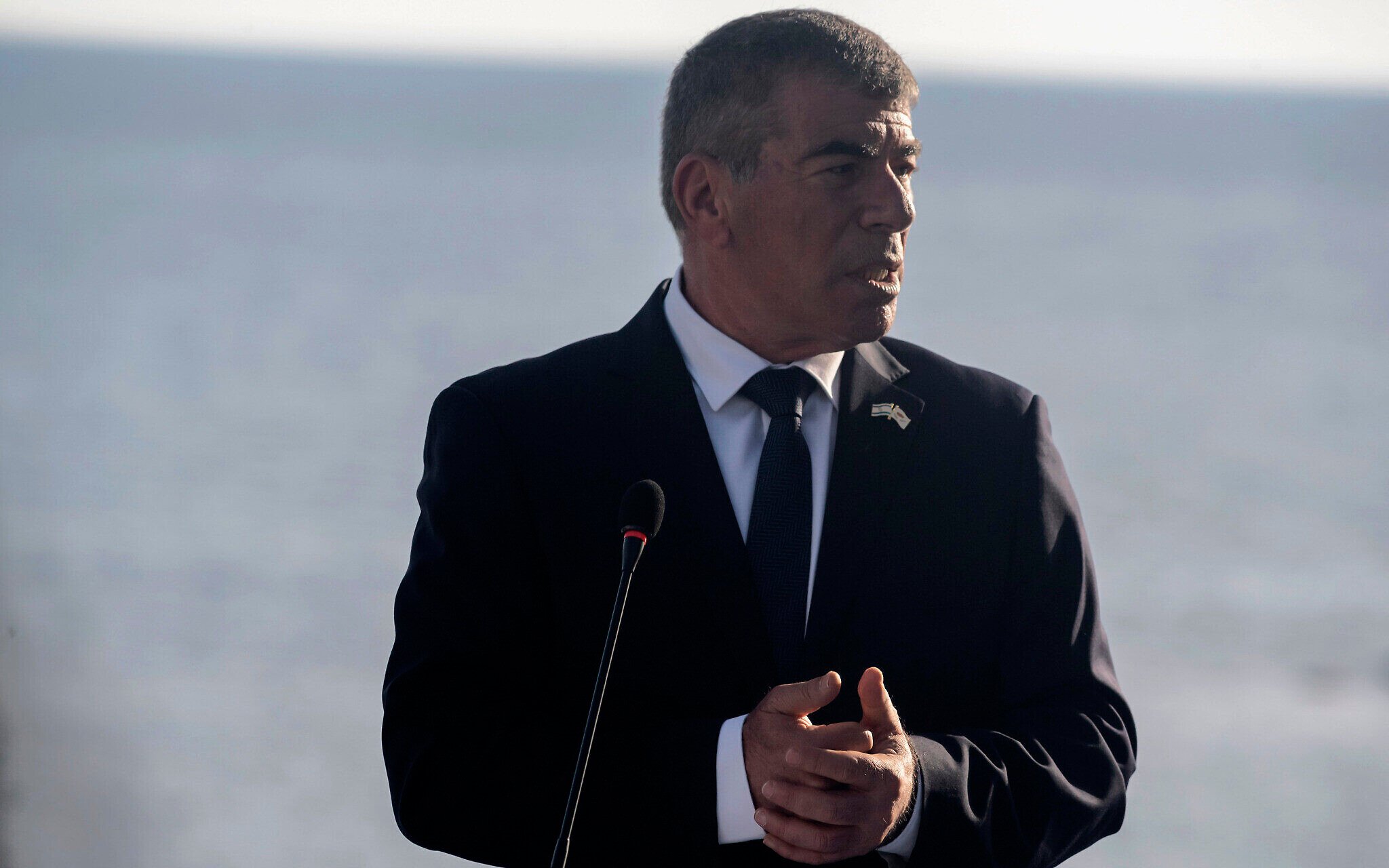
Israel is adamant that Iran is seeking the bomb — with Prime Minister Benjamin Netanyahu saying Iran is duping the international community as it pursues its rogue program — and Foreign Minister Gabi Ashkenazi vowed Friday that Israel will do whatever it takes to “definitely” prevent Iran attaining nuclear weapons.
The 2015 deal, known formally as the Joint Comprehensive Plan of Action (JCPOA), gave Iran relief from sanctions in return for curbs on its nuclear program.
Iran had committed to keeping enrichment to 3.67 percent, a level it raised to 20 percent in January.
Negotiations aimed at ensuring the return of the United States to the JCPOA and the lifting of sanctions resumed this week.
“We think that negotiations have reached a stage that the parties can start working on a joint text. The writing of the text can start, at least in the fields with a consensus,” Araghchi said.