People of Israel, Charedi Public vow to stay in race despite pressure from PM and allies
Eisenkot 'unequivocally pledges' not to serve in a Netanyahu-led government, even under rotation deal, as he and Liberman seek 'to increase voter turnout' amid projections of deadlock
The heads of the small People of Israel and Charedi Public parties vowed Wednesday to remain in next week’s election, despite mounting pressure from Prime Minister Benjamin Netanyahu and his allies to quit the race.
The announcements came after Finance Minister Bezalel Smotrich offered People of Israel chairman Ofer Winter a ministerial position in exchange for withdrawing and Netanyahu met with Charedi Public chief Moti Leitner in a reported bid to convince him to drop out.
“I did not surrender in the past. I am not surrendering today. And I will not surrender in the future when it comes to the values and principles for which we entered this fight,” Winter declared in a video statement.
Likud and its allies have been waging an aggressive campaign to pressure Winter to withdraw. Winter accused members of his own political camp of waging an “ugly and unimaginable” campaign against him, alleging harassment of candidates and their children, the hiring of private investigators and pressure on rabbis.
The party has repeatedly polled below or around the 3.25% electoral threshold, raising concerns within Netanyahu’s bloc that it could siphon votes from established right-wing parties without winning any Knesset seats.
Winter reiterated that People of Israel remained firmly within the pro-Netanyahu bloc, but warned that its support for a future government would be conditional on advancing its own priorities, including benefits for military personnel and promoting the “voluntary” migration of Palestinians from Gaza.
“There will be no blank check,” he said. “If they deliver, they’ll get our support. If they don’t, they won’t.”
However, he also rejected any possibility of him joining the anti-Netanyahu bloc, saying: “We will not take our votes and establish a government with [Democrats leader] Yair Golan.”
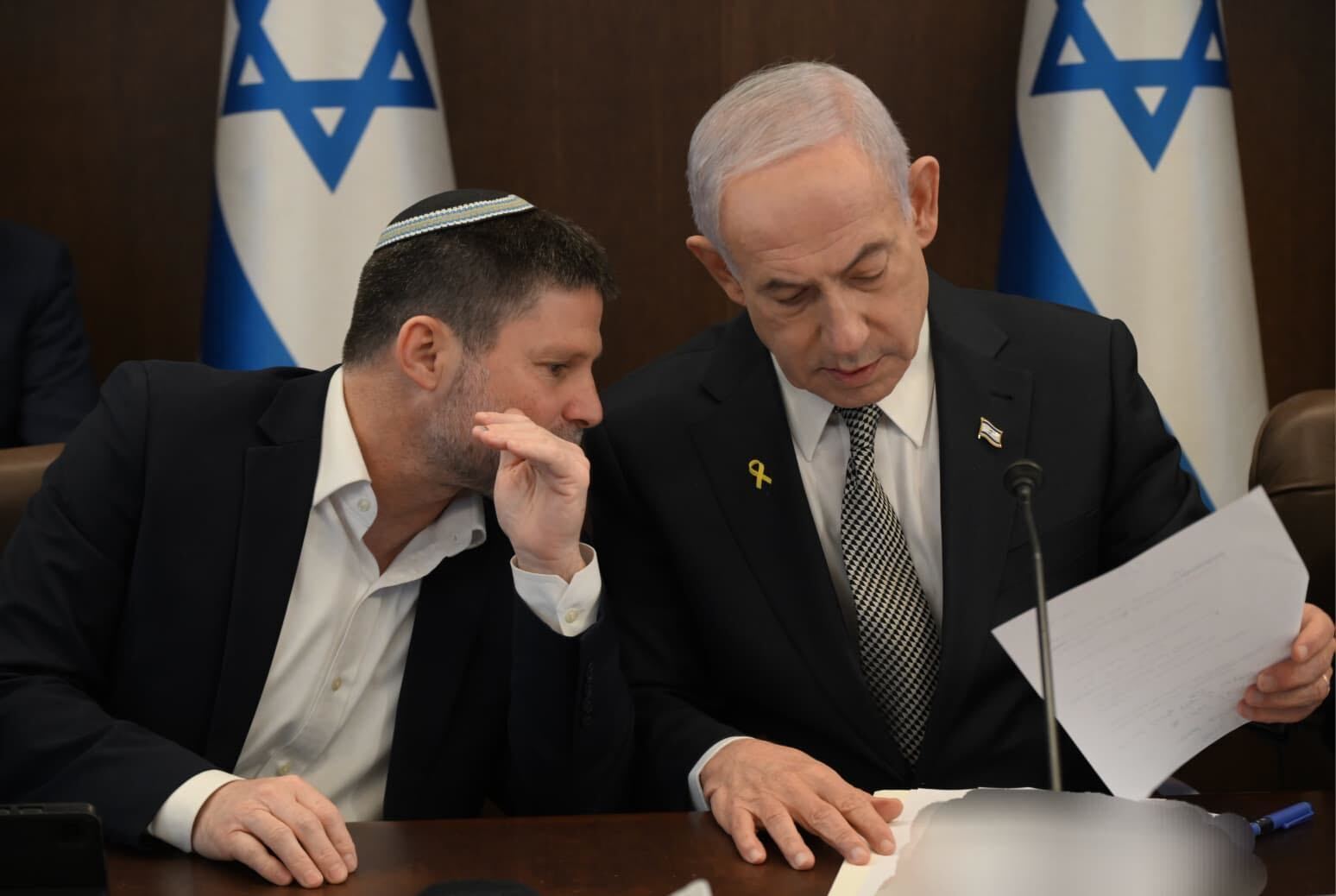
Leitner meanwhile confirmed meeting Netanyahu a day earlier “at his request and listened to his proposal,” but said the dominant Haredi parties United Torah Judaism and Shas “are threatening me and ignoring the need for change.” Charedi Public, which is expected to fall well below the 3.25% electoral threshold, risks siphoning votes from the Netanyahu-aligned Shas and UTJ.
“I am not withdrawing. We are not withdrawing. We are moving forward at full force and building a new political home. The monopoly of Shas and United Torah Judaism is over,” he added.
“If we withdraw now, the old, corrupt system will be the winner,” Leitner warned.
In a subsequent post on X, he accused the established Haredi parties of maintaining a “violent political monopoly” that has denied ultra-Orthodox Israelis genuine representation for decades and condemned tens of thousands of children to poverty.
Charedi Public has set itself apart from mainstream ultra-Orthodox parties United Torah Judaism and Shas with its relatively moderate stances on IDF enlistment and Haredi education, and by including women on its Knesset slate. Its priorities include funding for ultra-Orthodox yeshivas, an agreed-upon military conscription plan, and core curriculum studies for the Haredi community.

Opposition seeks to boost turnout as polls again show deadlock
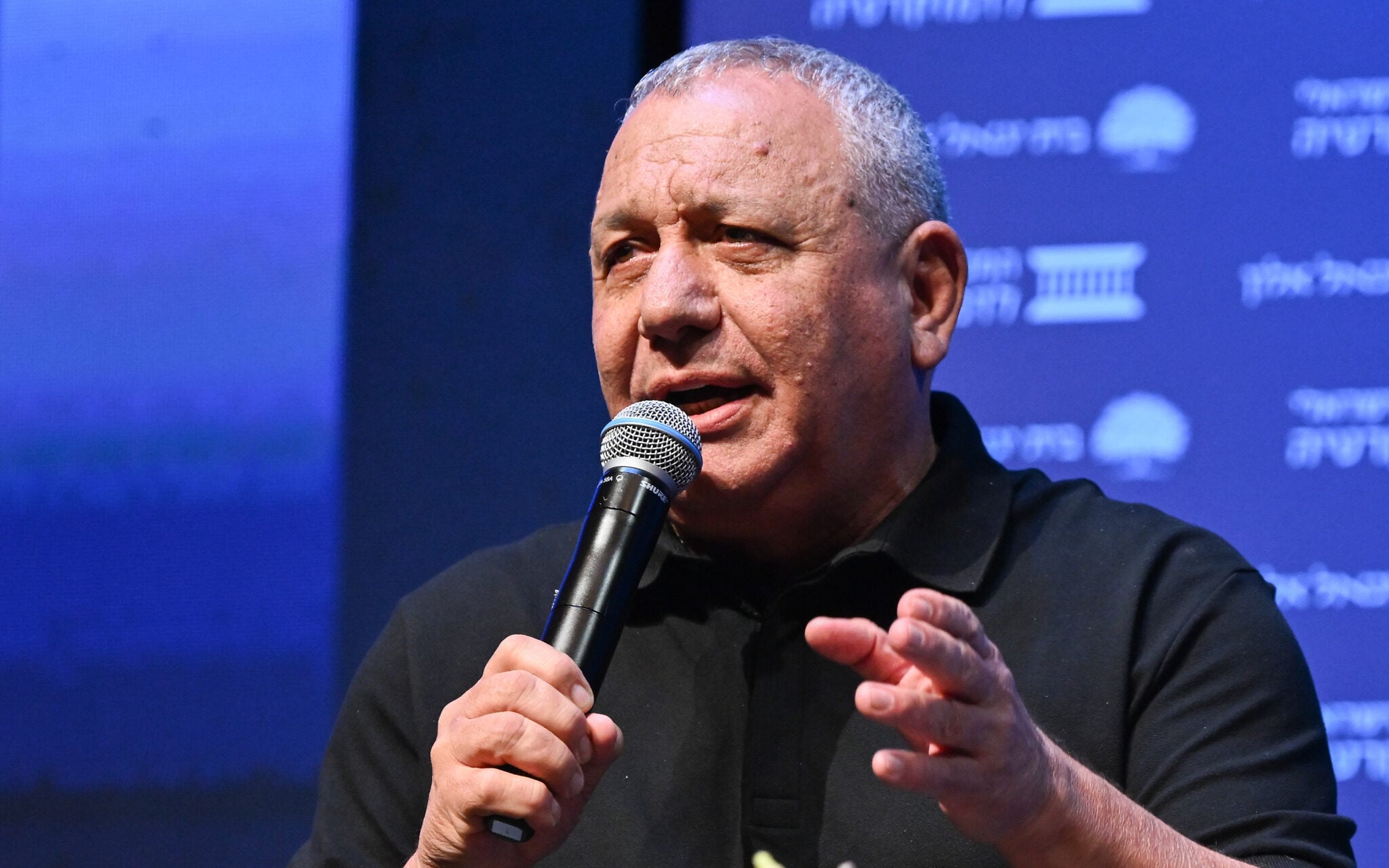
Also Wednesday, Yashar leader and election opposition frontrunner Gadi Eisenkot pledged that he would not serve in a government led by Netanyahu, even under a rotation agreement that would see them take turns as prime minister, amid speculation the two could form a unity government following the October 27 vote.
“I unequivocally pledge that I will not serve under Netanyahu in a rotation agreement. Period,” Eisenkot told Radio 103FM. “If that were to happen, you would see me resign an hour later.”
Eisenkot reiterated that while he did not rule out forming a government with the ruling Likud party, he refused to serve alongside Netanyahu due to the prime minister’s responsibility for the October 7, 2023, Hamas-led terror onslaught.
While Eisenkot has previously said he opposes rotation deals and that Netanyahu must not be allowed to continue as prime minister, this appeared to be the first time he publicly made an unequivocal statement on the matter.
The remarks came as polls show Likud and Yashar running neck and neck, with neither political bloc currently projected to secure a majority. Television surveys released Wednesday by Channel 12 and Channel 13 showed Netanyahu’s bloc respectively winning 51 and 49 seats, with Winter’s party crossing the minimum vote threshold in the former poll while Charedi Public failed to pick up sufficient support in either.
The opposition bloc of Zionist parties led by Eisenkot — whose party was forecast to be the biggest Knesset faction in both surveys — received 52 seats from Channel 13 and 55 from Channel 12, while the non-aligned Arab parties Joint List and Ra’am together respectively got a combined total of 15 and 14 seats.
Also running is Yoaz Hendel’s Reservists-Economic party, which squeaked past the minimum threshold in the Channel 13 survey but failed to enter parliament in the Channel 12 poll. Hendel has not said which bloc he’d join, but has made a universal draft law a condition for joining any government, putting him at odds with Netanyahu, whose bloc relies on Haredi parties opposed to conscription.
President Isaac Herzog has signaled his desire to avoid a repeat of the political deadlock of 2019-2020, which saw Israel hold three elections in 11 months, signaling he would work toward a unity or rotation government should neither bloc secure the 61 seats needed to govern.
Amid the projected deadlock, Eisenkot met Tuesday with Yisrael Beytenu party leader Avigdor Liberman, with their parties announcing on Wednesday that they agreed “the most important effort now is to increase voter turnout.”
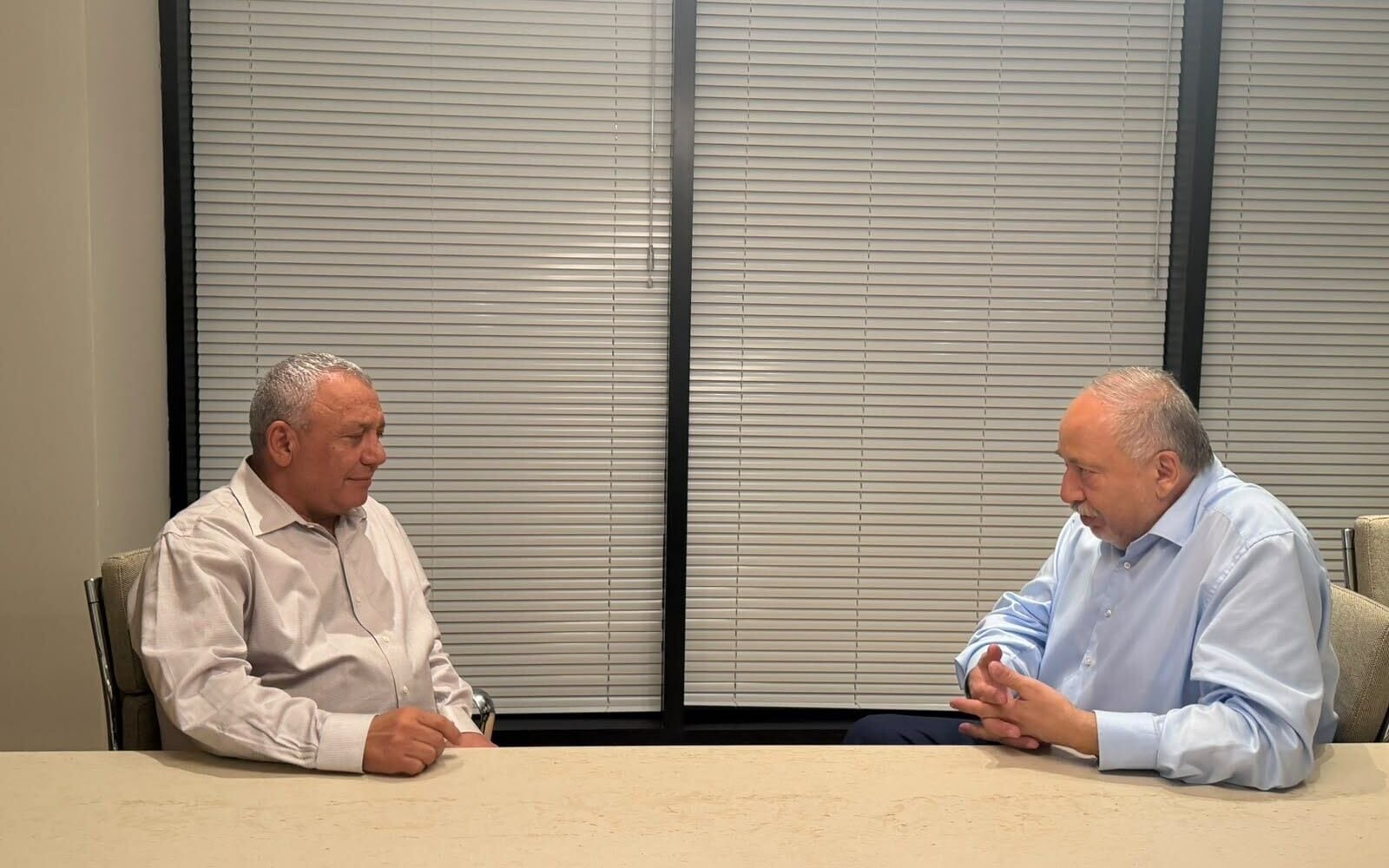
The meeting followed last week’s public spat in which Liberman accused Eisenkot of planning to join Likud in a unity government with Netanyahu after the election, dubbing him “Gantz 2” after Blue and White leader Benny Gantz’s past decisions to join Netanyahu-led governments.
Eisenkot and Liberman stressed “the importance of voting for one of the four parties in their bloc and avoiding votes for parties that do not cross the electoral threshold.” The bloc also includes former prime minister Naftali Bennett’s B’Yachad and Yair Golan’s Democrats.
Eisenkot and Liberman agreed to “continue their cooperation toward victory and replacing the government of failure” next Tuesday, the statement added.