PM after Gvili’s return: Next phase in Gaza is not reconstruction, it’s demilitarization
Trump too says, 'Now we have to disarm Hamas'; despite skepticism that terror group will agree, both leaders note that all hostages have returned, a result once seen as unlikely
Following the return to Israel on Monday of the final slain hostage, Ran Gvili, Prime Minister Benjamin Netanyahu and US President Donald Trump both said in separate statements that the Gaza ceasefire’s next challenge would be the disarmament of Hamas.
Hamas’s disarmament, meant to take place under the second stage of the truce, is broadly seen as one of the most difficult pieces of the plan for postwar Gaza laid out by Trump last year. But on Monday, both leaders drew a comparison between the quest to bring back all of the hostages, which was once seen as improbable, and the effort to disarm Hamas.
There is widespread skepticism in Israel that Hamas will agree to give up its weapons. The terror group has previously rejected the idea.
“The next phase [in Gaza] is not reconstruction,” Netanyahu said, speaking at a special Knesset session honoring Albanian Prime Minister Edi Rama. “The next phase is disarming Hamas and the demilitarization of the Gaza Strip.”
He added that it was in Israel’s interest “to advance this phase, and not to delay it.” Then, repeating a warning he has made before, the prime minister said, “It will happen the easy way or the hard way. But it will happen.”
Later, speaking to a gaggle of reporters in a Knesset corridor, he chastised the media for its negativity on the next phase, and said there had also been doubts that Israel could return all of the hostages.
“Always doubting, always scolding,” he said of the press, telling the reporters to have “a little faith. We mean it. We have other missions: to disarm Hamas, to demilitarize Gaza… I have a plan, we have missions, and we are executing them.”
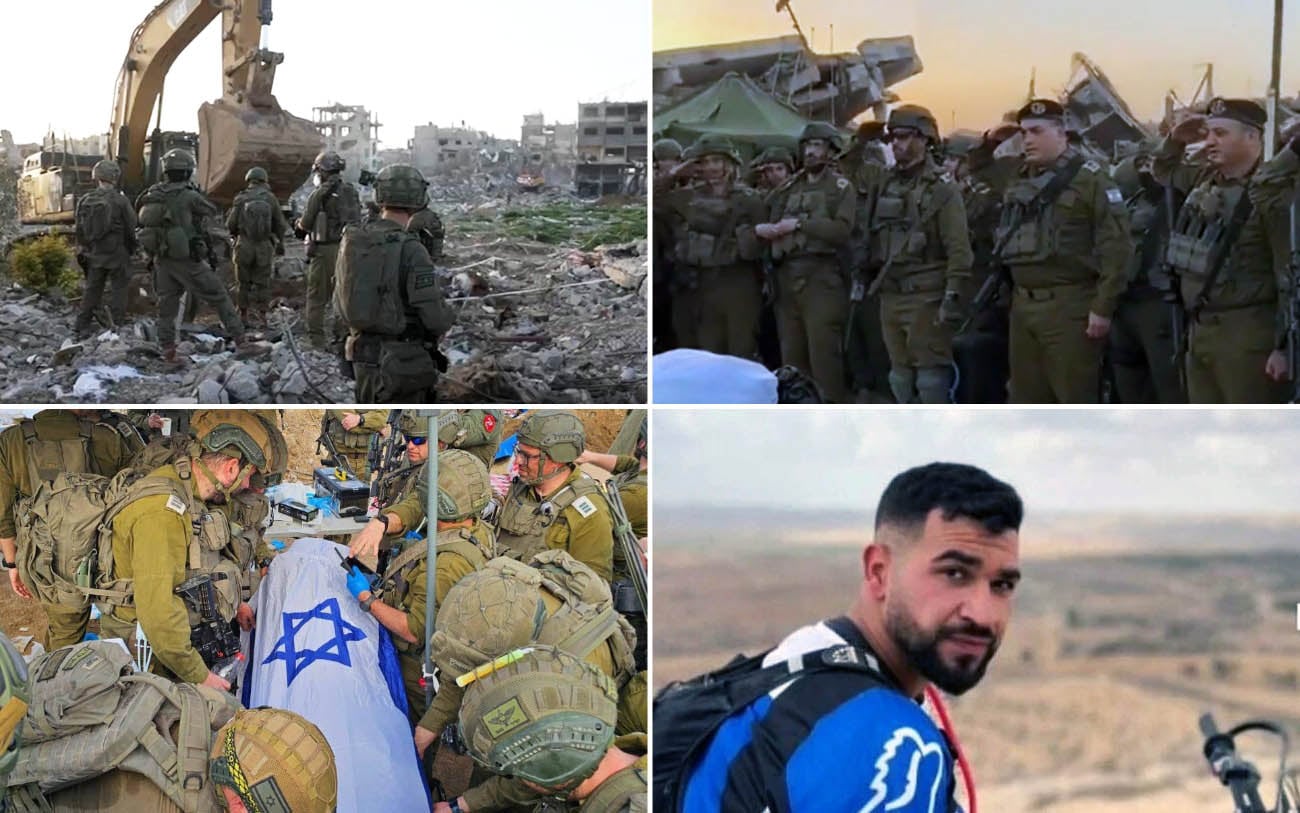
The disarmament issue is being spotlighted now, as the return of Gvili’s body after 843 days marks the end of the first phase of the ceasefire. The Rafah Border Crossing between Gaza and Egypt is due to open later this week, another key part of the first phase.
Trump inaugurated the ceasefire’s second phase last week at the World Economic Forum meeting in Davos, Switzerland, and has launched several bodies meant to govern the postwar Strip. He has expressed confidence that Hamas will disarm as part of that process, while simultaneously threatening the terror group if it does not do so.
On Monday, he praised Hamas for enabling the return of Gvili, while repeating that it must lay down its weapons.
“They worked very hard to get the body back,” Trump said of Hamas in an interview with Axios, adding, “They were working with Israel on it.”
“Now we have to disarm Hamas like they promised,” Trump continued.
In his Axios interview, Trump noted as well that there had been skepticism that all hostages would be returned under the plan’s first phase, but that outcome proved possible.
“Nobody believed we would bring back all the hostages. It was a great moment,” Trump said, adding that his top advisers Steve Witkoff and Jared Kushner briefed him about the recovery this morning, before Trump spoke to Netanyahu, who “was thrilled” about the development.
Last week, presenting a plan to rebuild Gaza as, in part, an upscale resort destination, Kushner linked the war-torn enclave’s reconstruction to Hamas laying down its arms, saying, “Without that, we can’t rebuild.”
“If Hamas does not demilitarize, that will be what holds back Gaza and the people of Gaza from achieving their aspiration,” he said at the signing ceremony for the Board of Peace, which will oversee the bodies running postwar Gaza.
The Middle Eastern countries mediating the Gaza ceasefire have also pushed Hamas to disarm.
But the terror group has vowed to hold onto its weapons, and sources familiar with the negotiations have told The Times of Israel that the mediators are pushing for a gradual handover of the group’s weapons — a framework Israel opposes.
Turkish Foreign Minister Hakan Fidan met on Monday with a Hamas delegation headed by senior official Khalil al-Hayya in Ankara amid efforts by the mediators to advance disarmament, as well as the demilitarization of the Strip.
The Turkish foreign ministry posted pictures from the meeting, but did not provide additional information about it.