Poland suspends chief justice of constitutional court, sparking protests
Government escalates standoff with nationalist right; right-wing president turns plane around en route to Senegal, forces his way into court building
Poland’s President Karol Nawrocki called off a visit to Africa mid-flight and returned to Warsaw, where police surrounded the constitutional court on Friday after the suspension of its chief justice triggered a standoff between the centrist government and the nationalist right.
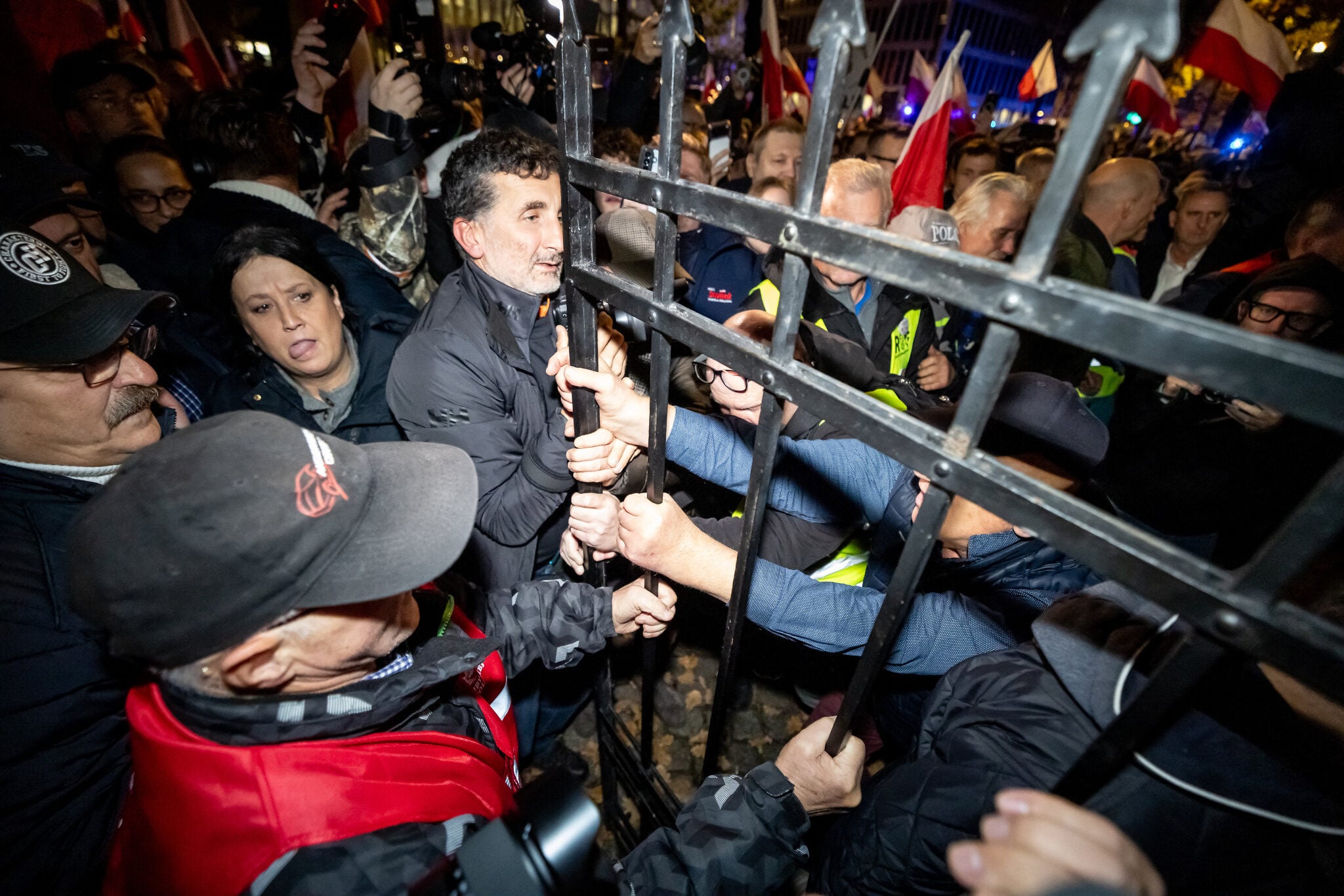
Dozens of police guarded the entrance to the court as followers of the opposition right-wing Law and Justice party (PiS) protested the ousting of constitutional court president Bogdan Swieczkowski.
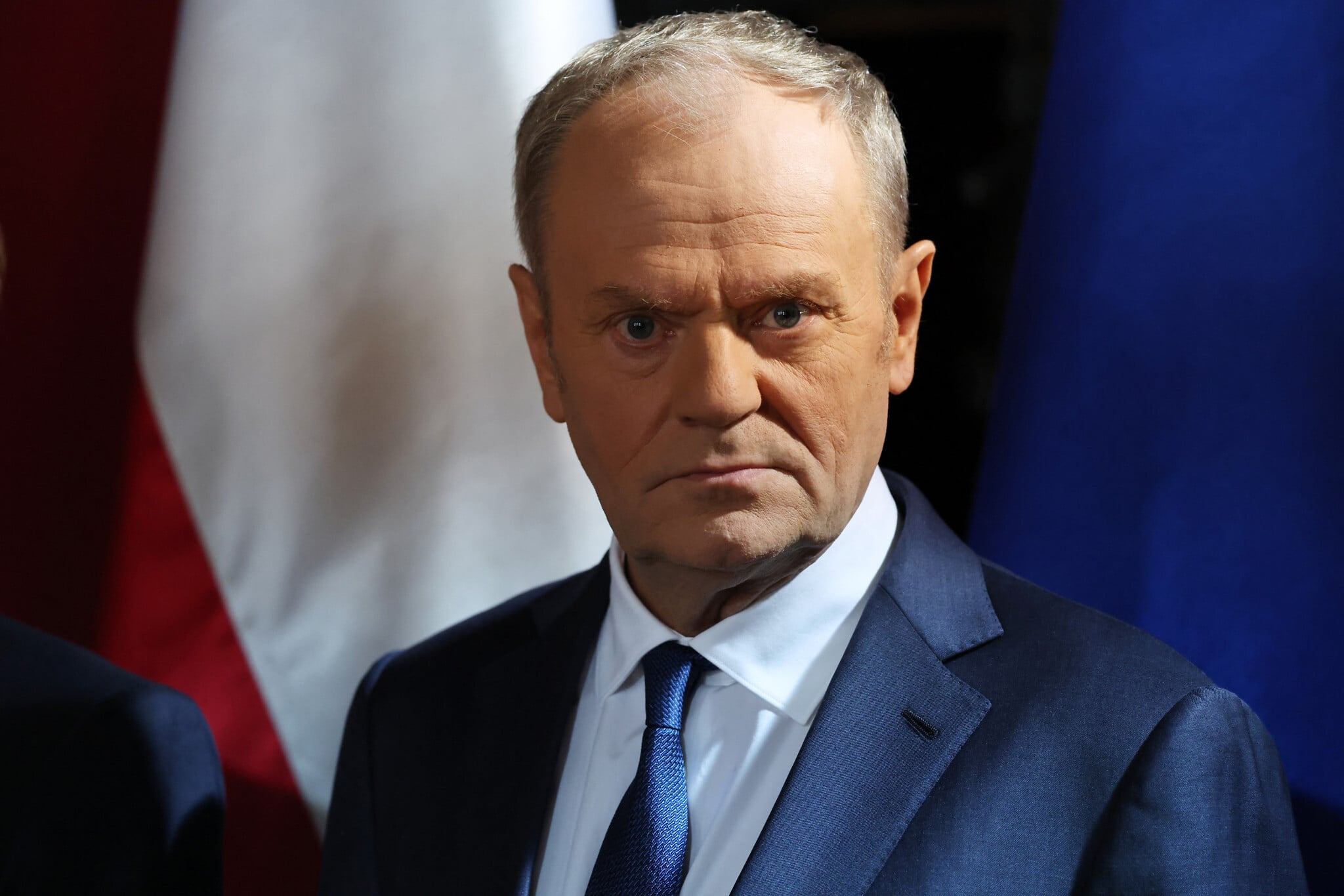
The court’s official X social media account said there had been a “coup d’etat” and some demonstrators chanted “Tusk traitor” as they condemned the government of Prime Minister Donald Tusk.
Some tried to force their way through security barricades. Police said they had arrested three people who had tried to enter the court complex.
Tusk was “trampling on our constitutional rights,” demonstrator Tomasz Zaleski told AFP outside the court.
Tusk’s government has been trying for weeks to force out the court’s judges, who were appointed by the previous PiS government that ruled from 2015 to 2023.
After Tusk’s coalition took office in 2023, it pledged to restore the rule of law and reform the court, but Law and Justice ally Nawrocki has acted to thwart those efforts since his election as president in 2025.
The court frequently ruled in favor of Polish legislation over EU law and the European Union accused Poland’s highest court of being too close to the nationalist political power of the time.
Earlier on Friday, the Constitutional Tribunal said its longest-serving judge Anna Korwin-Piotrowska had suspended Swieczkowski, the tribunal’s president and an appointee of Tusk’s far-right predecessor, and was now in charge of the court.
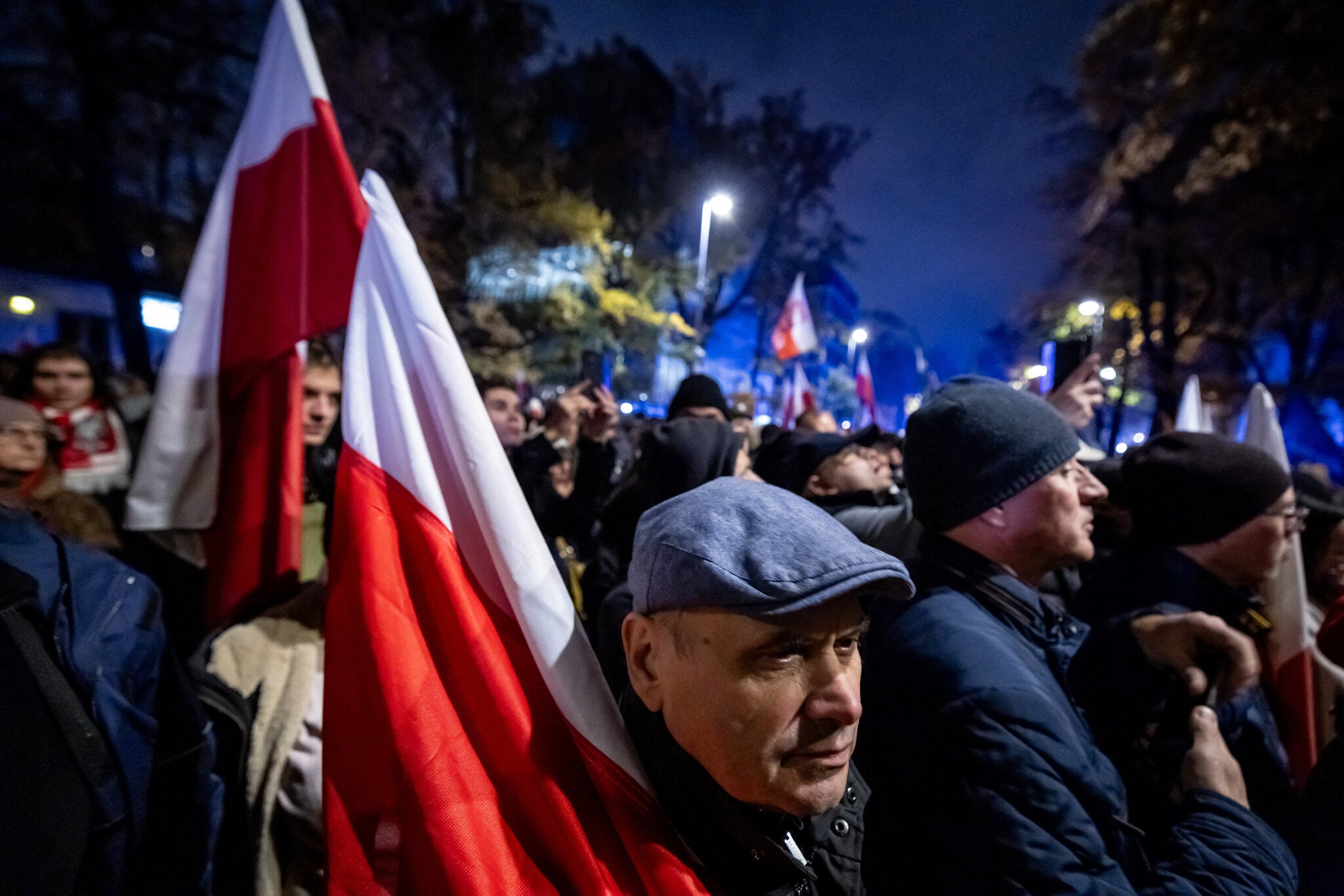
Former PiS prime minister Jaroslaw Kaczynski addressed the demonstration and called for Nawrocki to act. The president said he had called off an official trip to Senegal mid-flight and ordered it back to Warsaw.
Back in the capital, Nawrocki held a meeting with Swieczkowski and the court’s first chief justice Zbigniew Kapinski at the presidential palace.
Nawrocki then entered the constitutional court building, his chief of staff Pawel Szefernaker said early Saturday, adding that the president was accompanied by Kapinski.
Nawrocki pushed his way through the crowds to enter the building, footage from local television showed.
???????? BREAKING: President Nawrocki pushes his way into the Constitutional Tribunal in the middle of the night
After an emergency meeting at the Presidential Palace, President Karol Nawrocki and Supreme Court First President Zbigniew Kapiński drove to the Tribunal shortly after… pic.twitter.com/kwzxfpzWnV
— DD Geopolitics (@DD_Geopolitics) October 31, 2026
Justice Minister Waldemar Zurek, who is also the attorney general, told journalists he had requested the lifting of the legal immunity of Swieczkowski and his deputy Bartlomiej Sochanski.
“This court has become private property; we must restore its proper functioning,” he added.
Tusk justified the action in a comment on X.
“Restoring the rule of law is our duty,” he said. “After years of PiS-led lawlessness, this is a difficult process, sometimes painful, and it requires decisive action. There is no other way.”
The constitutional court’s official website was not accessible on Friday evening.
Its X account said there had been a “coup d’etat” and that Swieczkowski remained in office.
Korwin-Piotrowska could not become interim chief as she had not been sworn in by the president, it added.
Amid the confusion, Korwin-Piotrowska commented: “In modern Europe, a democratic state cannot function without a constitutional court… that acts as a guarantor of citizens’ rights and freedoms.”