Police said to probe 2 senior Transportation Ministry officials over flydubai failures
Dvir Rubenstein reportedly advised airlines, including flydubai, while also issuing their permits; Amir Cohen worked for Israeli carriers abroad, allegedly without approval
Police have opened investigations into two senior Transportation Ministry officials over the security failings surrounding the attack on flydubai Flight 1073 to Tel Aviv last week, according to Hebrew media reports.
The Haaretz newspaper and Channel 12 reported Wednesday that police were investigating apparent conflicts of interest in work done by Dvir Rubinstein and Avri Cohen in addition to their roles at the ministry.
Rubinstein, who has served as the ministry’s aviation security director for 19 years, is responsible for granting security approvals and permits to foreign airlines and flights entering Israel, according to Channel 12. That includes flydubai and its Dubai-Tel Aviv flight, whose Omani copilot attempted to crash last week in a thwarted terror attack.
At the same time, Rubinstein has done paid private consulting and training work for those carriers, including flydubai and Emirates, according to the network, which said the official had traveled to the UAE to provide those services. The report included certificates from the airlines recognizing training that he provided.
The network noted the apparent conflict of interest in Rubinstein doing private work for airlines he was tasked with overseeing.
The Transportation Ministry, in response to the report, said that Rubinstein is employed as an outside contractor, not a civil servant, and that “his outside business was approved in accordance with the law, and was performed outside the hours of his work for the ministry.”

Cohen, meanwhile, has moonlit as a “reserve security officer” for Israeli airlines at a foreign airport, in a capacity unconnected to his official role, according to Haaretz. The revelation raised questions about Cohen’s focus on his job, which includes overseeing foreign air crews.
Cohen said he’d received approval in 2018 from the Transportation Ministry’s then-director to do outside work. However, Keren Terner, who served in that role at that time, and two other relevant officials told Haaretz this wasn’t true. The daily also asked Cohen to see some documentation of the approval, but received no response from him.
According to Haaretz, the Transportation Ministry was not even aware that Cohen was doing outside work until it received an anonymous complaint about it some eight months ago, which sparked an internal investigation. The probe found he had been doing outside work since 2018, without ever receiving authorization to do so.
In a statement on Monday quoted by the Globes newspaper, the ministry said Cohen would have had to receive approval from the Civil Service Commission to do outside work, and that “the ministry’s administration did not pass along any such request with respect to [Cohen], and in any event he didn’t receive permission.”
The ministry added that “from the moment the ministry was notified that the employee was involved in outside work, it was made clear to him, in no uncertain terms, that he must immediately stop all outside work as long as he lacks approval.”
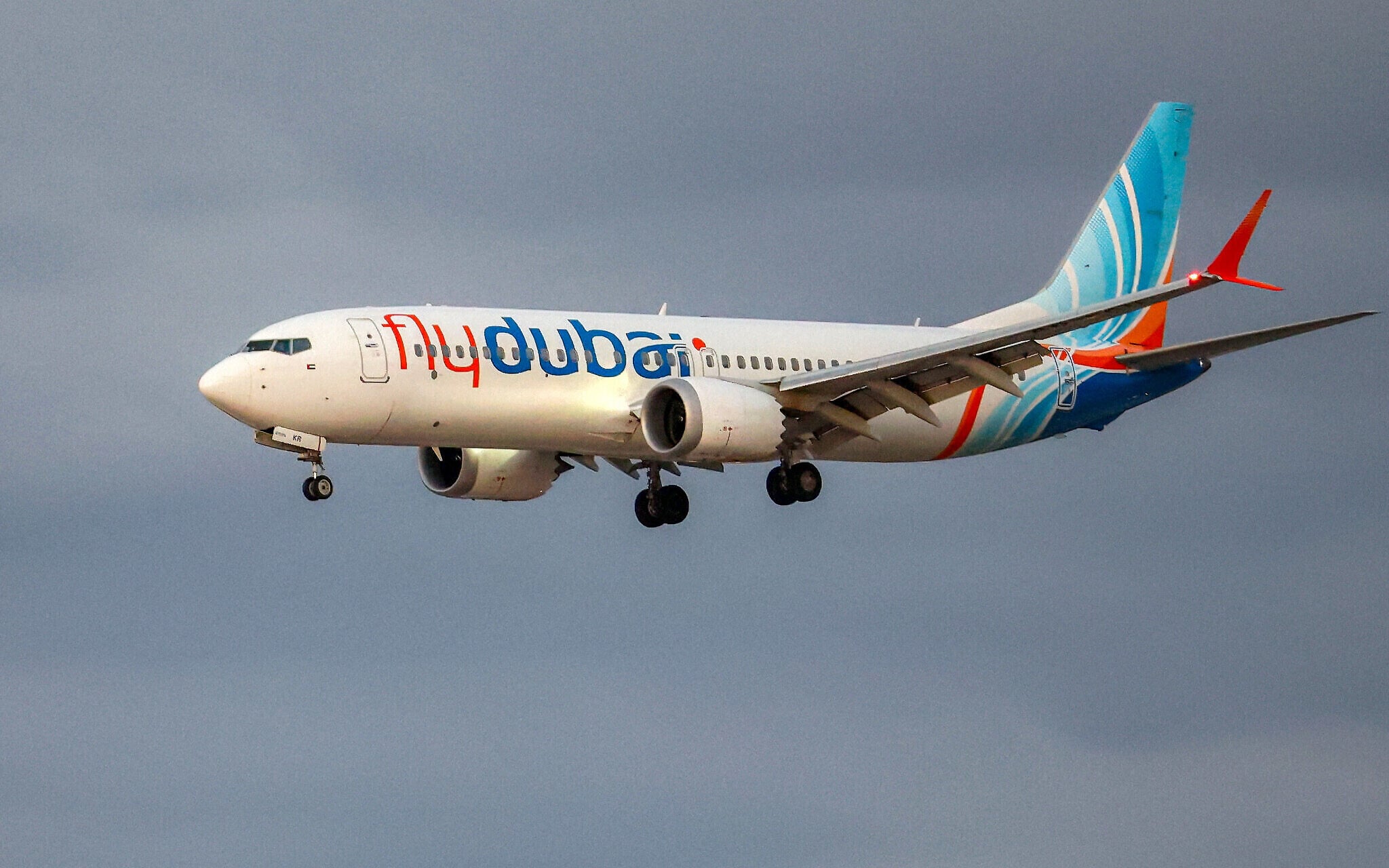
The reports of the police investigations came a day after, on Tuesday, new details emerged regarding the ministry’s questionable judgment around flight security, including its reported refusal of offers from security officials to boost oversight of foreign flights.
Moreover, earlier this year, an internal Transportation Ministry debate took place over which division would handle security for foreign and chartered flights. The Shin Bet and National Security Council both pushed for the responsibility to be moved to the ministry’s Civil Aviation Authority, which is bigger and better equipped to handle the task than the ministry’s Security Division, but Transportation Minister Miri Regev refused.
The ministry and security establishment have faced heavy criticism in the wake of the attack for failing to monitor pilots and crew from hostile countries who flew into Israel.
On September 30, the Omani copilot of flydubai Flight 1073, Hamam al-Hammami, attacked the plane’s captain, Smit Machchhar. He allegedly aimed to crash the plane and kill the approximately 180 people on board, the vast majority of them Israelis. However, Machchhar and several Israeli passengers succeeded in thwarting the attack and subduing al-Hammami.