Ramallah urges talks to stem unrest; Israel says not until attacks stop
Palestinians say Israel won't consider steps to pave way for new peace negotiations until wave of violence subsides
Israel is refusing to consider steps toward restarting stagnant peace talks with the Palestinians until the ongoing wave of violence comes to a close, Palestinian officials said Tuesday.
There have been a number of high-level meetings between Israeli and Palestinian officials in recent weeks, during which Ramallah proposed restarting talks as an effort to stanch nearly three months of violence, which has seen near daily Palestinian terror attacks in Jerusalem and the West Bank, with more than 20 Israelis killed, and over a hundred Palestinians killed — most in the act of attacking Israelis, and others in clashes with Israeli troops.
Peace talks have been on ice since US-brokered negotiations collapsed in April 2014 amid reports of renewed settlement building and an Israeli refusal to release several dozen Arab Israeli security prisoners, and with the Palestinian Authority joining UN and other international forums in efforts to bypass bilateral conflict resolution.
According to the Palestinian officials, during the recent meetings to jumpstart talks, they demanded, as preconditions for new negotiations, a moratorium on settlement building and the release of the 36 prisoners Israel refused to let out, as well as an agreement to negotiate based on the pre-1967 armistice lines.
All three demands have been made by Ramallah in the past; Israeli officials have said they will only agree to talks without preconditions.
At the meetings in recent weeks, Israeli officials said they could not consider taking diplomatic or other confidence-building measures until the attacks stop.
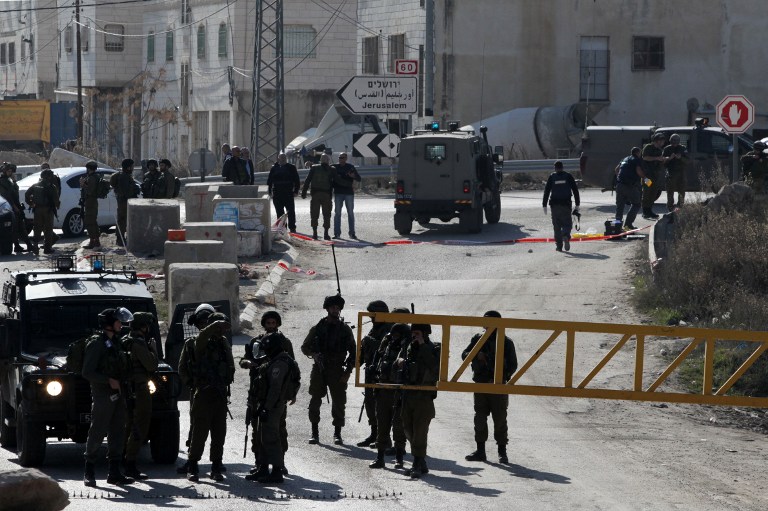
Twenty-one Israelis and three foreign nationals have been killed in the ongoing wave of stabbing, shooting and vehicular attacks since October. Over 100 Palestinians have been killed at the same time, most of them terrorists, according to Israel.
Though peace efforts have stagnated, Israel and the Palestinians have maintained security cooperation in the West Bank in an effort to stymie attacks and crack down on hard-line groups, especially Hamas, which is the main rival to PA leader Mahmoud Abbas’s rule.
Though Fatah and Hamas signed a historic unity agreement earlier in the year, actual détente does not seem to be in the offing, and Abbas has also refused to consider reconciling with Fatah rival Mahmoud Dahlan, despite Egyptian pressure to bring the exiled former strongman back into the fold.
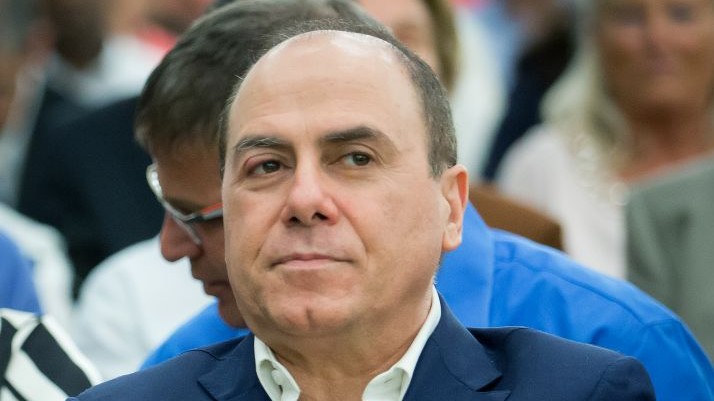
According to the Palestinian sources, there has not been any diplomatic channel open between Ramallah and Jerusalem since talks between then interior minister Silvan Shalom and top Palestine Liberation Organization negotiator Saeb Erekat in July.
Neither Abbas nor Prime Minister Benjamin Netanyahu placed faith in those talks, and the US has also signaled it won’t expend a large effort to jumpstart talks in the last year of President Barack Obama’s presidency.
However on Tuesday, State Department spokesman Mark Toner said the administration planned on continuing to work with both sides to push them toward talks.
“We’ll do whatever we can, obviously, to help them in that process,” he told reporters.
Earlier in the day, Erekat denied holding secret talks with Israeli officials in Amman and Cairo over borders, after a new report on negotiations surfaced in Israeli media.
It’s not clear if the Palestinians are still looking to take unilateral steps to try to gain international recognition for statehood in lieu of the talks.
A PLO committee is expected to convene sometime in the first half of January to discuss demands being made in light of the wave of violence, and it may present concrete proposals.
However, it is expected to take some time, likely until summer 2016, before the PLO’s national council would convene to make a final decision on accepting any proposals from the lower panel.
Times of Israel staff contributed to this report.
comments