Rash of teen violence renews focus on south Tel Aviv gang linked to migrants’ kids
Robberies, assaults and more attributed to SSQ group, largely made up of children without legal status, underlining chronic complaints by locals; some see marginalization at fault
Amid a recent wave of brutal and occasionally deadly violence involving teenagers, a wave of robberies and assaults in south Tel Aviv has thrust a youth gang linked to migrant communities into the center of a renewed focus on juvenile delinquency nationwide.
SSQ, short for “Shapira SQuad,” is largely made up of the second generation of Sudanese, Eritrean and Filipino asylum seekers and foreign workers, and named for the south Tel Aviv Shapira neighborhood where many of them live. The migrants lack any permanent status in Israel, despite having lived here long enough to raise teenagers born here. Now, according to authorities, some of these children have turned to crime.
The gang has become a household name, particularly in right-wing activist circles, which view the increasingly frequent assaults, robberies and harassment of longtime residents of the working class neighborhood as evidence that foreign nationals must leave the country for good, a goal that many of them have long argued for.
But activists and NGO workers argue that the government’s refusal to grant asylum-seekers and other foreign nationals living in Israel without legal status any sort of temporary residency or rights is precisely what has led their teenage children into gang crime.
“They turn into easy prey for criminals,” said Kibrom Tewelde, an Eritrean living in Israel who works with second-generation foreign nationals at the Hotline for Refugees and Migrants, an NGO that supports and advocates for the community. “They give them a feeling of security, belonging and that they’re worth something. It also lets them make easy money.”
The youth gang, which has been operating for several years, became the focus of national attention recently after two lethal stabbings by groups of minors shook Israeli society.
Neither the killing of 21-year-old Yemanu Zelka in Petah Tikva nor that of 19-year-old Destao Tzakul had any evident link to SSQ or foreign nationals, but the sudden focus on juvenile delinquency provided an opportunity for Shapira residents to spotlight their long-held grievances.
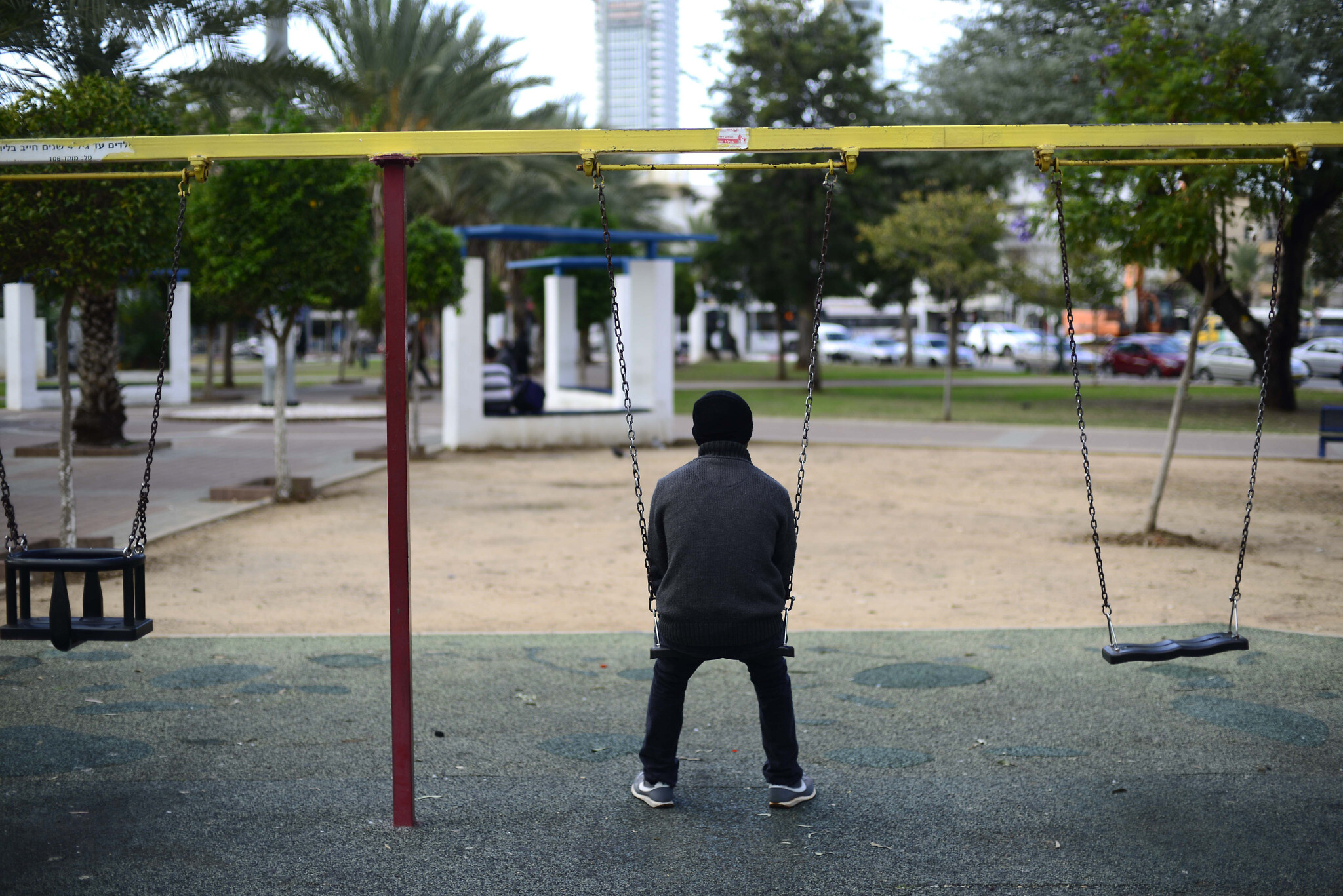
“I don’t walk around in the streets, I don’t even walk the dog. I’m just scared,” said longtime Shapira resident Ditza Cohen to Channel 12 news.
The outlet claimed that most other neighborhood residents are unwilling to voice concerns about the gang in public for fear that its members will carry out reprisal attacks against its critics.
Other families have reportedly packed up and left the neighborhood, even the country, when threatened by the gang. In April, the outlet quoted a teacher who said one of his students, 15, had fled to Uganda along with his family after being threatened by the gang. According to the teacher, the student had stolen the bike of a classmate without realizing he was a member of SSQ.
When National Security Minister Itamar Ben Gvir announced a nationwide police operation to combat violent crime among youth following Zelka’s stabbing, he said that the focus would be on south Tel Aviv, far from where the stabbing had taken place.
Days later, Hebrew outlets reported that Ben Gvir had requested the help of the Shin Bet, which normally handles terror, to deal with the SSQ gang.
Despite the attention, there are also indications that SSQ’s hold over the neighborhood may not be as extensive as feared, though the same forces who have long sought to rid south Tel Aviv of its large migrant population may not be exaggerating the effect the gang has had on the area.
Maya, a community organizer who has lived in the neighborhood for the past decade, said she was less concerned by the gang. The single mother, 50, often hangs out at Cafe Shapira, located in the same park that the gang is known to loiter in.
While she told The Times of Israel that she doesn’t feel afraid to walk the streets or even be near the supposed gang members herself, she doesn’t allow her 11-year-old daughter to go around by herself at night. She sees no problem with letting her roam around in the daytime, though.
Copycat crime
An August report in Haaretz described SSQ as highly structured and made up of just 20-25 members. Most were said to be foreign nationals born in Israel, but the gang also included a handful of Israeli citizens, according to the report.
Gang members are said to range in age from 17 to as young as 7. Court documents from a recent case involving 12 SSQ members listed their ages as between 15 and 17.
Though the group is known to brag about its exploits on social media, little has been published about who leads SSQ, how widespread the group is or to what degree its criminal activity is organized.
Gauging the size, reach and makeup of SSQ is complicated by the fact that copycat groups have begun to crop up, inspired by popular TikTok videos glorifying the gang.
In April, two Filipino girls, ages 14 and 16, were arrested on suspicion of setting up a branch of the gang in Bat Yam, though it’s unclear if they had any actual connection to the Shapira group.
Police suspect the girls tried on several occasions to violently rob other minors, demanding they fork over their cell phones and then attacking them with pepper spray when they refused.
A teacher for the 14-year-old Filipino girl arrested insisted that she is not a professional criminal. “She acts like she’s in fourth grade, very sensitive, very childish, and I know that inside she’s sweet, really,” the teacher told Channel 12. “But she was dragged along. She sees what the older girls are doing, and she imitates them.”
Statistics obtained by the Ynet news outlet show that police opened over 2,084 criminal cases against minors in the Tel Aviv district in 2025, up from 1,851 in 2023, though only slightly more than the figure in 2022. However, most involved minors who were arrested in other parts of the Tel Aviv region, with south Tel Aviv seeing the fewest number of arrests of any sub-district.
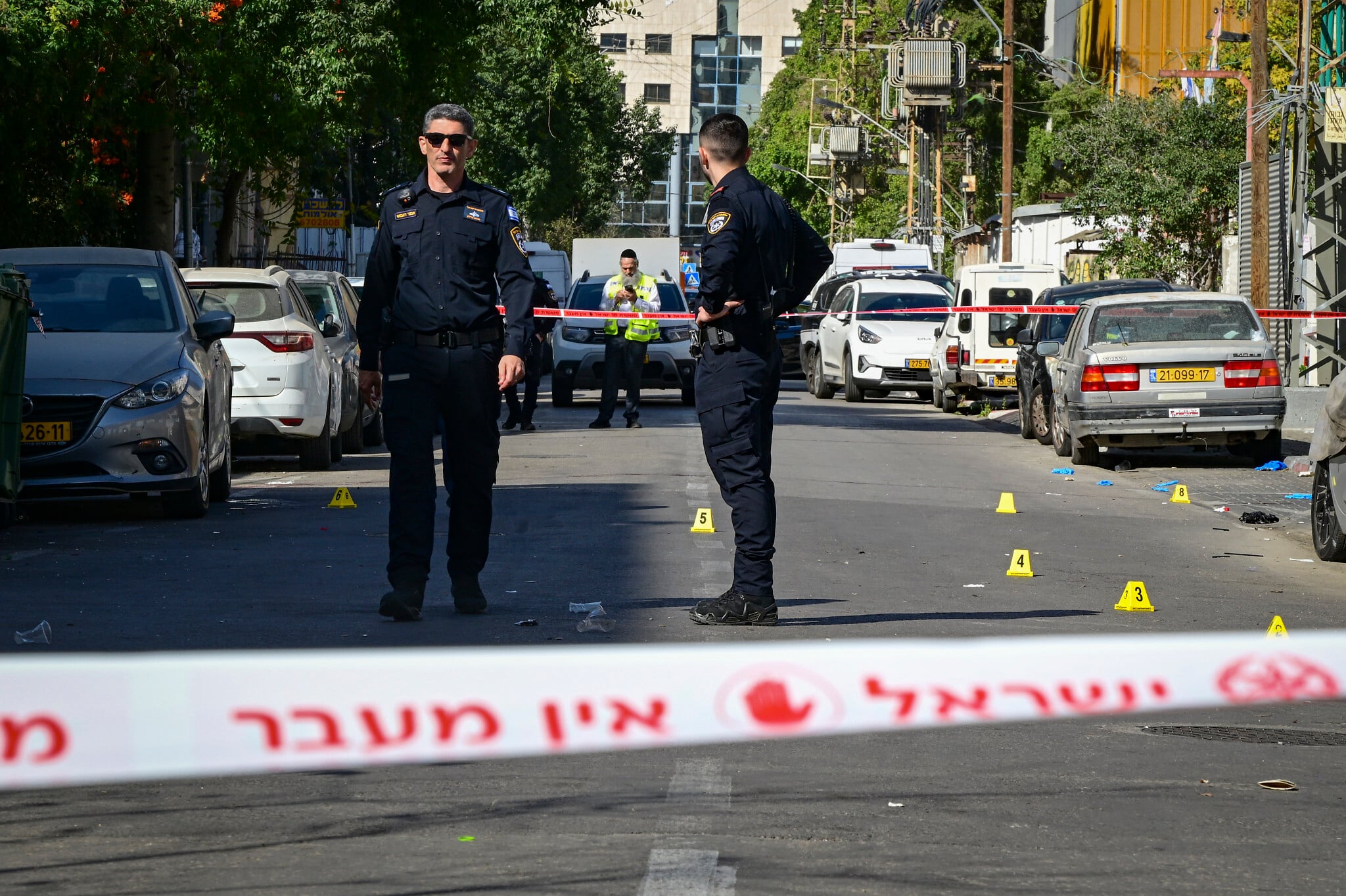
According to the data, 80 percent of the cases were opened against Israelis, with the remainder against West Bank Palestinians and foreign nationals.
Foreign workers and asylum seekers are estimated to comprise less than 10% of the Tel Aviv District, meaning they are still overrepresented in the crime data, and videos in recent weeks showing violent acts by alleged SSQ members have indeed sent a frisson of terror through parts of the city.
In one video, taken just before Memorial Day eve, a group of youths allegedly linked to the gang are seen accosting three teens in a Tel Aviv restaurant, beating them and taking their wallets, phones and bicycles.
Police later arrested 10 minors suspected of involvement in the violent robbery.
אני שוטר בתל אביב, מה שאתה רואה פה זה שלושה ילדים שיושבים אמש בבית קפה ברחוב רמז, ליד הגימנסיה ואוכלים פסטה ואז נכנסים 6 חראות מכנופיית SSQ דופקים להם מכות רצח שודדים מהם את הארנקים והטלפונים ואת האופניים וממשיכים לקורבן הבא.לפני יומיים הם דקרו שני נערים בגינה ליד. pic.twitter.com/xyEERJUtOg
— ????????✡️????????SELECTIVIT ????????✡️???????? (@selectivit) April 26, 2026
On the morning of Independence Day, alleged members of the gang stabbed two teenage boys, ages 14 and 15, in north Tel Aviv.
Later in April, police announced they arrested two minors, allegedly linked to SSQ, suspected of participating in the filmed beating of a 12-year-old girl on a sidewalk.
Disturbing footage of the act had gone viral in the wake of Zelka’s killing at the hands of a mob of teens just after midnight on April 22, boosting its resonance.
The girl’s family claimed she was targeted by the group in an act of revenge against her brother, who had filed a police complaint against some of the gang’s members after they robbed him earlier this year. She was on her way home from school when the group jumped her, pulling her hair, breaking a tooth and stealing her cell phone.
תיעוד קשה לצפייה: כנופיית שפירא (SSQ) הכתה באלימות ילדה בת 12, שברה את שיניה ושדדה ממנה את הטלפון הסלולרי
ימים קודם לכן, חברי הכנופייה שדדו את אחיה של הקורבן – שהגיש תלונה במשטרה בעקבותיה נעצרו 2 חשודים. בתגובה למעצר, המעורבים כינו את המתלוננים "מלשנים" – ותקפו את הצעירה… pic.twitter.com/76QhMHLObI
— C14 (@C14_news) April 27, 2026
SSQ’s criminal activity allegedly goes beyond assaults and robberies of fellow youths.
Ofir Goldental, who heads the crime department in the Tel Aviv District police’s investigations and intelligence division, told Haaretz that SSQ has been used as an “operational arm” of major crime syndicates in Israel in the past, who use them as hired mercenaries for violent crimes.
“Crime families, real criminals, no longer go out into the field like they did in the past, so they rely on the youth to do it,” he said.
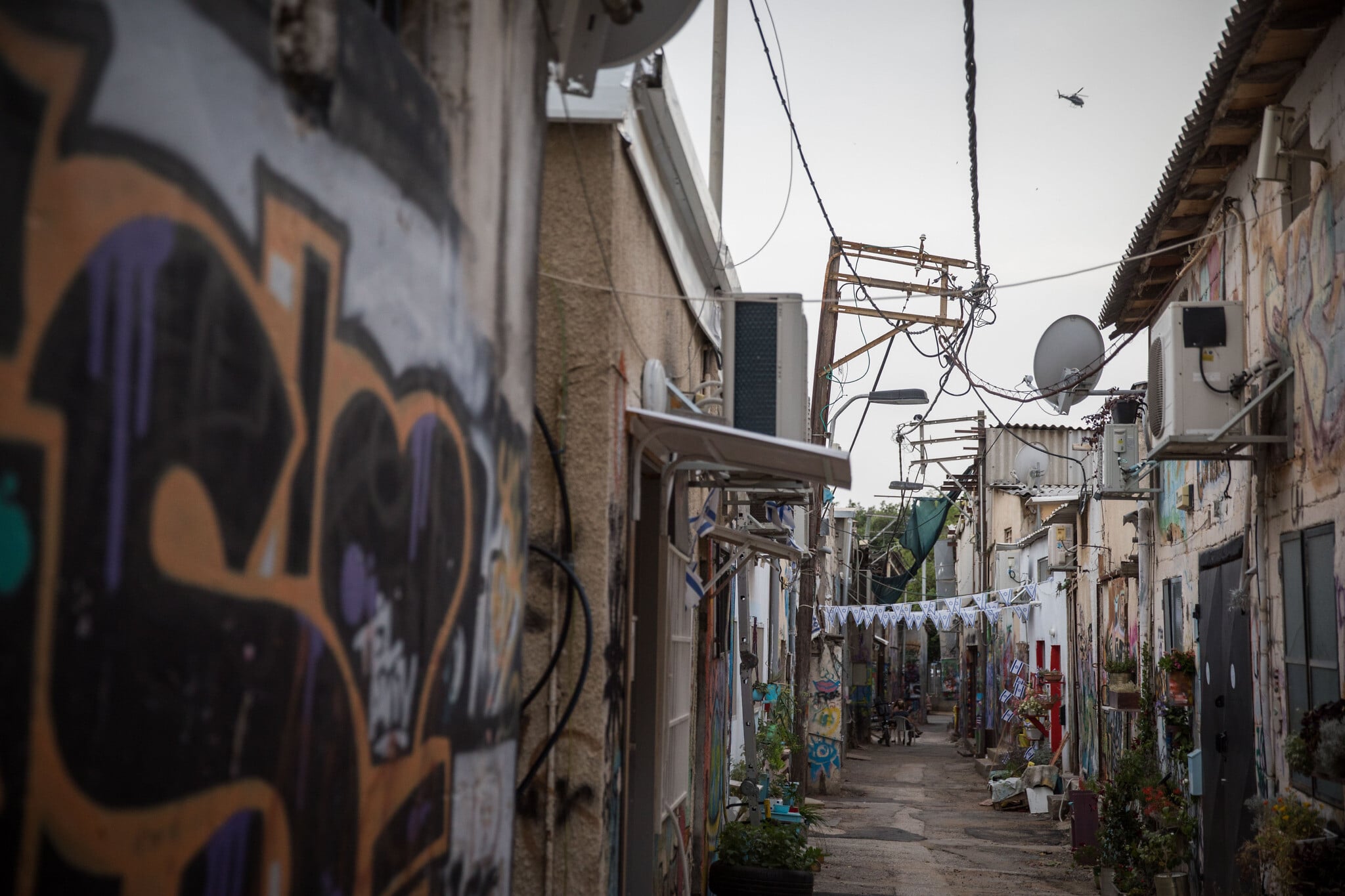
Last month, Ramle mob boss Ismail Jarushi and twelve SSQ-linked youths he recruited were convicted of conspiracy, extortion, and a string of violent offenses over a plot to squeeze protection money from the owner of a cash exchange service in Florentin, a hip neighborhood bordering Shapira.
When the owner refused to pay, the teens shot at his business in hopes of scaring him into handing over a sum of around NIS 1 million ($340,000). According to the indictment, masked youths on an electric scooter rode up to his business on May 9, 2025, fired shots at the building and then left the area.
Both the Israel Police and Tel Aviv Municipality did not respond to requests for comment.
Integration or deportation?
The gang first garnered media attention in 2024, though by that point it had already been active for around two years, according to Goldental.
He told Haaretz that suspects had told interrogators of being led toward gang life by older figures, who had turned to criminal activity due to Israeli policies limiting the prospects of those here without a residency status.
“They don’t have anyone guiding them in life, someone who will explain to them how to earn money and live with dignity. So they go with what is accessible, and crime is the first thing that pops up before their eyes.”
Israel brings in tens of thousands of foreign workers, largely from east Asia or eastern Europe, to fill jobs in elder care, construction, agriculture and other labor-intensive fields. When workers try to start a family, their visas are often revoked, though Israel has largely limited deportations to fathers, allowing single mothers and their Israel-born children to remain.
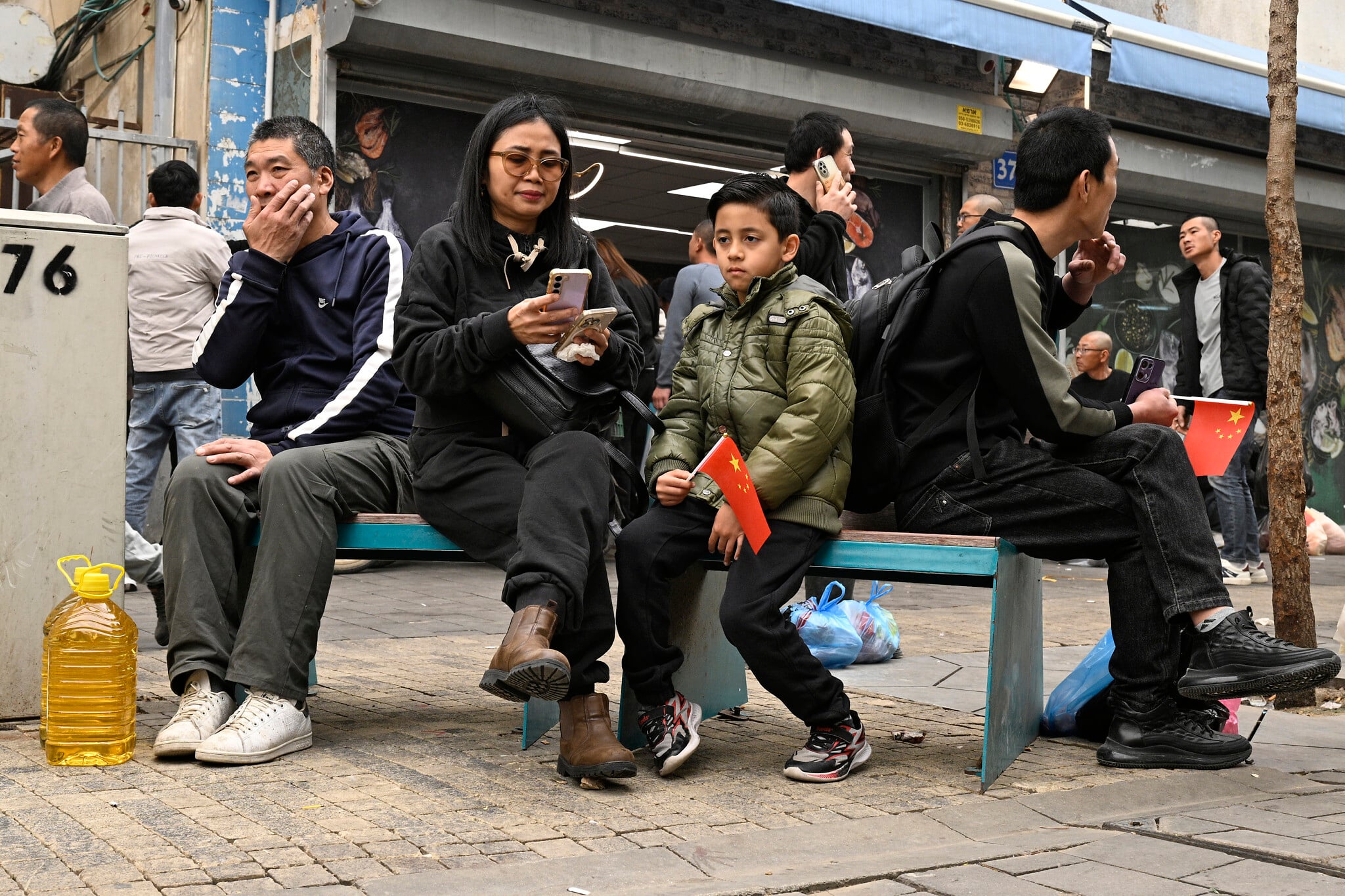
South Tel Aviv, where many of them are based, is also home to large communities of migrants from mainly Sudan and Eritrea who snuck into Israel during a large wave of migration between 2006 and 2012. While rarely granting them asylum, arguing that came seeking economic opportunities rather than fleeing oppression, Israel has allowed tens of thousands to remain, albeit under restrictive conditions.
“They are a community that has been here for about two generations without status. In practice, their temporary permit doesn’t give them that many rights aside from the ability to work and open a bank account. That’s about it,” said Tewelde, who works at the Hotline for Refugees and Migrants and helps provide second-generation migrants and refugees with an educational and social framework.
But the ensconcement of communities of foreigners in South Tel Aviv over the last two decades has also ignited anger among Israeli Jewish residents of Shapira and nearby neighborhoods, which are among the poorest in Tel Aviv. For them, SSQ’s rise is a distillation of the crime they have long complained has been brought to the area by migrants and foreign workers, underpinning calls, championed by far-right politicians for mass deportations.
In April, the South Tel Aviv Liberation Front, a local group led by strident anti-immigration activist Sheffi Paz, sent a letter to Prime Minister Benjamin Netanyahu demanding his government work to advance deportations and earmark funding for a US-style immigration police force that would crack down on the phenomenon.

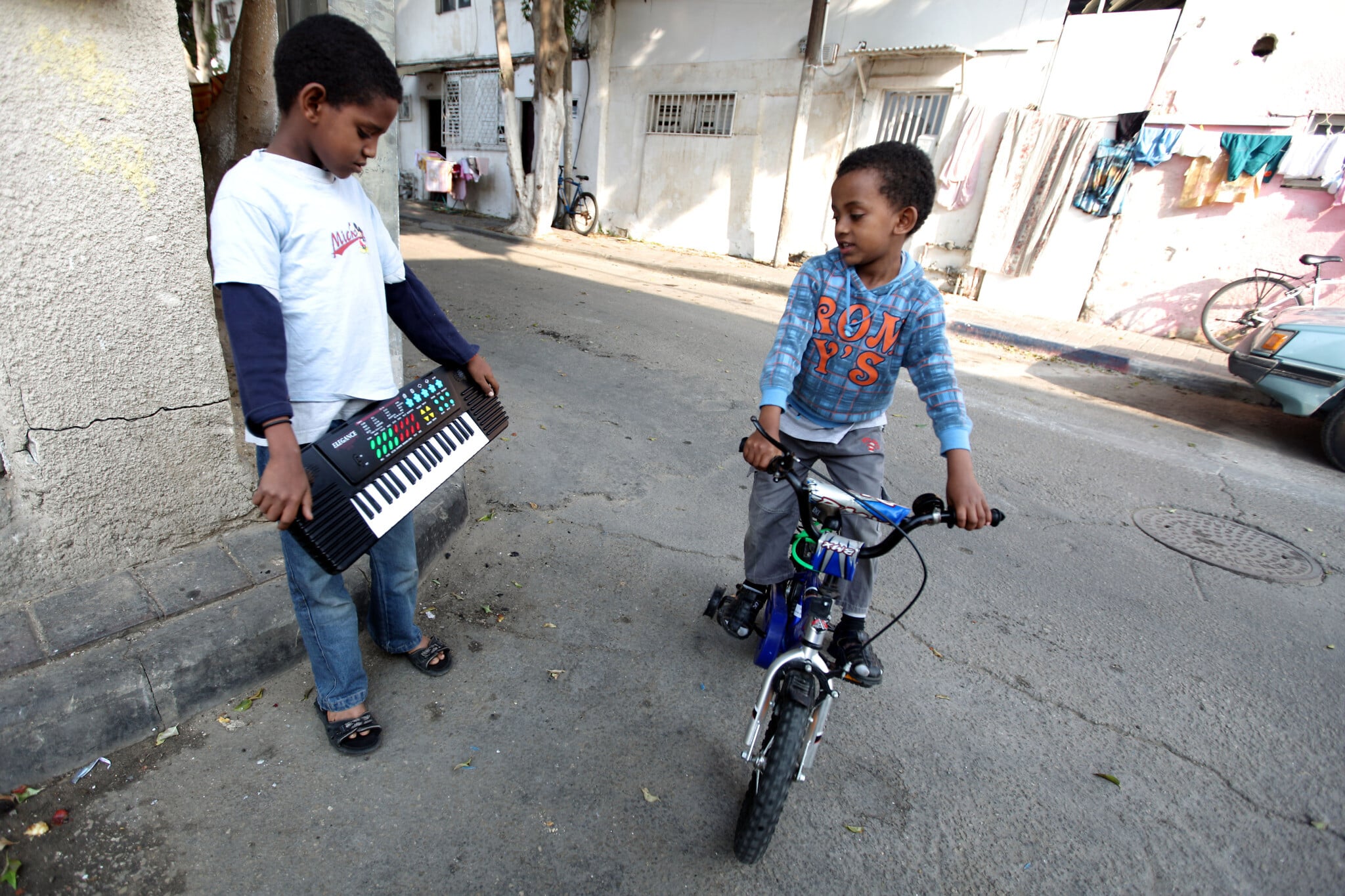
Though lacking legal status, children of migrants have access to public education and some other social services, allowing them to integrate into Israeli society to a certain degree.
The assimilation, though, is only partial, with the children becoming more marginalized as they grow older, barred from military service, unable to obtain a drivers license or passport and facing the prospect of adulthood without the benefits of citizenship or legal residency.
Tewelde, who moved to Israel from Eritrea in 2008, argued that the crime wave could be halted by integrating the teens more fully into Israeli society and granting them status in Israel.
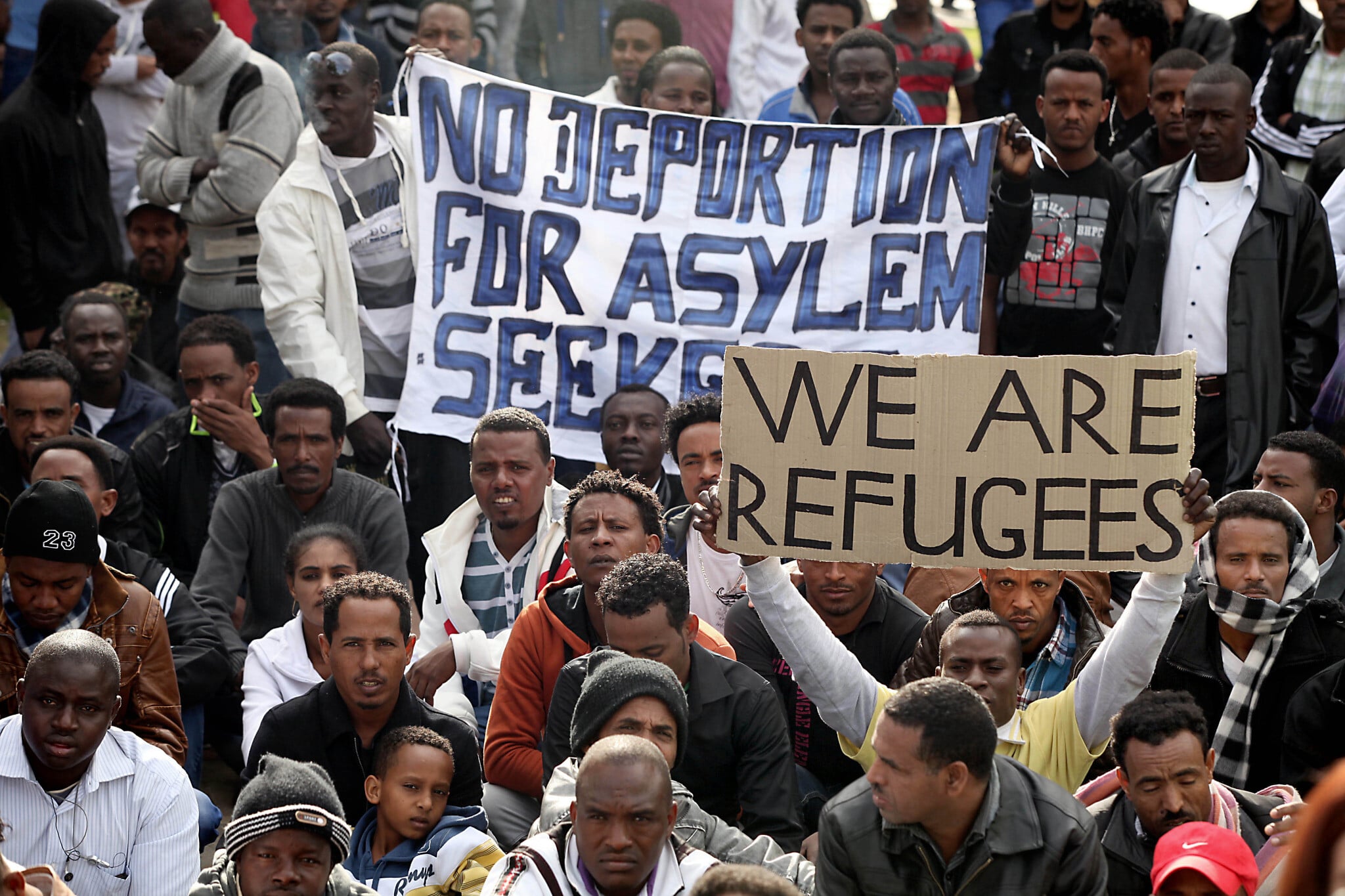
“Kids — most of them who grew up here — were also educated here within the Israeli education system,” he said. “They learn Israeli, Jewish values… love of the land, nothing different from children who are citizens, and they develop the same desires and ambitions as every Israeli child.”
But as they grow and find out that they don’t have the same opportunities as their Israeli peers “they realize that all the values they were taught about equality, democracy — that this was all a lie,” the activist said.
A driver’s license, Tewelde noted, “should be the easiest thing for them to obtain, but they can’t obtain it. Not because they don’t have the ability, but because the system prevents them from doing so.”
“The system obstructs these children entirely, every ‘legitimate’ door they try to open simply doesn’t open for them. Meanwhile, there is another option, crime,” he said.
Yonatan Jakubowicz, director of the Israeli Immigration Policy Center, which advocates tighter enforcement against illegal immigration, contended that efforts to fully integrate foreigners would only have a limited effect, hinting that ethnic and racial differences, not legal status, were behind the neighborhood’s woes.
“There’s no denying that you’d gain some minimal benefit from putting massive amounts of additional effort into integrating migrants,” he admitted, but “according to comparative data [from European countries] and based on the fact that Israel is a Jewish state, these migrants would be very difficult, if not impossible to successfully integrate.”
He argued that increased integration would only further entrench elements bringing crime to South Tel Aviv’s streets.
“Pouring in massive additional efforts into integration would have only a small benefit and come with a heavy price,” he said. “This price is what we’re seeing now, and I’m sorry to say but it’s just the tip of the iceberg. It’s going to get much worse.”