Return of Gaza power crisis puts Hamas, and Israel, back in the hot seat
The terror group is having trouble making the Strip livable, and the Jewish state may suffer the consequences
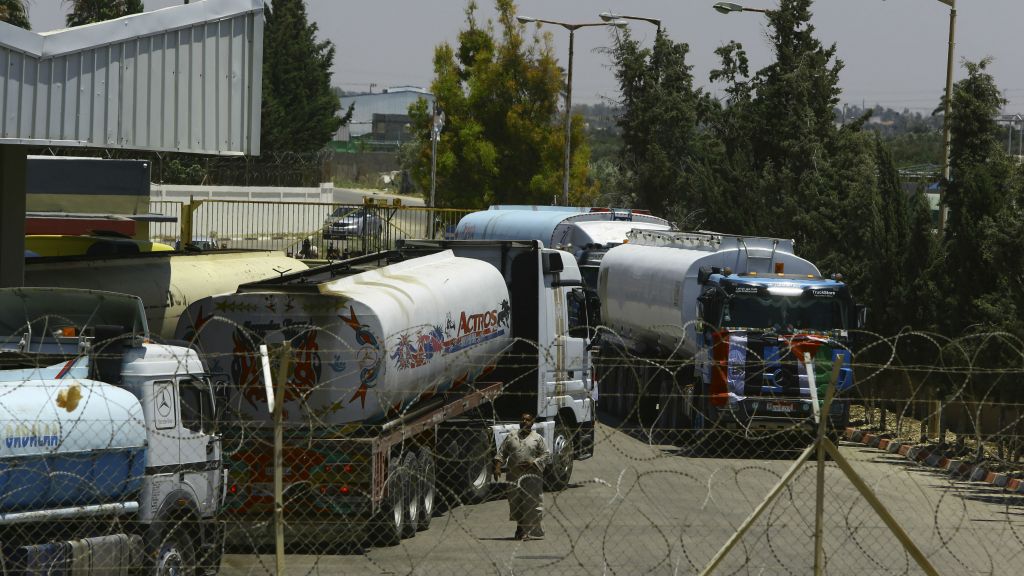
Just a couple of weeks after the Gaza electricity crisis seemed to have been averted, taking — it was hoped — the threat of a summer war off the table for the immediate future, emergency supplies are set to expire, raising once again the possibility that Hamas will ignite a cross-border conflagration.
For the last several days, the Gaza power plant has been able to make up for electricity cut off by Israel — at Palestinian Authority President Mahmoud Abbas’s request — and then some, giving Gazans five hours of electricity for every 12 without.
But on Thursday, the fuel used by the power station was supposed to run out, and no indication has been received of new Egyptian fuel entering Gaza. The question now is how Gaza’s Hamas leaders will react to a new crisis.
Will the movement try to start a fight with Israel to distract from the internal problems, or do its leaders prefer to sit in the dark, literally, and avoid war?
So far, the organization seems to be doing quite a bit to improve relations with Egypt and stay away from conflict with Israel.
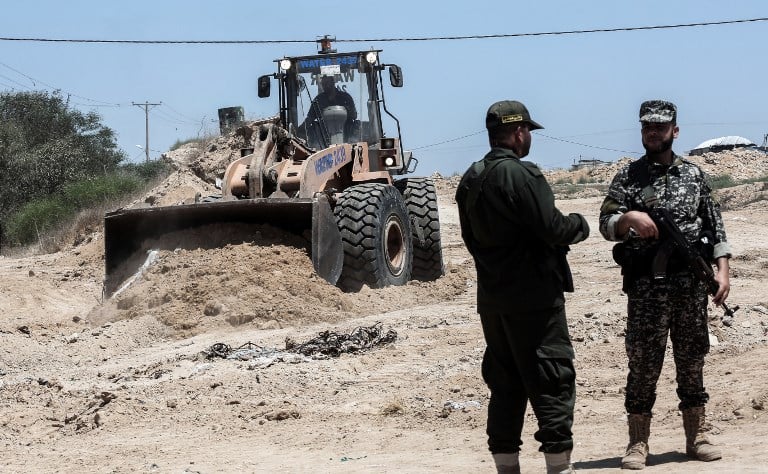
This week, Hamas, for the umpteenth time, declared a buffer zone on the Gaza-Sinai border. According to Hamas, no one is allowed to be located about half a kilometer from the border, frustrating tunnel-digging efforts.
The head of the Hamas political bureau in Gaza, Yahya Sinwar, who is considered the most extreme of the extremists of the terrorist organization, is demonstrating exceptional leadership and is showing restraint.
He, like Hamas interior minister Fathi Hamad, prefers that conflict zones be created in the West Bank, where the Palestinian Authority is in control, to buffer Hamas’s rule in Gaza from any possible existential danger.
Hamad, Sinwar, and others understand that their situation in Gaza is complicated, and they need to navigate a maze of external threats and internal challenges, like a faltering economy and the possibility of waning popularity, to stay in power.
The organization promised the residents of the Gaza Strip during the 2014 war with Israel that their situation would improve, but it has been unable to fulfill its commitments. According to data from the Palestinian Bureau of Statistics, the unemployment rate in Gaza is about 67% between the ages of 20 and 24 (compared to 30% in the West Bank). This is a frightening statistic for Hamas, showing only one of three young men in Gaza gainfully employed.
Hamas is sitting on a time bomb and, short of a dramatic turnaround, may have to choose between being eaten alive by its own unhappy constituents and embarking on yet another military adventure against Israel.