Russia said helping Iran develop supersonic cruise missiles
Russian engineers have made multiple visits to Islamic Republic for project making ramjet engine needed to build high-speed anti-ship and land attack weapon, Financial Times reports
Russia has been helping Iran develop supersonic cruise missiles, an advanced weapon that is harder to defend against than subsonic variants, the Financial Times reported Tuesday.
According to the newspaper, the development program began in 2023 and, if successful, would give Tehran a significantly greater ability to attack US aircraft carriers and other vessels in the Middle East.
The FT said its investigation was based on Russian correspondence, travel records and military patents, and described the program as “one of the most significant known transfers of strategic military technology from Moscow to Tehran.”
The project, codenamed “C430L,” was organized by Rosoboronexport, Russia’s state arms exporter, and also involved NPO Mashinostroyenia, a rocket design organization that is under US sanctions.
Documents show that officials from both organizations traveled multiple times to Iran before the C430L project was formalized in November 2023, the FT reported.
The program continued into 2026, with June correspondence showing discussions on the next stage, though it is not clear if that has begun, the report said. Work was still happening when Iran came under attack from a joint US-Israel campaign this year. The war is still ongoing, though it has become focused on a US-Iran standoff over control of the vital Strait of Hormuz, which Iran has tried to choke off by attacking shipping.
The development program is reportedly focused on a ramjet propulsion system that would allow a cruise missile to fly at multiple times the speed of sound. Military experts assessed that the weapon would most likely be used to hit ships and some land targets.
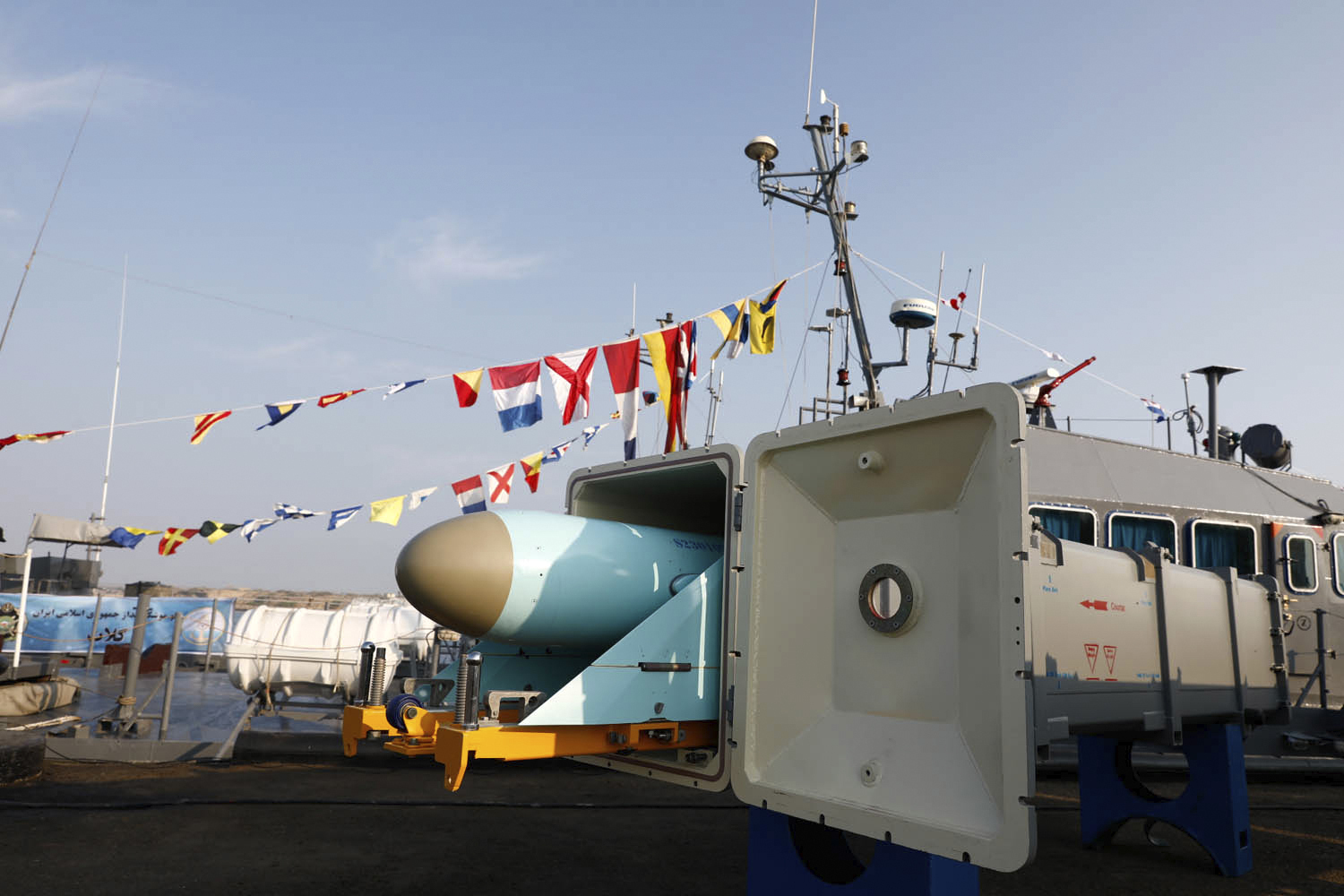
Some of Russia’s top experts in the field were involved in the Iranian program, the FT said, and its engineers analyzed data from an Iranian ramjet engine system.
The report said that Iran built and tested the system, but there is no evidence that a supersonic cruise missile using the technology has been deployed.
“This is the transfer of a highly strategically sensitive military technology from Russia that the Iranians have wanted to acquire for decades,” Fabian Hinz, an expert on Iranian missiles and senior analyst with Conflict Armament Research, told the newspaper. “A program like this would require political clearance from the very top in Russia.”
Jim Lamson, a former Iran-focused military analyst with the CIA now at the James Martin Center for Nonproliferation Studies, added: “If the Russians are able to help the Iranians fix their technical problems, I think this would be one of the more impactful areas of Russian military-technical assistance to Iran in recent years.”
The Kremlin, Rosoboronexport and NPO Mashinostroyenia did not respond with comment to the FT.
Russia and Iran have long enjoyed close ties, and in January 2025, the two countries signed a strategic partnership agreement to further improve cooperation, including military and defense partnerships.
Prior to that, Iran had already been providing Russia with its home-produced Shahed attack drones that have been widely deployed against Ukraine, and Russia now manufactures its own version of the drones.
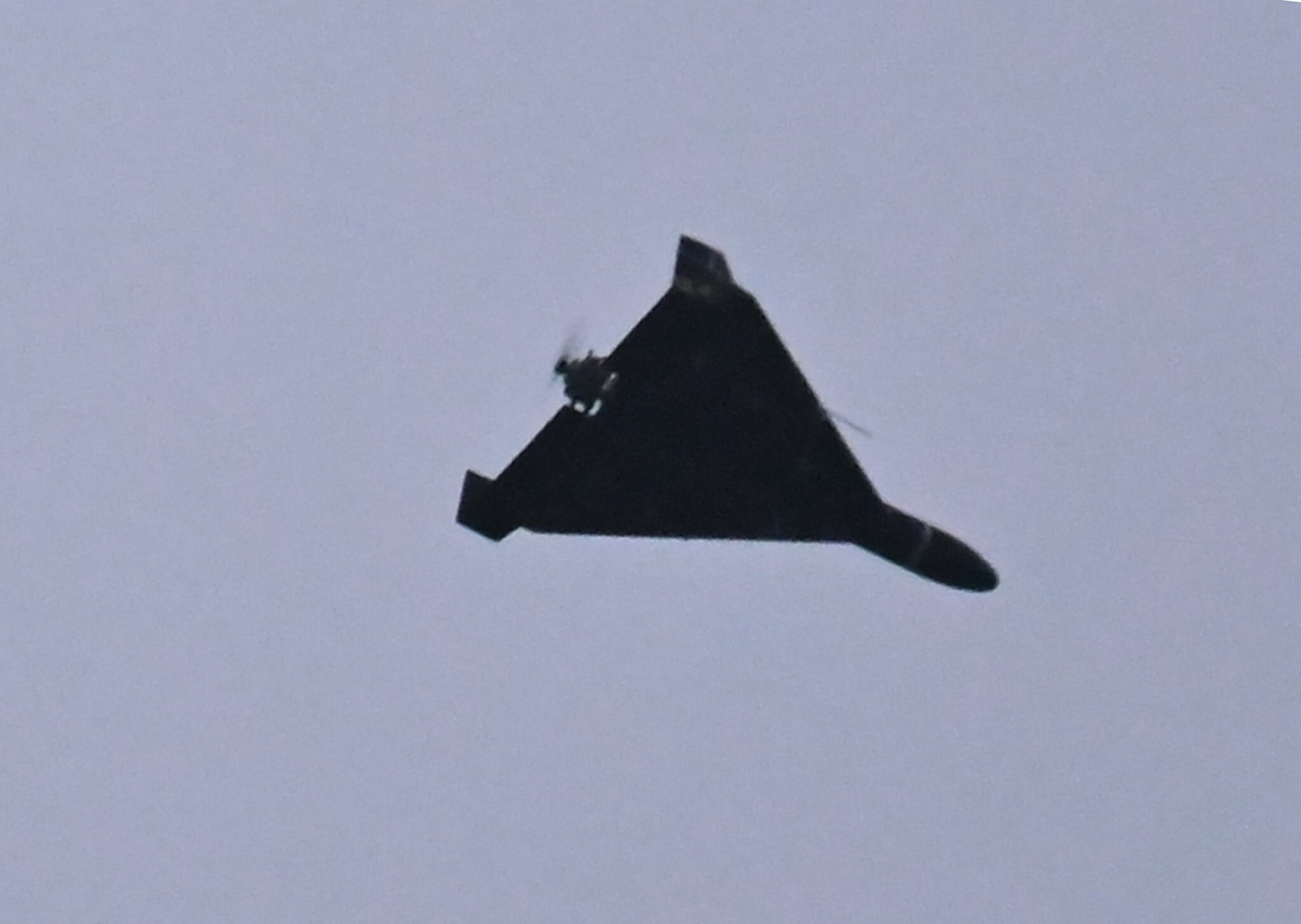
In April, Ukrainian intelligence accused Russia of supplying the Iranians with detailed imagery surveys of military facilities and critical sites across the Middle East to help Iran strike US forces and other targets, including critical infrastructure in Israel, amid the ongoing war.
Last year, the FT reported that Iranian scientists with ties to the regime had made a secret trip late last year to Russia, where they met with military experts and may have sought to advance nuclear weapons work.