Sanders drubs Clinton out west, but makes little headway
Democratic candidate takes Utah and Idaho in landslide; Cruz snags Utah, but results likely to do little to change contours of races
WASHINGTON — Bernie Sanders soundly defeated Hillary Clinton in contests in Utah and Idaho late Tuesday, bringing his campaign a much-needed boost, but doing little to disrupt Clinton’s path to the party’s presidential nomination.
Among Republicans, Ted Cruz also managed to snag Utah, notching a much-expected victory, but doing little to gain on rival Donald Trump, who won the much larger Arizona along with Clinton.
US networks projected Sanders was headed to a comprehensive victory in the western states.
In Idaho, Sanders lassoed 78 percent of voters to Clinton’s 22%
In Utah’s caucus he led his rival by a whopping 50 percentage points in early results.
While the pair of victories kept Clinton from dominating another election night, they did little to improve Sanders’s overall standing in the race for delegates.
In Utah, Sanders will pick up at least 18 of the state’s 33 delegates.
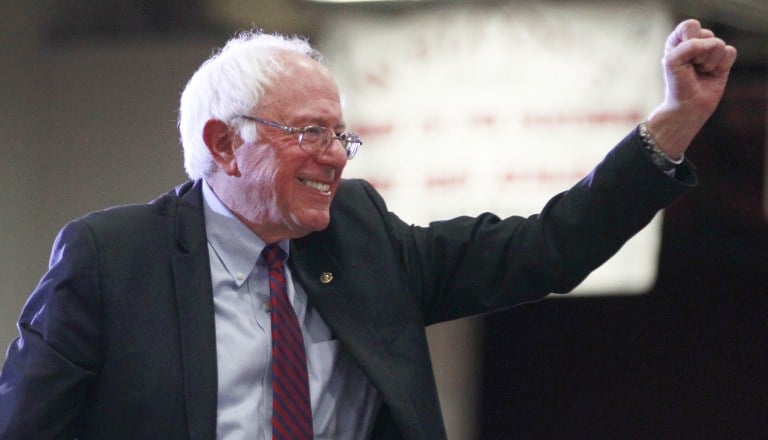
With 23 delegates at stake in Idaho, Sanders stands to gain at least 17. Clinton will receive at least 5 in each state.
Earlier in the evening Clinton defeated Sanders in Arizona, a larger state with more delegates at stake, and Trump galloped to victory over Cruz and Ohio Governor John Kasich.
For the evening, Sanders stands to win at least 55 delegates to Clinton’s 51. About two dozen delegates remain to be allocated pending final vote totals.
Sanders praised the “tremendous” voter turnout, saying in a statement that “these decisive victories in Idaho and Utah give me confidence that we will continue to win major victories in the coming contests.”
Clinton now has a total delegate lead of 1,214 to Sanders’ 899 to date, based on primaries and caucuses.
When including superdelegates, Clinton has at least 1,681 to Sanders’ 925. It takes 2,383 to win.

The former secretary of state is coming off last week’s five-state sweep of Sanders, who remains popular among his party’s most liberal voters but needs to improve his performance if he expects to stay relevant.
The Vermont senator had targeted Tuesday’s races as the start of a comeback tour.
The voting gave candidates on both sides another opportunity to pile up delegates on the way to the party nominating conventions, but it did not dramatically alter the basic outlines of the race.
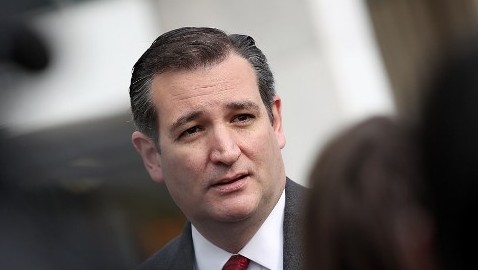
Trump corralled all 58 delegates at stake in winner-take-all Arizona, where he left Cruz and Kasich in his wake, and amid controversy over very long lines at polling stations.
“Much bigger win than anticipated in Arizona. Thank you, I will never forget!” Trump posted on Twitter.
But Cruz bounced back and collected all 40 delegates in neighboring Utah, where Kasich came in second.
Republican presidential front-runner Donald Trump also found victory in Arizona.
His victory gives him the all of the state’s 58 delegates, a setback for his underdog challengers, who are running out of time to prevent him from securing the delegates needed to claim the nomination. On the Democratic side, Arizona’s delegates are awarded proportionally.
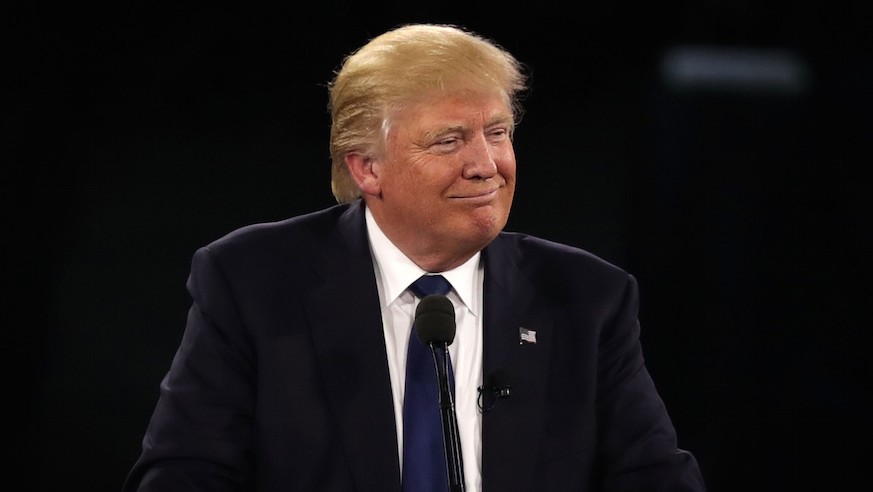
Arizona has long been roiled by passions over immigration, an issue Trump has seized on since launching his campaign with inflammatory accusations that Mexico was sending rapists and other criminals across the border and his promise to build a border wall.
The dynamics are different in neighboring Utah, a predominantly Mormon state where polling showed strong opposition to Trump.
Analysts note that Mormons have voted consistently against Trump elsewhere. The Church of Jesus Christ of Latter-day Saints, breaking with the view of many Republicans, has supported immigration reform.
Republicans were also holding caucuses in the Pacific territory of American Samoa Tuesday.
The next contests are the Democratic votes Saturday in Alaska, Hawaii and Washington state, and primaries for both parties in Wisconsin on April 5.
Overall, Trump has accumulated 739 delegates, Cruz has 465 and Kasich 143. It takes 1,237 delegates to win the GOP nomination.
Times of Israel staff contributed to this report.