Saudi Arabia strikes oil facility in Yemen capital Sanaa as Houthis up threats
Footage shows major oil fire on outskirts of rebel-held capital, addition strikes within city; Iran-backed group calls for evacuation of Riyadh airport, Aramco facilities
Saudi Arabia carried out new airstrikes Tuesday on the Houthi rebel-held Yemeni capital of Sanaa, the Houthis said, after the Saudi-led coalition warned civilians to stay away from an oil depot on the city outskirts, part of a rapidly escalating war between the sides.
Witnesses in Sanaa reported hearing explosions, and the Houthi-run Al-Masirah TV channel said “Saudi aggression targets the oil company in Al-Sabaha, west of Sanaa.”
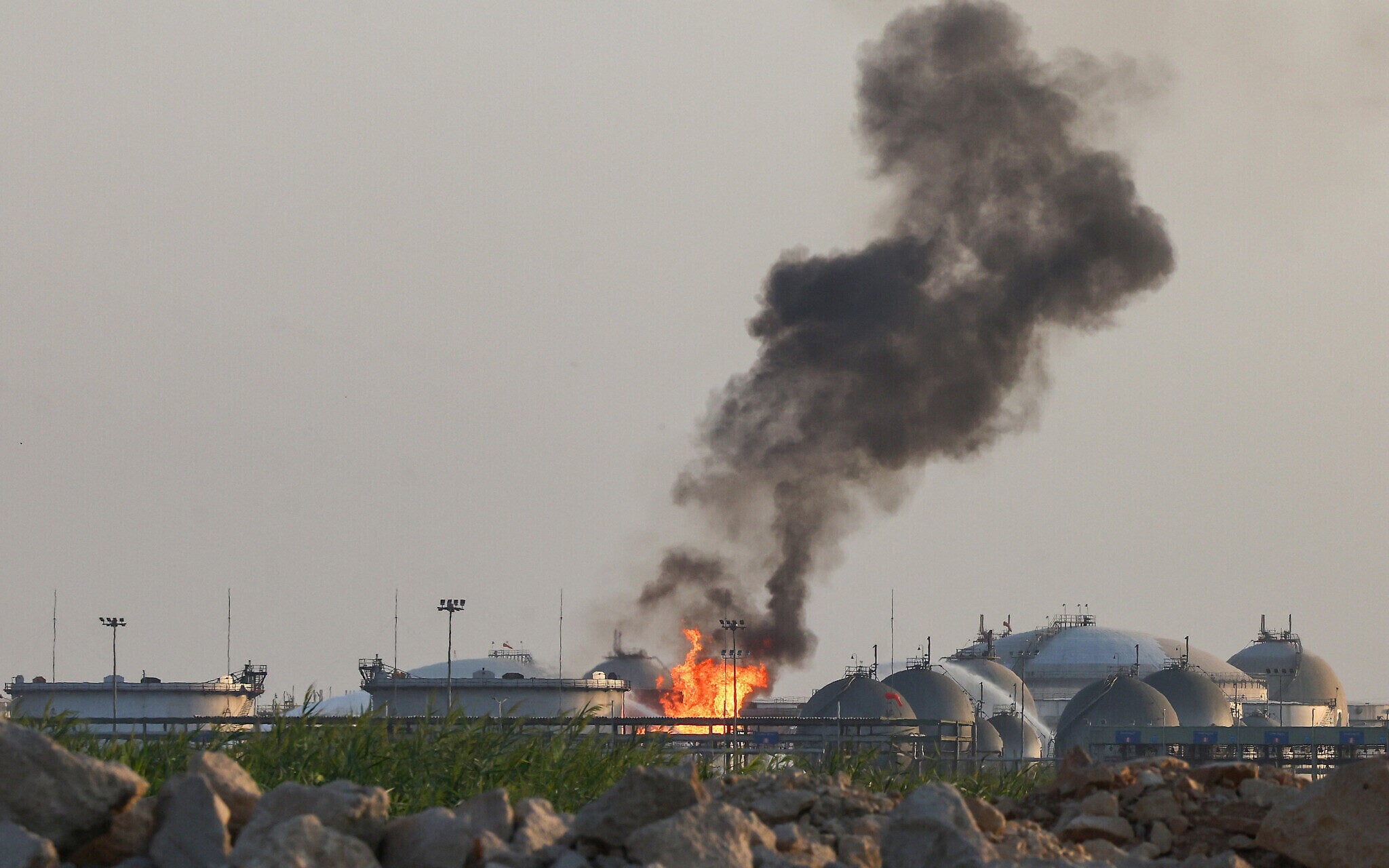
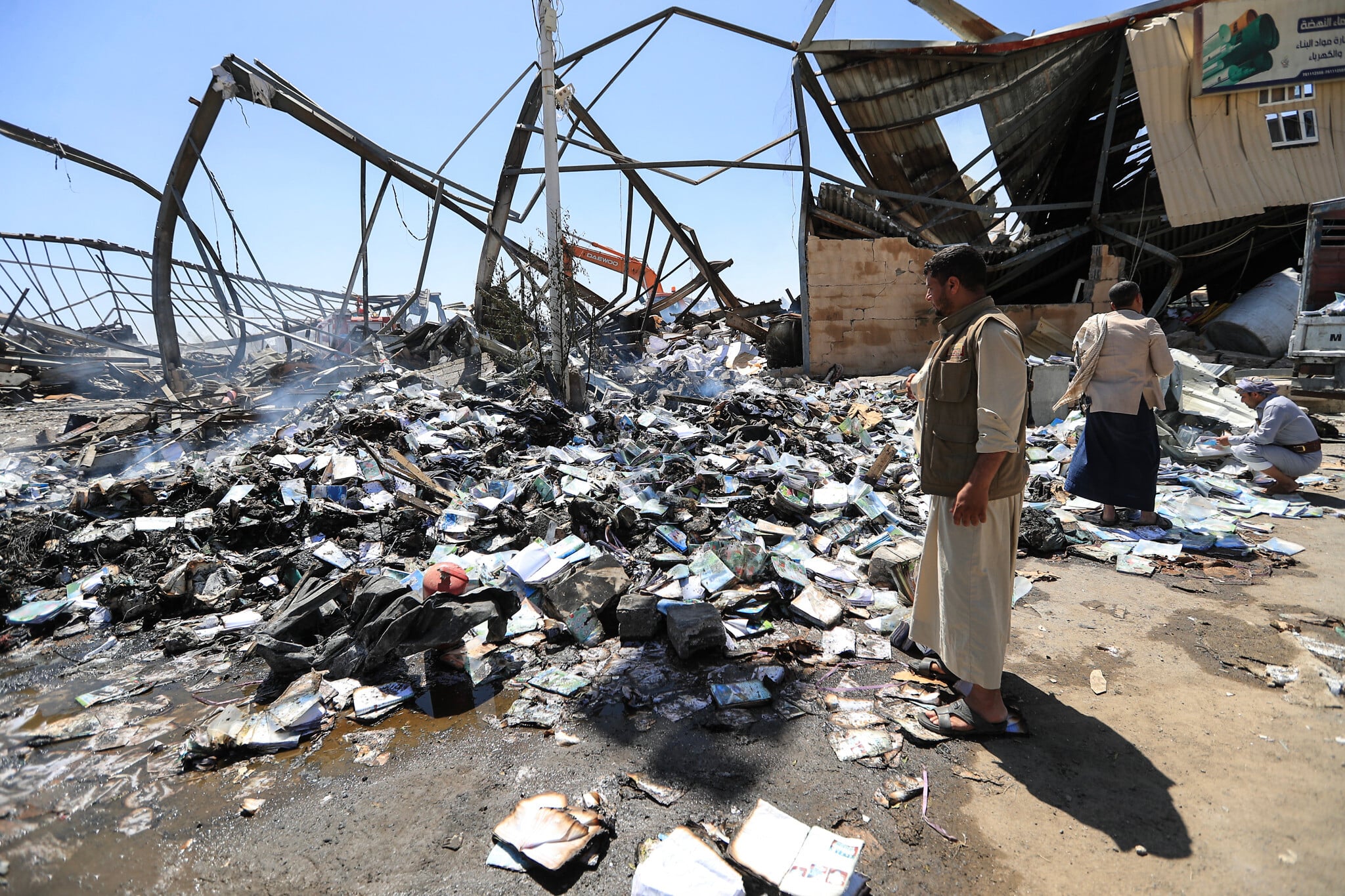
Footage posted to social media showed a large oil fire burning in al-Subaha, just outside the capital. Other footage showed the aftermath of several smaller strikes within Sanaa.
The Saudi-led coalition confirmed later Tuesday it had targeted a Yemeni oil company facility in Sanaa and two sites in other provinces, hours after urging civilians to evacuate the area of the strike in the Houthi-held capital.
Coalition spokesman Turki al-Maliki said on X that the facilities, including those in Saada and Dhamar provinces in western Yemen, were used to “supply the war effort” by the Houthis to “threaten the kingdom, Yemen, the southern Red Sea and waterways.”
The strikes came as Saudi Arabia was reportedly scrambling to determine how its air defenses failed to intercept a barrage of missiles and drones fired by the Houthis, including an attack on Riyadh’s international airport on Saturday that killed at least 13 people and wounded over 300.
Saudi Arabia launched airstrikes on oil facilities in Houthi-controlled areas of Yemen, hitting a petroleum station in Sanaa, storage tanks at Ras Isa port and another site in Hodeidah governorate’s Bajil district. pic.twitter.com/VqoQLjsXlR
— Iran International English (@IranIntl_En) October 13, 2026
Swiftly responding to the earlier coalition warning, the Houthis had issued a threat to target Riyadh’s international airport, a refinery, and an Aramco facility in Dammam if the strike went ahead.
“The Yemeni Armed Forces urge all citizens to immediately evacuate and move away from targets that our forces will strike should the Saudi enemy target,” military spokesman Yahya Saree wrote on X, identifying the three targets.
Earlier Tuesday, the Houthis renewed their warning against using Saudi airspace, Houthi-controlled media reported. Several airlines have suspended service to the kingdom because of the Houthi attacks on airports.
In a statement published by the Houthi-controlled SABA news agency, the Houthi-run foreign ministry referred to Saudi Arabia as the “Kingdom of the Horn of Satan” and said the kingdom “must realize that security, stability, and sovereignty must belong to everyone; otherwise, no one will enjoy them.”
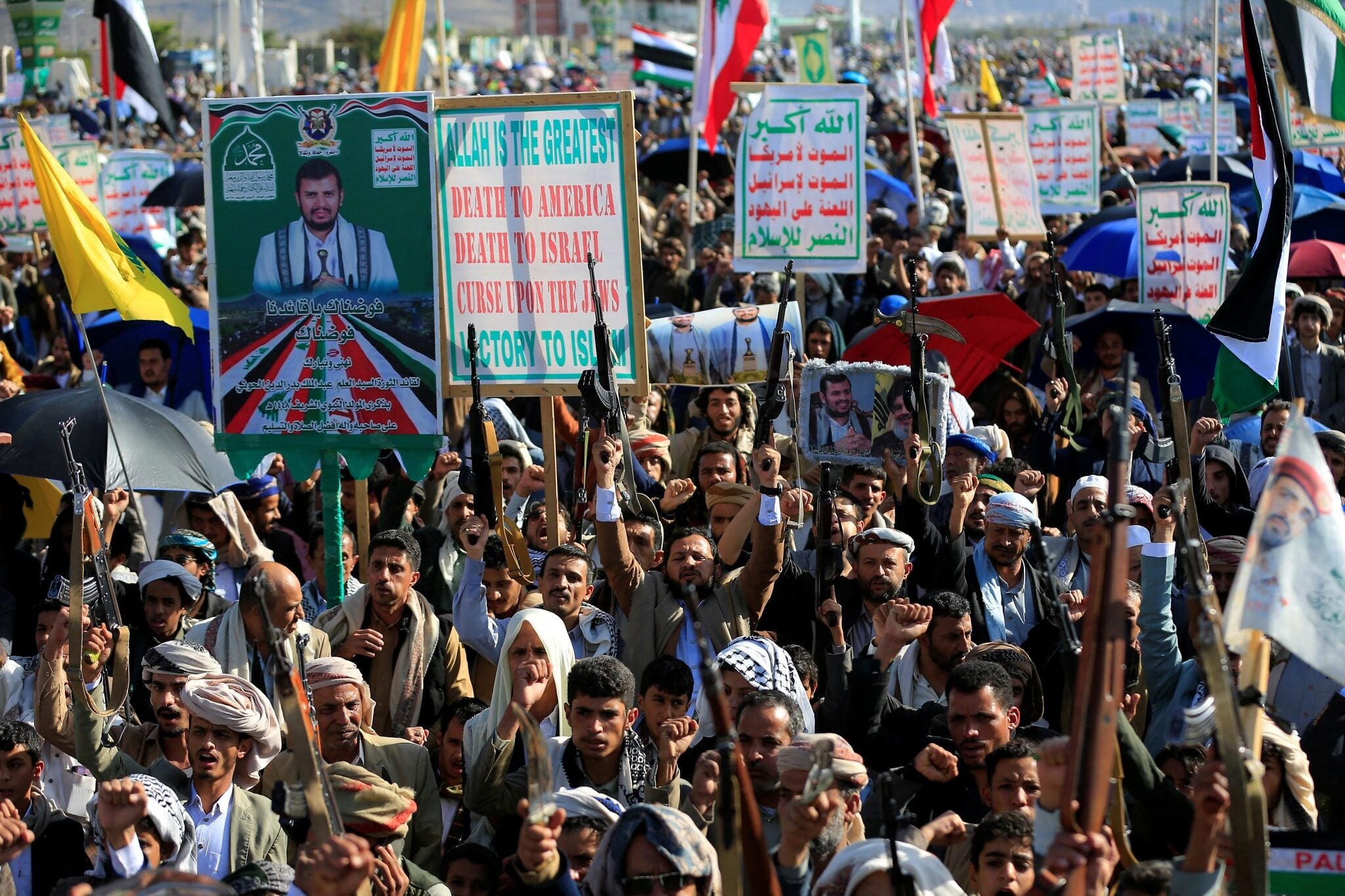
Saudi Arabia was still weathering fresh attacks on Tuesday, with the coalition saying its forces intercepted three drones north of the kingdom’s capital Riyadh.
Blasts were heard over the Saudi capital again late Monday, with the Saudi coalition saying it intercepted a Houthi missile and the group announcing it had again targeted the airport.
Saudi leaders vow consequences for Houthi attacks
The Saudi cabinet, chaired by de facto ruler Crown Prince Mohammed bin Salman, issued a statement saying the Houthis would face consequences for their repeated attacks on the kingdom.
The cabinet said in a statement carried by the official SPA press agency that the kingdom “will not allow its security or freedom of navigation in the Red Sea and Bab el-Mandeb Strait to be threatened.”
It added that the Iran-backed Houthis “will face the consequences of their crimes and repeated attacks” on Saudi airports, holy cities and economic facilities, following several deadly strikes on the kingdom.
Many countries have issued travel warnings to their citizens in Saudi Arabia, most recently France, which told its citizens to avoid the airports in Riyadh, Jeddah and Dammam on Tuesday.
The latest conflict between the Saudis and the Houthis began last month after the rebels seized key areas along the Bab el-Mandeb Strait, a critical waterway for the transport of Gulf oil and other goods at the southern end of the Red Sea off Yemen.
The Saudi-led coalition, backing forces aligned with Yemen’s internationally recognized government, has been trying to retake them.
Saudi Arabia has been seeking wider support from allies for its campaign against the Houthis and to help it ward off their missile and drone attacks.
Turkish President Tayyip Erdogan told bin Salman on Tuesday that Ankara would stand by the kingdom, the Turkish presidency said, but without giving details on any specific new line of support. Turkey and Pakistan signed a mutual defense pact with Saudi Arabia this summer, though Turkey still needs to ratify the treaty in parliament.
Meanwhile, Egyptian Foreign Minister Badr Abdelatty called for the Houthis to immediately halt attacks on Saudi Arabia.
“There is no justification for these attacks, and they cannot be accepted,” Abdelatty told Iran’s Foreign Minister Abbas Araghchi in a phone call Tuesday.
Abdelatty also called for prioritizing diplomacy and a political solution to the conflict between Iran and the United States to avert “further escalation and instability” in the region, according to the Egyptian readout of the call.