Scientists find 1,537 defects in Dimona reactor’s core — report
Aging nuclear facility still operationally sound and presents no immediate threat, but experts warn no long-term solution in place
Breakthrough ultrasound testing has revealed 1,537 defects and flaws at the aluminum core in Israel’s nuclear facility situated near the southern city of Dimona.
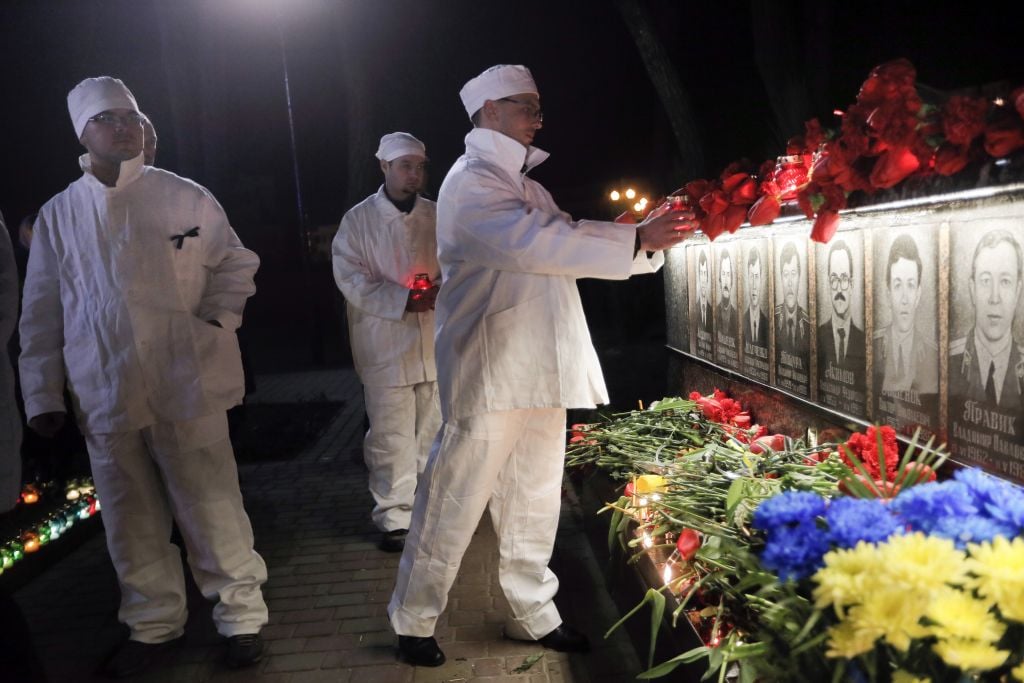
Scientists who studied the 53-year-old nuclear reactor last year said that, for now, the defects don’t pose any immediate danger. The findings were released during a scientific forum held in Tel Aviv this month, Haaretz reported Tuesday, the 30th anniversary of the Chernobyl nuclear disaster.
The most pressing issue discussed in the forum was safety concerns pertaining to the stability of the core, although scientists declared that there was no immediate threat and that the high levels of scrutiny were mainly due to a “strict supervisory attitude.”
Other topics discussed at the forum were employee safety, protection of the core against missiles, and reinforcement of the facility against earthquakes.
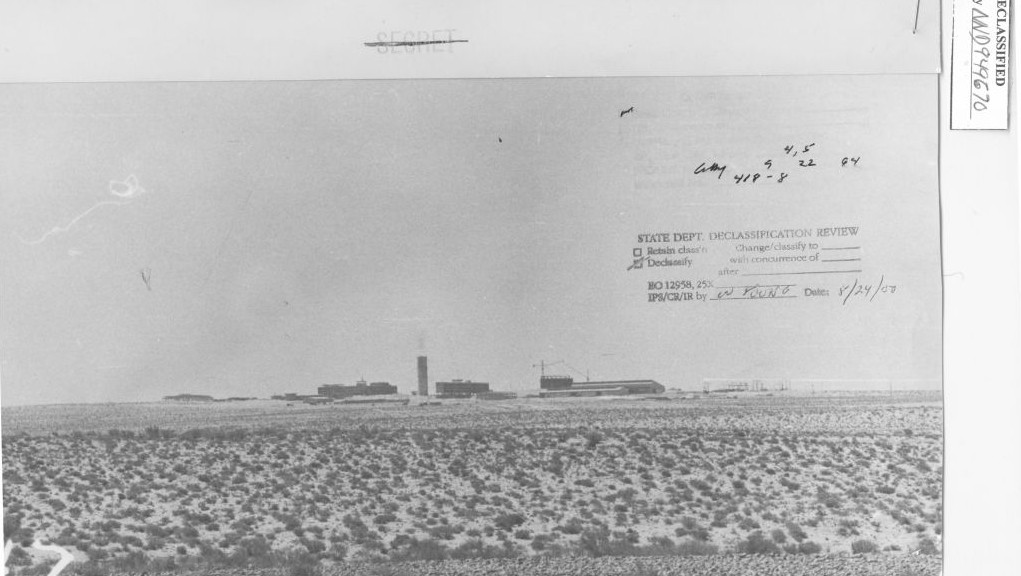
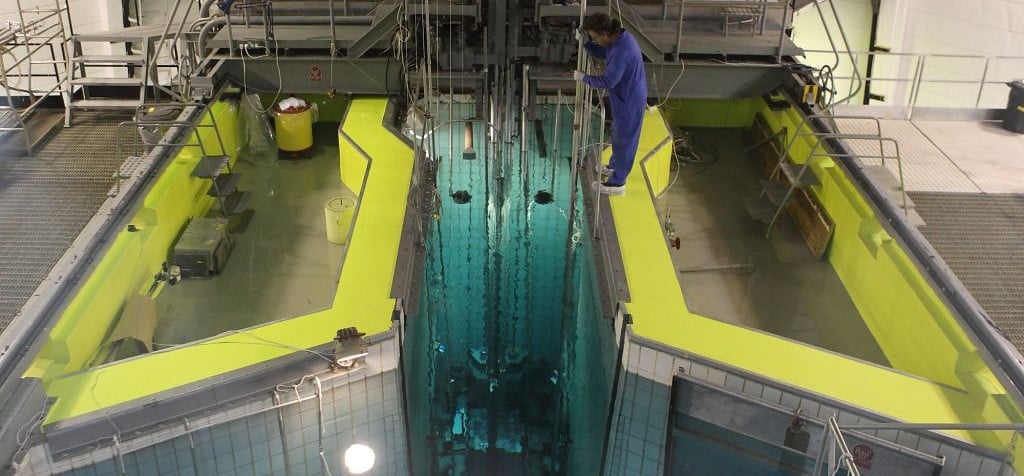
The core’s reactor is made of cement-coated metal. The fuel rods are inserted into the core, where nuclear fusion takes place.
Over the years, the core absorbs tremendous amounts of heat and radiation, which slowly cause a degeneration of its materials.
The Dimona core, which was provided by France in the 1950s and put into action in 1963, was intended to be operational for up to 40 years. But it has exceeded the intended time frame by over a decade, to the consternation of scientists at the site, the paper said.
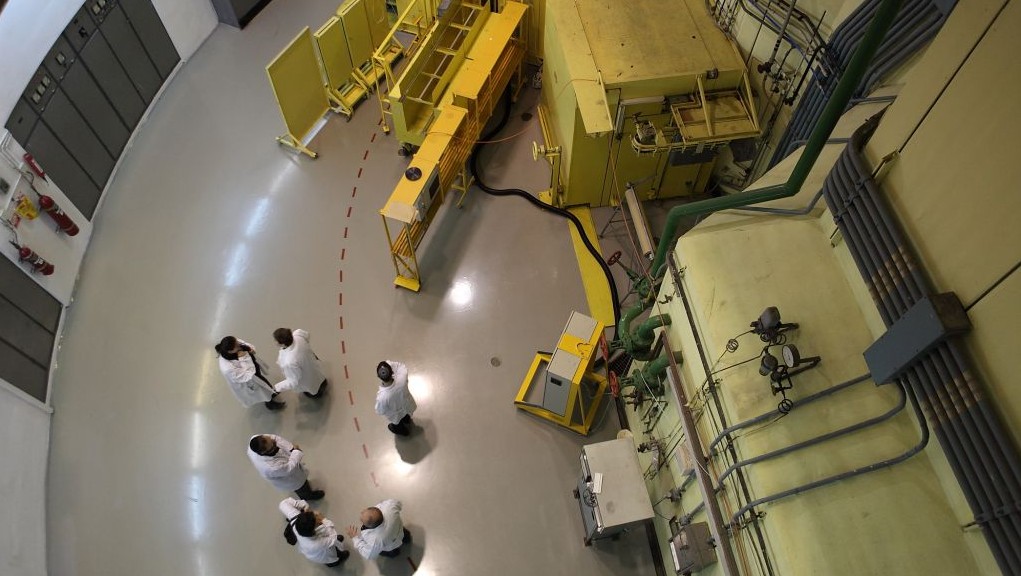
When US diplomatic cables were leaked to the public as part of the WikiLeaks scandal, a telegram by the US Embassy revealed that in 2007 Prof. Eli Abramov, then deputy director general of the reactor, briefed senior Americans and told them the reactor’s systems were being changed.
But, according to Abramov, the core cannot be replaced as a solitary unit, and so a whole new facility must be built in order to accommodate a new one.
Israel is one of four UN member states which have never signed the Treaty on the Non-Proliferation of Nuclear Weapons — the three others being South Sudan, Pakistan and India — and is therefore not subject to the International Atomic Energy Agency’s rules and regulations.
Nevertheless, Israel has opted to voluntarily follow the IAEA’s safety regulations, according to the report. An independent commission monitoring the reactor reports directly to the prime minister.
Only once has the commission revoked the operating license of a reactor for safety issues, according to Haaretz.
In light of the delicate state of the nuclear core, the reactor is not operated as often as it used to be, the report said.