Security hurdles slow airlines’ effort to bring stranded Israelis home from Dubai
Air bridge is delayed as heightened security demands following the flydubai terror attack force checked luggage onto separate planes from passenger flights
While Israel’s three carriers began repatriation flights from Dubai over the weekend, delays tied to security preparations and baggage handling have left hundreds of Israelis waiting to return from the United Arab Emirates.
After Wednesday’s attempted terror attack by an Omani copilot aboard a flydubai flight en route to Ben Gurion Airport, the Dubai-based carrier canceled all services to Tel Aviv pending an ongoing investigation into the incident. At the request of authorities, flydubai temporarily suspended operations to Tel Aviv at least through October 14, the airline said.
The suspension leaves an estimated 10,000 Israelis stranded in Dubai and at other destinations from which they had been scheduled to return via the UAE. Each day of flight suspensions affects at least 1,700 Israelis stuck, as flydubai operated 10 daily flights between Tel Aviv and Dubai.
In coordination with the Shin Bet security agency, Israeli airlines were preparing to operate flights from the emirate to Tel Aviv from Friday morning. The relatively short 3.5-hour Dubai-Tel Aviv route was meant to enable an air bridge with multiple rotations, but security requirements slowed the effort. The Shin Bet was not available for comment.
On Friday, flights by Israel’s flagship carrier El Al from Dubai to Tel Aviv, meant to bring Israelis home, had to be canceled amid UAE landing-permit delays and luggage-related security requirements imposed by Israeli authorities. After getting clearance on Friday night, local carriers Arkia and Israir were permitted to operate two flights from Dubai, which landed with delays early Saturday in Tel Aviv. The flights departed after demands were met that passengers’ checked luggage be transported on separate planes from the passenger flights operated by Israeli airlines.
El Al’s first flight from Dubai to Tel Aviv arrived overnight, while Arkia and Israir continued repatriation flights through Sunday. Israir said a total of five flights were operated on the Dubai-Tel Aviv route, including one carrying only luggage with no passengers and a cargo aircraft. Arkia said it returned more than 500 Israeli passengers to Tel Aviv to date. In the coming days, the carrier plans to operate one daily flight from Dubai to Tel Aviv through October 12, except for Saturday, October 10, when two flights are scheduled.
“The whole hysteria of immediately stopping all flydubai flights is mostly political, as once the problem of the failure is known, it can be addressed with enhanced security requirements,” Joseph Fischer, an aviation and tourism expert, told The Times of Israel. “The luggage is more complicated and is an issue for security reasons for Israeli airlines, as they don’t have a security system in place.”
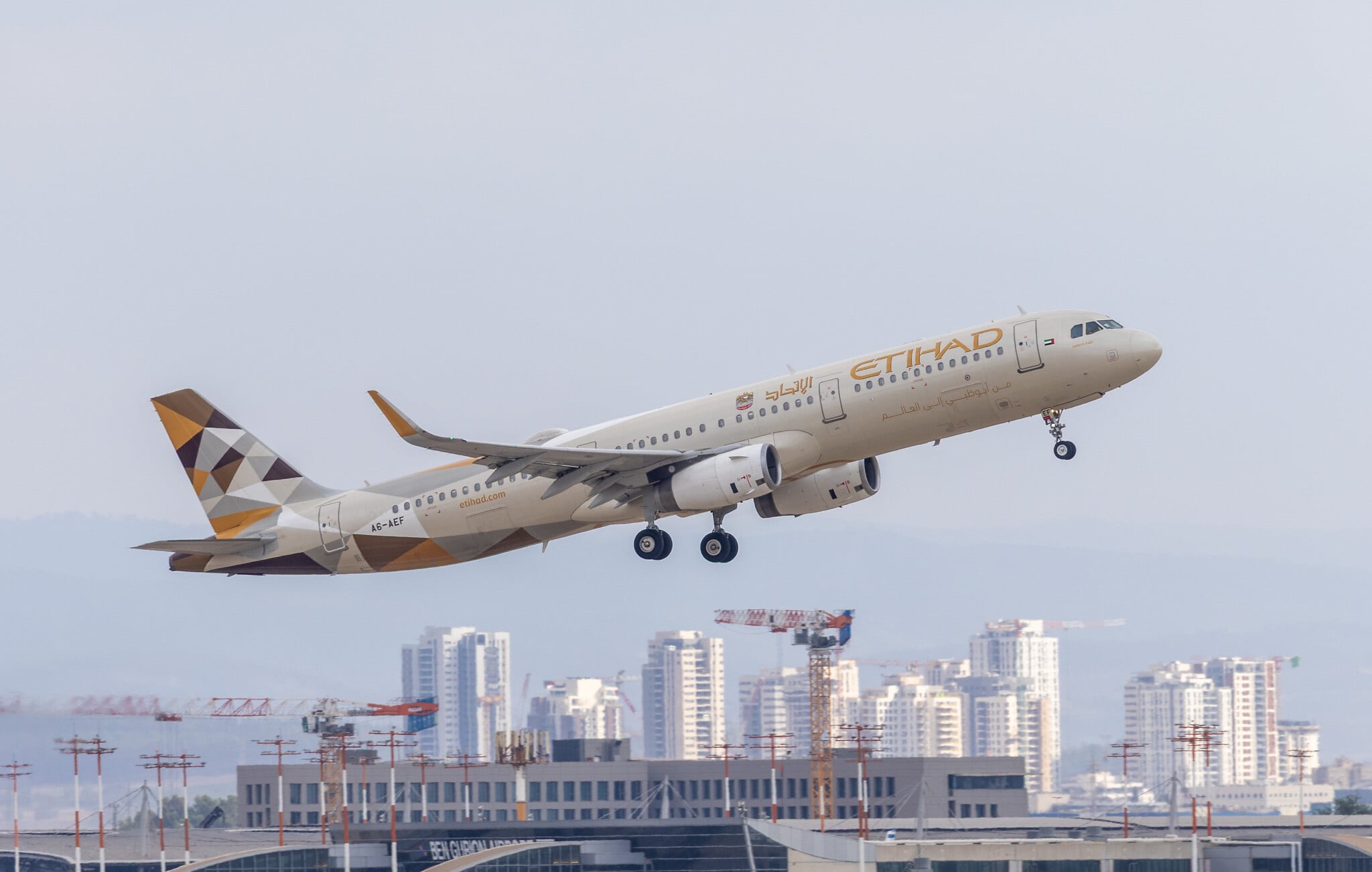
Meanwhile, UAE’s Etihad Airways added two flights on the Tel Aviv-Abu Dhabi route over the weekend and now operates a total of eight daily flights between the two cities with the aim of helping Israeli passengers return.
“Abu Dhabi is just another Emirate,” said Fischer. “How is it that, barely an hour’s drive from Dubai, Israeli passengers are allowed to fly to Tel Aviv on Etihad from Abu Dhabi, while at Dubai’s airport all flydubai flights were canceled and the airline was barred?”