Shifts roll uphill
As some tycoons fall and an anti-Iran royal son rises, the press sees changes afoot, mostly for the better
Corruption, intrigue and power struggles are normally thought of as the domain of those at the top of the political echelon, while the peons and peasants are too busy selling shoes and mending bones broken from wagon accidents to get into all that scuttlebutt.
But the fallacy of that vision is laid bare in Israeli papers Thursday morning, with tycoons in trouble and a health system power struggle in a hospital cancer ward taking center stage, even pushing the arrival of top Trump surrogate Jared Kushner and Saudi Arabia’s palace intrigue off front pages.
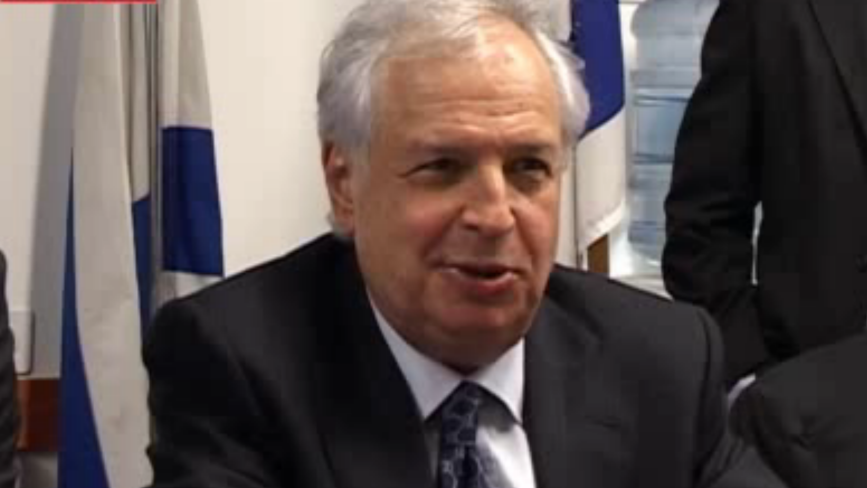
Haraetz leads off with a straight news headline reporting that Shaul Elovitch is suspected of fraud and has been booted from Bezeq, the country’s largest telecom, while the CEO of the Yes satellite provider was put under house arrest, over suspicions that the two were involved in some financial hanky panky.
“According to the suspicion, Bezeq bought out Elovitch’s share of Yes at an inflated price — meaning the company made its interests subservient to Elovitch’s, with the shareholders from the general public picking up the tab,” the paper reports.
Commentator Ido Baum notes that even if the case ends up without charges or a conviction, “it managed to bring the issue of these deals of public interest into the public eye,” in a piece headlined “Elovitch’s Teflon cracks.”
A more colorful Israel Hayom packages the case with news of businessman Eliezer Fishman being declared bankrupt and the setting up of a parliamentary committee to examine “haircuts,” or investors only paying back parts of loans, under the front page headline “Troubles of the tycoons.” The paper calls the Fishman declaration “historic” and columnist Hezi Sternlicht repeats the same mantra from every time a powerful person gets caught doing bad things.
“This was a complicated, not simple, unhappy day. But in many ways it symbolized the end of the era of haircuts. There’s a message here that things are coming out into the open, being investigated and seeing the light of day,” he writes.
Yedioth leads off with the hospital hubbub over a crisis at Hadassah Ein Kerem’s pediatric cancer ward, where doctors are leaving and management and ministry officials are waging a war to get them to stay. The tabloid’s front page features a caricature of arms in a suit and a doctor’s coat wrestling, under the headline “Power games,” with much of the coverage following up on its blockbuster expose the day before claiming to show that the doctors never intended to negotiate and are involved in a “putsch” being orchestrated by the head of another hospital, at the expense of the sick kids.
The paper reports that the expose brought the level of distrust between the sides to a “new high,” and for some reason runs columns by children of the two main players: Dr. Mickey Weintraub, who is leading the defecting doctors, and Zeev Rothstein, who heads Hadassah hospital. While the two both decry witch hunts against their parents, the similarities end there.
Defending her dad, Dr. Yael Weintraub claims that her father and other had to leave because of the dangerous way the ward was being run, accusing the hospital of putting financial considerations before the welfare of patients. “They were ready to treat the kids in an improper and dangerous way, and to threaten nurses and doctors so they wouldn’t tell the parents,” she writes.
Meanwhile, Asaf Rothstein claims that his father is “the only one” who can run the hospital and solve the crisis.
Coincidentally, the theme of fathers and sons (and fathers giving their sons sweetheart jobs) also somewhat runs through the other main stories covered in the papers. (Unfortunately for the organizers of a large rally for parents who lost their children in the kidnapped Yemenite kids affair, their demonstration gets almost no real estate.)
There’s little chance Jared Kushner would have ever found himself conducting diplomatic negotiations if not for his father-in-law Donald Trump becoming US president, but here was in Jerusalem Wednesday, with a picture of the baby-faced negotiator and Netanyahu having a chat on the front page of Haaretz.
With Kushner as tight-lipped as his dad-in-law isn’t, there isn’t much interesting to report on, though Israel Hayom links the meeting Kushner had with Netanyahu to its exclusive report on plans for 7,000 new homes in East Jerusalem.
Just as tight-lipped but the source of much more punditry was Saudi King Salman’s decision to make his son Mohammed crown prince, pushing out a well-known anti-terror figure. Still given Mohammed bin Salman’s known anti-Iran attitude, the move is seen as auguring well for Jerusalem.
“Mohammed bin Salman has been good news for Israel and the United States, as his firm anti-Iranian positions make him an important partner – and not only in the struggle against Iran. Bin Salman agrees with America on the need to thwart Russian influence in the region; to topple President Bashar Assad’s regime in Syria; and to act firmly against ISIS and other radical organizations, from the Muslim Brotherhood to Hezbollah,” Zvi Bar’el writes in Haaretz. “During the last two years, several Arab websites have reported that bin Salman also met with top Israelis.”
In Israel Hayom, Yaakov Amidror also praises the move, but just because the reformer taking power will be good for Riyadh.
“It is clear to Saudi Arabia that it cannot lead the Sunni Arab world on its own and needs to cooperate with other countries,” he notes. “It appears that the new heir to the throne gets along well with the leader of the United Arab Emirates, and they have already consulted with each other on taking action in the war in Yemen, as well as on the decision to boycott Qatar.