Shin Bet chief said to warn Iran could meddle in Israeli election, target candidates
Senior Likud MK Bismuth cites 'substantial fear' that officials, candidates will be physically harmed, also slams judge who heads elections committee chair, seated next to him
Senior Israeli officials are reportedly warning that Iran is trying to interfere in Israel’s upcoming election and may seek to harm officials and candidates.
In a meeting with top officials, Shin Bet director David Zini cautioned that Iran and other countries are attempting to meddle in and undermine the vote, Channel 13 reported on Monday. The report did not say how those efforts were manifesting, but sources who took part in the meeting told the network that the Shin Bet chief looked “very disturbed” by the threat.
Meanwhile, senior political, security and professional officials voiced alarm on Monday about those potential Iranian efforts, including the possible targeting of candidates and public officials.
At a classified meeting of the Knesset Subcommittee for Intelligence and Secret Services, committee chairman Boaz Bismuth said the election season “will be a central target for enemies of Israel, and there is a substantial fear that elected officials and candidates will be physically harmed.”
“Iran understands it can’t defeat us on the battlefield, so they will try to harm us from within, to foment civil war, to deepen the rift in Israeli society and to turn the election into another front,” Bismuth, a Likud lawmaker, was said to have added.
During a public portion of the normally classified subcommittee, Bismuth also appeared to draw a comparison between potential Iranian interference and Israel’s judiciary system.
Bismuth organized the public portion of the meeting and invited camera teams.
“We won’t enable harm to the voters’ will, neither external nor internal. Not via Iranian bots, not via millions funneled by foreign funds and organizations, and not via a bureaucrat who seeks to put their judgment above the voters’ choice,” he said.
The latter part was a reference to the government’s judicial overhaul agenda, seeking to curb the powers of what many right-wingers view as an overreaching judiciary but which others view as vital democratic checks and balances.
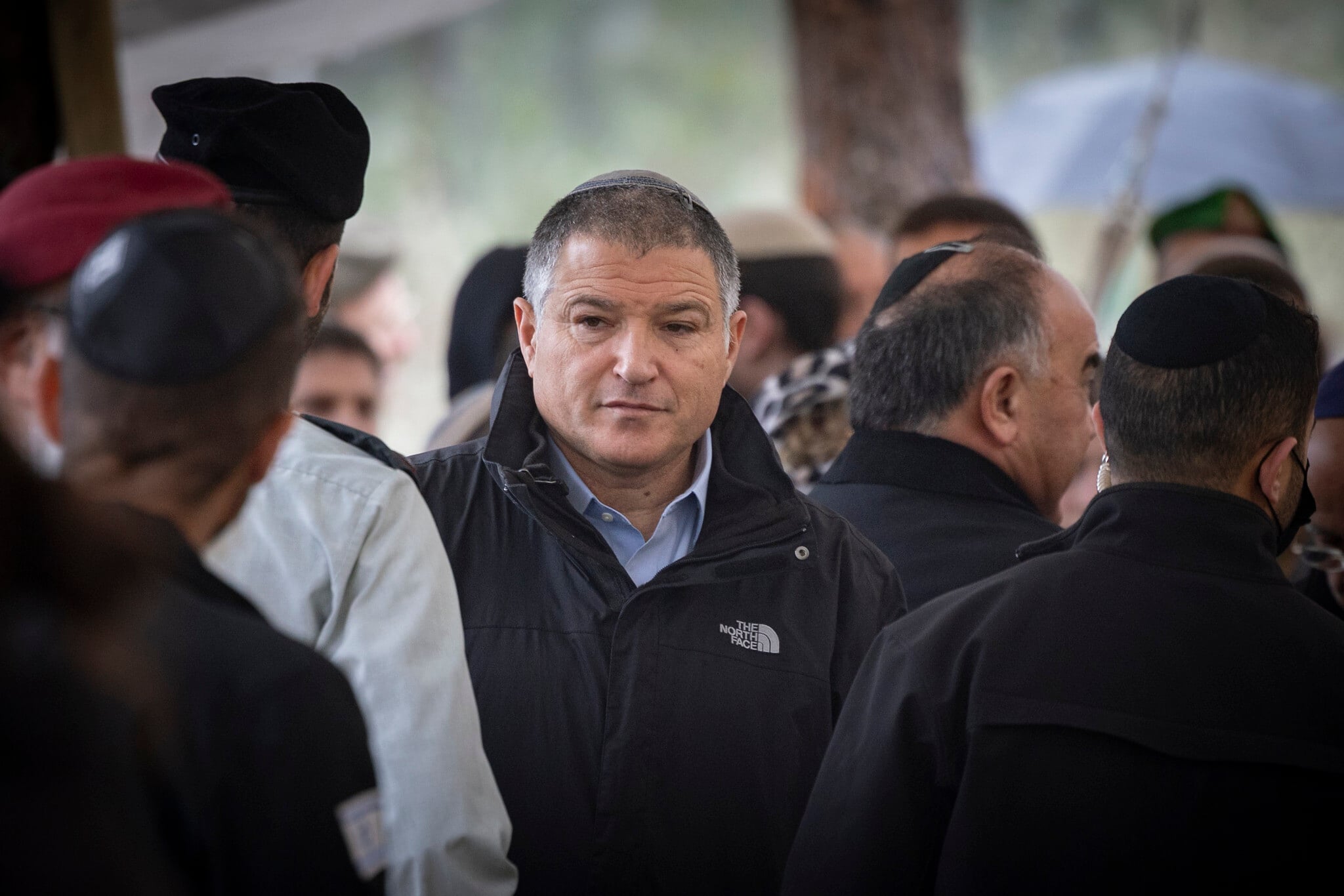
Bismuth slams elections chair, seated alongside him
Separately, the Likud lawmaker also launched an attack on the Central Election Committee while sitting next to the committee’s chairman.
“The puzzling series of appointments made at the Central Elections Committee raises questions and necessitates explanations,” Bismuth said, referring to appointments that irked right-wingers over alleged political biases or direct connections to opposition figures.
Sitting next to Bismuth was Central Election Committee Chair Noam Sohlberg, who is also the deputy Supreme Court president, and who replied that he was “a little surprised by the remarks.”
“The appointments made at the committee have each been perfectly professional,” Sohlberg said. “We are aware of certain reports, concerning reports; we are checking ourselves. All the recent appointments to key positions have been continuously proving themselves in the committee’s work, excellent people one by one.”
Bismuth answered: “I’m surprised you are surprised. During the discussion, we will go over a series of appointments, and you will see the remarks weren’t made for no reason. Everything is backed up and documented.”
The left-wing Haaretz daily claimed that the document he referred to was actually a list of questions written by Bismuth himself.
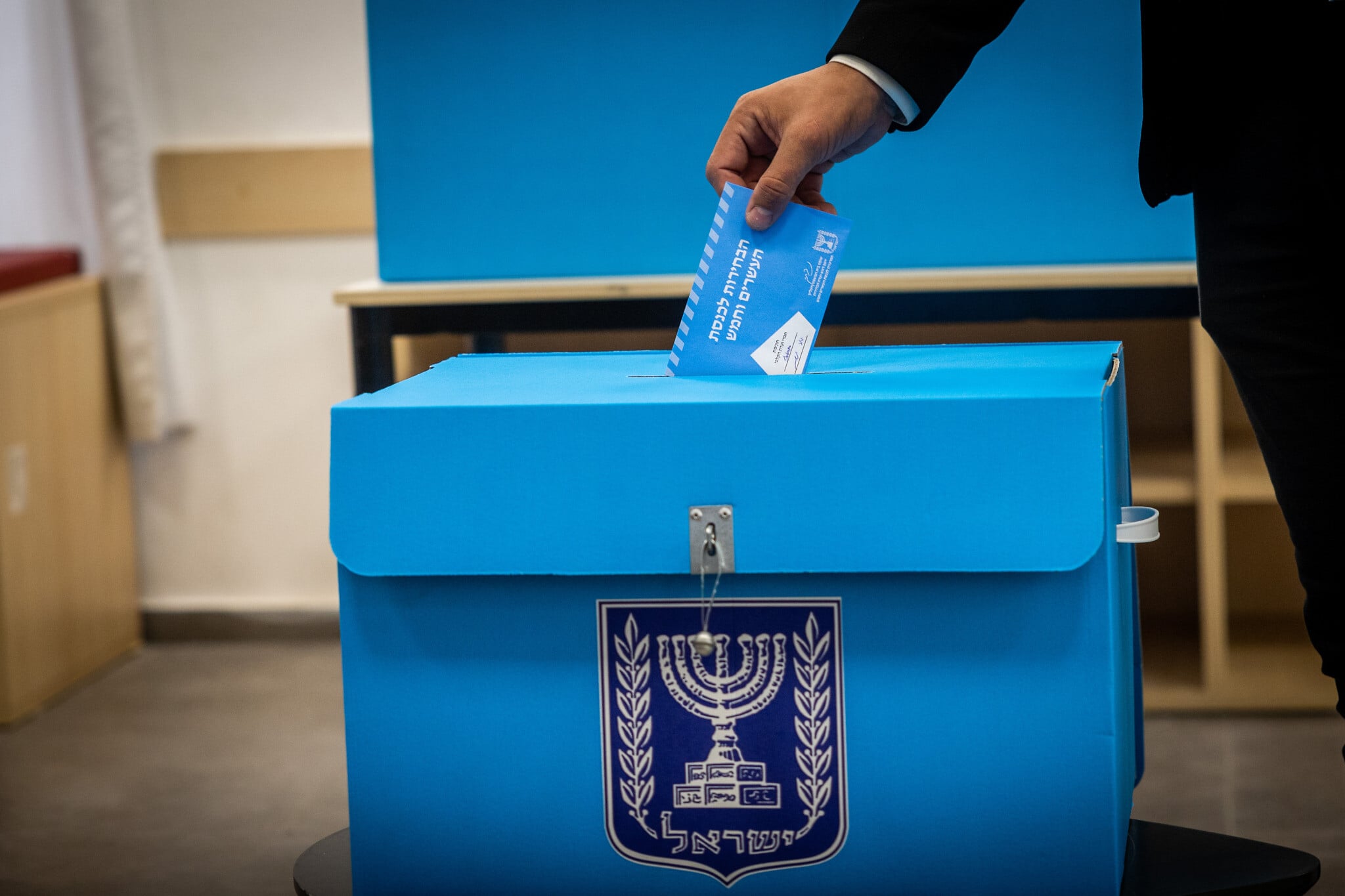
Israel is to hold national elections on October 27. Zini said the effort is at the top of the agency’s agenda and the second “most concerning” after the threat of major terror attacks, according to the Channel 13 report.
Zini also asked for the Shin Bet not to be dragged into political arguments.
Zini held a meeting earlier this month with President Isaac Herzog and Central Elections Committee chairman Noam Sohlberg, in which the three stressed their commitment to “ensuring the integrity of the election,” the president’s office said in a statement at the time.
“There are many hostile foreign digital influences, and there are many elements seeking to sabotage from within, and especially from the outside,” the president’s statement continued, without elaborating.
The Kan report said that Sohlberg, who is also the deputy Supreme Court president, said there is constant collaboration with security bodies and professionals to “ensure a proper, fair and trustworthy election process.”
The state comptroller warned earlier this month that the government has no national policy to combat the danger of foreign election interference, and that Iran and other hostile actors are systematically exploiting social media to deepen social divisions in Israel, spread panic and manipulate the public’s perception of reality.
His report sounded an alarm over the fact that the Shin Bet only started preparing in January for the upcoming elections while the National Security Council “ceased dealing with the matter” in August 2025.

Foreign actors have tried to meddle in Israel’s politics before. A joint study by the Institute for National Security Studies and the Institute for the Research of the Methodology of Intelligence revealed that, ahead of the 2022 Knesset elections, multiple covert campaigns unfolded on social media.
One sought to fracture the Religious Zionism party, using dozens of fake Twitter accounts posing as Israelis to urge far-right political leader Itamar Ben Gvir to end his Otzma Yehudit party’s joint electoral run with Religious Zionism.
Another campaign aimed to suppress voter turnout, coordinating hundreds of accounts — including some posting in Arabic — days before and on Election Day.
After the vote, a small network of accounts across Facebook, Twitter, Instagram, and Telegram sought to sow distrust in the results, spreading claims of election fraud and mobilizing protests, supported by thousands of fake followers to amplify credibility.
Stav Levaton contributed to this report.