Shuttered West Bank quarries could devastate local industry — report
Rights group says closing Palestinian-owned stone mines is 'collective punishment' for recent attacks; Israel says they're illegal and hazardous
The shuttering of some three dozen quarries south of the West Bank city of Hebron could have devastating effects on the local Palestinian villages, according to an international monitor.
The New York-based group Human Rights Watch released a report Thursday saying the move endangered 3,500 jobs and could paralyze the dominant local industry.
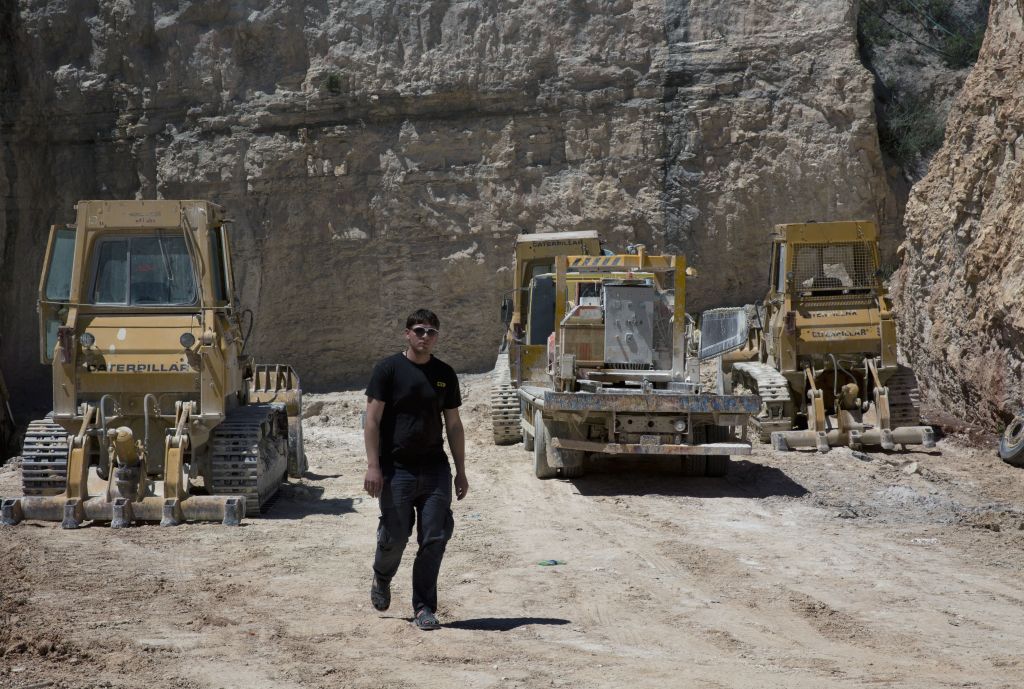
Palestinian quarry owners say March 21 raids of the quarries by hundreds of Israeli soldiers and the confiscation of “millions of dollars in equipment” amount to collective punishment. The raids came four days after two residents of the West Bank town of Beit Fajar stabbed and wounded an Israeli soldier.
The fate of the quarries also highlights Israel’s policy of favoring Jewish settlement businesses in the West Bank over those of local Palestinians, the New York-based human rights organization said Thursday. Israel has not issued new licenses for Palestinian-run quarries in the West Bank since 1994, while giving operating permits to 11 Israeli-run quarries in the area, the group said.
The Israeli-administered quarries produce 25 percent of the quarrying materials for the Israeli and settlement economies, amounting to Israeli exploitation of natural resources in occupied territories in violation of Israel’s obligations as an occupying power, HRW said.
“I think Israel wants to strike at the Palestinian economy,” said Subhi Thawabteh, head of the Union of Stone and Marble in Palestine. “This is part of the Israeli pressure on the Palestinians. They want us to desert our land and fill it with Israeli settlers.”
COGAT, the Israeli body that deals with Palestinian civilian affairs, wrote to HRW that the quarries operate unlawfully, on state land, and that they pose a safety and environmental hazard.
Roni Salman, a lawyer representing the Palestinian quarry owners, said he believes the raids amounted to “collective punishment of the people of Beit Fajar” for the attack carried out by the two village residents.
The Palestinian villages of Beit Fajar and Seir, located five miles northeast of Hebron, have produced more attackers in the latest wave of terror and violence across Israel than any other area in the West Bank.
Twenty-nine Israelis and four non-Israelis have been killed in a wave of Palestinian terrorism and violence since October. Nearly 200 Palestinians have also been killed, some two-thirds of them while attacking Israelis, and the rest during clashes with troops, according to the Israeli army.
The quarry closures came after an Israeli soldier was seriously injured in a stabbing attack by a pair of assailants from Beit Fajar, near the West Bank settlement of Ariel. Both attackers were shot and killed by responding security forces, the IDF said.

Human Rights Watch also noted that a previous raid of quarries by the military came three days after a Beit Fajar resident killed an Israeli woman in a West Bank attack in November.
Asked about the timing, COGAT wrote that the raids were carried out once resources were available and “as per priority.”
Quarry owners said troops confiscated equipment in the past, but that machinery was usually returned after payment of heavy fines.
In a letter to HRW, it said that quarry owners will have to pledge to “cease illegal operations.” They would also have to reimburse the military for the cost of confiscating equipment and pay retroactive royalties for extracting stones.
Salman said he is trying to persuade quarry owners to appeal to Israel’s Supreme Court to try to challenge the overall policy.
Underlying the dispute is a complex division of the West Bank into jurisdictions — a legacy of failed negotiations on Palestinian statehood on lands Israel captured in the 1967 Six Day War, including the West Bank.
Israel retains full control over more than 60 percent of the West Bank, known as “Area C” and home to dozens of Israeli settlements with some 370,000 residents. The rest of the territory, where most Palestinians live, is under varying degrees of Palestinian self-rule.
Beit Fajar, near Bethlehem, is located in autonomous territory, but the quarries are in Area C. Israel argues that the quarries are on state land, a designation critics say has routinely been used to take lands from Palestinians.
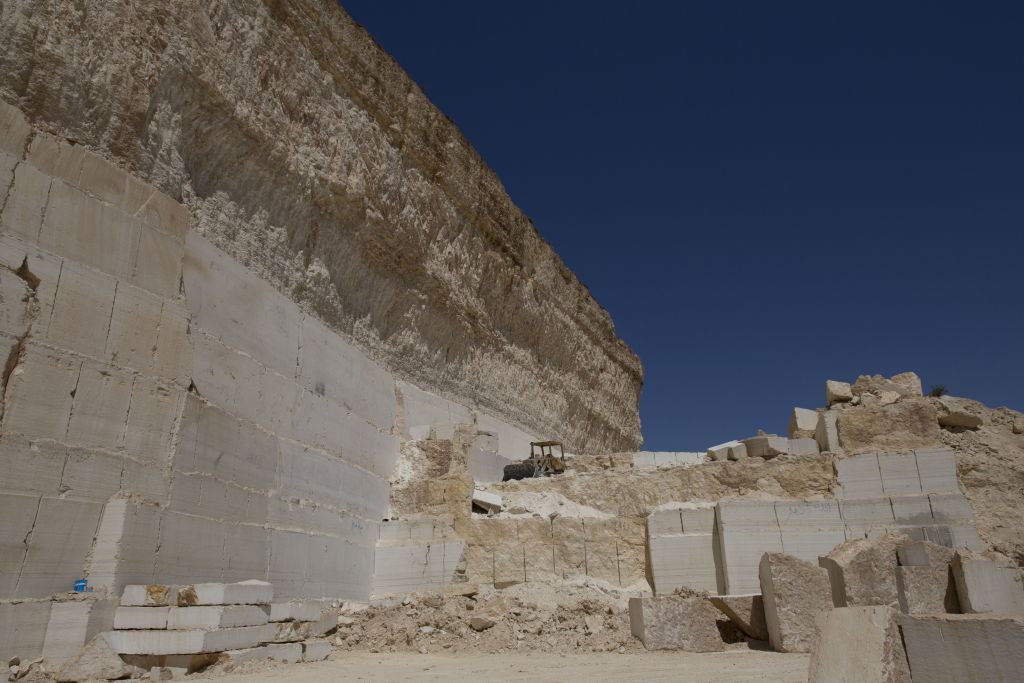
Human Rights Watch quoted three Palestinian quarry owners as saying they have repeatedly tried to prove ownership of the land, but been rejected. Quarry owners also said they repeatedly asked for licenses, but were ignored or turned down.
“This is our land, it’s in our village, not in Israel,” quarry owner Abdel Moin al-Taweel said this week, after seeing two bulldozers and other heavy equipment confiscated.
Quarries and stone factories are the economic bedrock of Beit Fajar, employing some 3,500 people and producing an estimated $25 million a year.