Soldier jailed for Hebron killing will appeal sentence
Lawyer for Elor Azaria, sentenced last week to 18 months for mansalughter, previously said defense might forgo appeal under certain terms
An IDF soldier convicted of manslaughter after shooting and killing a wounded and incapacitated Palestinian attacker will appeal his 18-month military prison sentence, according to Hebrew-media reports on Monday.
The appeal of Elor Azaria’s sentence, which was handed down by a military court last week, will be filed with the court on Wednesday by his lawyers. He will also request a delay to the start of his prison term, which is set to begin on March 5.
The case has bitterly divided Israel, with many, including Prime Minister Benjamin Netanyahu, calling for Azaria to now be pardoned.
Azaria’s legal team will hold a press conference after presenting the appeal, the Haaretz daily reported.
Azaria, 21, was convicted in January for the March 2016 shooting death of Abdel Fattah al-Sharif, who was lying on the ground wounded and disarmed minutes after stabbing a soldier in the West Bank city of Hebron. Azaria, a combat medic, was filmed shooting Sharif in the head.
Another stabber, Ramzi Aziz al-Qasrawi, was killed in the course of the attack, which left one soldier lightly wounded.
In their verdict last month, the judges found that Azaria, who shot dead Sharif after the Palestinian assailant had been lying on the ground for several minutes, was motivated by a desire for revenge.
Last week, a lawyer for Azaria said the legal team would be willing to forgo an appeal if presented “with a satisfactory agreement” easing Azaria’s sentence.
Speaking with Army Radio, lawyer Ilan Katz said the defense team’s top priority is for Azaria, who along his 18 month prison term also received two suspended sentences of 12 and six months and a demotion to private, to come out of the ordeal “with as little damage as possible.”
“If the army is wise enough to approach us with a satisfactory agreement, we will not pursue an appeal at all costs,” Katz said.
Following a scathing decision read out alongside Azaria’s guilty verdict in January, many saw the 18-month sentence as relatively light, leading to speculation that the defense team may drop its plans to appeal even as politicians pushed for Azaria to receive a full pardon.
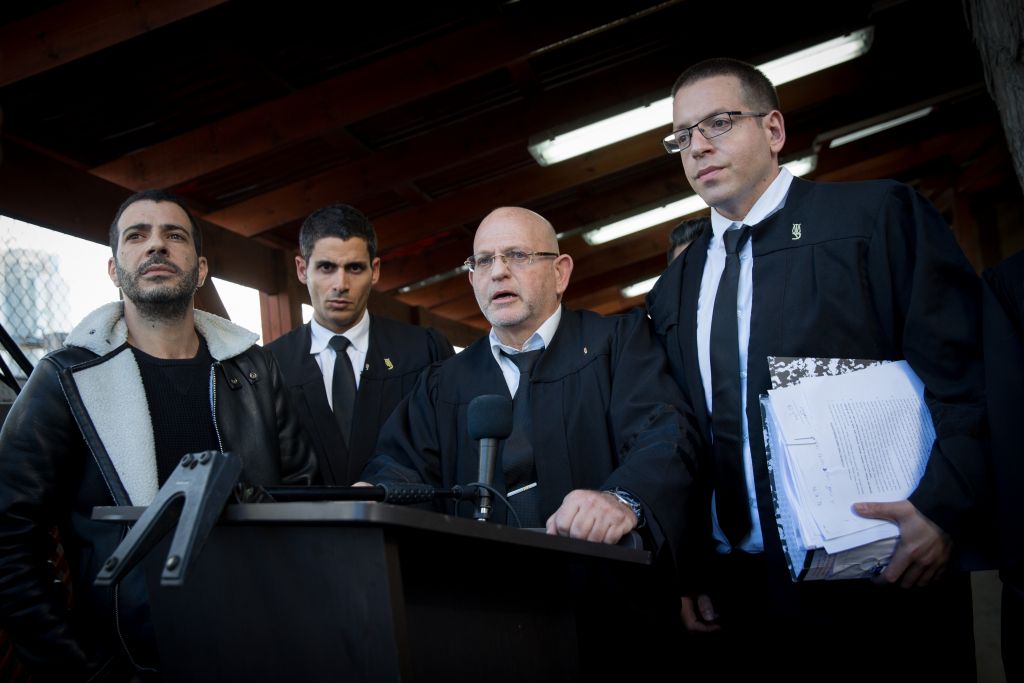
Katz admitted that the 18-month sentence was light “in comparison to the draconian verdict,” but said it didn’t make it the ruling any easier on Azaria.
After his January conviction and again following his recent sentencing, a number of Israeli politicians called for Azaria to be pardoned, most notably Prime Minister Benjamin Netanyahu, who said last week that the special circumstances of the case and the implications for other soldiers in the future warrant a pardon.
“Soldiers in dangerous situations could be deterred [from acting out of fear that they could be prosecuted], and therefore there must be understanding and progress toward a pardon,” he said.
By law, there are three ways Azaria may obtain a pardon. All convicts, including soldiers, can appeal to the president, Reuven Rivlin. Soldiers can also turn to the head of their command, in this case the Central Commnad, or to the IDF chief of staff, Lt. Gen. Gadi Eisenkot, who also has the legal power to commute sentences for active-duty personnel.
Rivlin has said he would only consider a pardon after Azaria’s legal appeals are exhausted.
Agencies contributed to this report.