Source of vote-buying claims quit PM’s office after posing as security official – reports
Reports say Daniel Greenberg presented himself as holding sensitive Shin Bet position, his lawyer dismisses claim; the ex-PMO staffer says Netanyahu consulted with him before and after election
Daniel Greenberg, whose information on alleged electoral fraud in the Arab community led to the arrest of three Ra’am activists, left the Prime Minister’s Office a few months ago amid allegations that he had impersonated a security official, it was reported Tuesday.
The reports came as Greenberg, a former senior adviser to Yossi Shelley, a longtime ally of Prime Minister Benjamin Netanyahu, said that he had consulted with Netanyahu both before and after election day.
Sources told Haaretz newspaper that while working at the PMO, Greenberg claimed to be the individual in charge of handling complaints from Palestinian security informants, a sensitive Shin Bet position that is under the auspices of the office.
Sources told Channel 13 that Greenberg participated in meetings with officials from the Shin Bet, and that when the deception was discovered earlier this year, he resigned to prevent disciplinary action being taken against him.
In response, Greenberg’s lawyer Avichai Yehosef said: “It seems that in this case, speculation has become fact, rumors have become findings, and the attempt to generate headlines outweighs the basic journalistic duty to ascertain the facts to verify them.”
The revelation came as Greenberg gave interviews with Hebrew-language outlets on his role in the passing of information about the alleged voter fraud in the Arab community, and his discussions with Netanyahu on the matter.
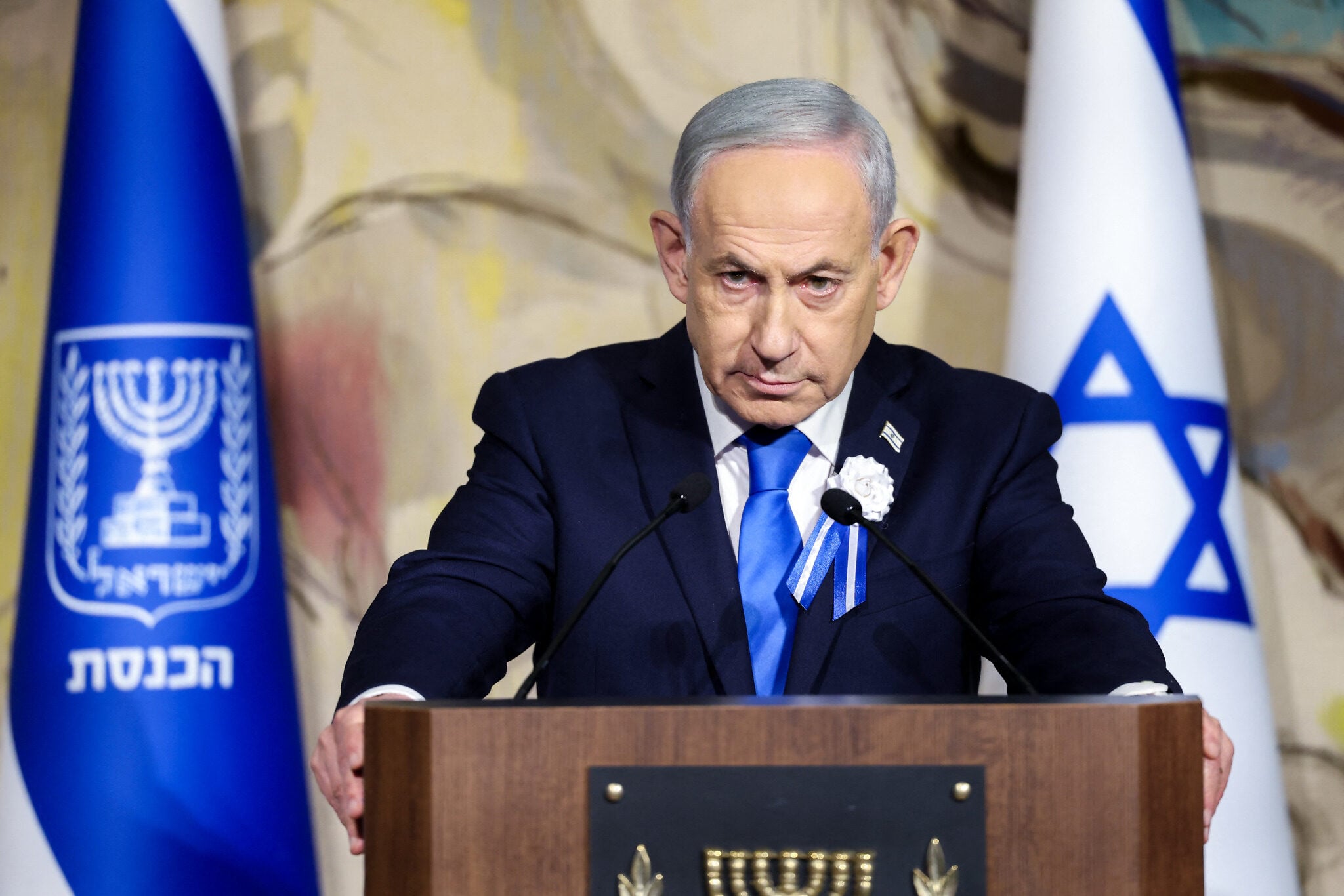
Three men were arrested before dawn on election day on the basis of Greenberg’s information and later released without charge.
In the hours after the arrests, police issued a statement claiming officers had recovered envelopes containing tens of thousands of shekels in cash, after which Netanyahu claimed the vote was being “stolen” by Arab parties and urged his supporters to go to the polls.
The Central Elections Committee said Tuesday that the Shin Bet investigation had found no evidence of bribes paid to voters on a scale that could have affected the election results. The vote-buying inquiry will continue, the committee said, while investigators shift their focus toward possible subversion and foreign influence.
Greenberg claimed to Channel 13 on Tuesday that the day before the election, an unnamed “senior Arab MK” called him to say that a “pile of money” had come into the Negev region and that something needed to be done about the situation.
Greenberg said that he initially did not know what to do with the information, but decided to pass it to Netanyahu’s chief of staff, Ido Norden, because he realized that it was a way that he could “shorten all the procedures.”

Greenberg claimed that he had met Netanyahu and Norden for the first time two weeks earlier at an event in the Druze town of Yarka.
“I picked up the phone, and [Norden] asked me what the story was. I told him: ‘Listen, there’s information on the purity of the elections. How do I pass it on to the police?’ He told me: ‘Wait, I’ll get back to you,'” Greenberg said.
Norden called the office of Israel Police Commissioner Danny Levy, and told them to reach out to Greenberg.
“[Norden] got back to me after about 15 minutes, and the chief of staff of the [police] commissioner was on the line. I told him that there was a suspicion of a violation of the purity of the elections. He said: ‘Hold on, I’ll make sure they talk to you.’ After an hour, maybe an hour and a half, four people called me, and I passed them the information,” he said.
Greenberg said that the police knew that he was a former employee of the Prime Minister’s Office.

Greenberg told Channel 13 that he also spoke to Netanyahu “a day or two after the election” amid the allegations.
“He asked me questions because they were talking about all kinds of fraud in the south, and then he asked me: ‘What do you say?’ and consulted with me,” Greenberg said. “I told him about the materials I had transferred [to the police]. He said: ‘Let’s wait, we’ll see what happens.'”
In a separate interview with Channel 12 news, Greenberg said that he had discussed the Arab parties’ expected performance in the election in a meeting with Netanyahu some two weeks before the vote, presumably in Yarka, and predicted they would win many seats.
“I predicted what was going to happen: that the Arab parties would get a lot of seats,” Greenberg said, describing the meeting as “private.”
Asked who else was present, Greenberg initially refused to say, but eventually confirmed that Norden was also in attendance.
Seeking to downplay the meeting, Greenberg said, “We talked about the election. We talked about nothing.”
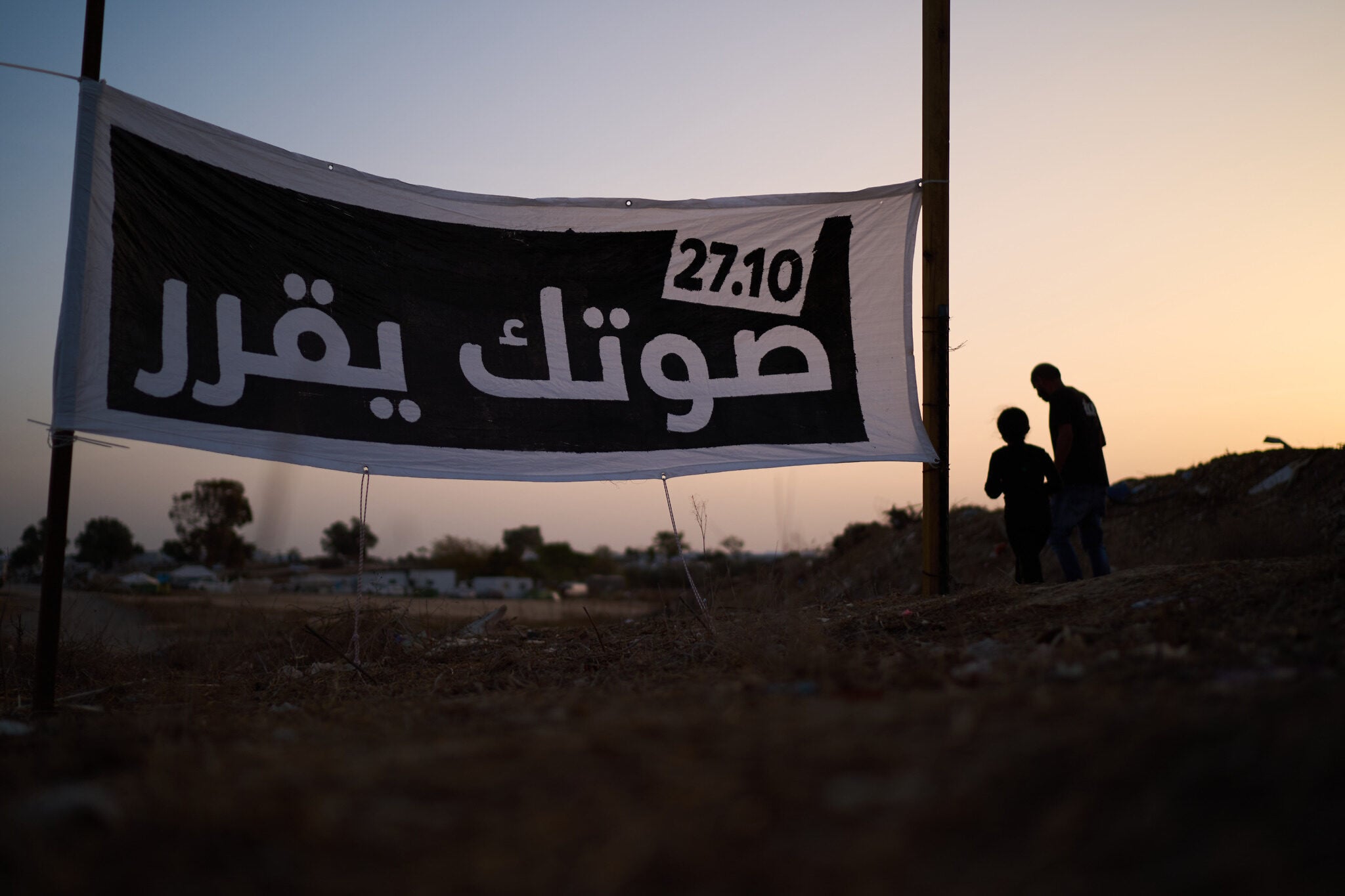
Greenberg also initially denied working for Netanyahu’s Likud party.
Pressed, however, he acknowledged that he was asked to run Likud’s Arab headquarters ahead of the 2022 election, and claimed that he witnessed fraud in Arab areas in the south but did not report it.
Police official stands by arrests, but PMO sourcing ‘doesn’t sound good’
Meanwhile, Deputy Commissioner Boaz Blatt, head of the police’s Investigations and Intelligence Division, reportedly said he would not change his conduct in handling the allegations, but admitted that the sourcing of the information “doesn’t sound good.”
“I would act the same way I did,” Blatt said in closed-door remarks aired by Channel 12. “I received information that came in just hours before the election, and I passed it down to the field.”
It is unclear where or when the comments were made.
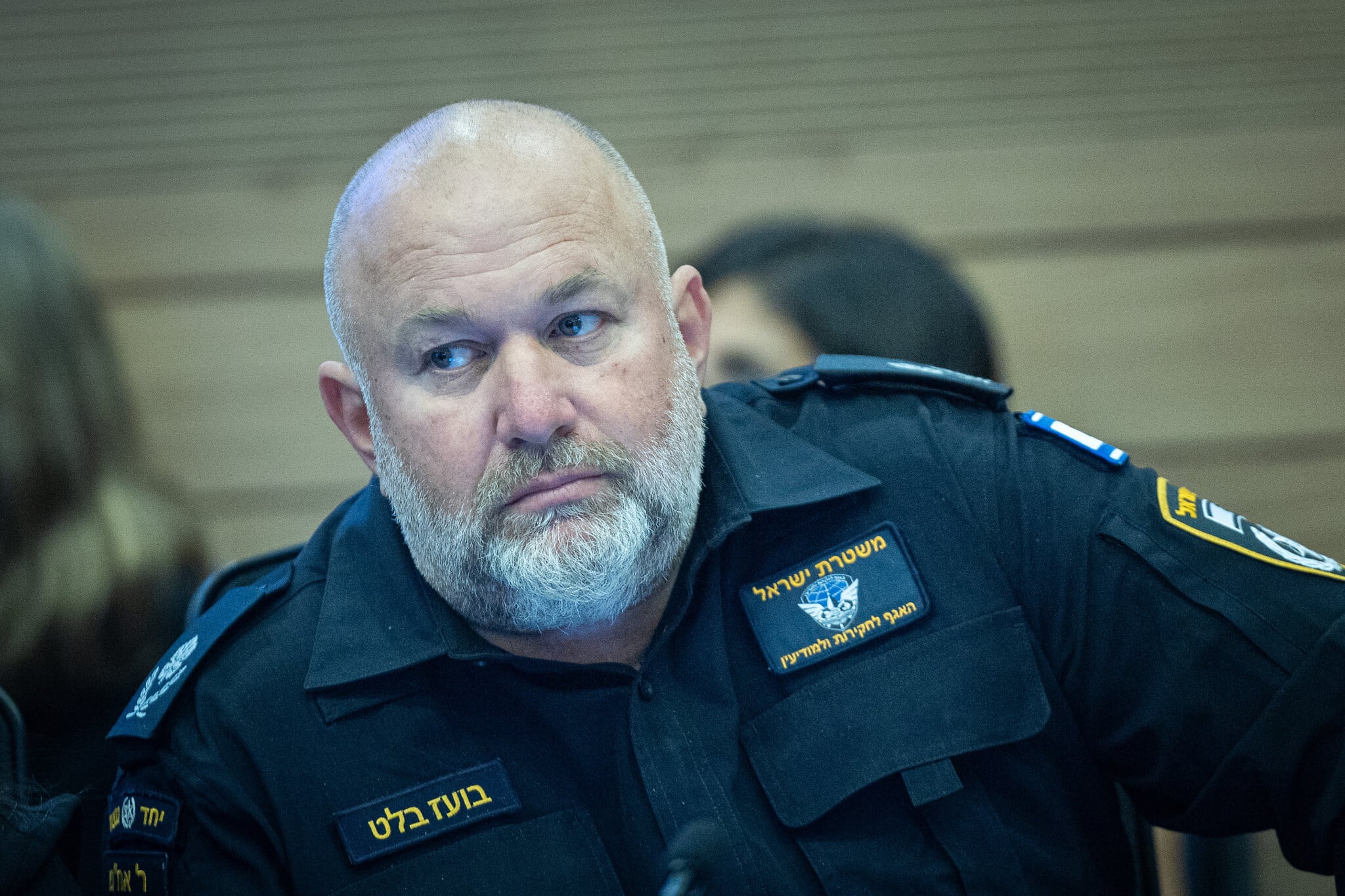
Blatt said the information later “came under judicial scrutiny,” saying that once the court “examined the case in depth, it understood there was no case,” but noted that police were “racing against time” while stretched to the limit.
“The information did come from the Prime Minister’s Office. That doesn’t sound good; it doesn’t look good publicly,” he acknowledged. “I didn’t initiate the call. I was brought into it, and they dropped the bombshell on me.”
Blatt said he immediately passed the information to officers in the field, adding: “Can I ignore breaking information just because it came from the Prime Minister’s Office? The answer is no.”