South Lebanon village braces for UNIFIL exit after decades of peacekeeper presence
Ibl al-Saqi residents fear losing livelihoods and stability as UN force prepares to leave after last year’s vote: ‘We’ve spent a lifetime with them’
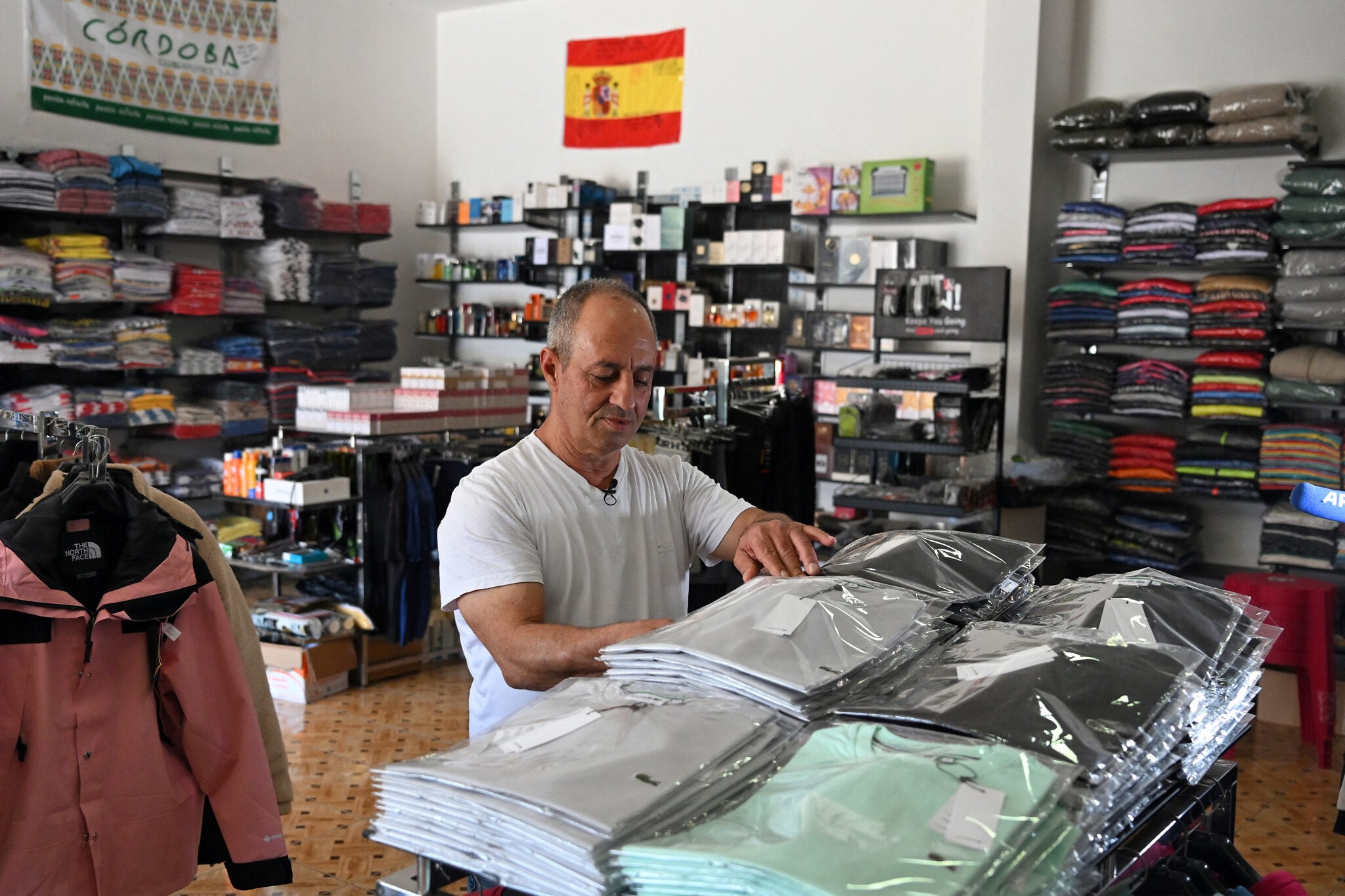
IBL AL-SAQI, Lebanon (AFP) — From his shop in south Lebanon near the Israeli border, Mark Diab says life in his village will be turned upside down when a decades-long United Nations peacekeeping force pulls out next year.
“UNIFIL isn’t just business, to us it’s family,” said Diab, 59, whose sister is among residents of Ibl al-Saqi who have married peacekeepers from the UN Interim Force in Lebanon over the years. She now lives in Spain.
“We’re basically open because of the UN. We started when I was young,” Diab said from his shop, just down the road from a UNIFIL base, selling clothes along with other items including alcohol and headphones.
The force’s withdrawal will hurt the local economy and “will impact our relationships… and we’ll lose security and stability,” he said, as the sound of an explosion rang out in the distance.
“I’m very sad they’re leaving… We’ve spent a lifetime with them.”
UNIFIL has served as a buffer since Israel invaded Lebanon in 1978 in a bid to confront the Palestinian groups that were launching attacks into Israel.
It has become part of the fabric of south Lebanese villages like Ibl al-Saqi after decades spent monitoring border hostilities and supporting local communities, including with humanitarian assistance.
But after pressure from Washington, the UN Security Council last year voted to end the force’s mandate on December 31, 2026.
UNIFIL’s mandate was expanded after the 2006 Israel-Hezbollah war to help the Lebanese army implement UN Security Council Resolution 1701, which called for armed terror groups like Hezbollah to be disarmed and for southern Lebanon to be free of armed forces and weapons other than those belonging to the Lebanese state.
Israel has long accused UNIFIL of failing to fulfill that mission, pointing to Hezbollah’s construction of extensive military infrastructure near the Israeli border over the ensuing decades. UN officials have maintained that the peacekeepers have a supporting role and cannot substitute for the parties responsible for implementing Resolution 1701.
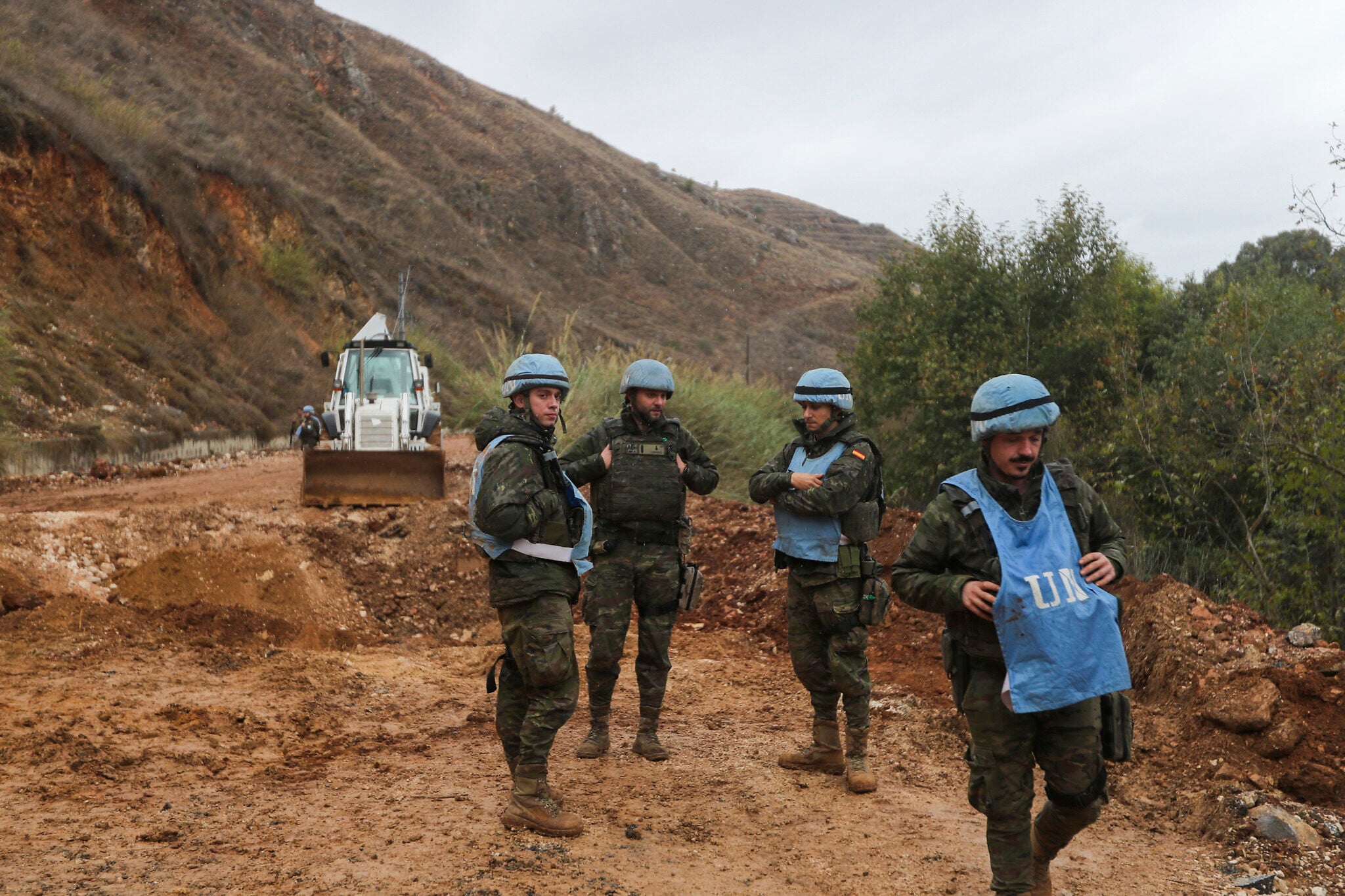
In a narrow garden in Ibl al-Saqi called Norway Square, tattered Norwegian and Lebanese flags flew near plaques paying tribute to peacekeepers from the Scandinavian country whose arrival decades ago forged ties that run deep.
A street sign points to a town in Norway about 5,200 kilometers (more than 3,200 miles) away.
Nearby, an Indian flag flew at Mahatma Gandhi Park close to a statue, posters and plaques set up by Indian peacekeepers.
‘Positive mark’
Ibl al-Saqi lies just outside the roughly 10-kilometer-deep “security zone” that Israel established along the border in southern Lebanon after conflict began on March 2, when Hezbollah joined the broader regional war by attacking Israel in support of its patron Iran. Israel responded with extensive airstrikes and a ground offensive in Lebanon and says the zone is necessary to protect northern communities from attacks by the Iran-backed terror group.
Locals advised AFP journalists to avoid southern parts of the otherwise quiet village, nestled among hills covered in olive groves.
From his municipal office near framed UNIFIL pictures and paraphernalia, mayor George Rahhal said the peacekeepers had brought stability and reassurance to villagers over years of conflict and uncertainty.
“They’ve left a positive mark on everybody’s hearts, firstly through security, then the economy, healthcare, supporting schools, the sick,” said Rahhal, who like others in the village also has Norwegian citizenship and speaks the language.
“At some point the UN has to leave… but not in these circumstances.”
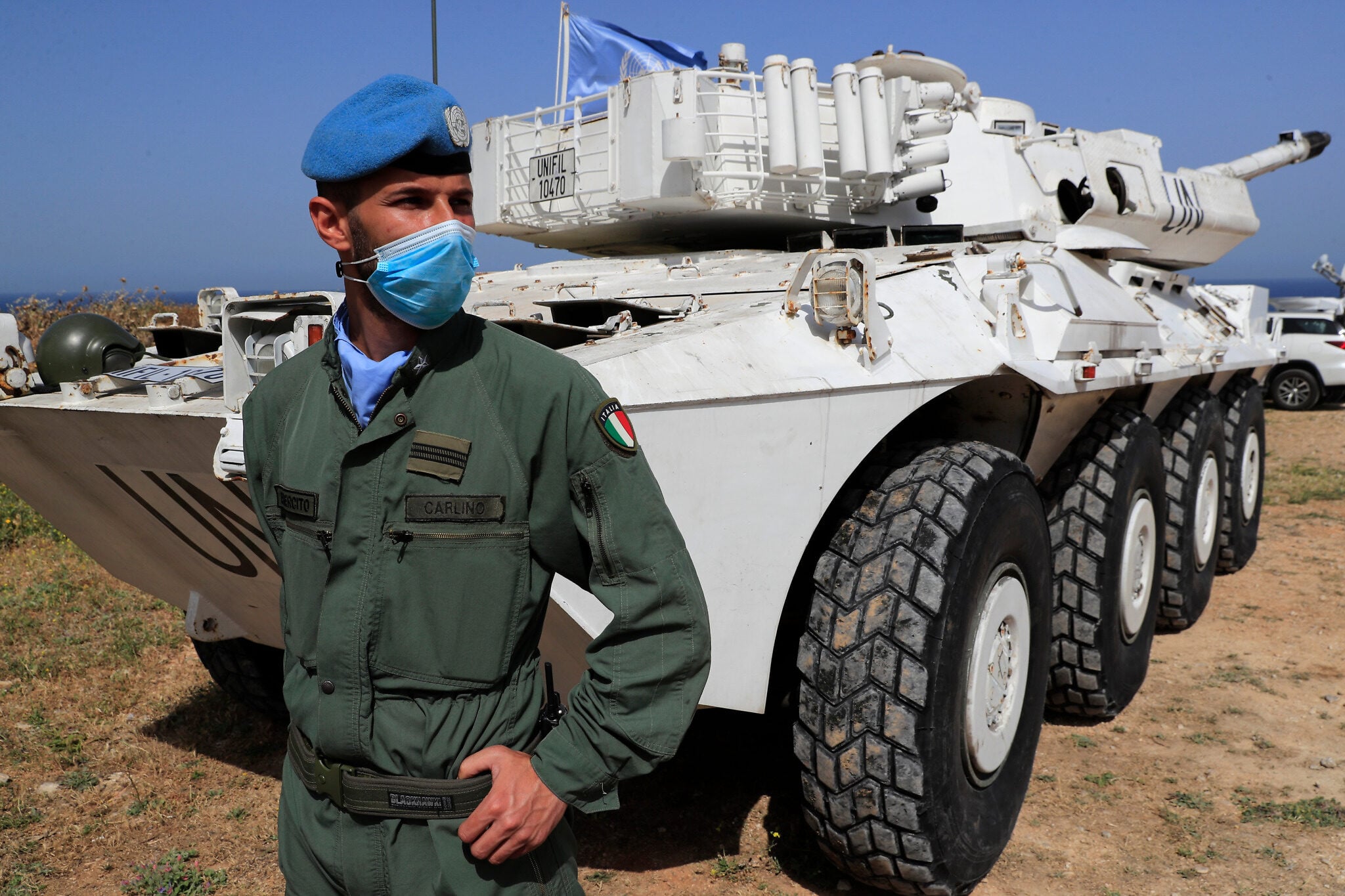
Lebanon has called for UNIFIL’s mandate to be extended, fearing a security vacuum at a time when hostilities prevent the Lebanese army, whose resources are limited, from deploying across the country’s south.
Rahhal said many Ibl al-Saqi residents were UNIFIL employees or contractors.
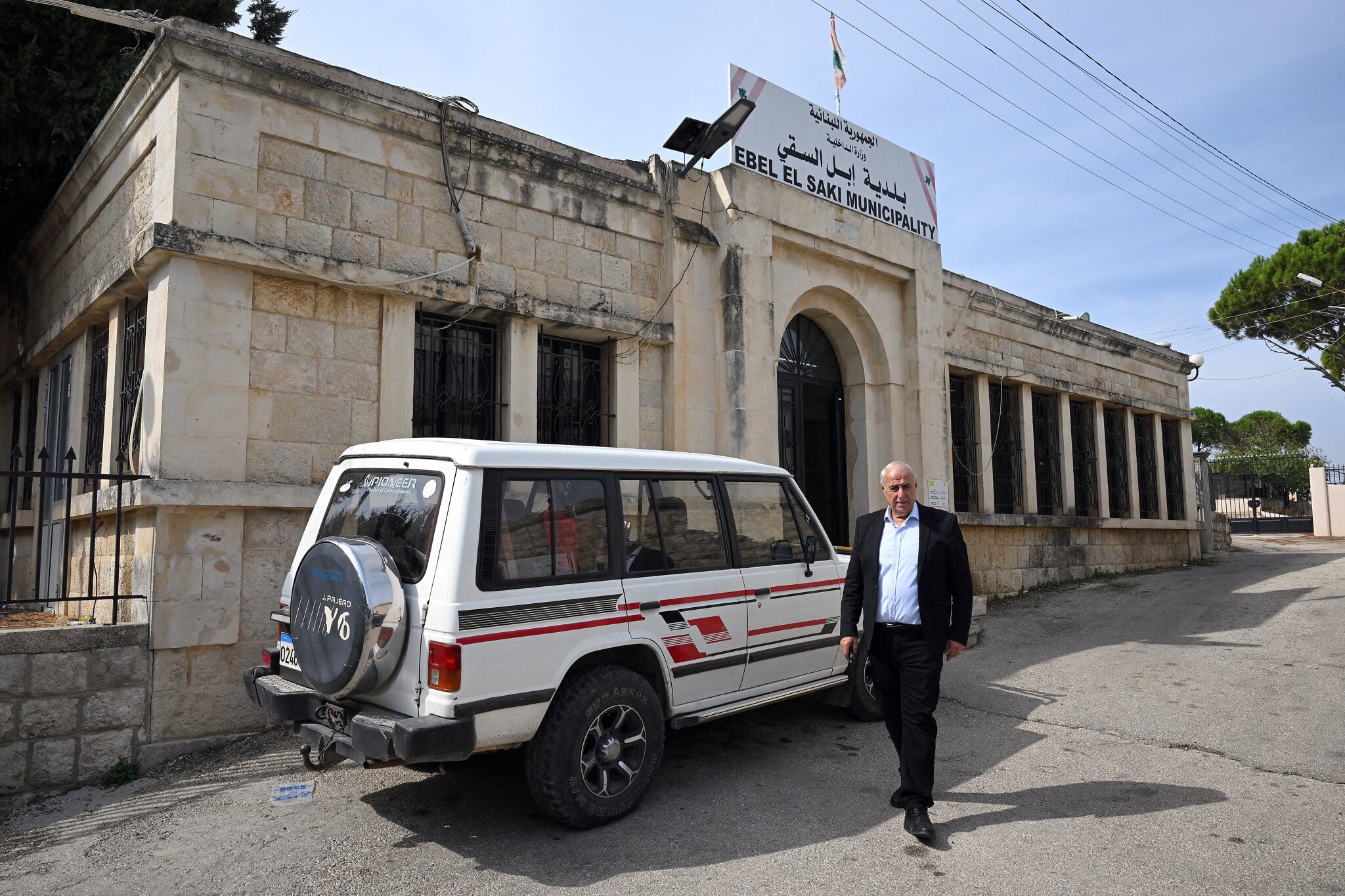
Almost “the entire community will be impacted” economically by the withdrawal, directly or indirectly, he said.
“We can live after the international force (leaves), but how and where and who will be responsible for us?”
UNIFIL now counts about 7,500 personnel from nearly 50 countries.
Spokesperson Kandice Ardiel told AFP it also “has around 400 national staff” and works with numerous local companies providing contracted services.
‘Stayed in our village’
Peacekeepers are stationed in many Israeli-controlled areas now off-limits to most Lebanese after the most recent war. Many border villages have seen heavy destruction.
Lebanon says more than 4,300 people have been killed in the fighting, without distinguishing between combatants and civilians. The dead include seven peacekeepers caught in the crossfire.
Violence has declined since a ceasefire following a US-Iran understanding in June and a US-sponsored Israel-Lebanon framework agreement later that month, though Israeli strikes in Lebanon have continued.
The June 26 deal called for Hezbollah’s disarmament, the gradual withdrawal of Israeli forces and deployment of the Lebanese army in the south, beginning in designated pilot zones, but implementation has largely stalled. Hezbollah has rejected efforts to disarm, while Israel has said it will remain in the security zone as long as the terror group retains its weapons.
Andrea Tenenti, who served as UNIFIL spokesperson for almost 20 years, told AFP that the force’s presence “was not simply about maintaining peace and security.”
UNIFIL “has long been the second largest employer and economic contributor in southern Lebanon, after the Lebanese state,” he said.
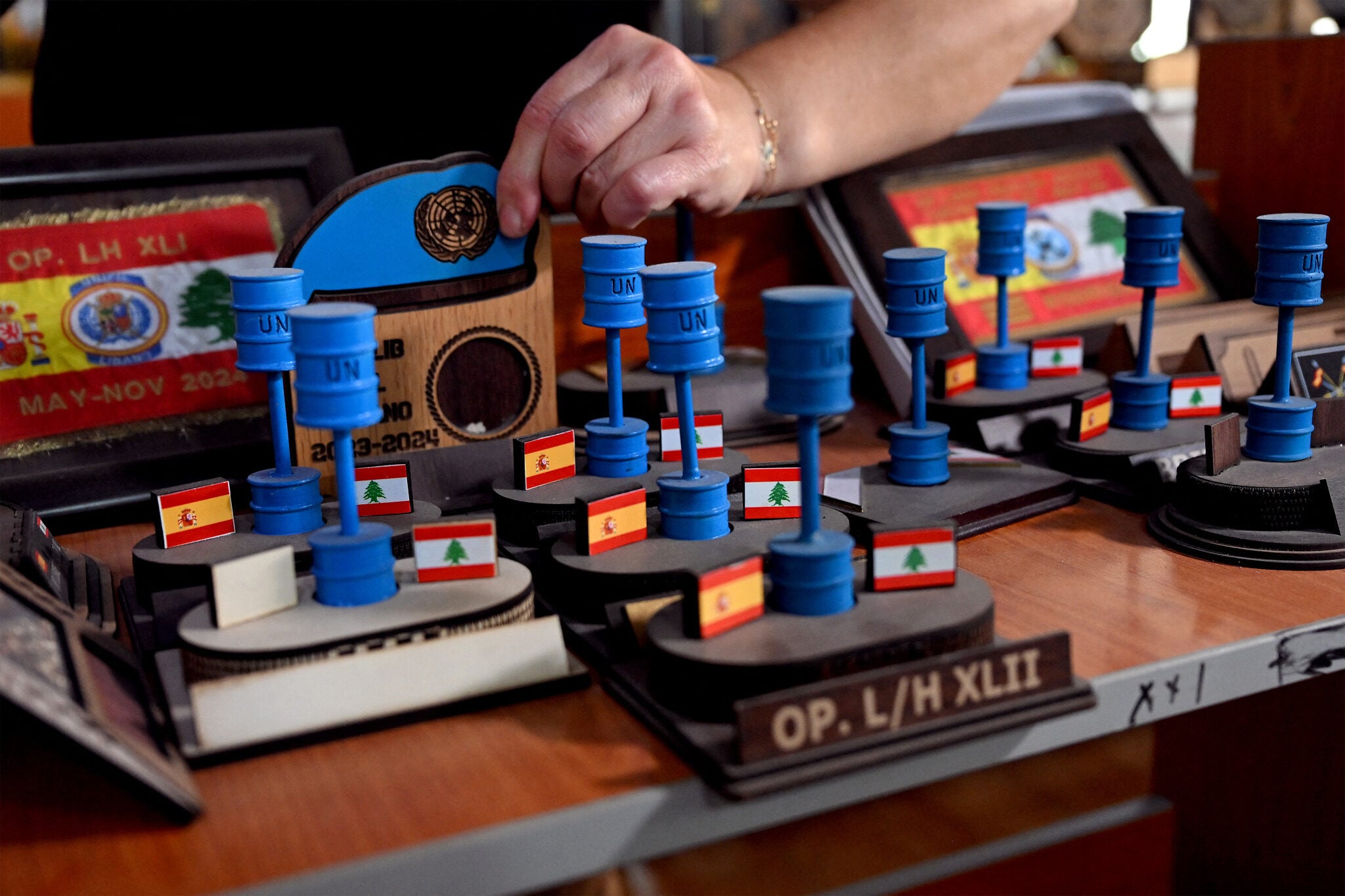
“Its economic footprint, however, extended far beyond its direct workforce,” he added, with associated activities “supporting a much wider network of businesses and livelihoods.”
Its withdrawal “risks creating a significant vacuum… at a particularly critical time.”
At a workshop in Ibl al-Saqi, laborers supervised clattering embroidery machines sewing customized items including banners and tags for peacekeepers stationed nearby.
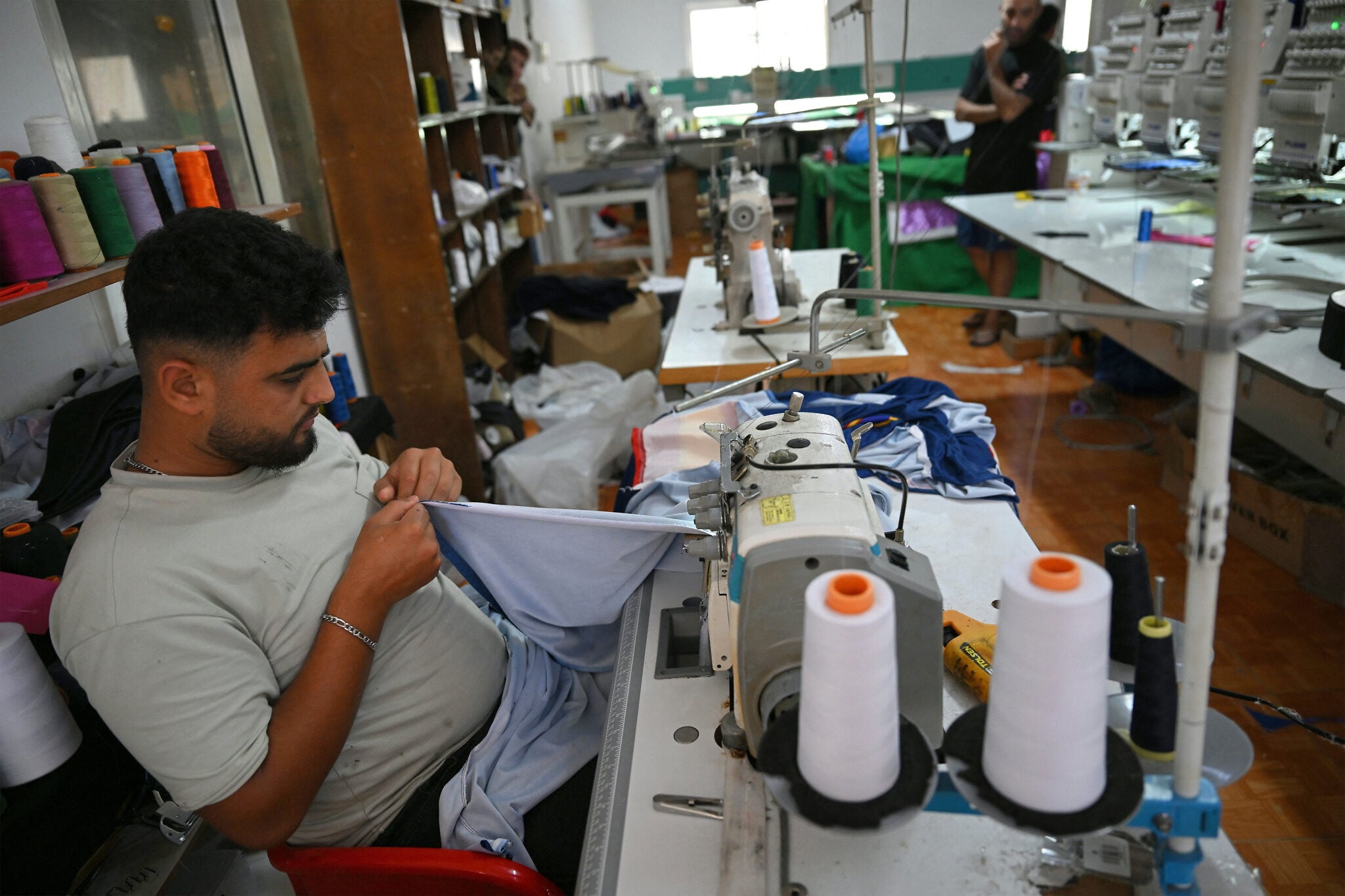
Shelves were packed with colorful souvenirs and keepsakes for UNIFIL personnel — the business’s main market after Lebanon’s economy collapsed in 2019.
Co-owner Khaled Nahra, 48, said the workshop had been running for some 25 years and had around a dozen employees, but would be forced to close when UNIFIL leaves.
“We’ve stayed in our village… this was the best thing about working with the UN,” he said.
“There are people who’ve been working here for 15… 20 years. They’re like me. They don’t know what to do.”
Times of Israel staff contributed to this report.