Syria says chemical inspectors refused to visit key sites
Dismissing recent report by watchdog, deputy minister denies regime behind April gas attack
A top Syrian official said Monday that the Organization for the Prohibition of Chemical Weapons refused to visit key sites linked to a nerve gas attack, casting doubt on the international monitor’s credibility.
Syrian Deputy Foreign Minister Faisal Mekdad dismissed an OPCW report released last week confirming the use of sarin gas on the opposition-held town of Khan Sheikhoun in April. He said the inspectors refused government invitations to visit the site of the attack or the military airport allegedly linked to it.
The report, which relied on samples taken to Turkey, did not say who was responsible for the attack.
Western nations blamed the attack on government forces, and US President Donald Trump ordered a missile attack on a Syrian air base. Syria insists it has never used chemical weapons.
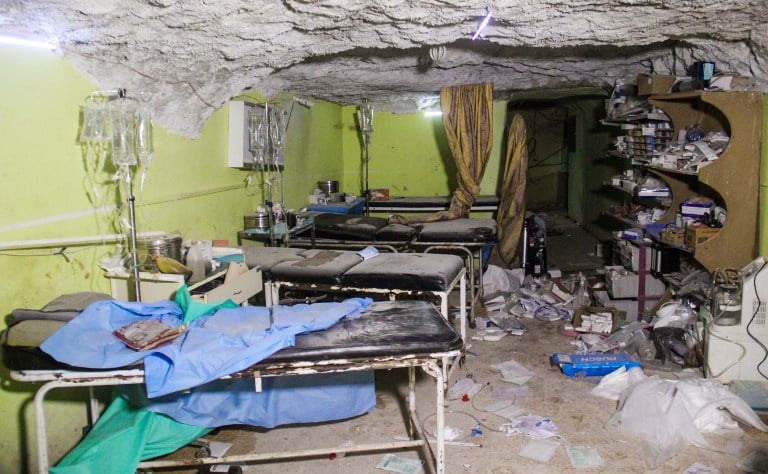
Last week, the US warned the Syrian regime against carrying out another chemical attack, after US intelligence noticed suspect activity at the airbase used to launch April’s suspected chemical strike.
US Secretary of Defense James Mattis later said that Trump’s warning to the Syrian government not to carry out a chemical weapons attack appears to have worked.
“I think the president speaking about (these preparations) says how seriously we took them. He wanted to dissuade them,” Mattis said.
When asked how he knew Trump’s warning had worked, Mattis said: “They didn’t do it,” a reference to the fact no chemical strike had occurred since Monday.
At the same time, he cautioned that “Assad’s chemical program goes far beyond one airfield,” in reference to Syrian President Bashar Assad.