The haunting history of the Jewish burial society that cares for NYC’s lost and forgotten
Since 1888, the Hebrew Free Burial Association has ensured that in the city that never sleeps, the poor and huddled masses enter their eternal rest with compassion and dignity
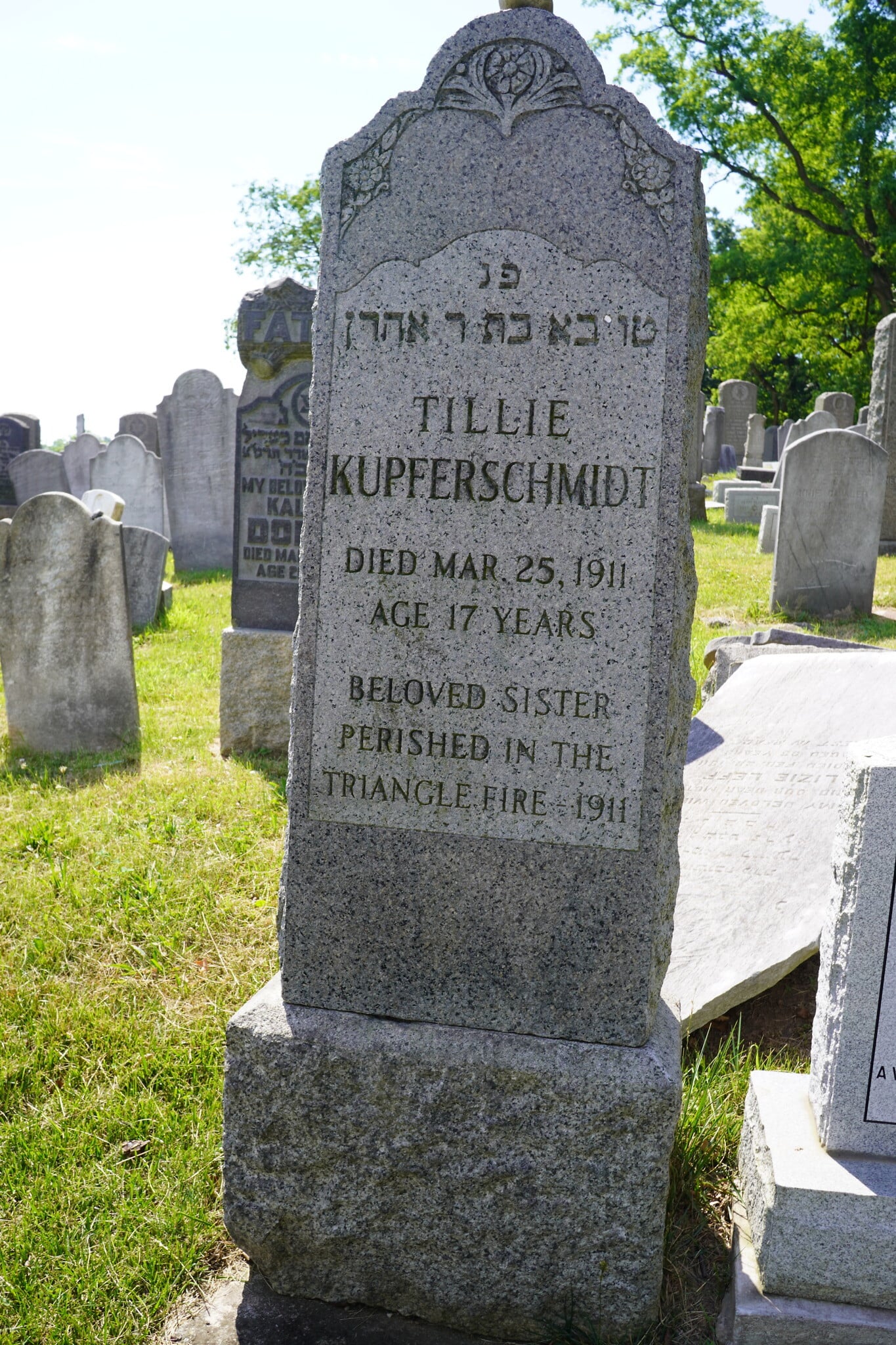
NEW YORK — Born in Austria, Tillie Kupferschmidt, 17, had lived in the United States for all of three years before perishing in the Triangle Shirtwaist Factory Fire on March 25, 1911.
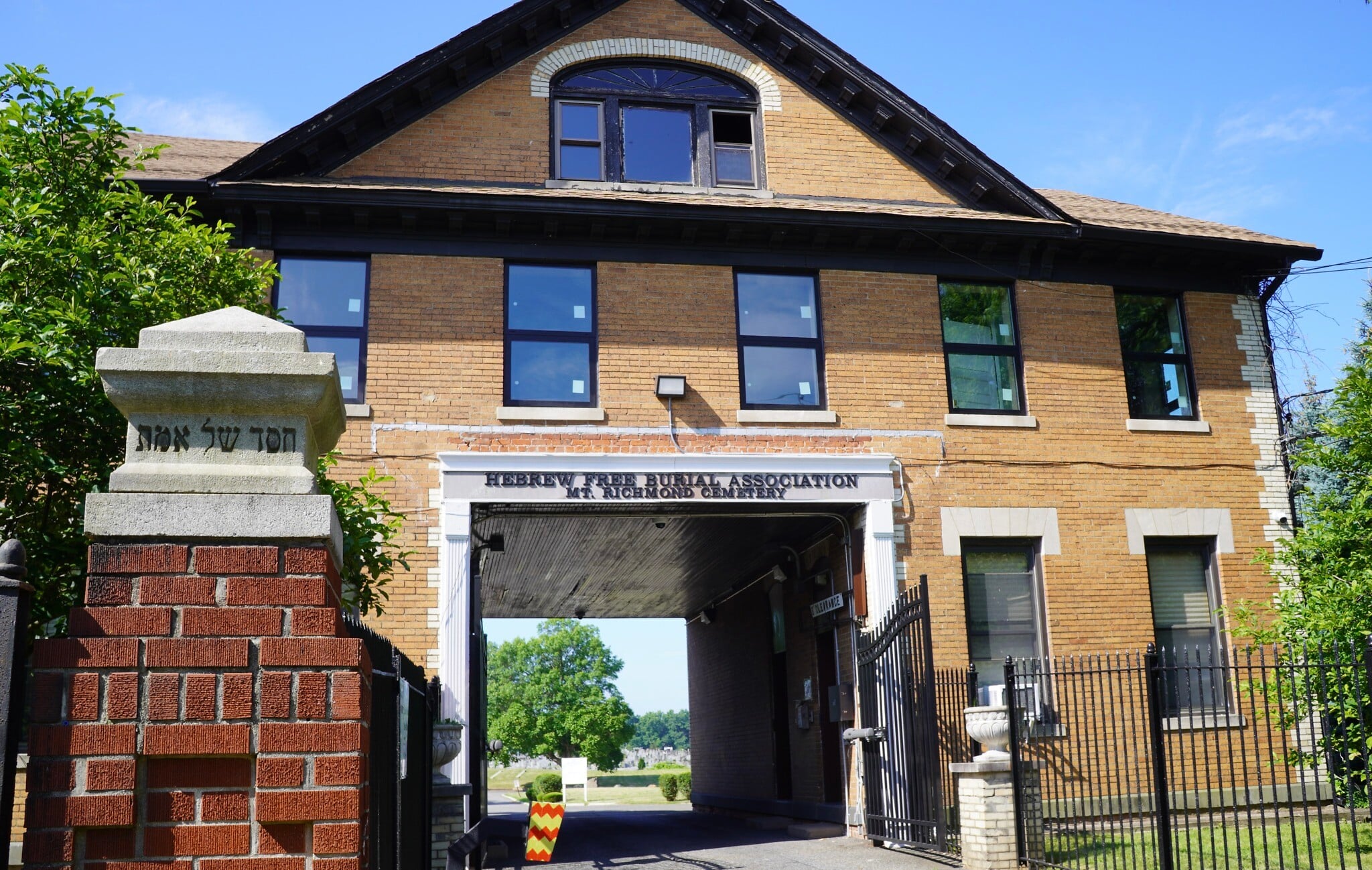
Two days later, her impoverished parents buried their daughter on a small rise in Mount Richmond Cemetery; something that would have been impossible without the help of the Hebrew Free Burial Association.
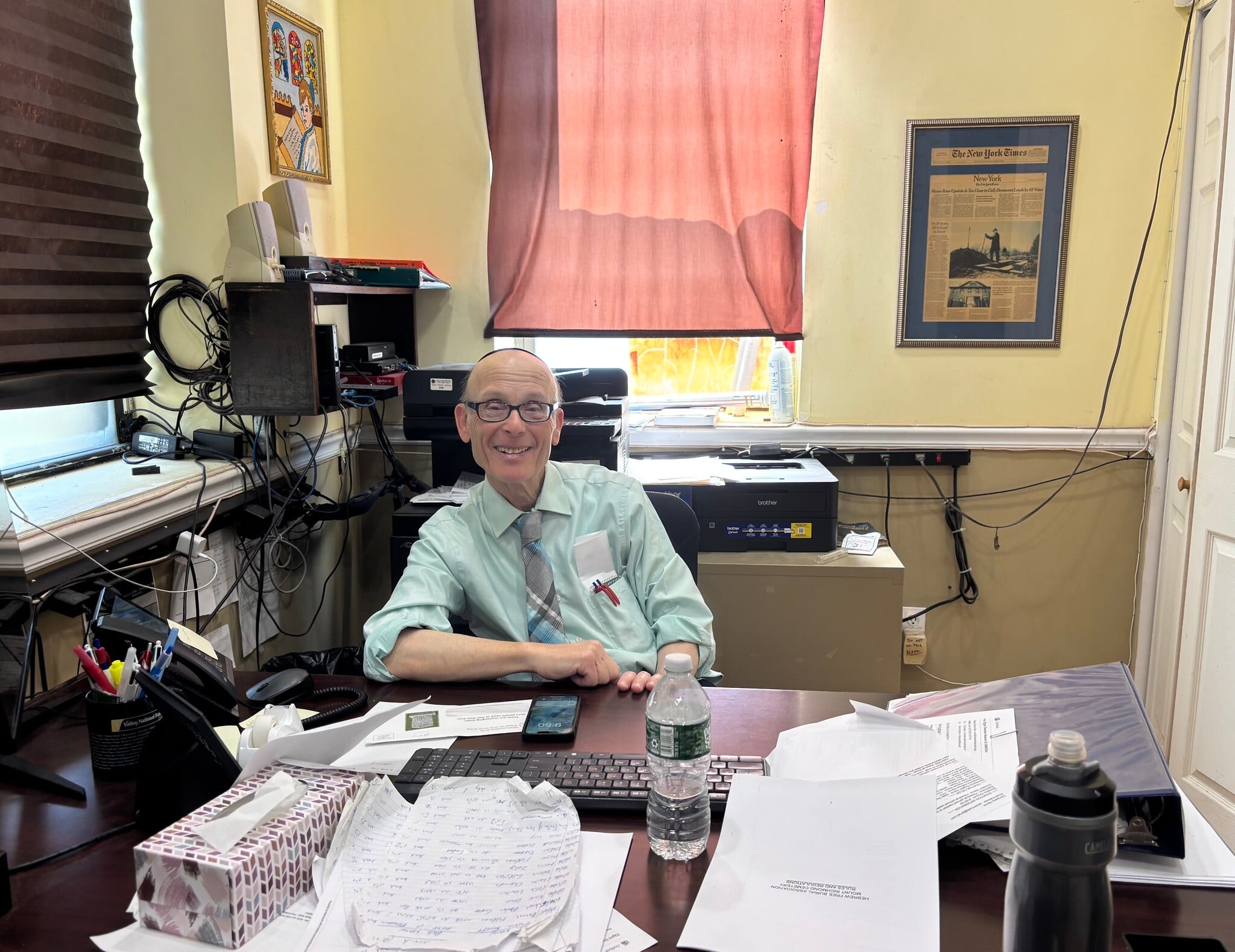
“It’s sad that someone might die alone, or not have anyone at their funeral, or that a family can’t afford it. But no matter what it is, our community takes over. We will bury the person as a fellow Jew, as one of our brothers or sisters,” said HFBA chaplain Rabbi Shmuel Plafker, sitting inside his office at the 23-acre cemetery.
Incorporated in 1888 as Chevra Agudas Achim Chesed Shel Emeth: The Society of the Brotherhood of True Charity, HFBA is the largest free burial society outside of Israel. Since its inception, HFBA has ensured that no matter a person’s circumstances — whether they die without family in a nursing home, while incarcerated at Riker’s Island, or in their home with no money for their final arrangements — they will receive a dignified Jewish burial and funeral.
Seventeen other young women who also died in the Triangle Shirtwaist fire are buried near Kupferschmidt. There is Sarah Brodsky, 21, and her sister Ida, 15; their plots paid for by Sarah’s fiancé. And behind the Brodsky sisters is Jacob Bernstein, 38. One of only four men who died in the factory fire and the brother-in-law of one of the factory’s managers, Bernstein died while trying to open one of the factory’s locked doors.
“If you want to get an idea of what life was like in New York over the years, walk around the cemeteries,” said Amy Koplow, HFBA’s executive director.
“The cemeteries” refers to the two cemeteries HFBA operates on Staten Island: Silver Lake Cemetery and Mt. Richmond. Opened in 1892, Silver Lake reached capacity in 1909. The first burial at Mount Richmond was in 1909, and Koplow estimates there will be enough room for 20 to 30 more years.
Both cemeteries serve as the final resting place for ordinary New Yorkers as well as prominent rabbis and their families. Rabbi Raphael Reuvain Grozovsky, an Orthodox rabbi who helped rescue Jews from the Nazis, is buried at Mount Richmond, as well as the comedian Mel Brooks’ grandparents.
Originally, HFBA primarily served immigrants such as Kuperferschmidt who lived crammed into tenements in the Lower East Side.
“What little they may have had quickly vanished for doctor’s services and medicines, and even their belongings were pawned by them to obtain the wherewithal to save their loved one from the grim monster — death,” reads an HFBA annual report from 1900.
“So many of those buried here lived on the margins of society. They might have been in homeless shelters or gone straight from the hospital to the morgue. Some of the bodies have lain in the morgue for six months or more,” Koplow said.
Indeed, not much has changed in New York City when it comes to unclaimed bodies — most will be buried in the city cemetery on Hart Island. But before that happens, their body will first be sent to the city medical examiner, and if it’s known, their name entered into a national database. HFBA staff and volunteers regularly scroll through these lists for apparent Jewish names. Once someone’s Jewish identity is confirmed, HFBA starts the proceedings to give them a Jewish burial.
In more than a century of operation, HFBA staff have tracked down hundreds of unclaimed bodies that were sent to medical, dental, chiropractic, occupational therapy or physical therapy schools for dissection. They have also had bodies disinterred from the city cemetery.
It’s painstaking work, Koplow said.
“You’ve got to hang in there and keep pressing until someone says, ‘I give you permission.’ Otherwise, the body goes to Hart Island, where it’s buried in trenches, many bodies deep, and is unmarked,” Koplow said.
Once HFBA claims a deceased person, the next step is giving them a proper Jewish burial. According to Jewish law, a person must undergo a tahara, or ritual washing of the body, before burial.
At Mount Richmond, that’s done on-site. Opened in 2014, the cemetery’s tahara facility is located inside the original stone cutter’s workshop, where, decades ago, grave markers were made.
Efrem Reis, HFBA’s assistant director, points out the flickering memorial candle as he steps inside.
“We light it to signify there is a person inside the facility waiting for burial, and also it’s a way to honor them,” he said.
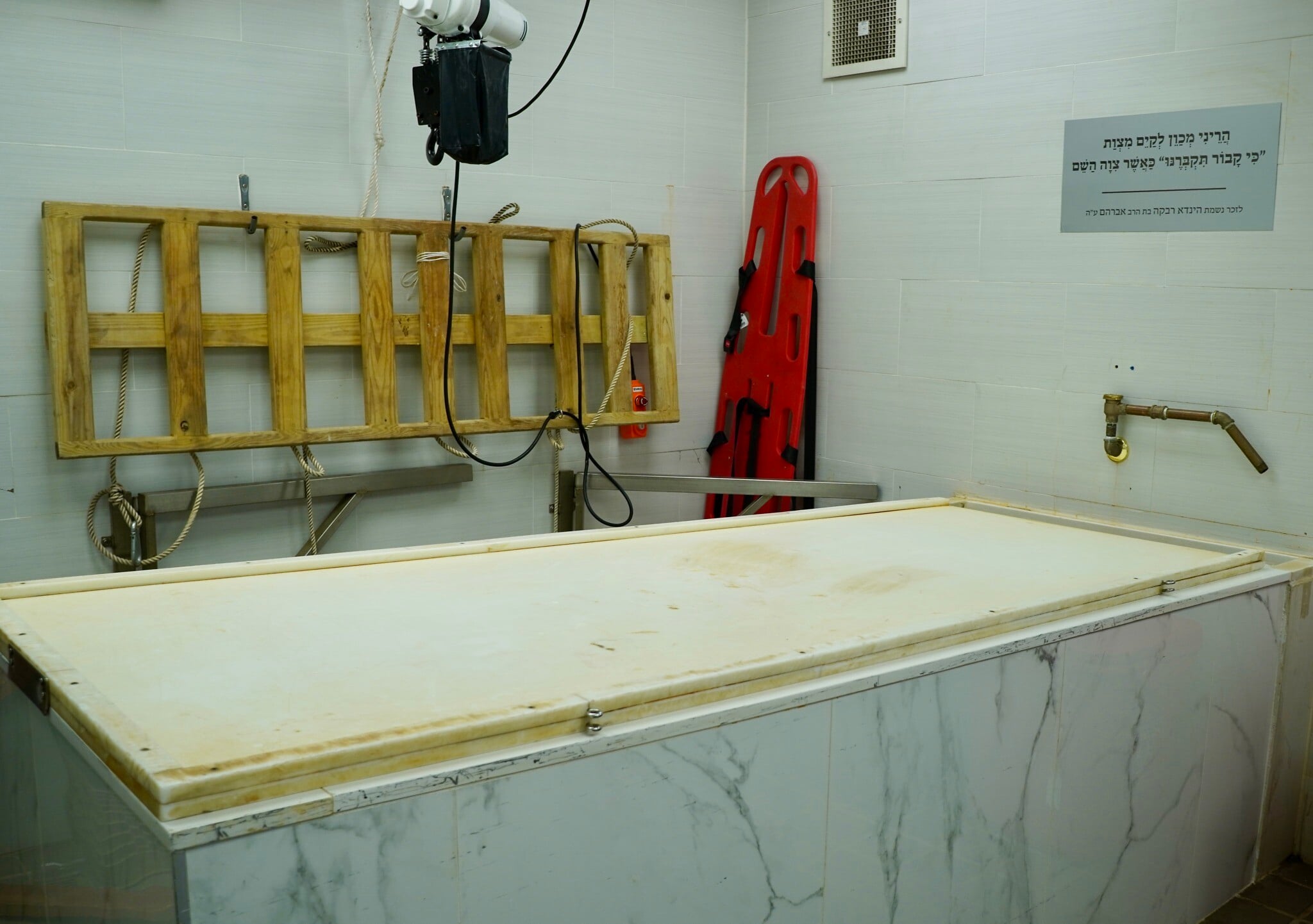
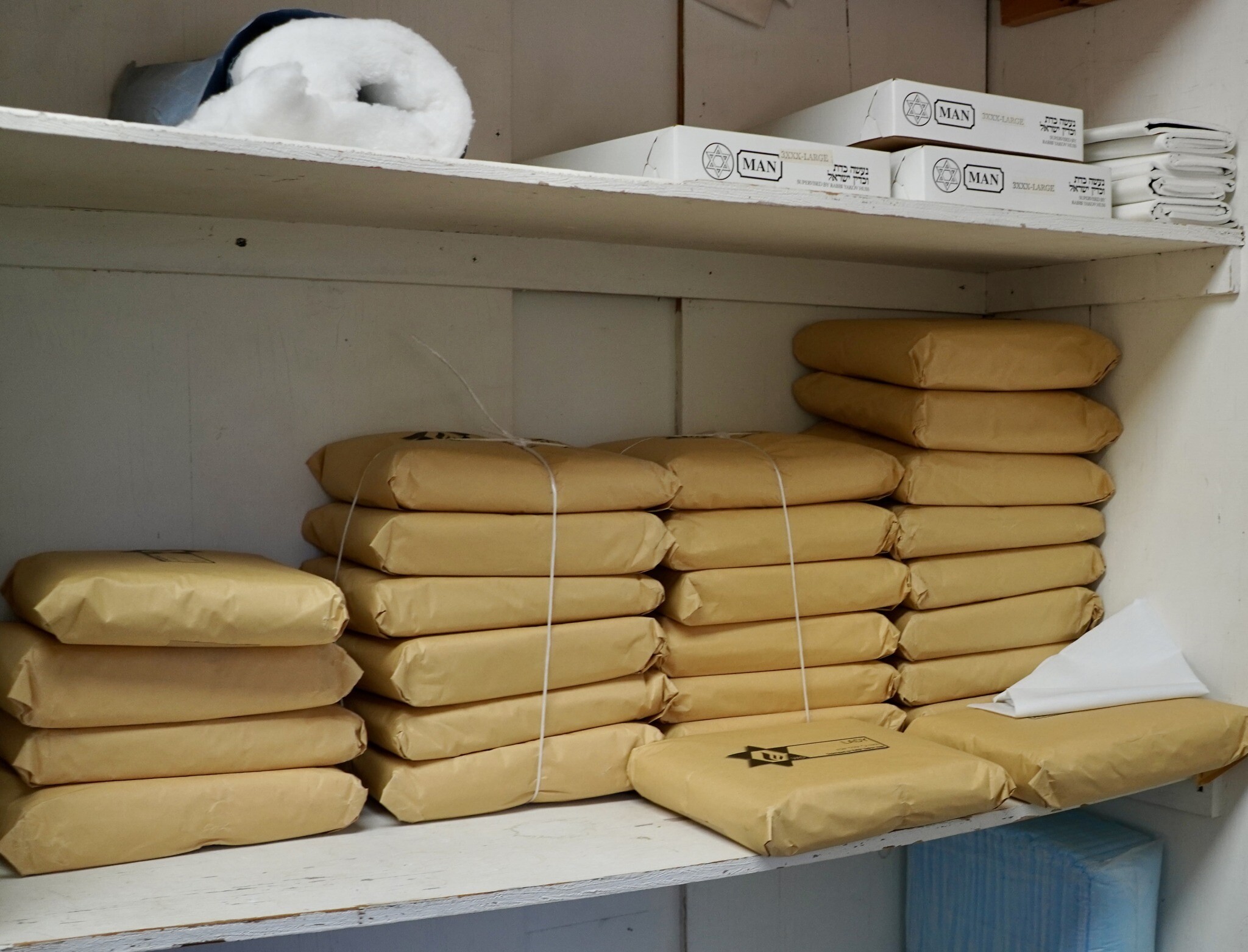
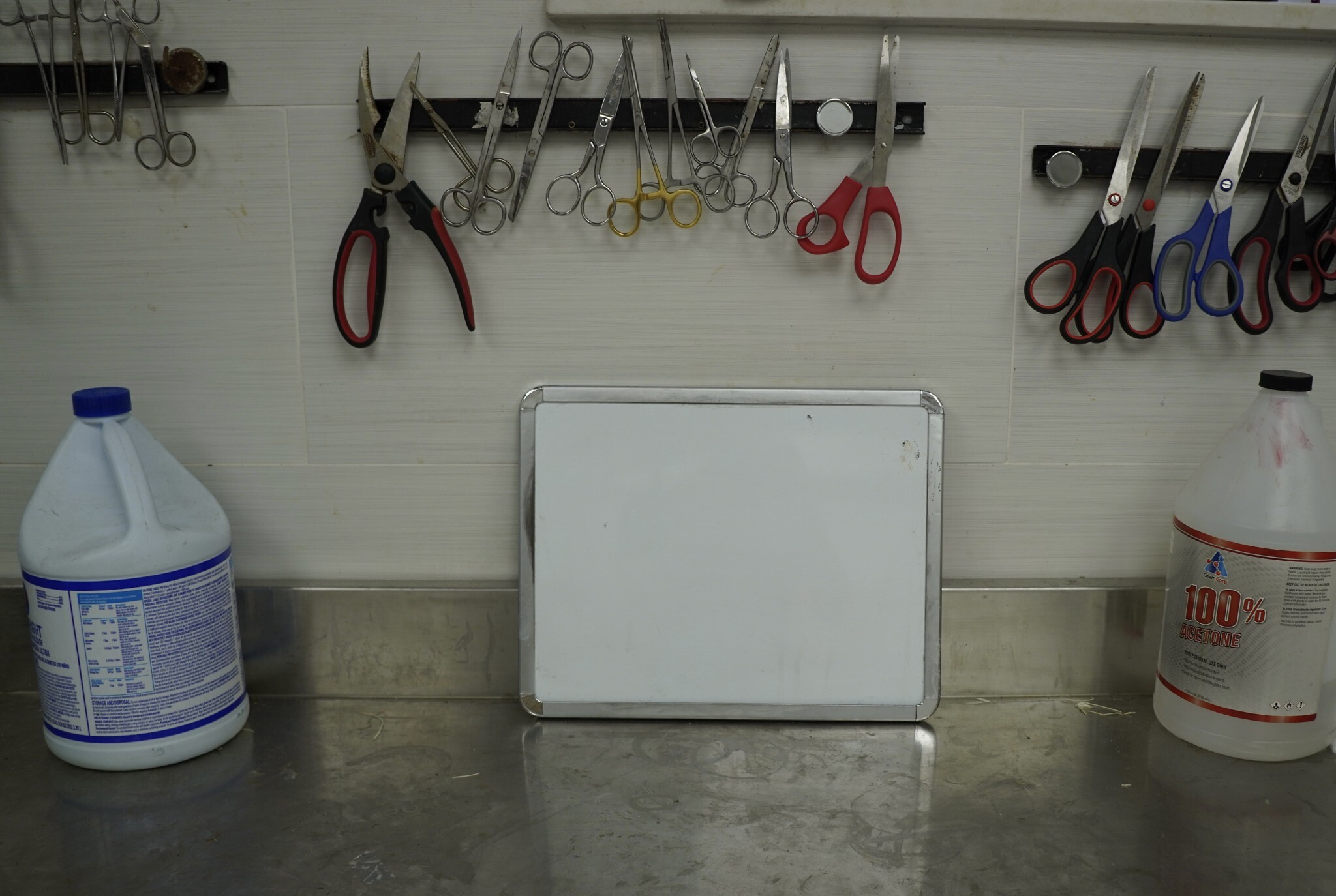
Stacks of shrouds wrapped in brown paper sit on wooden shelves outside the room where the chevra kadisha, or Jewish burial society, attends a person. Inside, a dove-white marble mikveh, or ritual bath, dominates the space. A small whiteboard leans on one of the counters.
“The chevra always writes the person’s name there. I am always in awe of how thoughtful and intentional everything they do is, all while not speaking,” Reis said, referencing the custom to work in complete silence while performing the ritual cleansing out of deference to the deceased and the divine presence, which is said to rest where a tahara is performed.
Near the facility is a field of nearly identical square granite headstones. The majority of those marked in this place died between 1916 and 1920.
“This is one of the saddest sections in Mount Richmond. There are a mind-blowing number of babies and children who lived very short lives buried here,” Koplow said, standing before the graves of Benjamin and Anna Demschitz. The siblings died days apart, Anna on June 29, 1916, Benjamin on July 2.
The headstones are part of the decades-long Leave Your Mark campaign, a fundraising effort to ensure that every burial plot has a gravestone. To date, more than 20,000 previously unmarked graves at both of HFBA’s cemeteries now have markers.
Koplow reflects on what it would have been like at the cemetery in the early 1900s.
“Normally, when we have five cases a day — like in February — it’s a big day. I can’t imagine what it looked like here after the Triangle fire or the 1918 flu pandemic,” Koplow said, adding that as there was no modern equipment at the time, “they were digging by hand.”
The closest thing to the experience of the early 20th century occurred during the height of the COVID-19 pandemic several years ago.
“We did 50 percent more burials during COVID. Over 250 victims got buried then. They got taharas and a rabbi was there. We ran out of tallitot, our staff worked around the clock,” she said, referring to the ritual fringed garments in which Jews pray and are ultimately buried in.
Plafker recalled that difficult time.
“Sometimes it was just me and the groundskeepers. It was lonely,” Plafker said.
Over time, the cemeteries’ demographics have changed.
Today, about one-third of the 55,000 people buried at Mount Richmond come from the Russian-speaking communities of Brighton Beach and Sheepshead Bay. Because of this, HFBA’s quarterly newsletter, Chesed, is written in both English and Russian — as are the signs at Mount Richmond.
Now, as then, HFBA, which has an annual operating budget of around $2.5 million, relies primarily on donations and government grants.
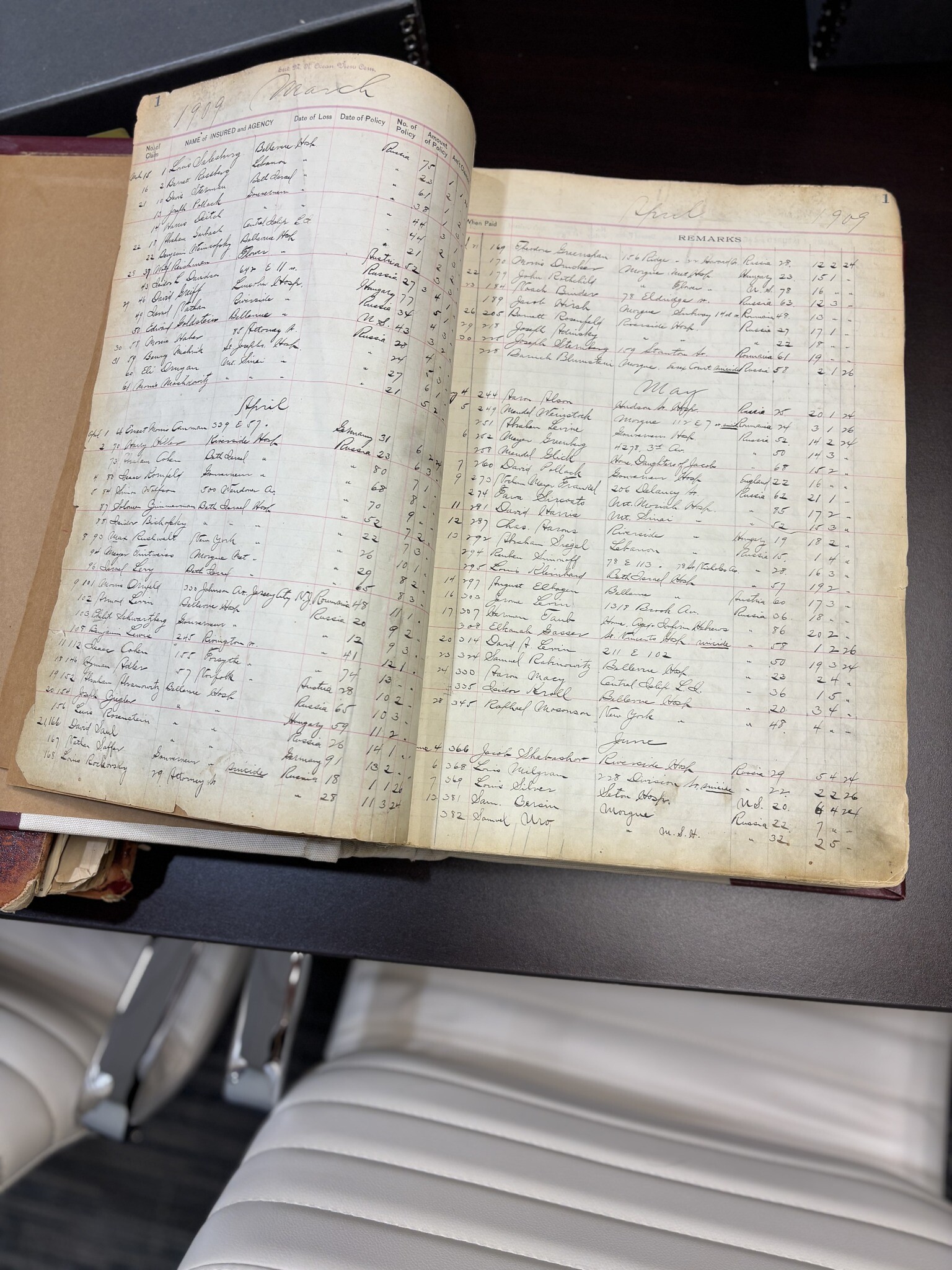
For example, after the Triangle Shirtwaist Factory fire, the Red Cross Emergency Relief Committee donated the equivalent of $1,000 to help with burials, according to elegantly calligraphed ledgers in HFBA’s archives on Maiden Lane in Manhattan.
The need continues, Koplow said, yet “keeping up a cemetery is not a sexy cause.”
Each tahara and burial costs approximately $5,400. HFBA also offers two different Kaddish services, or the prayer for the dead, according to its website. Kaddish will be said daily during the first year after death, as per the custom, for a $360 donation. For $180, Kaddish will be said every year on the anniversary of a person’s death, or yahrzeit.
Nowhere is the need for donations as apparent as at the 4.5-acre Silver Lake Cemetery.
It was the first of HFBA’s cemeteries to serve the poor and huddled masses. There are now about 13,600 people buried there, such as Dr. Israel Darmond. Born in Tangier, Morocco, in 1873, Darmond died in 1927 at the age of 54. Or people like 17-year-old Leon Landau, who died aged 17 in 1908.
In 2017, HFBA received a $500,000 historic preservation grant from New York State, which it was required to match, and did, drawing from previous donations. Fencing around the cemetery was replaced, more than 180 secondary growth trees were uprooted, and toppled grave stones were righted. At the time, ground-penetrating radar was used to try to determine each plot so that headstones could eventually be erected on unmarked graves.
However, because of how the ground has shifted over time, it’s impossible to tell where one grave ends and another begins, Reis said. Instead, the plan is to build a memorial near the entrance to honor both the named and unnamed dead who are buried there.
In the dimming afternoon light, Koplow and Reis bent down and brushed away dried grass, revealing the gravestone of Solomon Matz. “Hebrew Veteran of the Spanish American War,” it read.
Matz was killed in action at the age of 23 in Manila on March 27, 1900, but his family couldn’t afford to have him sent home for burial. Eventually, with the help of HFBA, Matz’s body was disinterred and shipped home.
“You know you’ve done something that nobody could step forward to do, the ultimate chesed,” Koplow said, invoking the euphemism for Jewish burial, the chesed shel emet, or true kindness, called such because the beneficiary has no way to repay the favor.
“For me, knowing you’re doing the ultra-right thing. It’s one of the most important things you can do as a Jew for a Jew. It’s the ultimate act of loving kindness,” she said.