Thousands in Iran mourn slain top commanders under heavy security presence
Mass funeral held for army chief of staff Moussavi, Revolutionary Guards chief Pakpour, defense minister Nassirzadeh, and top security adviser Shamkhani
TEHRAN, Iran (AFP) — Thousands of people in Tehran defied ongoing bombardments on Wednesday to publicly mourn commanders killed by US-Israeli strikes, in the largest gathering since the start of the war.
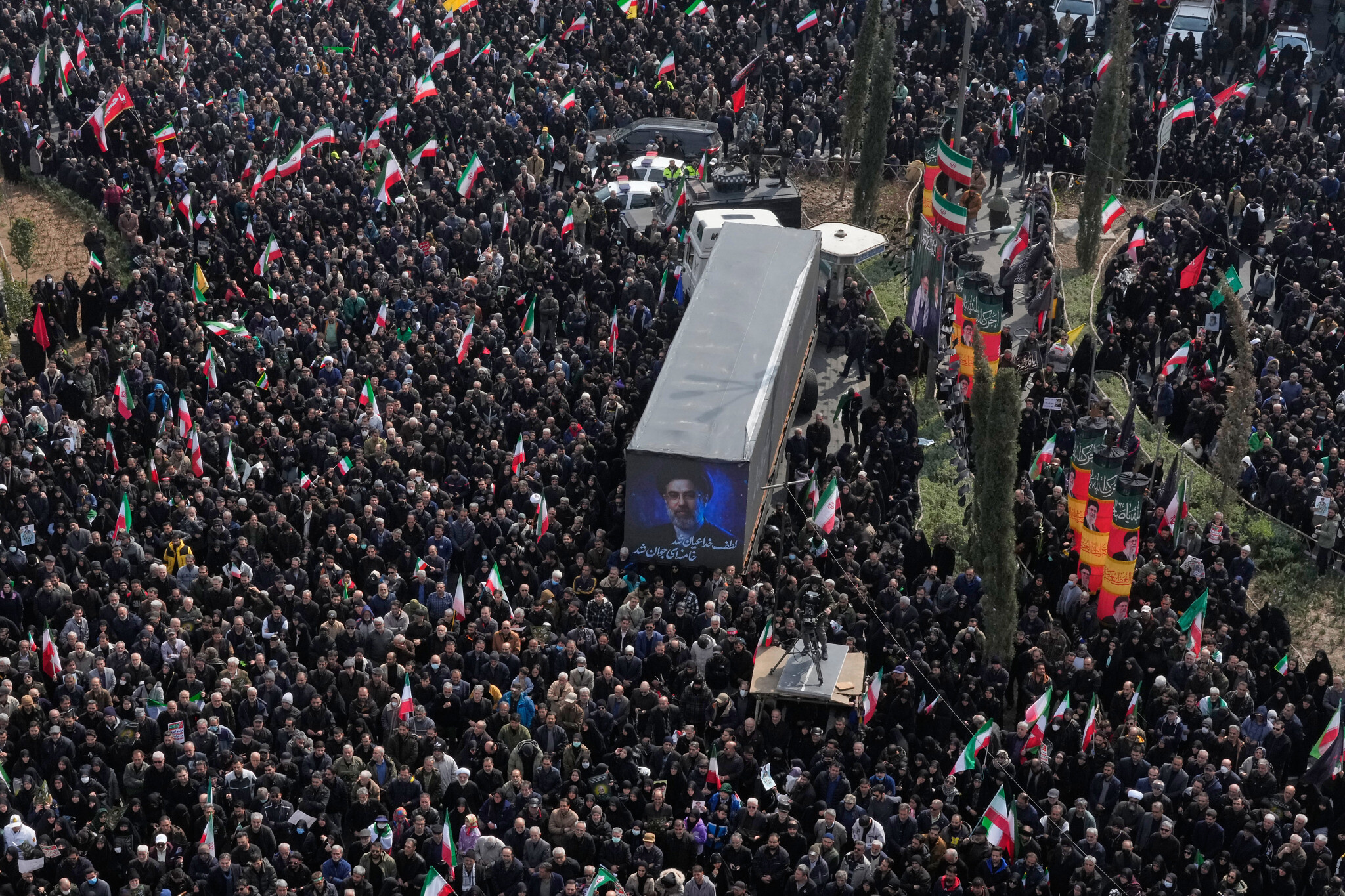
In the otherwise mostly deserted Iranian capital, the funeral crowds gathered at the symbolic Enghelab Square, offering a stark contrast to the vacant avenues in the surrounding areas.
Mourners paid their respects under a ubiquitous security presence as special forces, heavily armed and wearing balaclavas, remained on high alert throughout the ceremony.
One officer was clad in a black scarf bearing the image of late supreme leader Ayatollah Ali Khamenei, killed on the first day of the US-Israeli strikes on February 28, after 36 years in power.
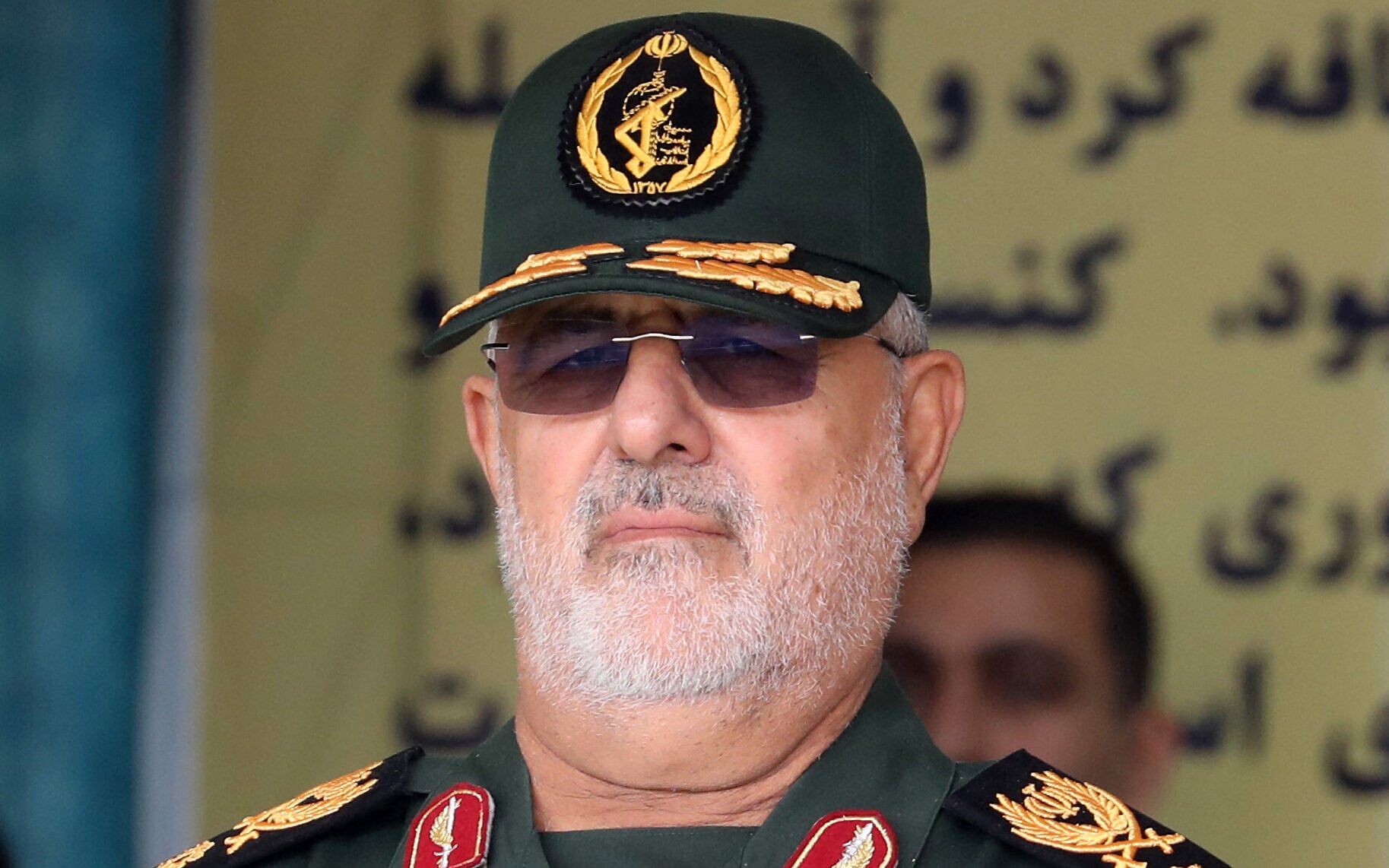
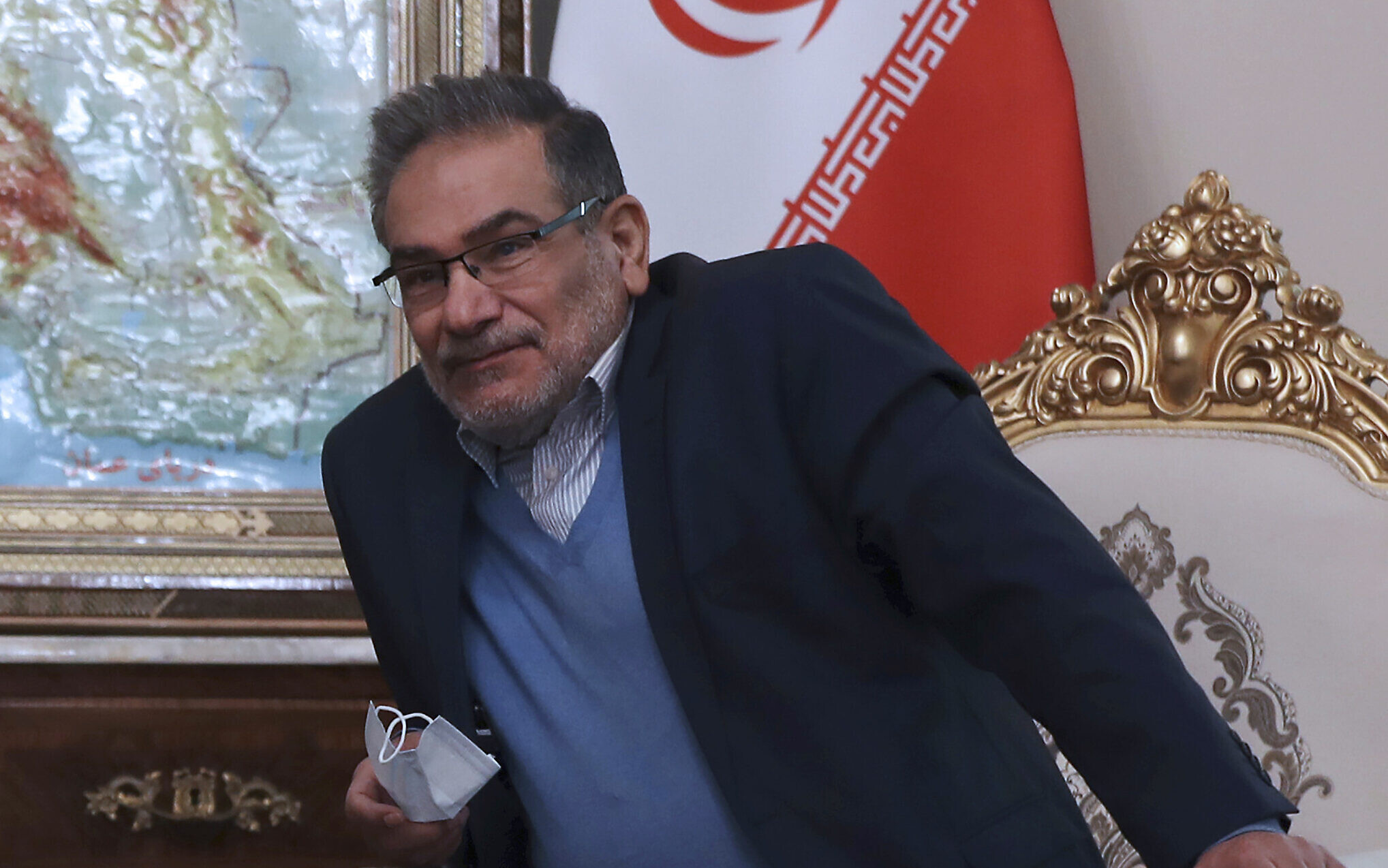
Armed forces chief of staff Abdolrahim Moussavi, Revolutionary Guards chief Mohammad Pakpour, defense minister Aziz Nassirzadeh, and influential security adviser Ali Shamkhani were also killed in simultaneous strikes.
On Wednesday, trucks carrying the coffins of the top officials and their entourage formed a procession through central Tehran.
An AFP journalist saw one small coffin bearing a picture of its victim, a two-month-old baby, alongside the Iranian flag.
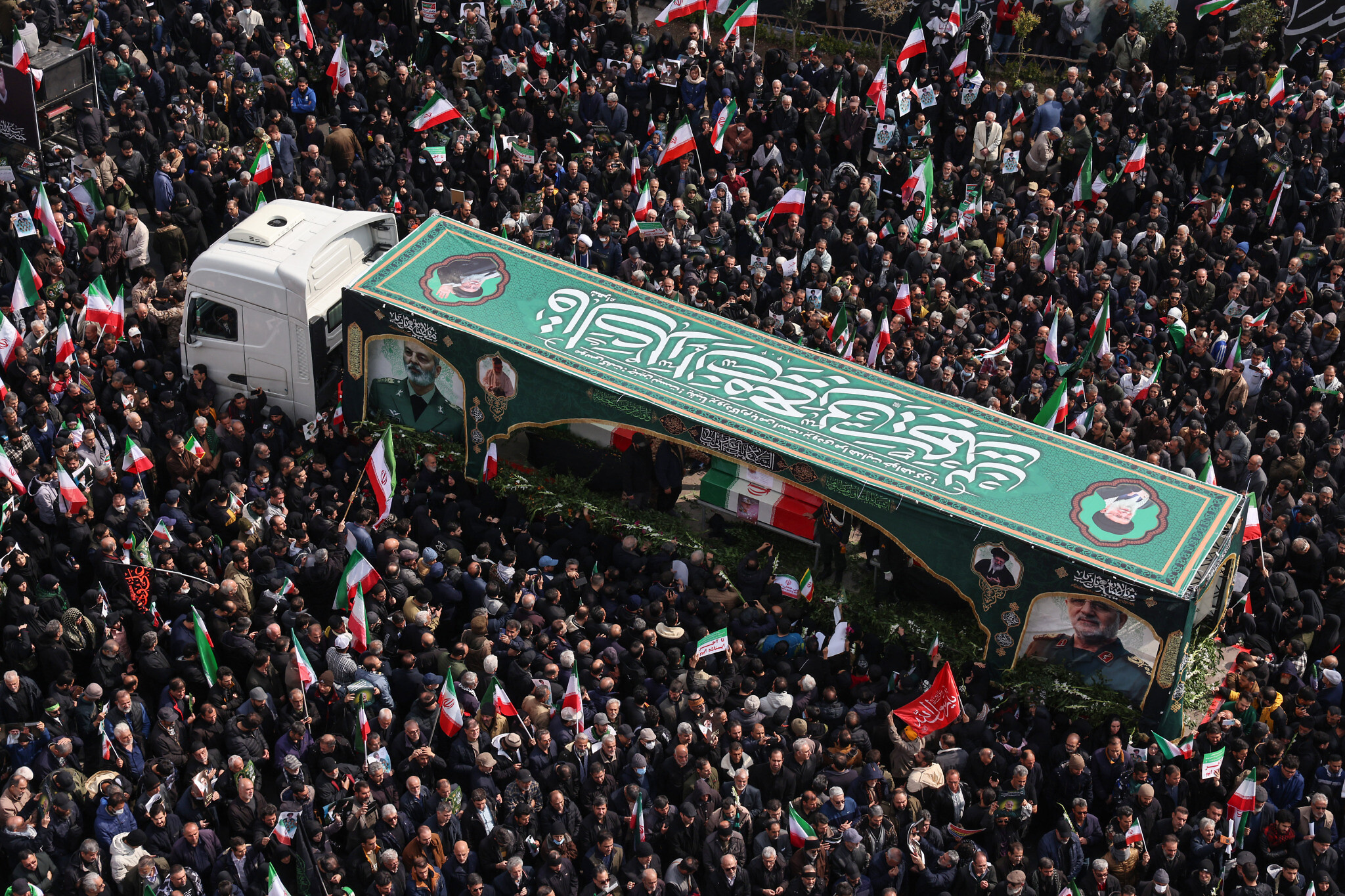
Revolutionary Guards personnel stood guard over the somber occasion, taking place under a grey sky and unusually cold temperatures, just days before the Nowruz springtime celebration.
The mourners, many of them women dressed in black chadors, bore flags and flowers to a soundtrack of religious music.
‘Death to America!’
Teenagers, meanwhile, held up pictures of Ali Khamenei alongside images of his son and successor, Mojtaba Khamenei, who was injured in the same raid that killed his father, his wife, and his mother.
The 56-year-old has yet to make any public appearances since being selected for the top post over the weekend.
The procession progressed along avenues lined by buildings with blown-out windows and damaged facades.
On the burned-out shell of a car was emblazoned the tagline “Make Iran Great Again” — a reference to the catchphrase used by US President Donald Trump, who has called on Iranians to rise up against the clerical state.
Suddenly, the voice of an announcer cut through the ceremony to announce a new Iranian attack against its enemies.
In response, the crowd chanted in unison, “Allahu akbar” (God is the greatest).
The announcer then proceeded to sweep the crowd up into a frenzy of shouts of “Death to America!”, “Death to Israel!”
The show of defiance comes as the Islamic Republic is embroiled in a war on several fronts, fighting its traditional foes but also launching unprecedented attacks across the wider region.
It is also grappling with the prospect of a complete overhaul as the US and Israel, but also members of the Iranian diaspora, call for the end of the clerical state, two months after unprecedented protests in the country.