Three killed in latest Houthi attacks on Riyah airport, Saudi authorities say
Iran-backed Yemeni rebels repeat threat to aircraft over Saudi Arabia, later report two killed in Saudi strikes on Sanaa airport; flights to Riyadh scrapped ahead of major oil expo
Two attacks on Riyadh airport killed three Saudi nationals on Thursday, authorities said Friday, as Yemen’s Houthis stepped up missile strikes on the kingdom and tried to shut down its airspace, spooking some airlines and aviation officials.
The Iran-backed Yemeni rebels had said Thursday that they struck King Khalid International Airport with two cruise missiles.
The strikes, which also wounded several people, damaged a Saudia Airlines plane and sent smoke billowing over the airport. The airline said one of its employees was among the fatalities.
Meanwhile, Houthi media reported Friday that Saudi strikes on the airport in Sanaa killed two people, part of an intensifying air war aimed at reversing the Houthis’ recent attacks, territorial gains and threats to international shipping. The civil defense agency in the rebel-held Yemeni capital reported putting out four fires caused by Saudi strikes, including one that the agency said destroyed a factory.
Earlier Friday, Houthi officials and affiliated media said Saudi airstrikes hit Houthi targets in Sanaa overnight.
A Saudi-led coalition backing government forces in Yemen said it had destroyed three missile launch platforms used by the Houthis and warned it would respond firmly to attacks on civilians.
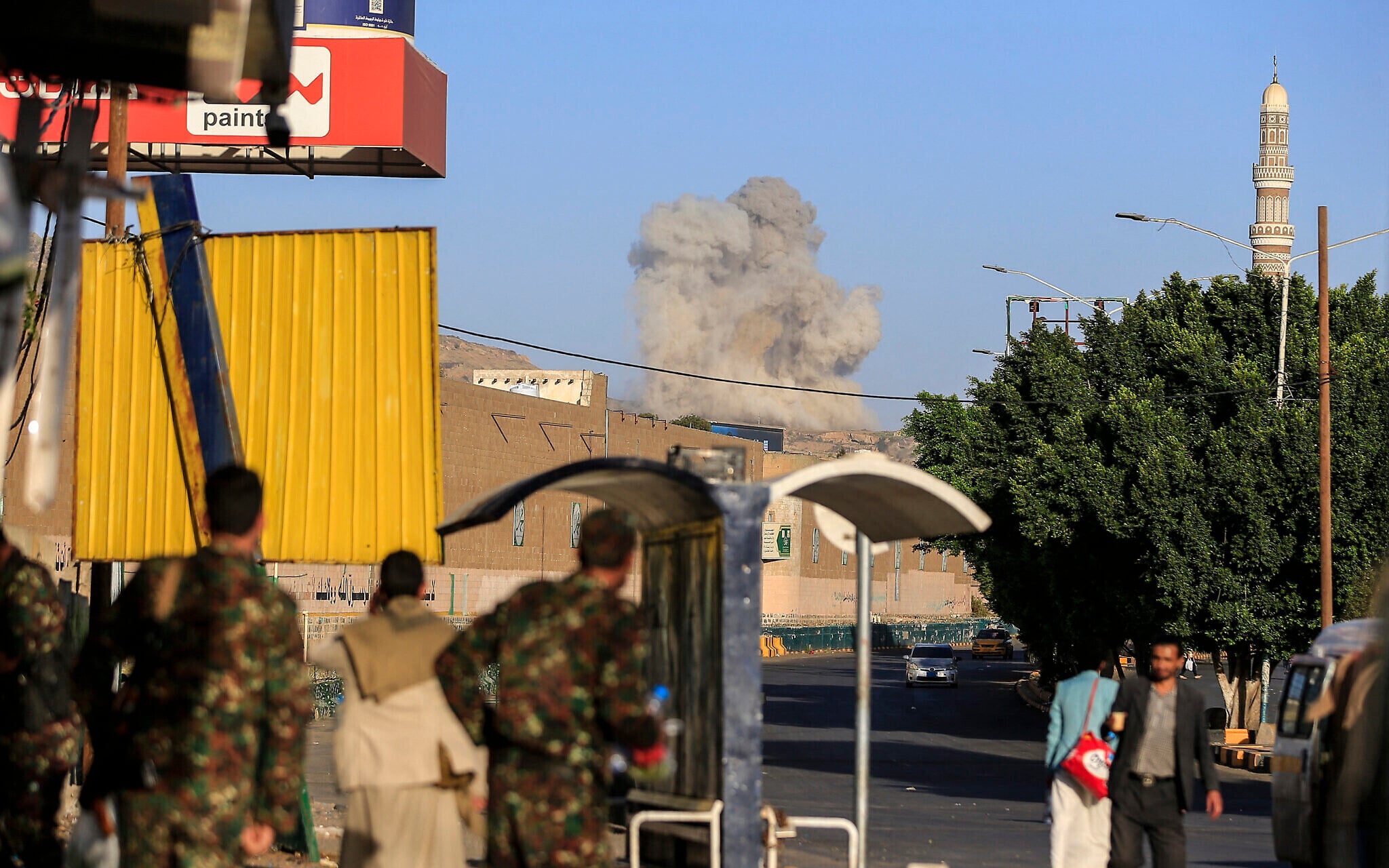
Saudi Arabia’s ambassador to Yemen, who has managed the kingdom’s engagement in Yemen for over a decade, also said in a social media post on Friday that the vital Bab el-Mandeb strait had been cleared of Houthis.
Reuters was unable to verify the claim. However, Houthi forces remain in Mocha, a little way up the coast, with government forces now focused on a battle in nearby hills that overlook the region.
Airlines suspend Riyadh flights
The Houthis, who have encircled Yemeni government forces in Yemen’s third-largest city of Taiz and are trying to defend positions on the Red Sea coast against a Saudi-backed offensive, had already killed three people with strikes on airports in the kingdom earlier this week.
On Friday, the rebels repeated their threats against aircraft flying over Saudi Arabia, except above the holy Muslim cities of Mecca and Medina, describing Saudi airspace as a theater of operations for its missile forces.
The Saudi civil aviation authority said operations at the Riyadh airport were back to normal on Friday, though global flight tracker Flightradar24 showed 131 flights to and from Riyadh had been canceled by 1305 GMT on Friday after hundreds of cancellations the previous day.
Riyadh airport is Saudi Arabia’s second-busiest airport after Jeddah, having handled 296,800 flights in 2025, equivalent to about 813 a day, according to Saudi Arabia’s General Authority for Statistics.
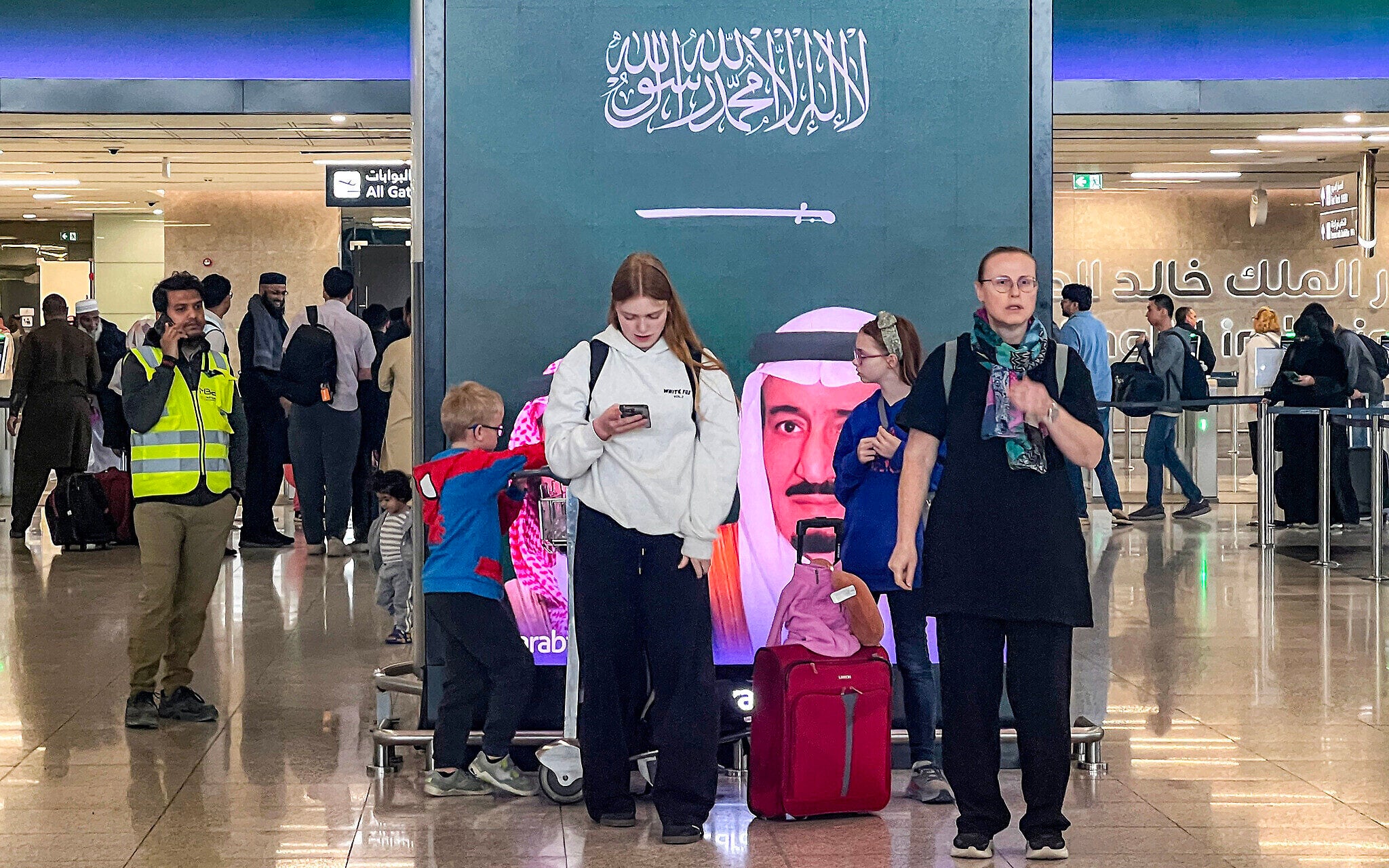
Among the airlines that canceled flights to and from Riyadh following Thursday’s attacks were members of the multinational German-based Lufthansa Group and three Indian carriers.
Gulf airlines were also affected, with Etihad Airways saying “operational disruption at Riyadh airport” led the Emirati carrier to cancel six flights between Abu Dhabi and Riyadh on Friday, and two more scheduled for Saturday.
Fellow Emirati airline flydubai also said it was canceling flights between Dubai and several locations in Saudi Arabia over the weekend.
“Flights to Riyadh and Yanbu have been canceled up to and including 10 October, while flights to Abha have been canceled up to and including 11 October,” a flydubai spokesperson said.
Also following Thursday’s attacks on Riyadh airport, the European Union Aviation Safety Agency said it was extending the area of Saudi airspace in which it advised airlines not to fly. EASA added an area in northwestern Saudi Arabia to the advisory.
“Recurrent missile and drone attacks, together with the activation of air-defense systems, create an increased risk of misidentification of civil aircraft, as well as risks associated with missile and drone overflights, interception activity and falling debris,” the regulator said in an update to a conflict zone information bulletin first issued on September 30.
Recent attacks also demonstrated the Houthis’ ability and intent to strike targets deeper inside Saudi territory, including the capital, the EU regulator said.
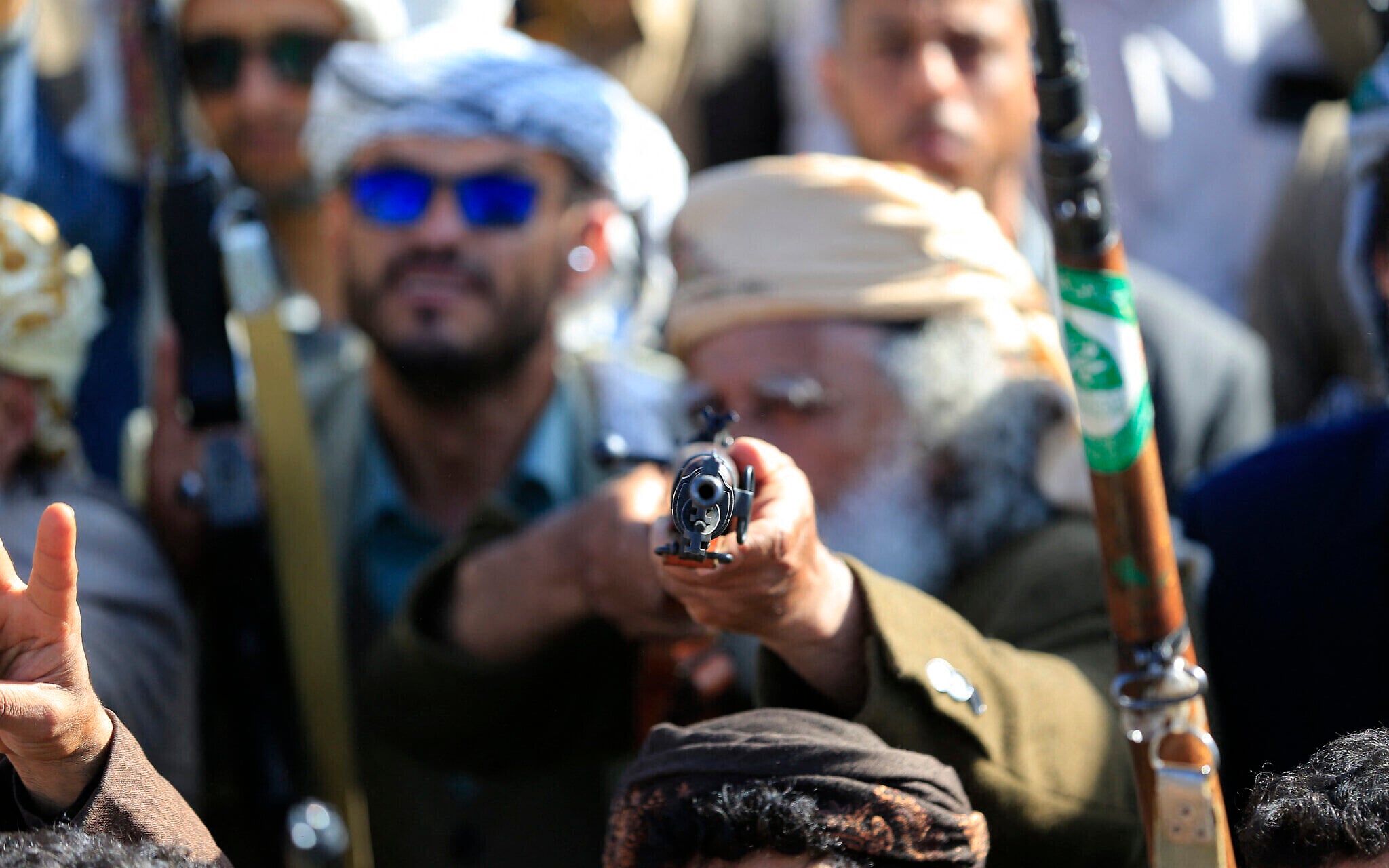
OPSGROUP, a membership-based organization with almost 10,000 aviation professionals that shares flight risk information, on Friday also sent members a “do not fly” warning for Saudi Arabia, citing risks of sustained missile attacks and “misjudgment” in defensive responses.
“We now recommend avoiding operations in Saudi Arabia entirely, including the use of Saudi airports as en route alternates,” OPSGROUP said in a memo shared with Reuters.
The US embassy in the United Arab Emirates also warned US citizens to exercise increased vigilance, citing Houthi attacks on civilian targets in Saudi Arabia and saying the hostilities could rapidly escalate.
Riyadh is due to host the WPC Energy Congress, a major meeting of oil ministers, other government officials and oil company executives, starting Sunday. The conference was still being advertised on Friday.
Italian energy minister Gilberto Pichetto Fratin said he would not attend in person, but take part via video. Fratin did not give a reason for his decision.
Bitter fighting in Yemen
Yemen’s civil war has rapidly emerged as the fiercest front in a wider regional conflict sparked when the US and Israel launched a joint bombing campaign on Iran on February 28 in a bid to destabilize the Islamic Republic regime and destroy its ballistic missile and nuclear programs.
The conflict has wrought havoc on vital oil shipping routes in the region, with the Houthis firing on shipping in the Red Sea and its southern gateway, the Bab el-Mandeb strait, further squeezing Gulf oil supplies, while Iran continues partially blocking the Strait of Hormuz.
Last month, the Houthis staged a lightning advance down Yemen’s Red Sea coast to take full control over the coastline around the strait, prompting Saudi Arabia to re-enter the long-dormant conflict and back a government counteroffensive.
On Monday, Riyadh-backed Yemeni government forces took back territory around the Bab el-Mandeb coastline after intense Saudi airstrikes. The fighting continues there.
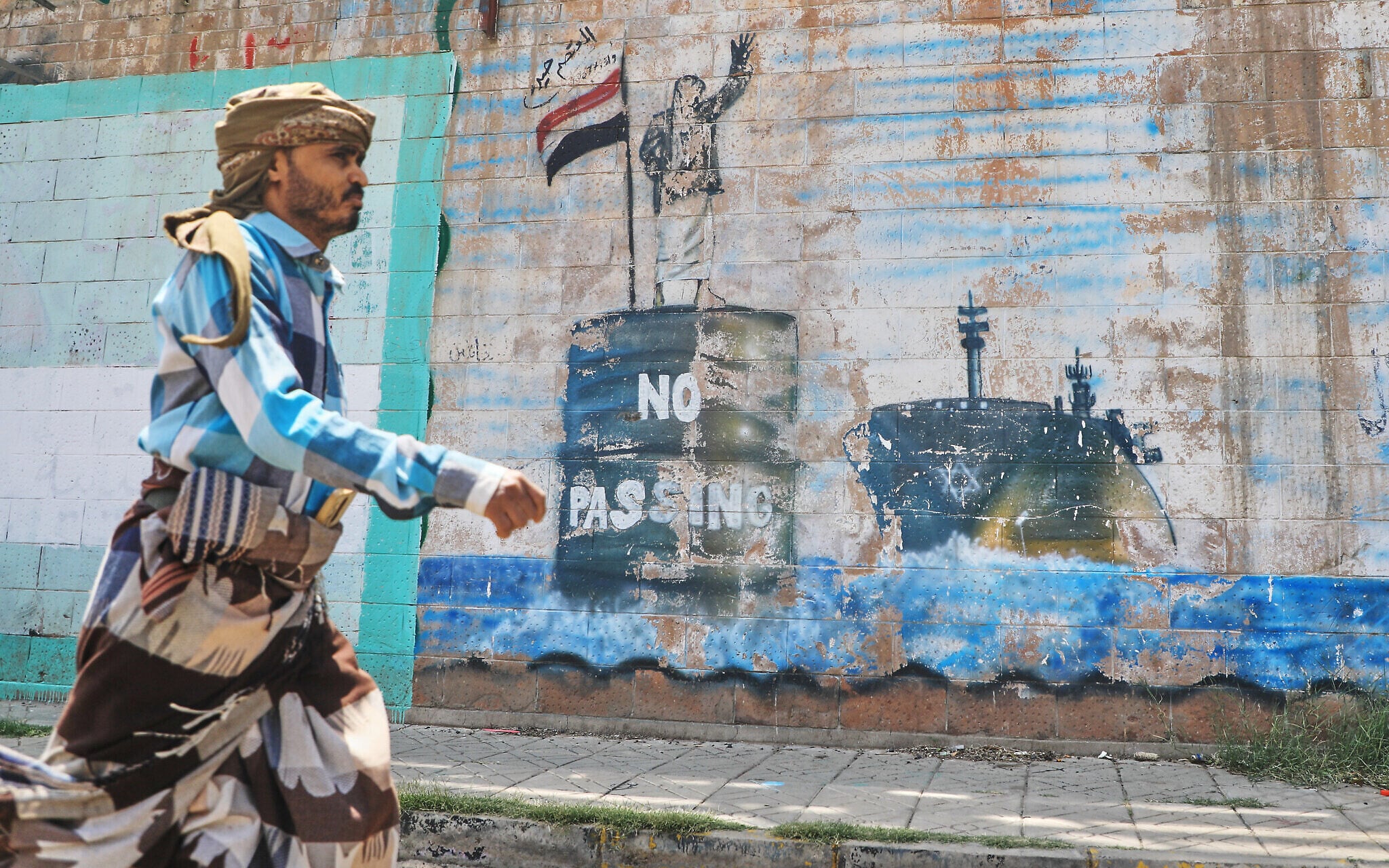
The Houthis have also managed to cut off a key road connecting Taiz, a city of more than half a million people with a garrison of thousands of pro-government fighters, with advances in mountain districts.
The group — whose banner reads “Death to America, death to Israel, a curse on the Jews” — has announced repeated rounds of ballistic missile fire at Saudi Arabia.
Saudi Arabia is seeking assistance from Pakistan and Turkey, its partners in a mutual defense pact, to help ward off Houthi attacks, and has pushed for wider help from allies to aid it in reversing the group’s gains inside Yemen.
AFP and Times of Israel staff contributed to this report.