To prevent a repeat of defections, Bennett said seeking unprecedented control over new party
After his 2021-2022 government was brought down by revolts in his party, the former PM plans to hold on closely to the levers of political power when he next runs for office
In an apparent effort to prevent a repeat of the defections that brought down his previous government, former prime minister Naftali Bennett has reportedly structured his recently established “Bennett 2026” political party so that he will be able to maintain complete control over it for the better part of the coming decade.
According to Channel 12, the new party’s regulations stipulate that Bennett will not only remain party chairman until 2034 but that he will also hold the position of Knesset faction manager. In addition, he will retain a monopoly on the selection of candidates for the party’s electoral list, personally choose ministers in any potential government and appoint members of his party to Knesset committees.
Bennett, who led the now-defunct right-wing Yamina party, has been out of office since the 2022 collapse of his diverse coalition government, which in 2021 ousted Prime Minister Benjamin Netanyahu from the premiership after 12 consecutive years, and following a period of political turmoil that saw four national elections held in three years.
Bennett’s government fell apart following the defection of multiple Knesset members from his party, starting with coalition whip Idit Silman in April 2022, whose departure deprived the coalition of its majority. She was soon followed by fellow MKs Amichai Chikli and Nir Orbach. (Both Silman and Chikli then joined Netanyahu’s Likud and now serve as ministers in his government.)
As the coalition slid toward dissolution, renegade lawmakers scuttled key legislation, Bennett’s top staffers left his office and, eventually, the coalition found itself unable to pass even routine legislation, forcing Bennett to announce the dissolution of the Knesset and send Israel to its fifth general election in under four years.
Shortly thereafter, facing the likelihood of electoral collapse in the next elections, Bennett himself split from Yamina and departed politics, heralding its collapse as a political force.
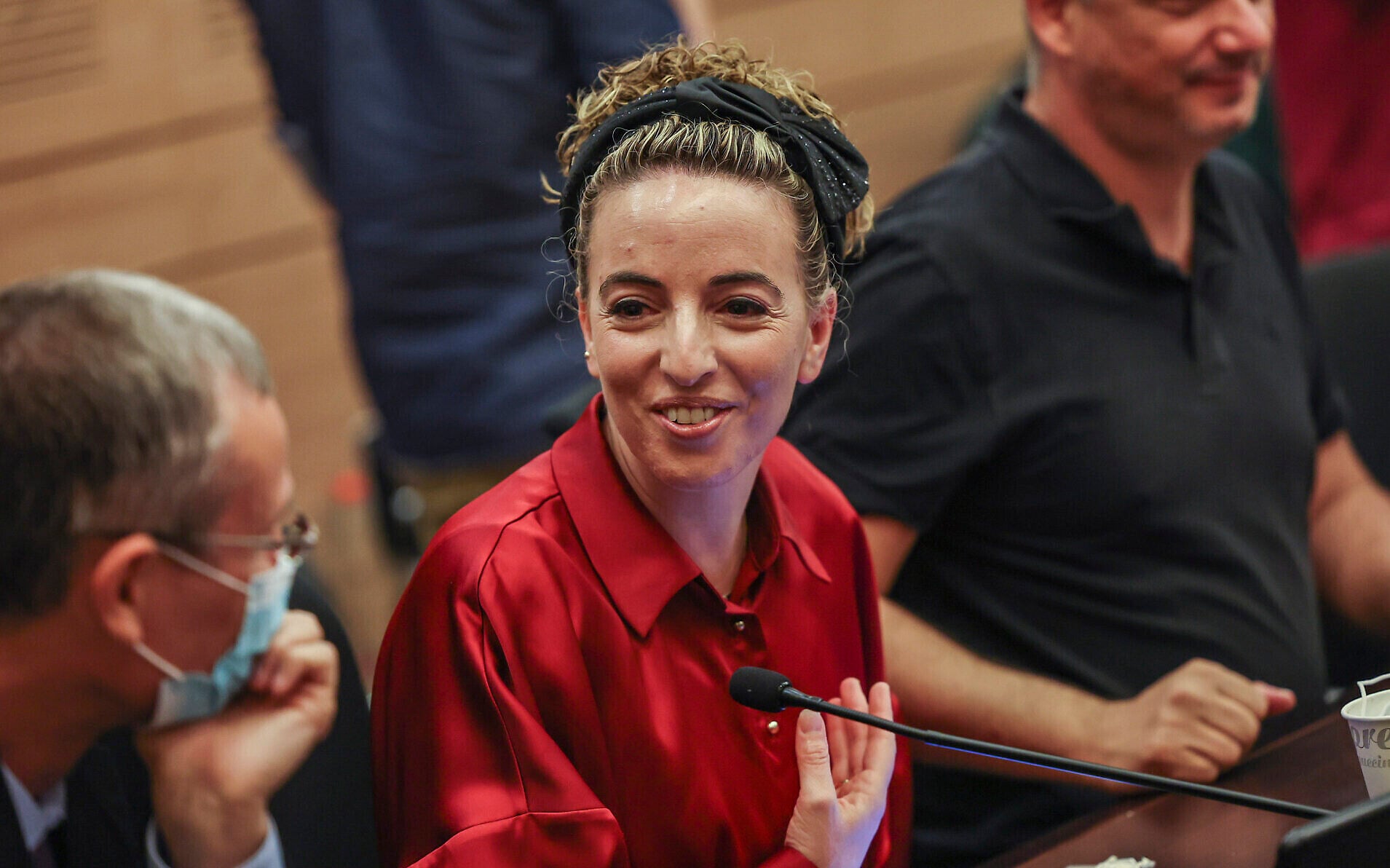
Following the outbreak of the war in Gaza, Bennett’s political fortunes have shifted yet again. He has risen in polls and is seen as a leading candidate in any new election.
Speculation about Bennett’s return to politics has been growing for some time, with Channel 12 reporting in September 2024 that the national religious politician had started making preparations for the formation of a new party, contacting more than 100 former Yamina activists.
Bennett has also met with various opposition figures over the past year. Last summer, New Hope chairman Gideon Sa’ar, then a member of the opposition, told The Times of Israel that he had met with Bennett and understood he intended to make a comeback. (Sa’ar has himself since joined Netanyahu in the government and turned on his former opposition allies.)
Bennett finally gave credence to the rumors last month when he announced the formation of a new political party under the temporary name “Bennett 2026.”
According to paperwork filed by the former prime minister and made public by the Israeli Corporations Authority last week, the new party will focus on strengthening Israeli security and integrating the ultra-Orthodox into the military and workforce.
“Bennett 2026” aims to “restore security to Israel, and restore the people’s trust in Israel’s ability to defend its borders and the interior of the country while implementing an active security concept,” the registration application stated.
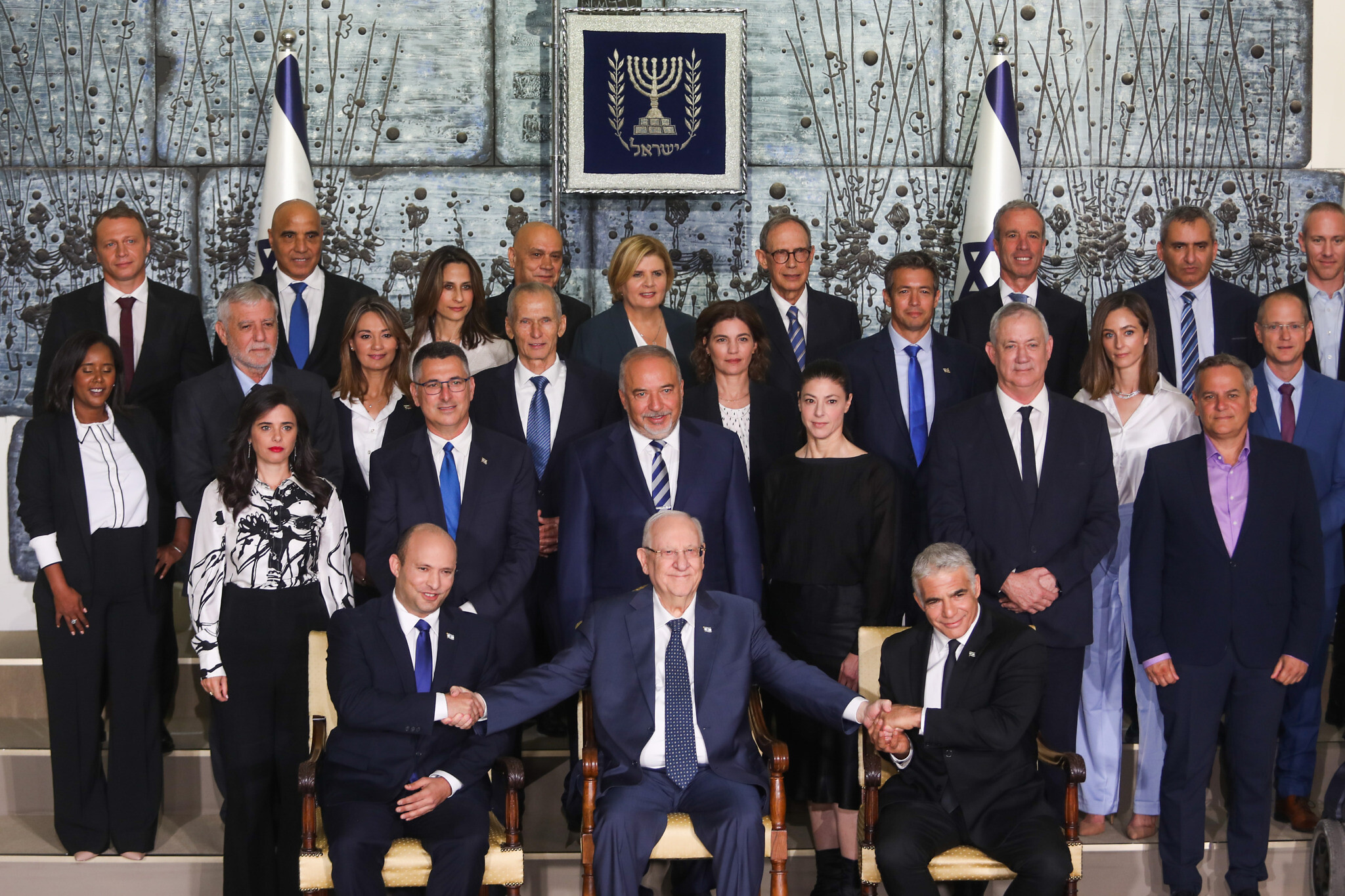
It also seeks “to lead Israel in the spirit of the founders of the state and the builders of the country in a way that will ensure its unity, continuity and prosperity as a model Jewish and democratic state” and “to advance it as a strong, sovereign state, and grow it in all areas of life, while integrating all its citizens in carrying the defense, civil and economic burdens.”
Among those listed as the party’s founders are Bennett; his wife, Gilat; former Communications Ministry director-general Liran Avissar Ben-Horin; former Strauss CEO Gadi Lesin; and Bruria Naim Erman, founder of the PR firm Community Relations.
The founding members also include Giora Levi, Bennett’s commander during his time in the IDF’s elite Sayeret Matkal unit; Ofer Ogash, who ran for Knesset as part of Bennett’s previous party; and former Target Market CEO Nir Novak.
Bennett’s longtime political partner Ayelet Shaked, who is widely expected to join the new party, was not listed.
Polling has shown Bennett pulling ahead of Netanyahu should he choose to run, with one poll from mid-April finding that a hypothetical Bennett party would garner 29 seats compared to only 19 for Netanyahu’s Likud.
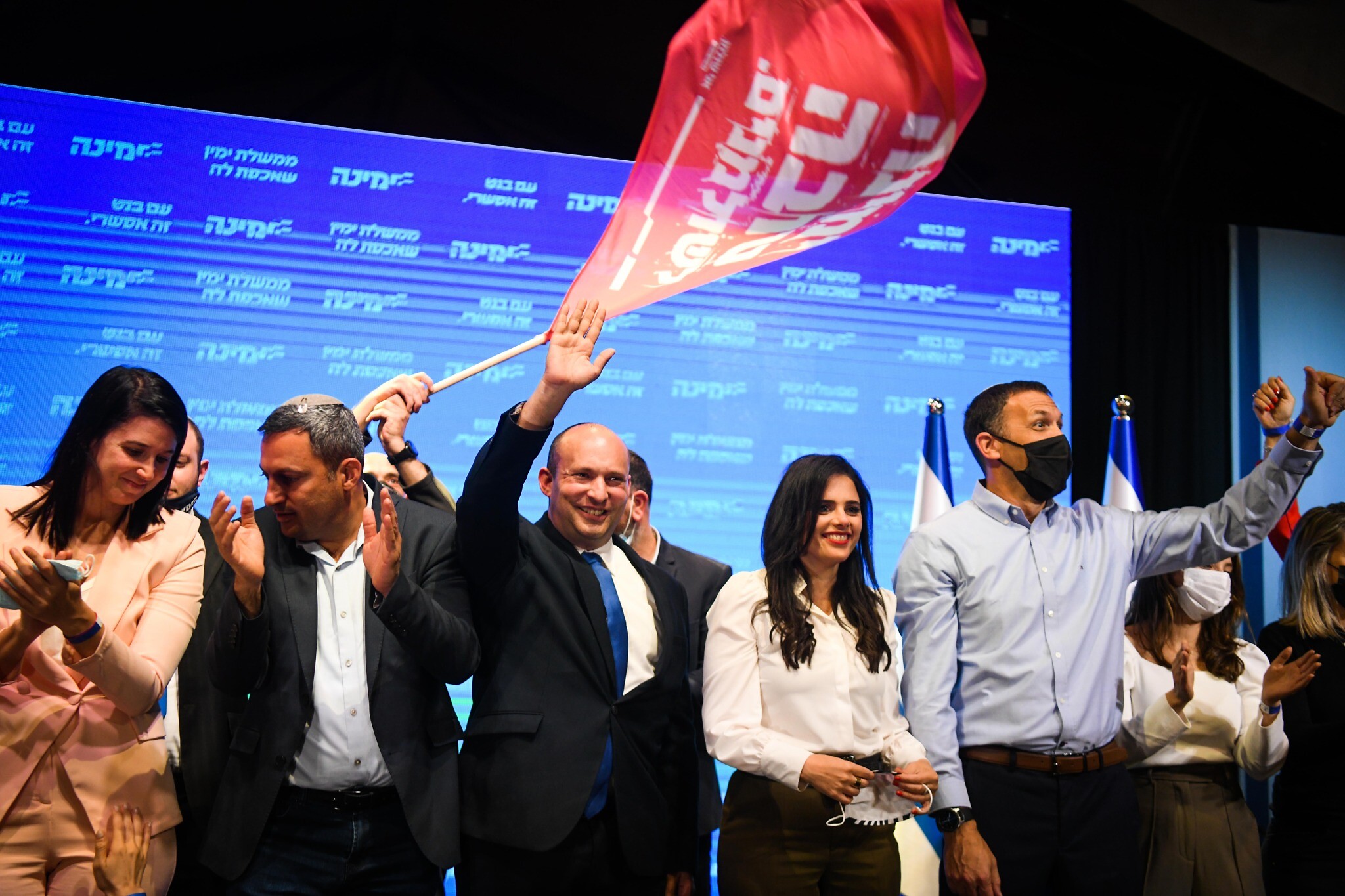
The 53-year-old Bennett, who was hospitalized for several days last month and underwent cardiac catheterization, has been highly critical of Netanyahu, including over his failure to conscript significant numbers of Haredim during the war against Hamas in Gaza.
In a speech in Ness Ziona last Monday, he declared that Israel was a nation with “a majority that serves, being led by a leadership that pushes [draft] evasion, and that must change, and the people want [that] big change.”
In a lengthy post on X on Thursday, Bennett alleged that under Netanyahu, Israel has become passive and lost its qualitative military edge.
“The Middle East is undergoing tectonic changes before our eyes. Our enemies are getting stronger, and Netanyahu, Smotrich and their gang are paralyzed, passive, as if they don’t exist,” Bennett wrote.
“Qatar, the capital of Hamas terror, signs a trillion-dollar agreement with the US, upgrades its strategic military position… Erdogan’s Turkey receives a shot of legitimacy and F-35 jets from the US… Syria… is released from all sanctions without giving up anything… [and] Saudi Arabia receives approval for a nuclear program, and Israel loses the qualitative military advantage we had for 50 years, which is one of the essential assets for our existence,” he asserted.
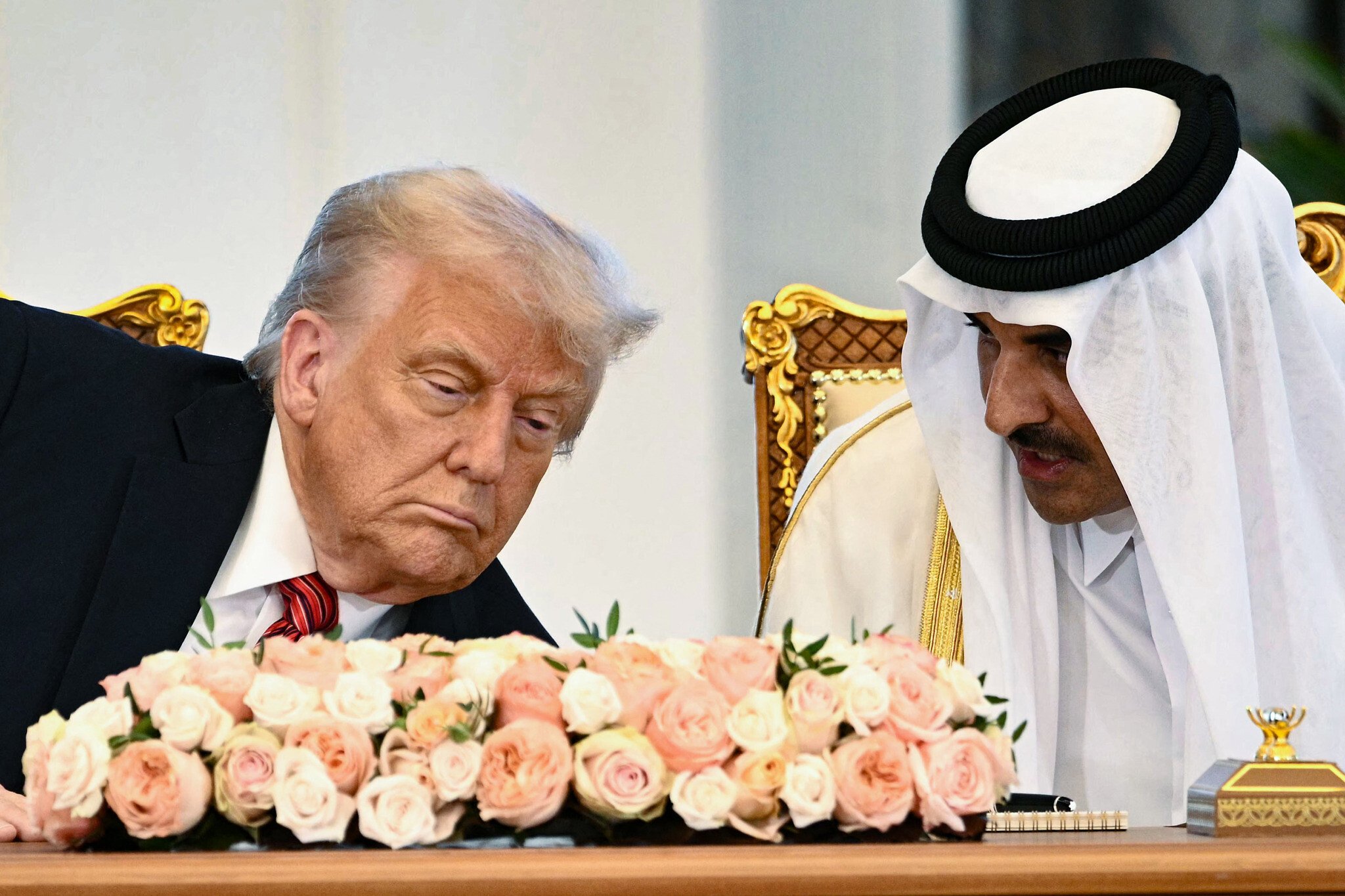
This week, US President Donald Trump signed an agreement with Qatar’s Emir Sheikh Tamim bin Hamad Al-Thani that will “generate an economic exchange worth at least $1.2 trillion,” as well as a mammoth arms deal worth nearly $142 billion with Saudi Arabia.
At the same time, Saudi Arabia and the United States are discussing a deal to cooperate on the kingdom’s ambitions to develop a civil nuclear industry.
Trump has also lifted sanctions on Syria and is reportedly considering selling advanced fighter aircraft to Turkey.
“As a former defense minister and prime minister, I cannot overstate the severity of the long-term damage to Israel,” Bennett continued.
While “Iran is at the weakest moment in its history, devoid of air defenses, with an old leadership, disconnected and hated by its people,” Israel has failed to harness the US “for political and economic action to overthrow the regime,” he declared.
Last month, The New York Times reported that Trump quashed Israeli proposals for a series of joint strikes next month on Iranian nuclear facilities, opting instead to try for a diplomatic solution to the problem of Tehran’s nuclear program.
Turning to the Israeli army’s current manpower shortage, Bennett accused the government of failing to mobilize the Haredim, charging that it is “only hindering the necessary change, and throwing all the burden on reservists who have already given their all.”
“The only place where you see ‘initiatives’ from the government is in posts, TikToks, and unnecessary trolling laws that only fuel internal hatred,” he wrote.
Agencies contributed to this report.