Together in their solitude: 7 IDF widows find friendship as they navigate life after loss
Their husbands were killed in the line of reserve duty. Now a group of young Jerusalemite mothers who speak the same language of grief lean on each other for support -- and laughs
The seven women are close in age, all with young children. Religious, they share similar parenting concerns and the same complicated logistics of running a household.
Each covered their hair when they were married, but now leave their heads bare: Their husbands were killed in battle during the last three years or died as a result of war injuries.
Still, their greatest commonality is a shared desire to keep enjoying life.
“We think alike, and that’s not so common,” said Pesi Gordon, whose husband, Naftali Gordon, fell in battle in Gaza on December 7, 2023. “Like, I can say to them, ‘Do you want to grab a beer tonight?'”
The entire group bursts out laughing at Gordon’s remark, talking about cocktails and joint adventures they’ve had together, in widowhood. (It helps that six of the seven all live in Jerusalem’s Katamon neighborhood.)
“It’s about a desire to enjoy things still,” said Adi Gealdor, whose husband, Omer Gealdor, fell in battle in southern Lebanon on November 19, 2024. “Our lives are filled with so much pain, and everything is so screwed up, and people on the outside don’t completely understand us.”
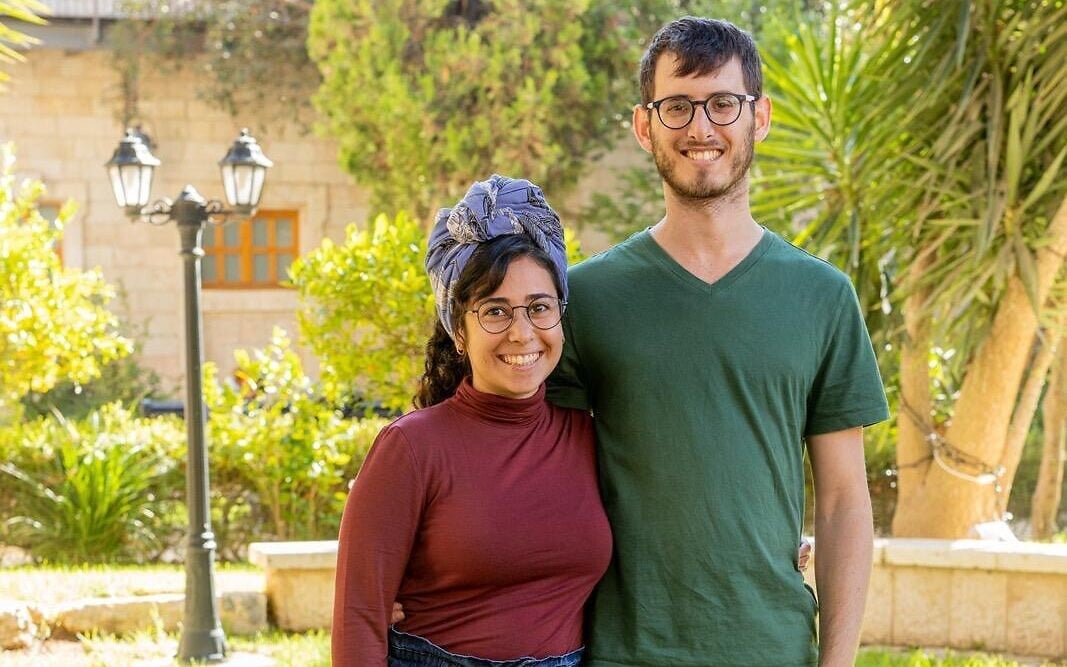
The seven widows — some already three years in, others more freshly anointed with the terrible status — are active in the IDF Widows and Orphans Organization, the official body for families of fallen IDF soldiers.
Since the outbreak of the wars with Hamas in Gaza and against Hezbollah in Lebanon, the circle of IDF bereavement has expanded significantly, including 406 new widows and widowers, among them 48 pregnant widows and 1,011 new orphans.
Two of the women, Noa Stavisky Fleishman, whose husband, Yinon Fleishman, was killed in northern Israel on October 29, 2023, and Gordon, were first introduced by the IDF casualty officer who supported both of them and realized they were neighbors.
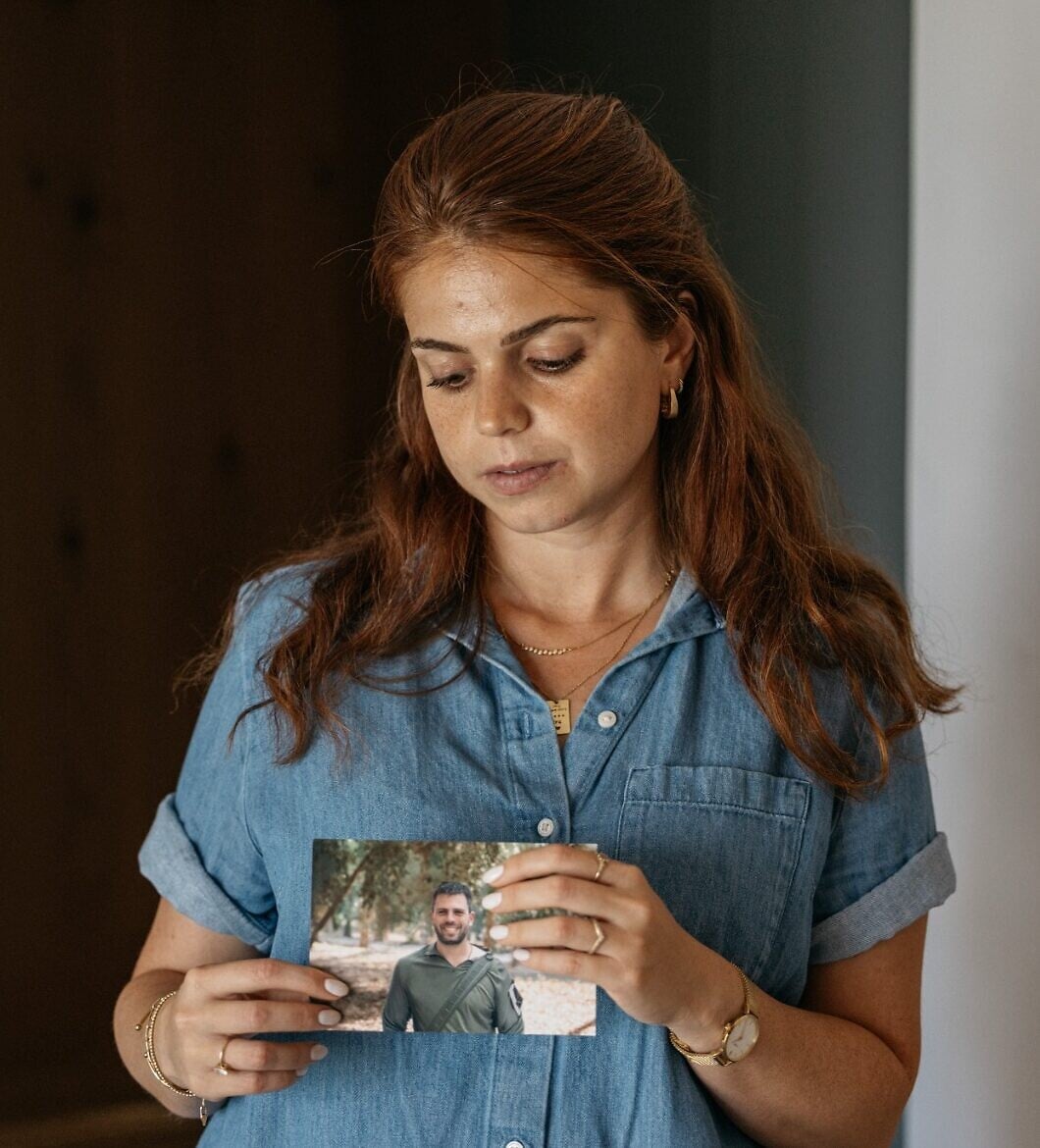
A few months later, during an IDF-sponsored summer vacation for war widows, they met Hadar Knoller, whose husband, Nadav Knoller, had fallen in Gaza six weeks earlier, on July 1, 2024.
By that time, they had also become friendly with Chava Landau Zenilman, widow of Ari Yehiel Zenilman, who fell in battle in Gaza on December 10, 2024. Zenilman is the only one who doesn’t live in the Katamonim; she lives in nearby Kiryat Hayovel.
The bonds of the first four were tightened when they met again in Eilat, during another IDF vacation sponsored for war widows.
“You look for solutions,” said Zenilman, a family medicine resident with three young children, who wanted to be far from home on the first anniversary of her husband’s death. “For us, on Hanukkah, I can’t be in the place where they knocked on my door, where I sat shiva, so I travel to the farthest place I can in the country.”
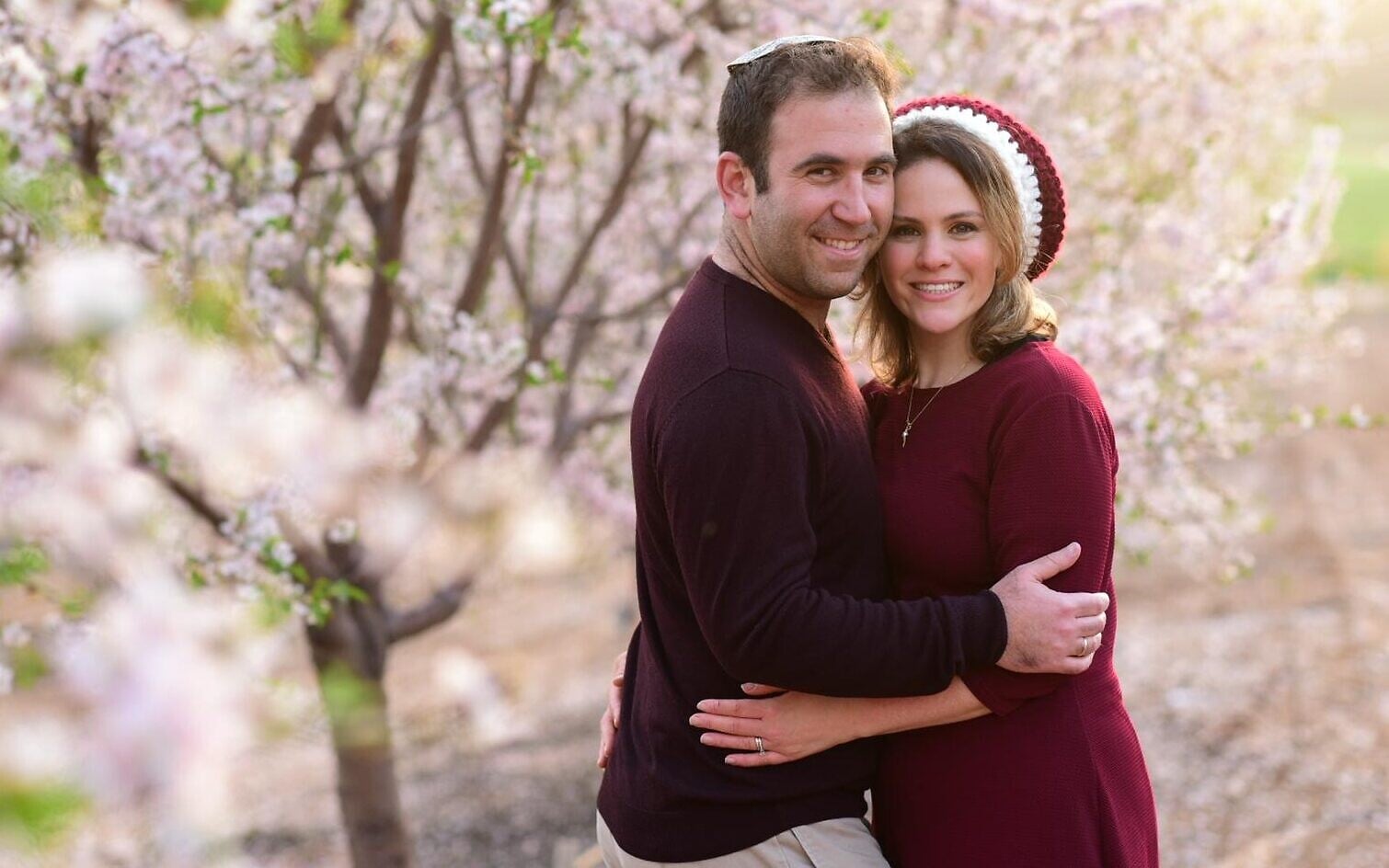
Zenilman calls that feeling “azkara-itis,” using the term ‘azkara’ — Hebrew for remembrance — to describe the physical ailments mourners often experience before memorials. “People get sick; I get strep; it’s a post-trauma reaction.”
They all have similar reactions to Yom Hazikaron, Israel’s Memorial Day, when they’d rather be anywhere but at Mount Herzl, where their husbands are buried, taking part in the national mourning for those who fell in battle.
They joke that their first date with Knoller was on Memorial Day afternoon at a playground, when they had a “widows of the neighborhood” playdate for them and their kids.
“Everyone was looking at us,” said Knoller.
A mutual friend introduced Stavisky Fleishman to Gealdor, whose husband Omer Gealdor fell in battle in southern Lebanon on November 19, 2024.
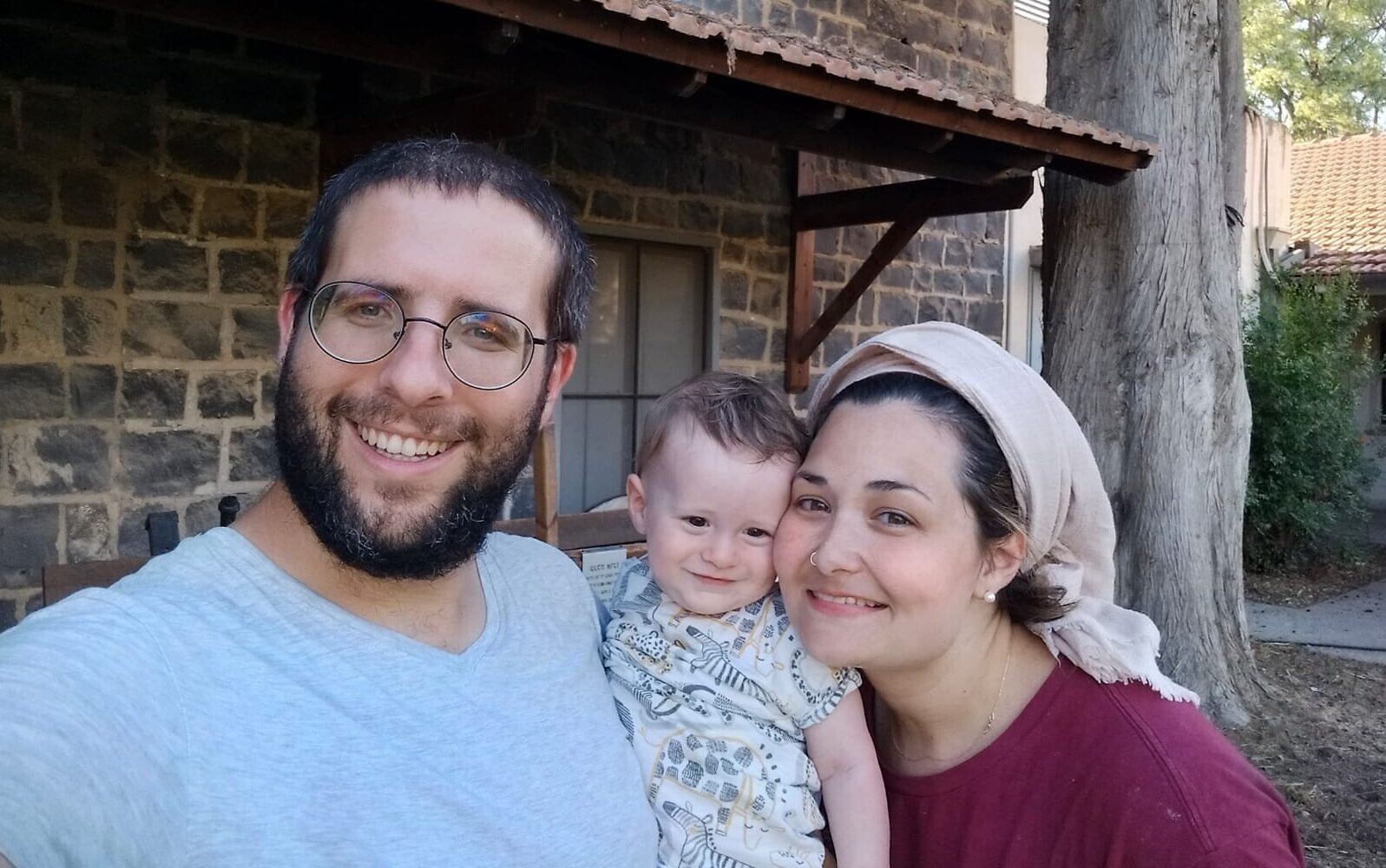
Meanwhile, Zenilman met Anna Harari when she sat shiva for her husband, Shmuel (Sammy) Harari, an American immigrant who fell in battle in southern Lebanon on October 23, 2024, and the women realized they were both in the midst of medical studies.
“Chava was a year ahead of me with a husband killed in battle and a year ahead in her medical studies,” said Harari.
All the women laughed at that detail — a regular occurrence when their black humor aligns.
The Hararis lived in Safed, where Harari, a French immigrant, had been studying medicine. Her extended family lives in the Katamonim, which is where she and her three children were staying when they received notice that Shmuel was killed.
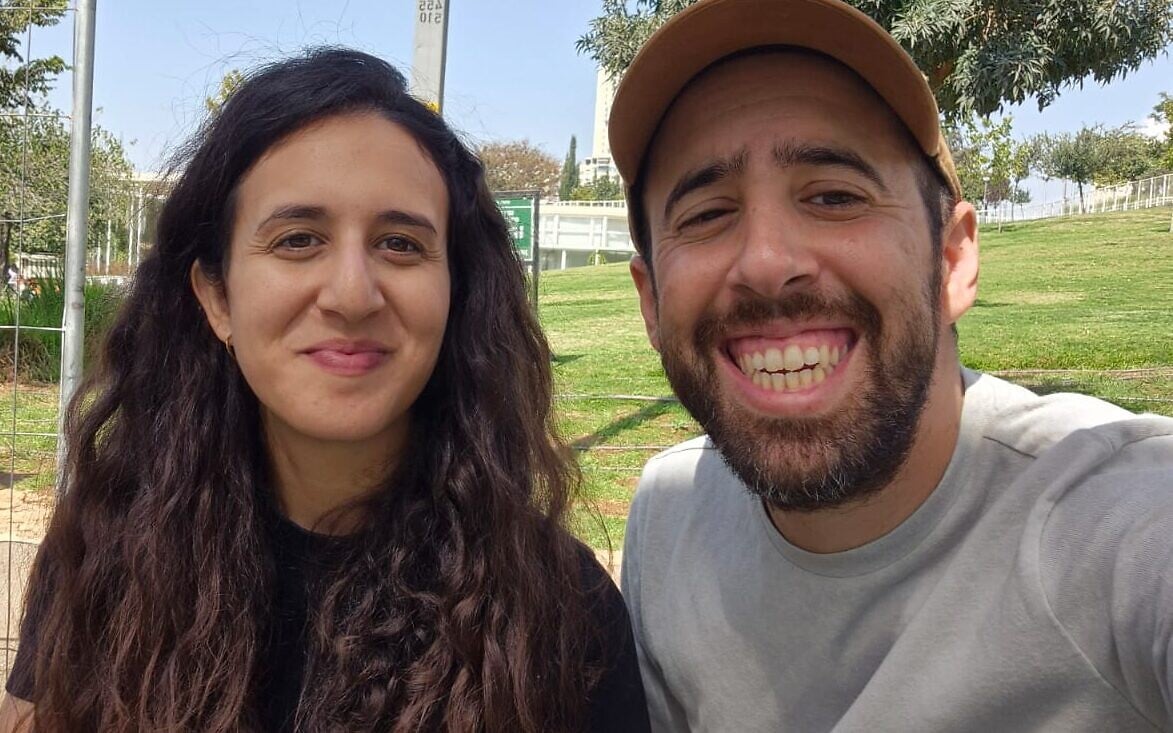
Harari returned to Safed after shiva and the first month of mourning, “but it was too quiet, I felt like I didn’t have anyone to speak to,” she said.
She moved to the Katamonim, knowing she would have other widows for support. Harari has since remarried, but found she still needs these women, this circle.
Some of the others have also moved homes, sometimes within months of being widowed. Several wanted a safe room in their apartments after the first round of war with Iran, when they had to grab sleeping babies and run to neighborhood shelters.
“I had to move apartments two months after Nadav was killed because I didn’t have an elevator or parking or a safe room,” said Knoller.
They all make it clear that logistics forced them to move, not fear.
“The worst has already happened,” said Gealdor.
The most recent member of the group is Miriam Hirschhorn, the widow of Ron Hirschhorn, who died of a stroke last January from an army-related injury on January 5, 2026.
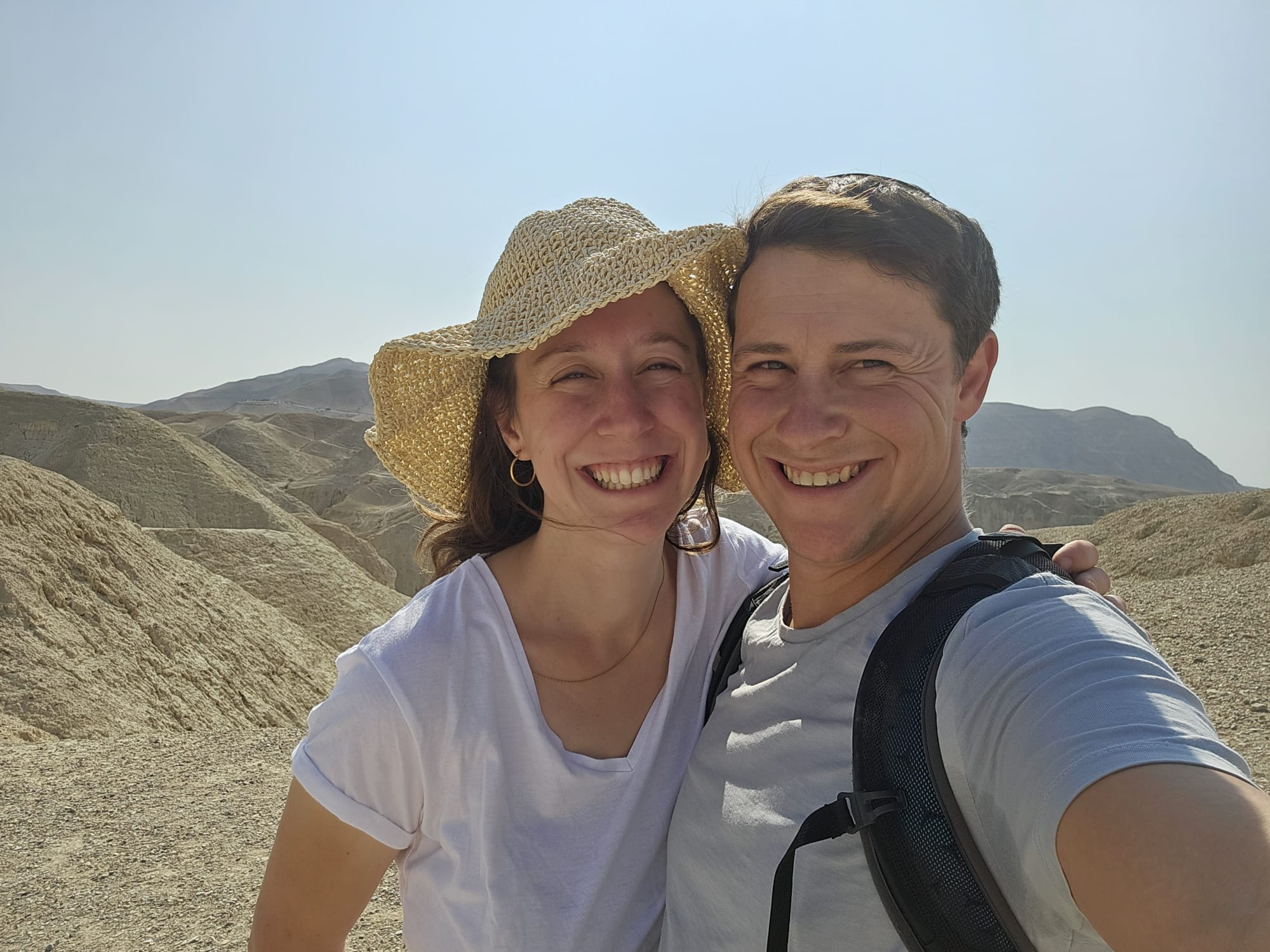
Hirschhorn was recognized as a fallen soldier by the IDF, but not yet by the Ministry of Defense, a definition his wife is battling with lawyers and which she expects to win.
“The night he died I turned to Adi,” said Hirschhorn, who already knew Gealdor. “I knew I needed other women to talk to.”
Unlike other war widows they all know, these seven women work full-time.
Besides Harari and Zenilman, who are at the final stages of their medical training, Stavisky Fleishman is a 12th-grade homeroom teacher at Pelech Girls High School (her husband was a history teacher at Hartman High School); Knoller works in special education; Gordon is an occupational therapist; Gealdor is studying for her master’s in social work and Hirschhorn is a social worker.
“If someone needs to meet, we make it happen,” said Gordon.
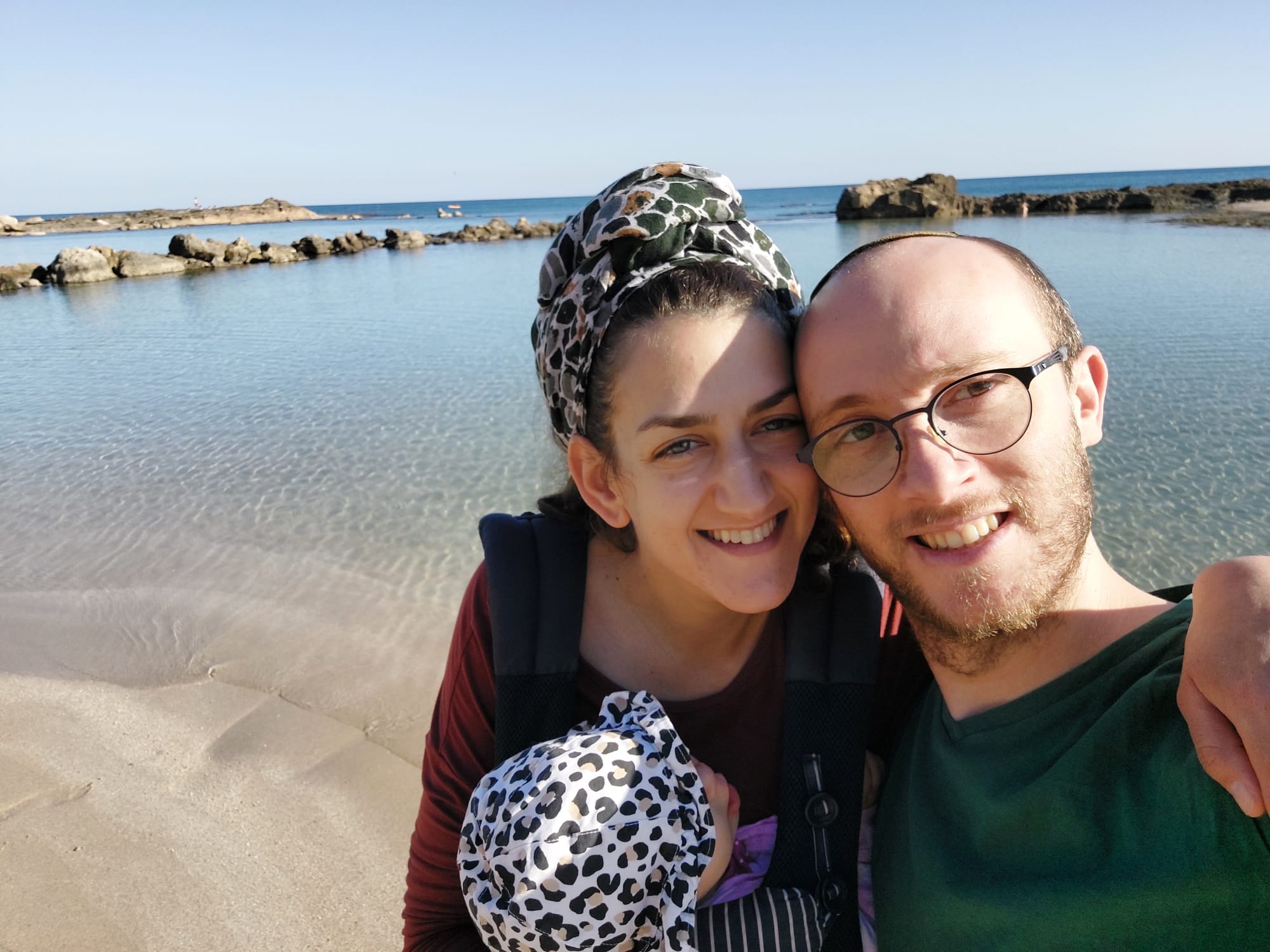
With 14 kids altogether, they try to gather during the most difficult times of each week, for communal meals on Shabbat or during holidays and vacations.
“Shabbat is terrible, and Friday is worse. Everyone else waits for the weekend, and we just look for solutions,” said Zenilman.
Their children have become friends as well, often aligning along gender and age but still feeling a greater sense of familial friendship.
“My son’s best friend is Hadar’s son,” said Stavisky Fleishman, whose son is three years old. “We were in a hotel, and he said all the mothers are in the hotel and all the fathers are in heaven. He has a sense of belonging, that he’s not alone, that he knows other kids like him.”
A big topic is parenting without their partners, the people they were so accustomed to turning to for every decision, large and small.
“Every parenting decision is yours,” said Zenilman. “All these things to decide and no one to discuss them with. And parenting came much more naturally to Ari, more so than me.”
As the country faces a potentially tide-turning election, they also talk about their newfound sense of determination and knowledge.
“I have to figure out who I am again,” said Gealdor. “I have a lot of criticism about what happened here; Omer did a year-plus of reserve duty, and I kept telling him, ‘enough.'”
Gordon said she no longer has a problem stating her own opinions.
“I’m less interested in saying there are things I don’t understand, because I have experienced a lot in life,” said Gordon, whose sister, Malki Roth, was killed in the 1996 Sbarro terrorist bombing. “I feel I have more legitimacy to sound my voice and to have my opinions. I know what I know.”
For the others, it’s a hope that their losses will at least lead to better times.
“We lost so much,” said Hirschhorn. “Let it be worth something.”