Trump administration mulls targeted killings of Iranian leaders to end war – report
Officials opposed to move said to believe it would imperil US leaders and diplomacy, leave surviving leaders entrenched in positions; Huckabee: Trump ready to strike if talks fail
Officials in US President Donald Trump’s administration have considered targeted assassinations of Iran’s leaders, with those in favor believing that such a move could bring an end to the war, according to a Tuesday report.
According to NBC News, which cited a US official and another person familiar with the discussions, some in the administration have argued that such an operation could make it clear to the Islamic Republic’s regime that their leaders can be eliminated whenever Washington wants.
Those opposed to such operations reportedly believe it would put US officials in greater danger of retaliation from Tehran, encourage surviving Iranian leaders to become entrenched in their positions, and damage US standing in future diplomatic efforts to end the conflict.
The two sources said that such an option has always been on the table, but has “been under renewed discussion in recent weeks” amid deliberations by Trump about the future of the war.
In response to the report, an administration official told NBC in a statement that the US naval blockade of Iran would “continue with full effect,” adding that “President Trump has many options at his disposal and will make the best possible decision to ensure Iran can never possess a nuclear weapon.”
The Pentagon did not respond to NBC’s request for a comment.

An Israeli strike in February of this year killed Iran’s then-supreme leader Ayatollah Ali Khamenei as well as other top Iranian leaders, sparking months of unresolved fighting. The war was launched in a bid to destabilize the regime and destroy its ballistic missile and nuclear programs.
There has been renewed speculation about another US-Israeli offensive against Iran, with the US president weighing whether to resume major strikes while facing political fallout at home from the nearly nine-month conflict.
The Kan public broadcaster on Sunday cited an unnamed source as saying that Prime Minister Benjamin Netanyahu was pressing Trump to strike Iran “as soon as possible,” and that the president has yet to make a decision and is reluctant to do so.
But IDF Military Intelligence officials have warned the prime minister that an Israeli attack on Iran could trigger a wider regional conflict involving Lebanon, Syria and Gaza, Channel 12 reported.
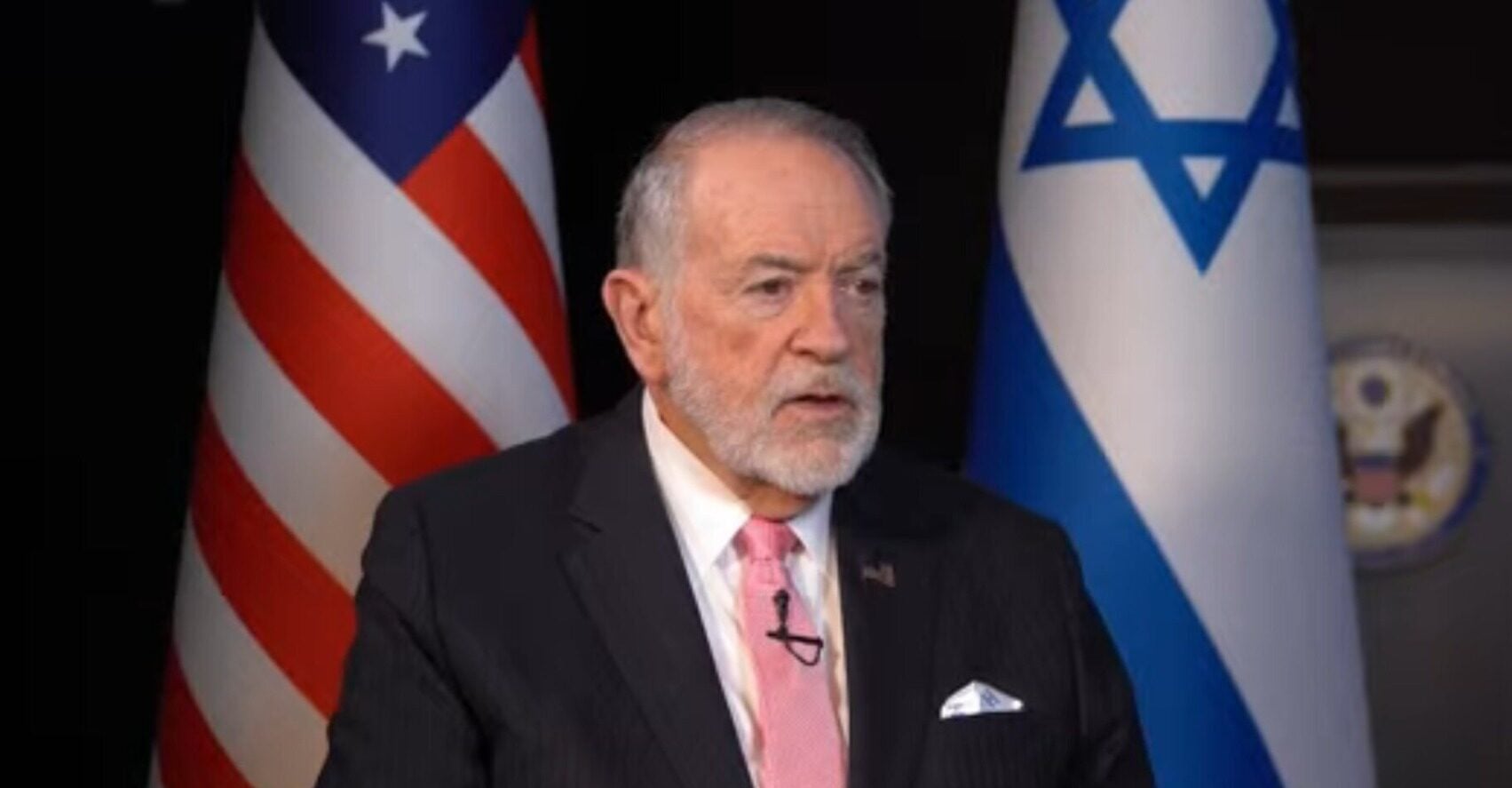
US Ambassador to Israel Mike Huckabee said on Tuesday that Trump is prepared to resume military action against Iran if diplomatic efforts fail.
“The president has already demonstrated twice in the last year and a half that he is willing to use military action, and he’s made it very clear he’s willing to do it again,” Huckabee told the Institute for National Security Studies. He said Trump would prefer a diplomatic solution, but insists that Iran must accept that it will not obtain a nuclear weapon.
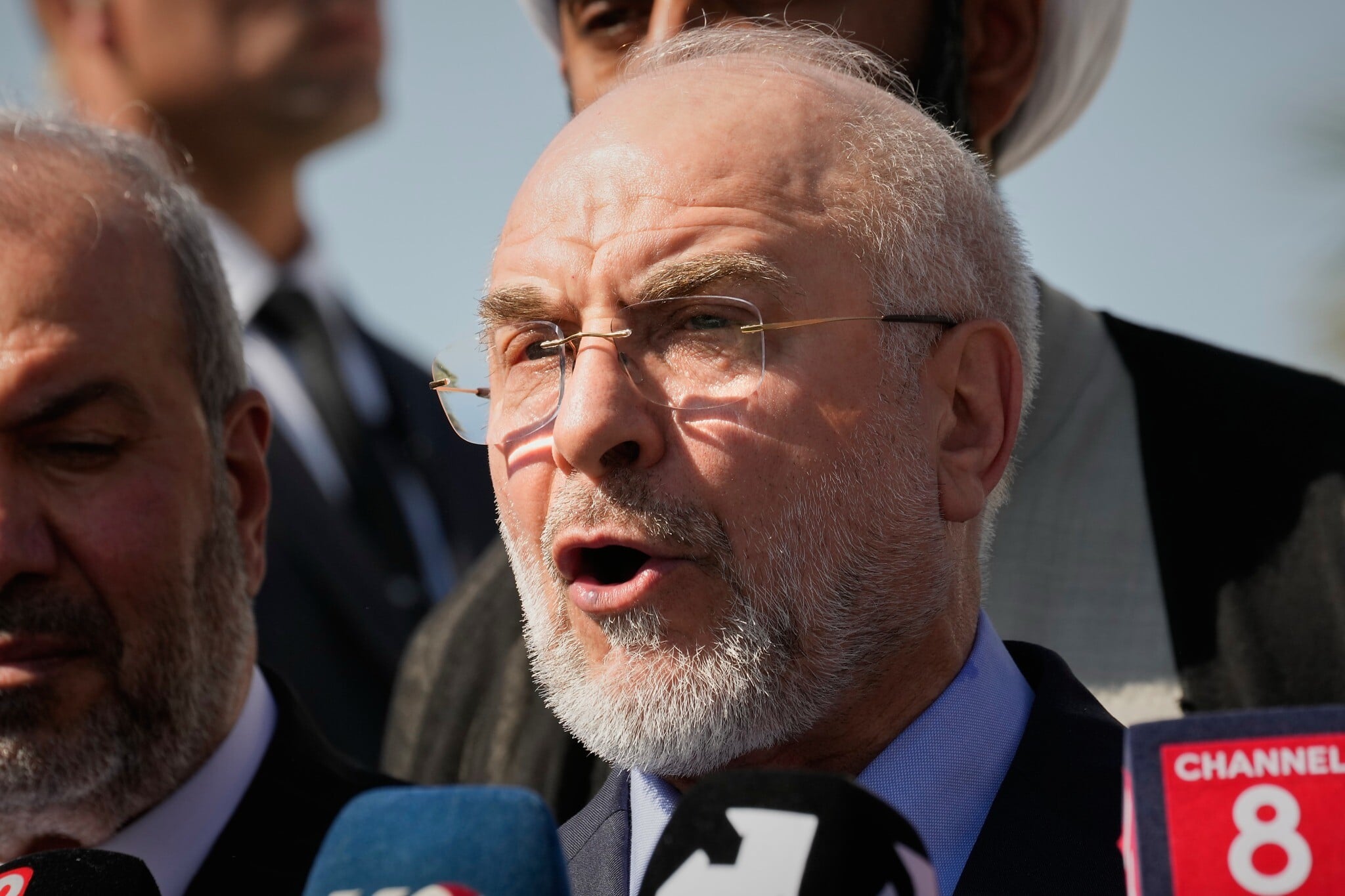
Meanwhile, Iran’s chief negotiator and parliament speaker Mohammad Bagher Ghalibaf reiterated that Tehran will not negotiate with the US “until Iran’s seven conditions are met,” according to Iranian state television.
Iranian authorities haven’t publicly stated what those conditions are, but Iranian state media have said they include the lifting of sanctions, the ending of the US naval blockade of Iranian ports and the release of seized Iranian assets.
Ghalibaf also warned that Iran will “shift the geographical scope of the conflict should the enemy make a mistake.”
The comments come as Iran’s currency plunges on the black market after Washington announced fresh sanctions, which the central bank governor said targeted a regular platform for registering transactions.
The US Treasury announced sanctions on Monday against more than two dozen Iranian exchange houses, alleged front companies and individuals said to be part of the country’s “shadow banking” network. It said the network was “overseen” by the central bank.
The US dollar is trading at around 2.82 million rials, up about five percent from around 2.68 million the day before, according to websites monitoring black market rates.
The euro also rises to around 3.07 million rials, up from 2.94 million on Monday, the websites say. Iranians use black market rates as the central bank rate is usually much lower.
Central Bank governor Abdolnaser Hemmati dismissed the sanctions, saying the US appeared to have “run out of targets” and had resorted to targeting a legitimate platform.
The sanctioned Iran Currency and Gold Exchange center “is merely a platform for registering transactions” and “is there for everyone to see,” said Hemmati, according to the Tasnim news agency.
The US Treasury’s Office of Foreign Assets Control (OFAC) said it connects exporters earning foreign currency from overseas sales with importers seeking foreign currency to buy goods, facilitating tens of billions of dollars in trade annually.