Trump says he’d consider it a defeat if Iranian regime not toppled by end of his term
President insists US 'totally' controls Hormuz, even as Iran claims fresh attack on oil tankers in the strait, but says fighting could renew if things start 'going the other way'
US President Donald Trump said on Thursday that he would consider it a defeat if the Iranian regime remains in power by the time his term ends in two years, and suggested that the US could resume its military offensive if he deems it fit, as Iran claimed to have targeted US military assets in Bahrain and another tanker in the Strait of Hormuz.
Trump’s comments were the latest in a string of contradictory statements by the US president regarding the Iran war, as he has vacillated between seeking a diplomatic resolution to end the stalemate and threatening a renewed military offensive.
He was asked about Washington’s plans for Iran during a wide-ranging interview with conservative radio host Hugh Hewitt on Thursday, who, toward the end of their discussion, asked him, “If the Iran crazies are still in power when you leave office, will that have been a defeat for you?”
Trump, in response, confirmed that “yes, that would be a defeat. I would say that would be a defeat. Absolutely.”
Earlier in the interview, Hewitt questioned Trump about his willingness to use military force during his two presidential terms, recalling, in particular, the assassination of former Quds Force commander Qasem Soleimani in 2020.
“Would you hesitate to use military force to do whatever has to be done to stop Iran from terrorizing our allies and our ships?” Hewitt asked, referring to Iran’s ongoing attacks on ships in the Strait of Hormuz, as it battles for control amid a US naval blockade.
“No hesitation,” Trump insisted to Hewitt, but said he didn’t see a need for it right now, as currently “we control the Gulf in terms of the Hormuz Strait.”
“We’re doing very well with it right now,” Trump said, claiming that more oil is leaving the area since “before the war started.”
He also asserted that the US “totally” controls the Strait, despite ongoing near-daily attacks on ships passing through.
But he said that if things changed, “if I saw things going the other way,” he would allow military operations to resume.
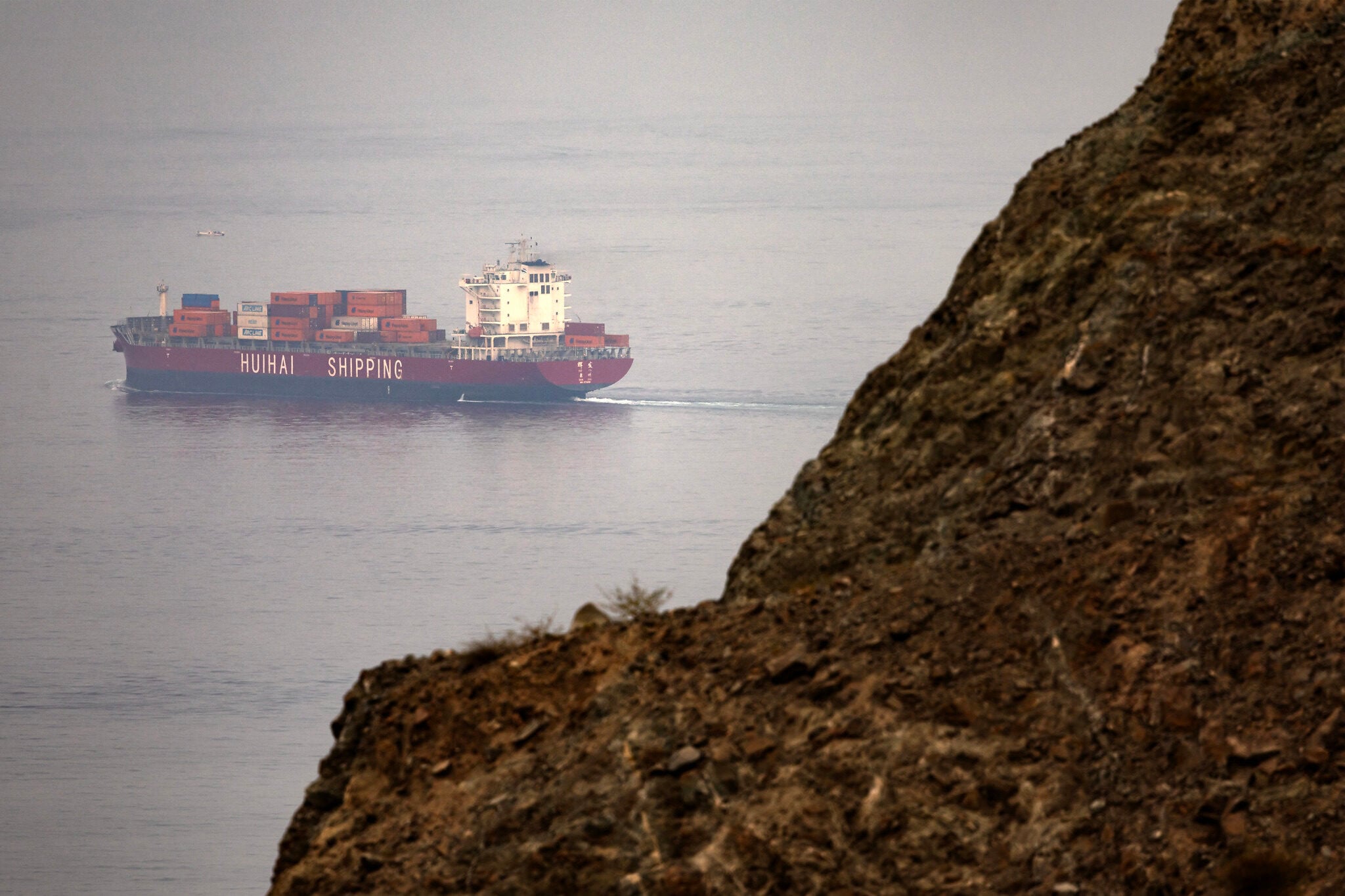
Since the outbreak of the Middle East war in late February, Tehran has heavily restricted traffic through the Strait of Hormuz, insisting vessels use routes it has approved.
The United States has, in response, imposed a naval blockade on Iranian ports and helped tankers travel the strait, which previously carried about one-fifth of global oil.
Despite Trump’s claim of total US control in the Strait of Hormuz, tankers still face significant risk traversing the vital waterway, coming under attack on a near-daily basis.
On Friday, Iranian state media quoted the IRGC Navy as saying that a tanker carrying liquefied natural gas had struck a naval mine and suffered an explosion in the waterway, while using what it described as an “unauthorized and dangerous route.”
No details on the tanker were immediately available.
A day earlier, the IRGC said that four oil tankers were hit by explosions in the strait, claiming that they had ignored warnings and entered what it considers restricted areas of the strategic waterway.
At least 10 ships were hit in the first 10 days of November, after 37 attacks in October, which was the highest monthly tally since the conflict began in late February, according to data from the Washington Institute for Near East Policy.
Journeys through the strait have continued, however, with the US Central Command saying last month that it had helped Gulf countries export 1.5 billion barrels of oil since the summer via Hormuz, a key energy trading route.
Also on Friday, the IRGC said its forces had targeted a US early warning radar system in Bahrain, according to a statement carried by the Iranian state broadcaster.
There was no immediate confirmation of a strike on Bahrain by Manama or the United States, whose bases and equipment in the Gulf were repeatedly targeted earlier in the war.
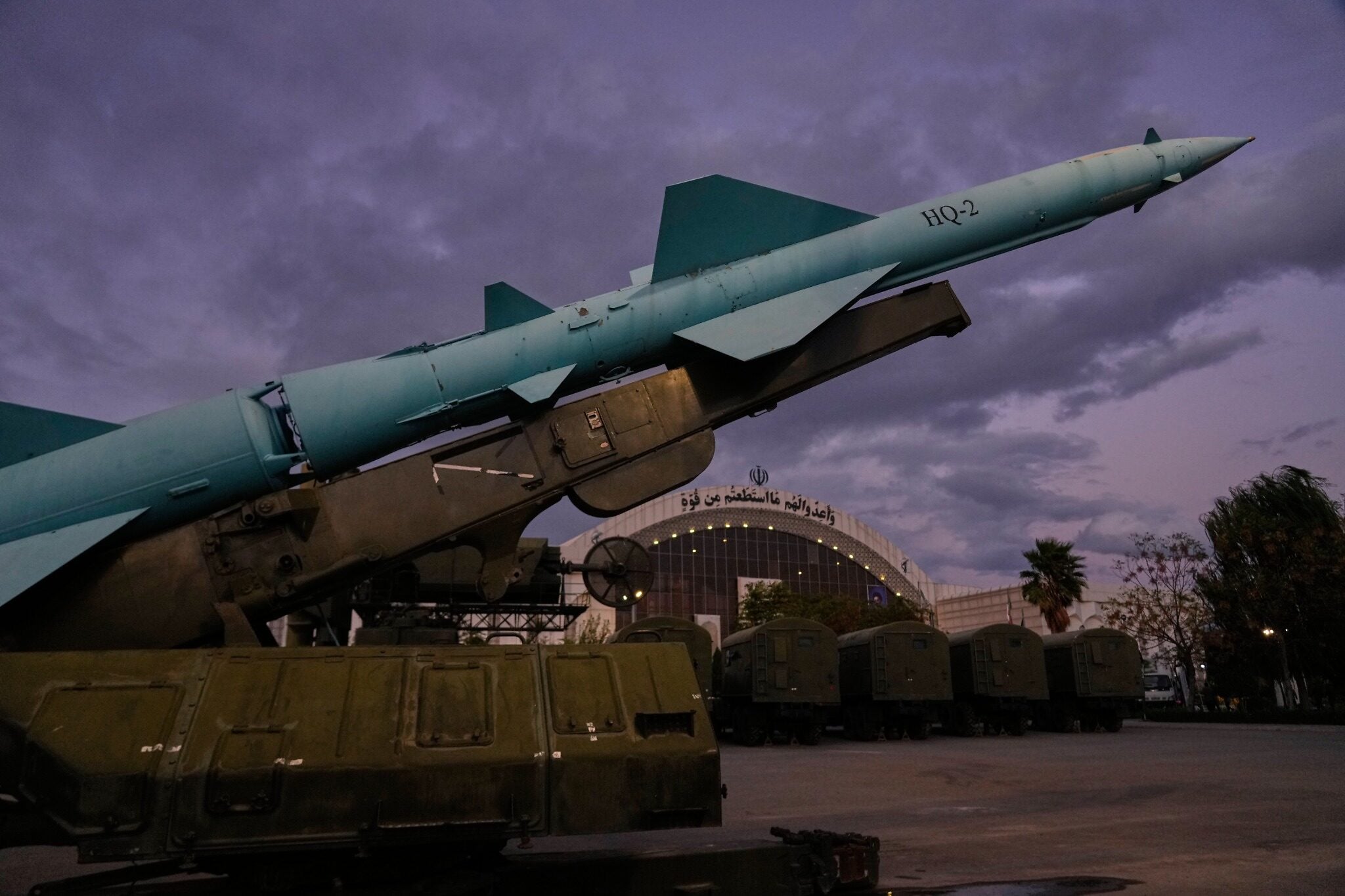
“A few hours ago, IRGC Aerospace Force fighters targeted and destroyed the US aggressors’ early-warning radar on the island of Bahrain in response to the enemy’s air aggression against a telecommunications tower in Sirik,” the IRGC said in the statement, referring to a port city in southern Iran.
“This is a serious warning to the aggressor enemy to stop its aerial provocations and oil smuggling in the Strait of Hormuz,” it added in the statement, posted by the state broadcaster on Telegram.
Gulf countries bore the brunt of Tehran’s wrath after the United States and Israel launched attacks on Iran on February 28, triggering the war. While Iran and Israel halted their attacks on one another in early April, the Gulf has been hit since then, during flare-ups in fighting between Iran and the US.