Trump says Russia and Ukraine reached ‘energy ceasefire’; Zelensky: ‘News to me’
US president does not elaborate on claim of truce, which comes amid tensions with Ukrainian counterpart over strikes on Russian energy, infrastructure sites
US President Donald Trump said on Sunday that Ukraine and Russia had agreed to what he described as an “energy ceasefire,” prompting surprise from Ukraine’s leader, Volodymyr Zelensky, who said the announcement was “news” to him.
In a social media post, Trump said the energy ceasefire would take effect immediately, but did not elaborate further.
In an interview with Axios, Zelensky said Trump’s post was the first he had heard of the deal, though a senior Ukrainian official told Reuters that Ukraine was ready to agree to such a ceasefire, if Russia was.
Trump, whose war in Iran has been blamed for high diesel prices that are weighing on Republicans’ prospects at next month’s midterm elections, had previously announced an energy ceasefire in Ukraine in mid-September, though neither side ever confirmed such an agreement was reached.
“Effective immediately, there is an ENERGY CEASEFIRE in the War between Russia and Ukraine. Both parties have agreed. Do not break it!” Trump wrote on Truth Social on Sunday.
Earlier on Sunday, Zelensky had repeated Ukraine’s long-standing position that it was willing to halt attacks on Russian refineries but only if Moscow ceased its own strikes on Ukrainian power infrastructure.
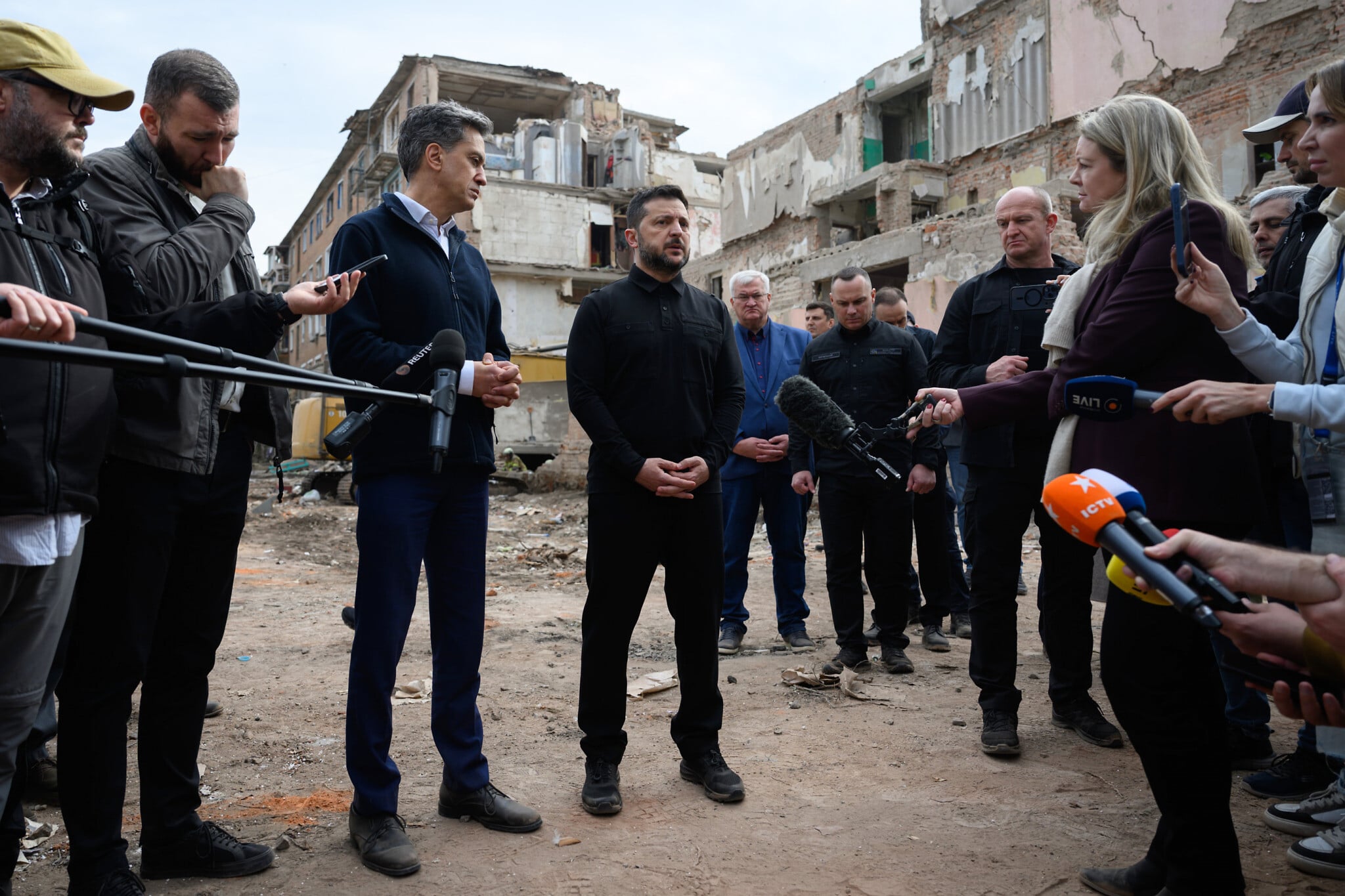
Any such deal would need to come with “real guarantees,” Zelensky said.
“The real cause of the war in Europe is Russia and Russia alone,” Zelensky said. “It’s possible to stop strikes on energy infrastructure as early as today, but Putin does not want to do so.”
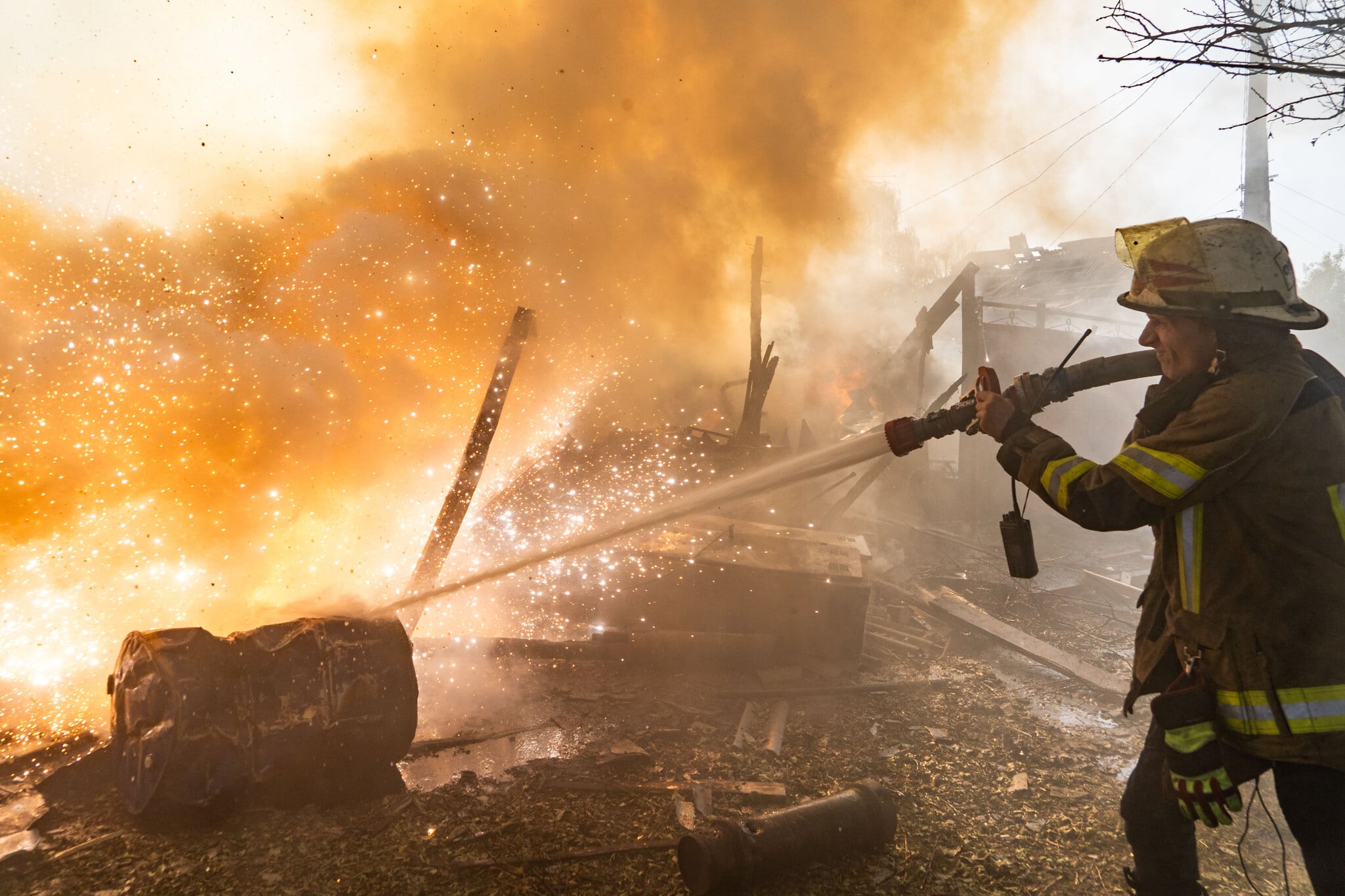
The exchange came as Kyiv pressed its campaign against infrastructure deep inside Russia, with a drone attack on Sunday shutting down a data center run by Russian technology giant Yandex, the third strike on the company’s facilities in four days. Russia and Ukraine are locked in a long-range aerial war while their armies remain largely deadlocked on the front line.
Trump calls for Zelensky to be replaced
In a dramatic deterioration in their relations, Trump on Saturday had warned Zelensky that he had “better damn well stop” attacking Russian refineries, and had urged Ukrainians to replace him as their leader via new elections because he had missed several opportunities to strike a deal with Moscow.
“I suggest they get a new leader who can make a deal because he could have made many deals and for some reason he never does,” Trump said.
Appearing on ABC’s “This Week” on Sunday, Zelensky responded that he would organize elections in Ukraine if Russian President Vladimir Putin agreed to a 60-day ceasefire.
Zelensky said it was “up to Ukrainians” to choose their leader, but noted that there needed to be an end to the fighting first.
BREAKING:
Zelensky gives his first comment about on Trump’s statement about it being time for Ukraine to get a new president:
“With all due respect to Trump, it’s up to our society, our people of Ukraine to choose one leader or another (…) It’s up to the Ukrainians — when to… pic.twitter.com/mzZx4Bu8Aa
— Visegrád 24 (@visegrad24) October 11, 2026
“Please tell Putin, give us two months, 60 days of total ceasefire, 60 days, and we will organize elections,” Zelensky said.
Ukraine has been under martial law since Russia’s full-scale invasion in February 2022, and the Ukrainian Constitution bars elections while it remains in force. Beyond the legal barrier, a nationwide vote would be vulnerable to Russian missile and drone attacks, and organizing one is widely seen as logistically impossible, with roughly a fifth of the country under occupation, millions of Ukrainians displaced abroad, and soldiers on the front line. Zelenskyy’s term formally expired in May 2024, but the constitution allows him to remain in office until a new president is sworn in.
The Ukrainian leader rejected being blamed for energy price rises, adding that “everybody in the world” knew that the war in the Middle East was a bigger factor.
The steep rise in global diesel prices, which followed the outbreak of the Iran war in February, has become a political liability for Trump’s Republican Party ahead of the midterms, when opposition Democrats could gain control of one or both houses of Congress.
On Saturday, Zelensky responded angrily to Trump’s announcement of a diesel supply deal with Russia, saying it would embolden Moscow’s attacks on Ukraine and lead to a greater loss of civilian lives.
Analysts said Trump’s diesel supply agreement with Moscow was unlikely to lead to sustained lower fuel prices as the volumes involved were too small.
The diesel deal was also criticized by US lawmakers, including one of Trump’s fellow Republicans, Representative Don Bacon, who said it was time to apply more sanctions, not lift them.
Anger in Kyiv
On the streets of Kyiv, several residents expressed anger at Trump’s suggestion that Ukraine should find a new leader willing to make a deal with Russian President Vladimir Putin.
“No one has the right to tell us what to do, especially since elections cannot be held during wartime,” said Sabina, a 40-year-old primary school teacher. “In my view, it is a betrayal by our partners,” she said, describing Trump’s remarks.
Zelensky said he would continue discussions with European leaders on Sunday, and there were daily conversations around additional air defense packages, including ammunition for combat aircraft that are used to down Russia’s jet-powered drones.
On Monday, Ukrainian Foreign Minister Andrii Sybiha is due to participate in a European Union Foreign Affairs Council meeting that is expected to discuss increasing sanctions pressure on Russia and advancing negotiations on Ukraine’s EU accession.