Trump says US antisemitism at levels ‘like Germany in 1938’
President claims growing trend began under Obama, while expressing frustration that most Jewish voters in Michigan backed anti-Israel Democrat El-Sayed
US President Donald Trump said Thursday that antisemitism in the United States was at levels “like Germany in 1938,” at the beginning of the Holocaust.
The president was asked by conservative radio host Hugh Hewitt about the recent rise in antisemitism in the US and what his administration was doing to combat it.
“I’m amazed to see it,” Trump said. “This is like Germany in 1938 or whatever. It’s, like, crazy what’s going on. When you look at the attacks on people, the racial attacks and the attacks, they’re, I guess, 57 percent on Jewish people, and you wouldn’t believe it.”
FBI statistics show that Jews were targeted in 63% of all religion-based hate crimes in the United States last year, down from 70% in 2024.
Trump spoke days after the 88th anniversary of Kristallnacht, or the “Night of Broken Glass,” the Nazi pogrom of 1938 widely seen as a turning point in the persecution of Jews and a prelude to the Holocaust. By then, Jews had already been stripped of their citizenship and subjected to severe restrictions, boycotts and discrimination by Adolf Hitler’s regime.
On the eve of the anniversary, pro-Palestinian activists in Philadelphia held a bicycle ride promoting a boycott of Jewish-owned businesses they accused of complicity in Israeli military actions. Jewish groups in the city called the event blatantly antisemitic, citing both its timing and its focus on Jewish-owned businesses. Organizers said the timing was coincidental.
WATCH: Counterprotesters boo participants in a pro-Palestinian “Boycott Bike Ride” organized to target Jewish-owned businesses in Philadelphia. pic.twitter.com/xIWU0Ny2jo
— Jayne Zirkle (@JayneZirkle) November 8, 2026
Trump claimed the rise in antisemitism “started, I would say, during Barack Hussein Obama’s run.”
In fact, the Anti-Defamation League and other groups have tracked an increase in US antisemitic incidents for more than a decade, dating back to the end of Obama’s second term in 2016, the year Trump was elected. That rise continued through Trump’s first term, which saw the deadliest antisemitic attack in US history in 2018, the Pittsburgh synagogue shooting, in which a gunman killed 11 Jews.
The number of antisemitic incidents in the US spiked even further following the Hamas-led October 7, 2023, attack on Israel and the subsequent Gaza war, during former president Joe Biden’s administration. They have remained at historically high levels.
Pressed on how he is combating anti-Jewish discrimination, Trump pointed to his administration’s efforts to pressure universities to crack down on antisemitism, particularly surrounding campus protests against Israel, and called Harvard University antisemitic. The administration has combated campus antisemitism in certain cases by withholding research funding and reaching cash settlements.
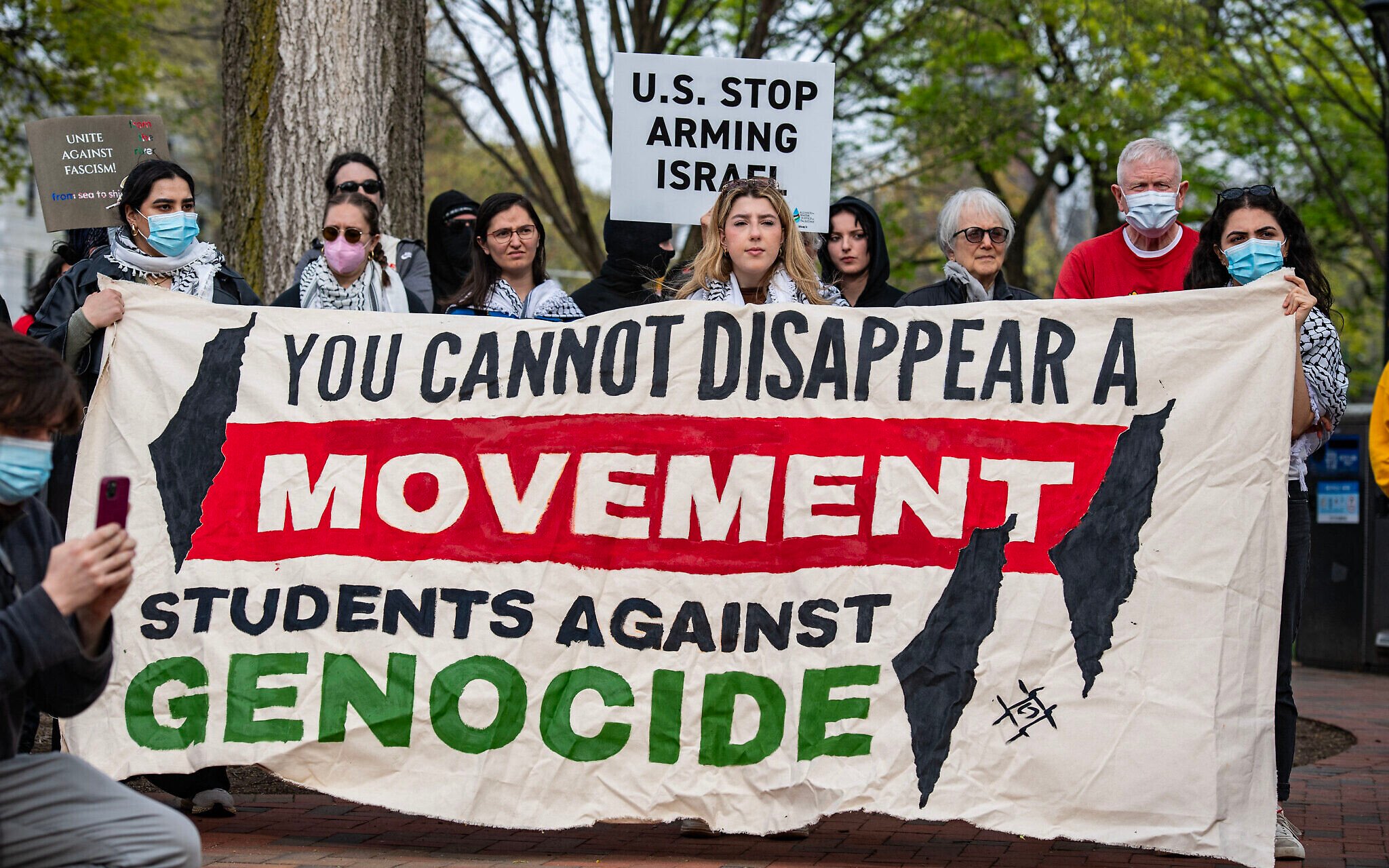
Trump said universities are “paying tremendous awards, colleges, for what they’ve done, because they’re antisemitic. Harvard’s antisemitic. And they’re big prices for what they’ve done.”
The crackdowns have split American Jews. Some have expressed appreciation for the fight against campus antisemitism, while others have raised concern about pulling research funds or appearing to make antisemitism a partisan issue.
“When you go around, you don’t see it so much. It’s very much hidden,” Trump said of antisemitism in the US. “It’s amazing. Maybe that’s the worst kind.”
Trump also noted that most Jewish voters in Michigan backed progressive Democrat Abdul El-Sayed in last week’s Senate race, despite his outspoken criticism of Israel.
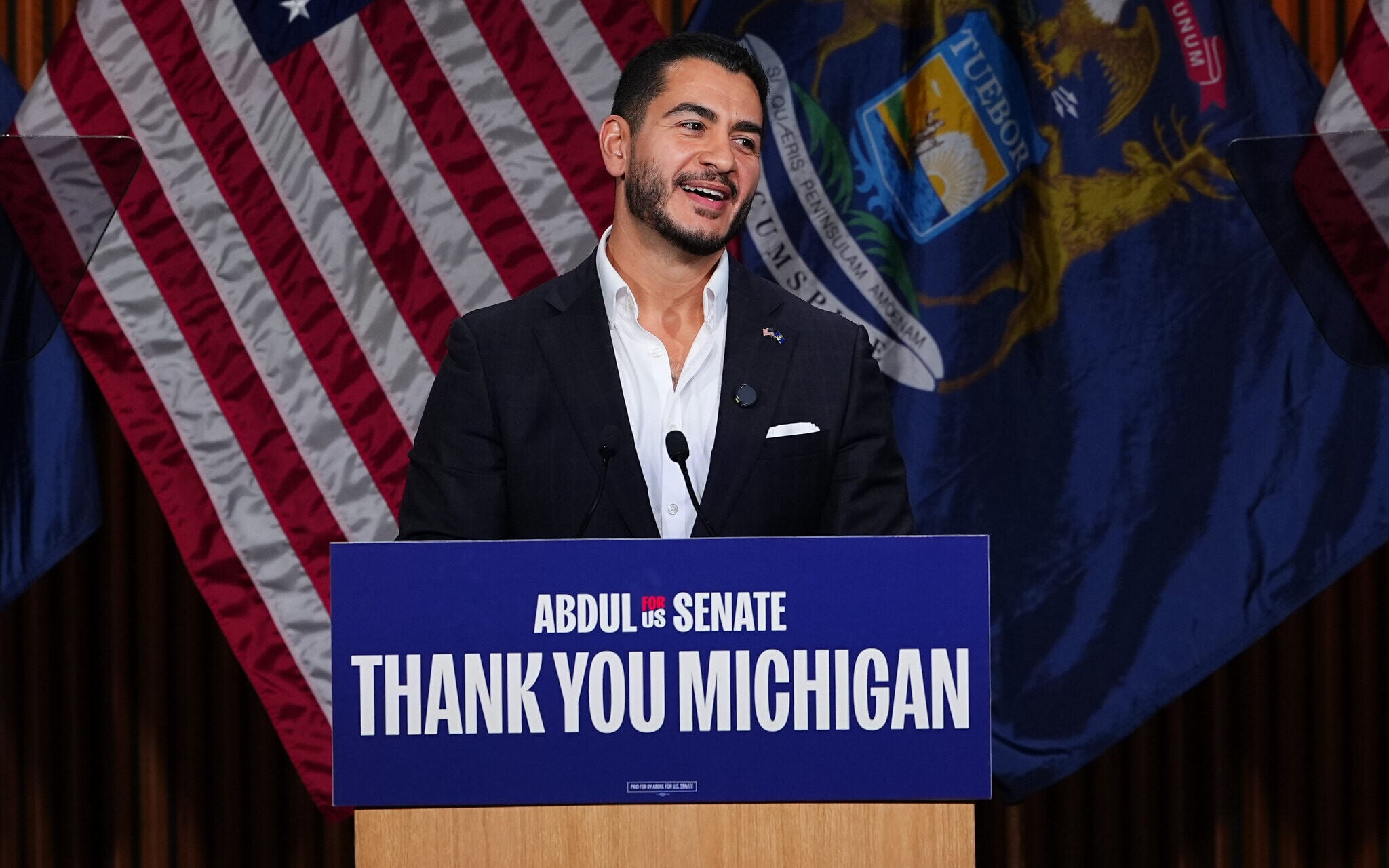
“If you look at El-Sayed in Michigan, he got more votes than the Republican candidate got by quite a bit from Jewish people,” Trump said. El-Sayed received 57% of the Jewish vote.
“It’s not even understandable. It’s a tough group to get,” Trump added.
El-Sayed, the first Muslim elected to the Senate, has drawn attention for his harsh criticism of Israel. He has called for an end to all US military aid to Israel. In his post-election speech, he said, “We want our taxes spent here, for schools here, and healthcare here, and infrastructure here. We don’t want our money sent to do apartheid, or genocide or war.”
He also campaigned with far-left streamer Hasan Piker, who has been accused of employing antisemitic rhetoric against Jews along with his uncle Cenk Uygur, whose political action committee funded an ad in support of the Democratic candidate that blamed the high cost of groceries on US aid to Israel.

El-Sayed also faced criticism for remarks after the March attack on Temple Israel in suburban Detroit.
While stressing that nothing justified the attack, he also spoke of the assailant Ayman Ghazali’s grief and anger over several family members killed in an Israeli airstrike in Lebanon shortly before he rammed his vehicle into the synagogue.
“Hurt people hurt people,” El-Sayed said, in remarks the day after the attack. He later apologized for his comments.
Trump has long vented his frustration with Jews who vote for Democrats, suggesting they are crazy, while touting his own support for Israel.
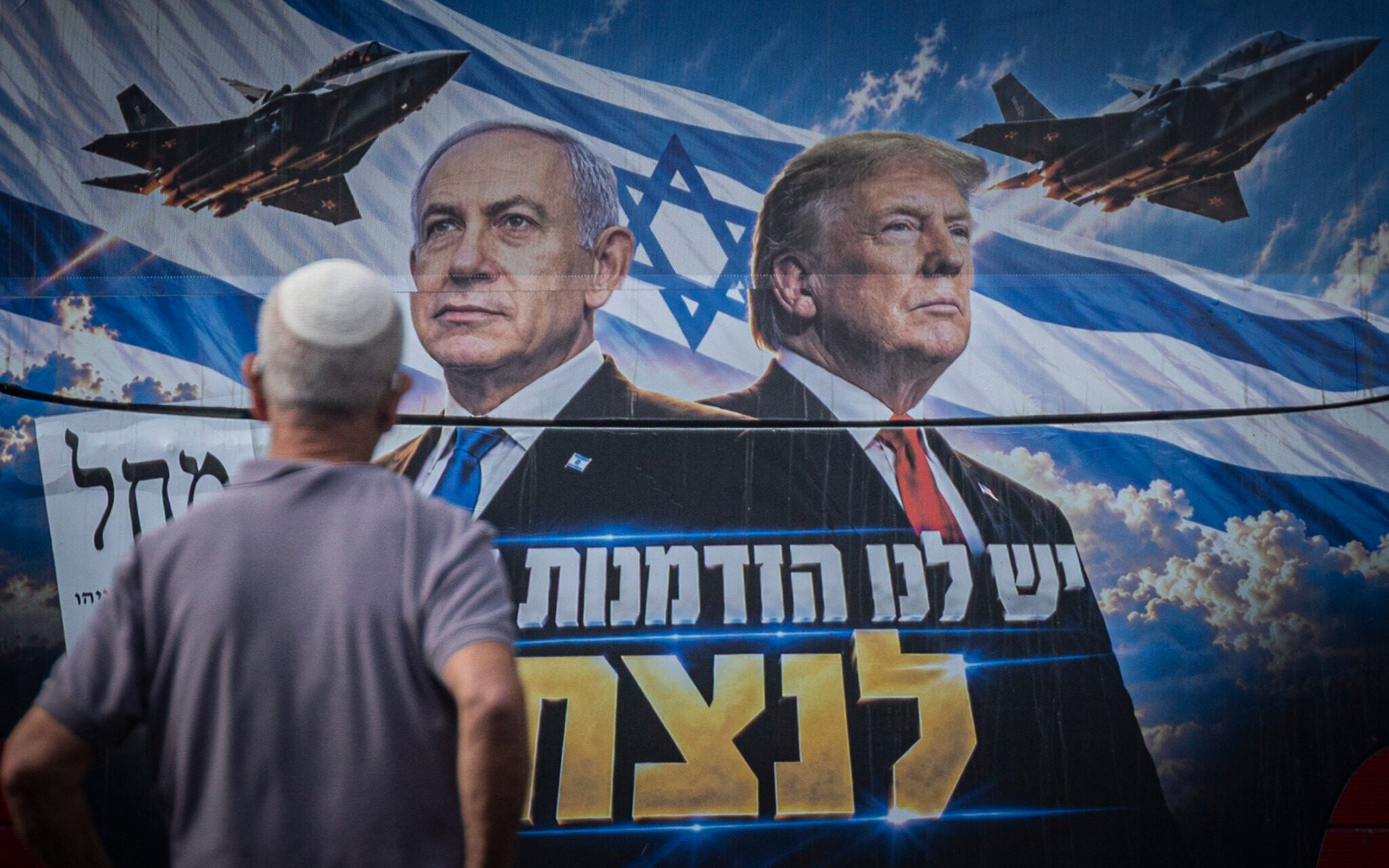
In the interview, Trump boasted of his purported approval ratings among Israelis, claiming, “In Israel, I’m at 99%. Literally, I’m at 99, the most popular person. You know, when this is over, I could go to Israel and be prime minister.”
A July survey by the Jewish People Policy Institute found that trust in Trump among Israelis had fallen to a historic low: only 7% expressed high confidence in him, 41% said they had “some trust,” and 45% said they had no trust at all. The results marked a sharp decline since he took office in January 2025, when 32% expressed a great deal of trust in him and 21% said they had none.