

Trump says US to end $4 billion in annual military aid to Israel by end of 2026
‘Bibi and I made a deal’: US president’s announcement comes on morning of midterms, reportedly surprises Israeli officials as bilateral MOU only expires next year; no comment from Netanyahu, as Eisenkot demands answers
 Add ToI as a Preferred Source on Google
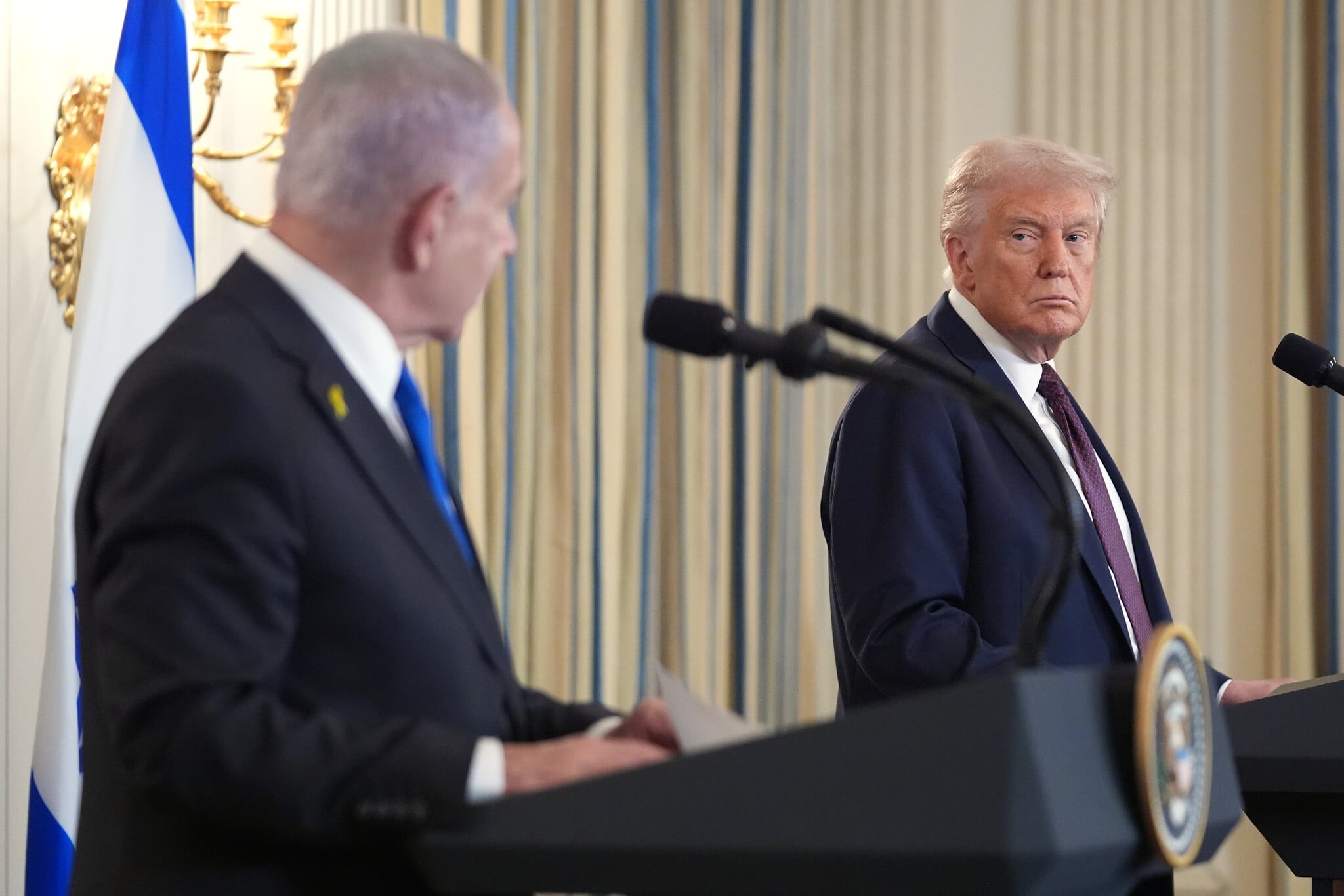
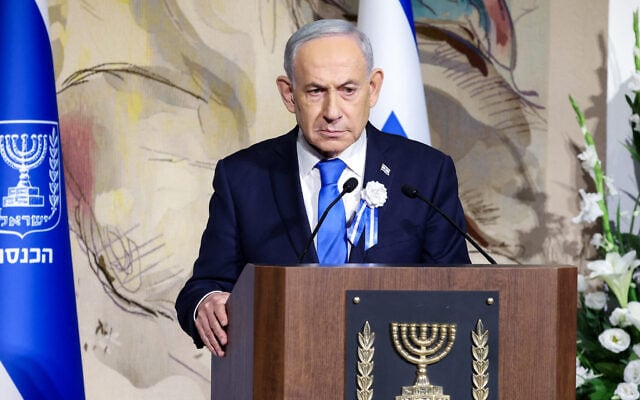
US President Donald Trump on Tuesday said that the United States will cease providing $4 billion in annual military aid to Israel by the end of this year, in comments that reportedly caught Israeli security and financial officials off guard.
Trump tried to qualify the announcement by stressing that Israel has been a good ally and even backs the policy, but his decision to issue it on the morning of the Congressional midterm elections highlights how toxic the issue of aid to Israel has become among both parties in the US.
“As far as paying Israel, Bibi Netanyahu and I have made a deal — we give Israel $4 billion a year — we made a deal months ago that we’re stopping,” Trump told Fox News in a phone interview.
“They’re fine with it because they’ve become a very successful country. They don’t need it. And we won’t be paying anymore, Israel,” he continued.
“So it’s just a wasted thing, since we’ve already agreed that by the end of this year, we won’t be paying Israel,” Trump said. “We’ll help Israel if they need it. They’ve been a great ally, and we’ve been the greatest of all allies.”
Trump’s declaration appeared to almost certainly be false, given that the 10-year memorandum of understanding on US military assistance to Israel, which gives the Jewish state $3.8 billion annually, doesn’t expire until the end of September 2028.
"By the end of this year, we won't be paying Israel"
– Trump just now on Fox News pic.twitter.com/6vqTKEeIOm
— Alexander Willis (@ReporterWillis) November 3, 2026
“They can buy whatever they want. So can Europe. We make the greatest weapons in the world,” Trump added on Tuesday.
The US spends more on military aid to Israel than to any other country, but the memorandum of understanding which began in 2019 requires the majority of those funds to be spent on weapons manufactured in the US.
Officials in the Finance Ministry said on Tuesday they were surprised by Trump’s announcement, the Walla news site reported.
“No formal document was submitted from the Prime Minister’s Office regarding the end of aid,” an official told the site. “The ministry was aware of the intention to end it, but was surprised by the intention to do so immediately.”
Officials in the Defense Ministry and the military were also reportedly surprised by the announcement.
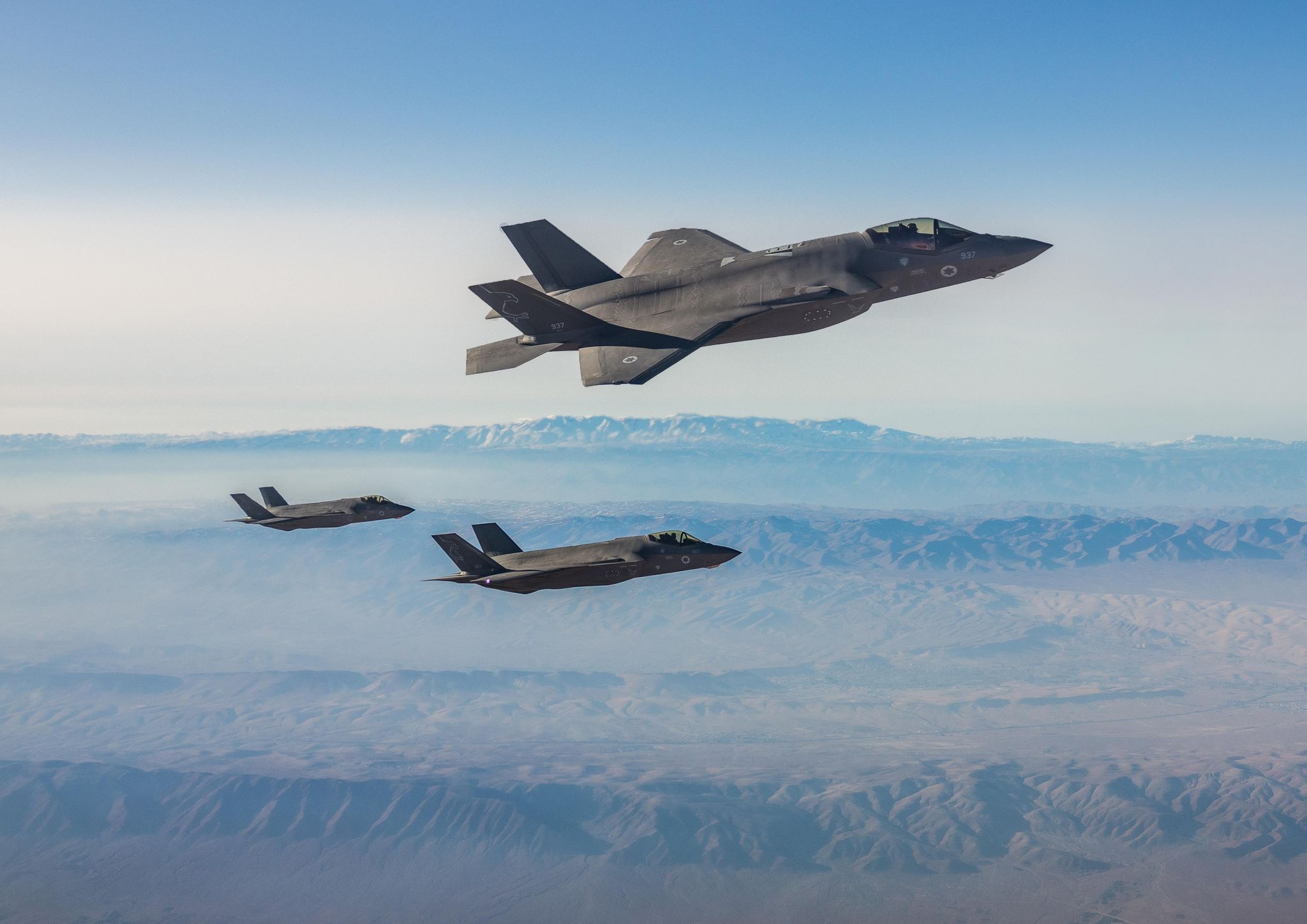
“We did not expect this announcement, certainly not today,” a senior defense official told the Kan public broadcaster.
“There is ongoing dialogue with the Americans, and we can say that we were surprised. We will study the implications of the decision, which has yet to reach professional officials,” the official was quoted as saying.
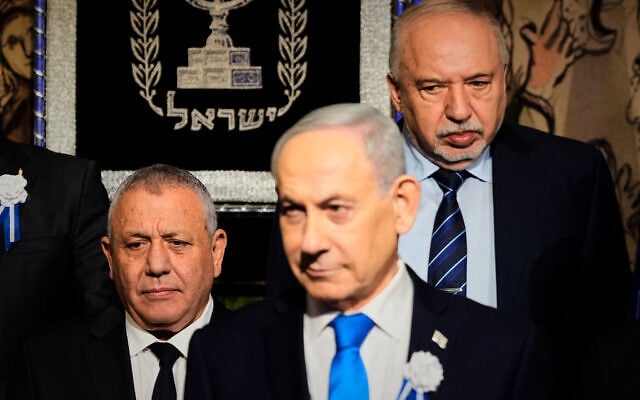
Yashar chairman Gadi Eisenkot was likewise caught off guard by the announcement, and demanded answers from Prime Minister Benjamin Netanyahu.
“The fact that the defense establishment, along with Israeli citizens, is learning through the media about a change in the strategic relationship shows just how much Netanyahu’s conduct poses a real danger,” Eisenkot said in a statement. “He can no longer be trusted and must be replaced.”
“Netanyahu must provide answers to Israeli citizens, tonight,” he demanded.

Yair Golan, chairman of Israel’s liberal Democrats party, also slammed Netanyahu in the wake of Trump’s statement, tweeting that “precisely at a time when Israel’s defense spending has reached enormous proportions, when Israel needs to replenish its offensive weapons stockpiles, and after air defense capabilities have been depleted following such a long war—Netanyahu logs another massive failure under his name.”
“The cessation of US aid is heavy damage to Israel’s security” and “a responsible prime minister would have fought to increase American aid, not eliminate it,” added Golan.
Similarly, Yisrael Beytenu chairman Avigdor Liberman asserted in his own post that “the price of Trump’s support for Netanyahu [is] 3.8 billion dollars a year.”
There was no immediate comment from the Prime Minister’s Office on the announcement.
The move also sparked questions of Trump in the US.
The hawkish Zionist Organization of America, which has traditionally supported Trump, also criticized the president’s move, with its president, Morton Klein, questioning “why the US isn‘t also ending the over $4 billion in annual U.S. aid to the Arab Muslim countries of Egypt, Jordan, Pakistan and Lebanon, and the Palestinian Authority entity.”
However, Republican Jewish Coalition CEO Matt Brooks took a different tack, arguing that under Trump, the US-Israel relationship was “stronger than ever” and that “the process of weaning foreign military assistance to Israel is not unexpected and is something that has been openly discussed in partnership and coordination between the governments of the United States and Israel.”
Brooks added, “Ultimately what will come out of this will be to the benefit of both countries and strengthen our cooperation even further.”
On the other side of the political spectrum, Ilan Goldenberg, the chief policy officer of J Street, the liberal Jewish Middle East advocacy group, posted on X that “2 years ago on Election Day Trump was promising peace in the Middle East. This time ending FMF [Foreign Military Financing] to Israel. Goes to show how much things have moved politically, and simultaneously how much we can’t trust what he says to actually happen.”
Trump’s announcement additionally faced criticism from Brett McGurk, a former senior national security official who played a central role in the Biden administration’s handling of the Israel-Hamas war.
“Obama-era MOU provides $3.3B annually in military financing plus $500M for missile defense. Nearly all of these funds must be spent on purchases from US industry, supporting US jobs. The total is less than one-tenth of one percent of federal spending annually,” noted McGurk in a post on Twitter.
“Phasing out the MOU early is a decision for the President and Congress. It may be time to do so but the debate should start with accurate facts and figures,” he said.

Netanyahu has repeatedly spoken about ending US military aid
While Netanyahu has spoken publicly and repeatedly about ending US military assistance to Israel, he has talked about doing so gradually over the next decade — not all at once as Trump was now claiming.
In a June letter to a US congressman, he wrote that the time had come for Israel “to move from aid recipient to partner.”
In January he told The Economist that he hoped to do so within a decade, while in May he told US broadcaster CBS that he wanted support to reach “zero.”
And just last week he warned that multibillion-dollar weapons packages from Washington “won’t keep coming.”
“If you think we will continue receiving what I twice secured — which is tens of billions of dollars in American aid for the defense budget — prepare yourselves and get used to [the fact that it won’t happen anymore] because America has changed. Not because Israel has [changed]. It’s over, and it will be over. It’s just a matter of time,” Netanyahu said in a TV interview.
Explaining his position, Trump suggested he didn’t want to give ammunition to critics who knock Washington for giving more to the Jewish state than any other country.
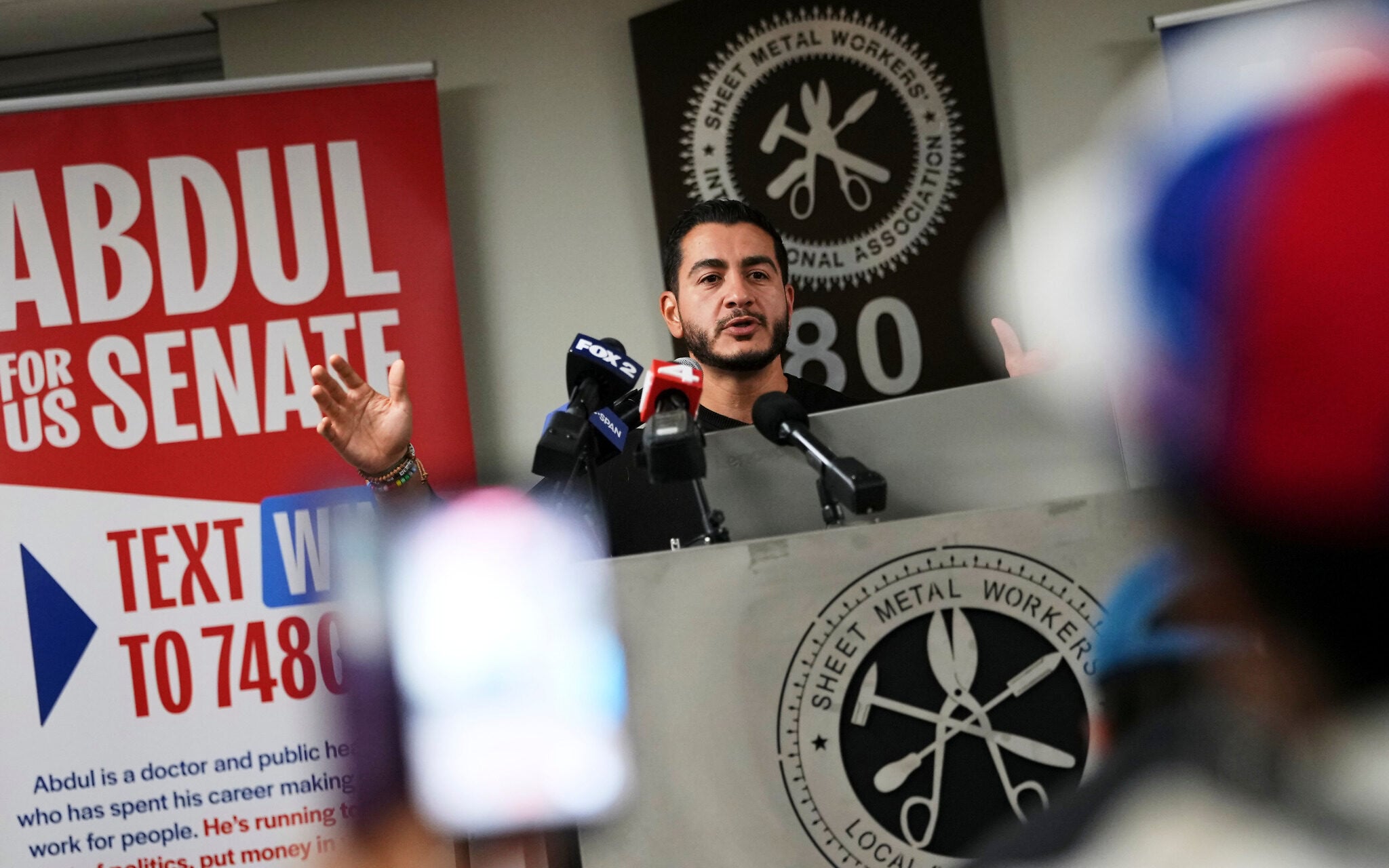
“Why should we suffer the slings from lunatics like an El-Sayed when they don’t need it,” Trump told Fox News, referring to Israel critic Abdul El-Sayed, the Democratic nominee in the 2026 midterm election in Michigan.
“It’s a bad talking point. Because then you’d say, ‘Why don’t we give everyone $4 billion? Israel is our number one. We give them more than anybody else,’” he continued.
Trump insisted that Israel doesn’t need the money and that Netanyahu was the one who raised the idea — despite the premier’s proposal to end it gradually, and the official expiration of the current aid set for the fall of 2028.
“If they did need it, I would say keep it going. But we reached an agreement on that,” Trump said.
“And can I be honest with you, [Netanyahu] brought it up. He said, ‘I think it would be appropriate if we do not receive aid.’ Because he understands that this is one of the points of contention,” Trump said, appearing to acknowledge how unpopular aid to Israel has become in the US.
“Israel has been a great ally — much more reliable than most,” Trump noted.
Since its founding in 1948, Israel has received more than $300 billion, adjusted for inflation, in US economic and military assistance, according to figures from the Council on Foreign Relations, far more than any other country has received since 1946.
The US committed to providing billions in military assistance to Israel and Egypt each year when they signed their 1979 US-brokered peace treaty.
While US aid once made up a significant chunk of Israel’s military spending, the percentage it makes up of those funds has significantly declined in recent years as Israel’s economy has flourished.
Under the 2025 budget, the Defense Ministry’s budget swelled to a record NIS 110 billion ($29 billion) out of a total defense budget of NIS 136 billion ($36.9 billion).
Part of Israel’s push to end aid stems from frustrations during the Gaza war when several allies halted arms supplies, including the Biden administration, which held up the transfer of some munitions over concerns they could be used in ways that would cause undue harm to Palestinian civilians.
US public support for Israel has fallen since the Gaza war began in 2023 in the wake of the October 7, 2023 Hamas massacre, particularly among Democrats. A June Quinnipiac University poll found 48 percent of voters and 66% of Democrats believe the United States is too supportive of Israel, up from 16% and 20% when the question was first asked in 2017.
Support for Israel among Democratic voters has plummeted; candidates critical of Israel are winning Democratic primaries, and even moderate lawmakers are increasingly willing to challenge decades of US support for Israel.






The Times of Israel Community.