Two convicted over London stabbing of Iranian dissident journalist
Prosecutors say assault by Romanian nationals on Iran International news presenter Pouria Zeraati was proxy operation linked to Tehran aimed at silencing criticism of regime
Two Romanians were convicted on Friday over the stabbing of an Iranian journalist outside his home in London in a 2024 attack that prosecutors linked to Tehran.
Nandito Badea, 21, and George Stana, 25, were found guilty of wounding with intent for the stabbing of Pouria Zeraati, a news presenter for Persian-language outlet Iran International.
The attack was “designed to silence a journalist through intimidation and violence,” the British prosecution service’s anti-terrorism chief Frank Ferguson said after the verdict at Woolwich Crown Court.
Prosecutors argued during the trial that the attack was a proxy operation linked to the Iranian state and the victim was targeted because of his work as a journalist, though Iran denied any involvement.
The pair will be sentenced on July 3, when the judge could comment on the possible role of Iran in the attack.
Zeraati needed emergency treatment after he was stabbed several times in the leg outside his home in Wimbledon, southwest London.
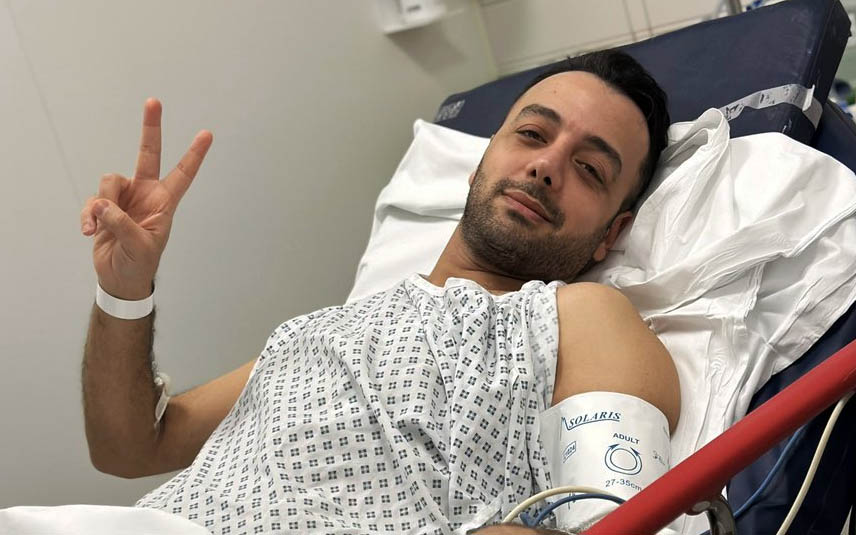
But he returned to work at the dissident broadcaster the following month, insisting that “the show must go on.”
The defendants waited for Zeraati and “acted together to restrain and stab him before making an immediate and organized escape from the UK,” said Ferguson.
The men were arrested in Romania in December 2024 and extradited to Britain, but a third man accused of taking part in the attack is still in Romania because he faces separate charges there, police said.
Iran International, a Saudi-funded private broadcaster based in a heavily secured building in west London, was labelled a “terrorist” organization by Tehran in 2022, along with the BBC’s Persian-language channel.
Last month, a Greek man was charged with spying on a journalist at Iran International.
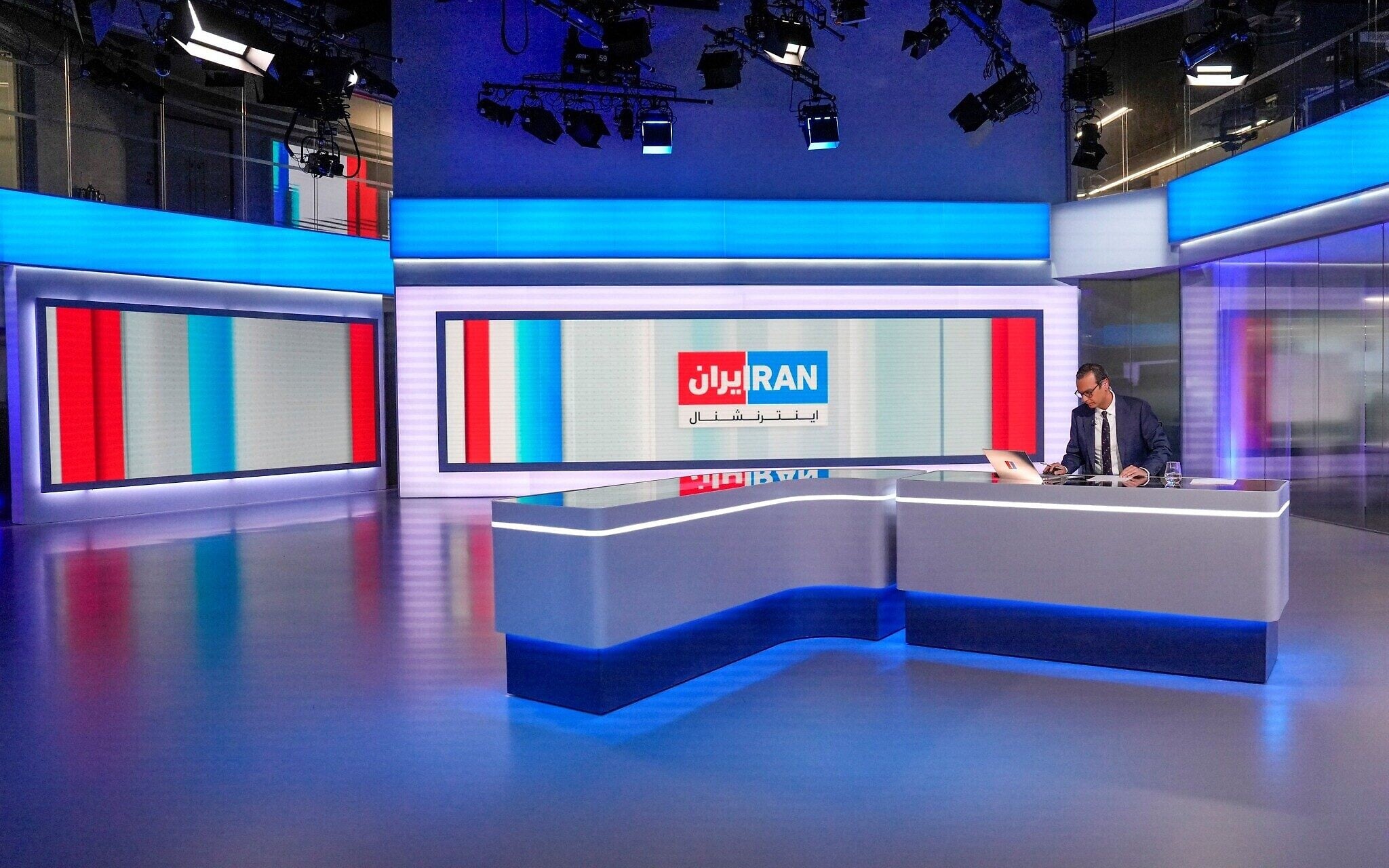
In April, three people appeared in a London court charged with an attempted arson attack on its offices.
Additionally, the Iranian embassy in London reportedly launched a controversial “martyrdom” program in March, calling on “proud Iranian compatriots residing in Britain” to register for the “Jan Fada” (“sacrificing life”) initiative.
Though an embassy spokesperson was said to insist the initiative “does not promote any form of hostility,” analysts warned that the effort could amount to online radicalization.
In response, Britain summoned the Iranian ambassador to the UK, with the country’s minister for the Middle East, Hamish Falconer, having made clear that the embassy “must cease any form of communications that could be interpreted as encouraging violence in the UK or internationally.”