UK court hears alleged plot to assassinate Tony Blair
Londoners suspected of trying to kill ex-PM after police find bomb-making plans, suspicious documents; photo of synagogue also found
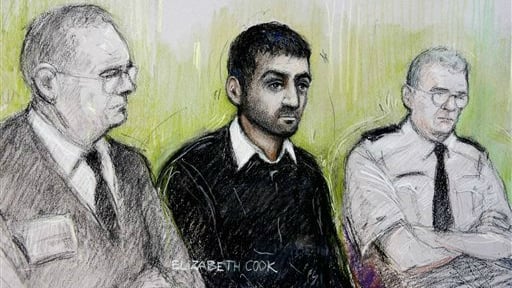
LONDON (AP) — A man accused of plotting a terrorist attack in Britain had former prime minister Tony Blair’s address in his car, a prosecutor said Tuesday during opening arguments in a trial held under contentious conditions of secrecy.
Erol Incedal, a 26-year-old Londoner, is accused of preparing a terrorist act and possessing bomb-making instructions. He denies the charges.
In opening arguments at a London criminal court, lawyer Richard Whittam said the Blair address might be significant, though prosecutors don’t argue that Incedal “had settled on a specific target or a particular methodology” for an attack.
He said Incedal may have been planning to attack a “significant” individual or to stage indiscriminate Mumbai-style shootings, referring to the four-day terrorist rampage in 2008 that targeted a Jewish community center, among several other places, and left 164 dead and over 600 injured.
As prime minister, Blair took the UK into the 2003 US-led invasion of Iraq, a decision that remains widely unpopular in Britain and the Muslim world.
Whittam said the piece of paper with Blair’s address was found in a glasses case in Incedal’s car when he was stopped for a traffic offense in September 2013.
According to the British newspaper the Guardian, a notebook was also discovered during the time of the stop that included a handwritten message: “Oh you the believers, fight those of the infidel who are near to you. Why do you not fight in Allah’s cause for those oppressed men, women and children who cry out: ‘Rescue us from this town.’”
After the search was conducted, Whittam stated that police had placed a listening device in the car which later alerted them to a remark made by Incedal about finding an “illegal house” for moving around material.
He was also recorded making hateful statements about Caucasians and expressing concern that the authorities would search his car.
Incedal was later arrested that year with another suspect, 26-year-old south Londoner Mounir Rarmoul-Bouhadjar. Police stopped the men by shooting out the tires of car they were riding in.
According to Whittam, both men were in possession of SD memory cards containing three files on bomb-making that were wrapped in masking tape inside of their iPhones.
The court also heard an iPhone recovered during the investigation included photographs of a synagogue and material supporting Islamic State (IS) militants in Syria and Iraq, the BBC reported.
Given the concerns for national security surrounding the trial, prosecutors sought to have the trial held in secret.
British judges often impose reporting restrictions while trials are underway, usually to avoid prejudicing future proceedings, and portions of trials have previously been held without media or the public present. But lawyers said an entire secret criminal trial was unprecedented.
After a challenge from media organizations, a judge ruled that some sections should be held in public, including part of the prosecution’s opening statement and the verdict.
Some journalists will be allowed to attend proceedings, but not to report on them as they unfold.
Mounir Rarmoul-Bouhadjar, the suspect arrested with Incedal, has already pleaded guilty to possessing documents on bomb-making and will be sentenced at the end of the trial.
Justin Jalil contributed to this report.