UN agency can’t confirm Iran hasn’t diverted nuclear material from peaceful activity
In confidential report, IAEA says Tehran's lack of cooperation has raised urgent proliferation concerns, calls for inspectors to return to key sites 'without further delay'
The UN’s nuclear watchdog cannot confirm that Iran hasn’t diverted nuclear material away from peaceful purposes, it said in a confidential report on Iran seen by media outlets on Friday.
Because of a lack of cooperation from Iran, the International Atomic Energy Agency (IAEA) “is not able to conclude that there has been no diversion of declared nuclear material from peaceful nuclear activities in Iran,” the report said.
IAEA said it is “increasingly concerned” about a uranium-enrichment plant at Isfahan that Iran declared to it last year but has still not let the watchdog inspect.
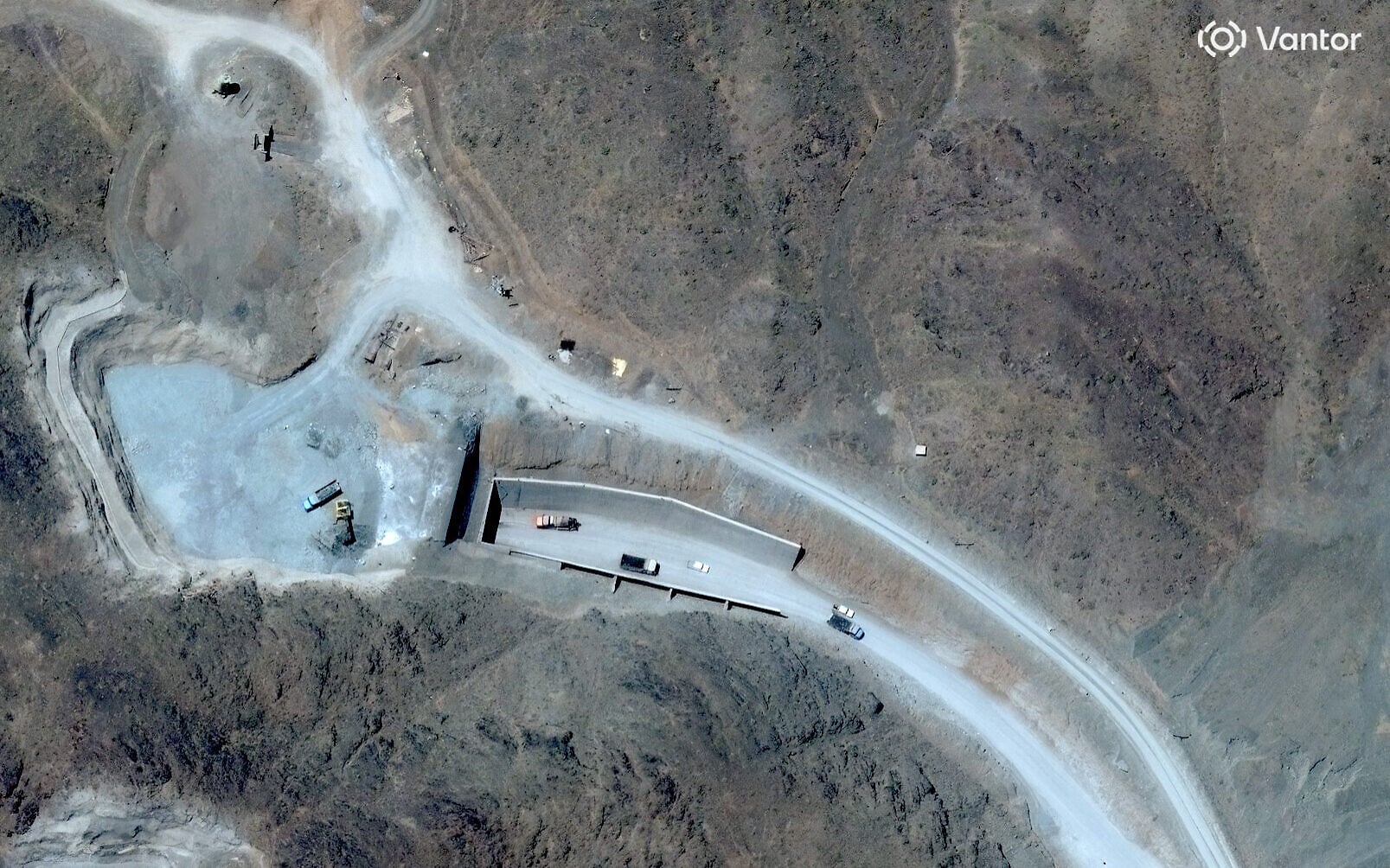
Iran has not let IAEA inspectors return to any of its nuclear facilities bombed by Israel and the United States in a 12-day campaign in June 2025 that destroyed or badly damaged Iran’s other uranium enrichment plants, the heart of its nuclear program.
Nuclear facilities have also been hit in the latest war, which erupted on February 28, and the IAEA has repeatedly called for access.
In its report, the agency said that it was “critical” for it to conduct “verification activities in Iran without further delay.”
“The director general encourages Iran to consider technical and gradual measures by which conditions are achieved that allow for the return of agency inspectors to Iran,” the report said.
The IAEA “acknowledged that the military attacks on Iran’s nuclear facilities and sites created an unprecedented situation.”
Still, the agency said the lack of cooperation raised “serious proliferation concern” that “needs to be rectified with the utmost urgency.”
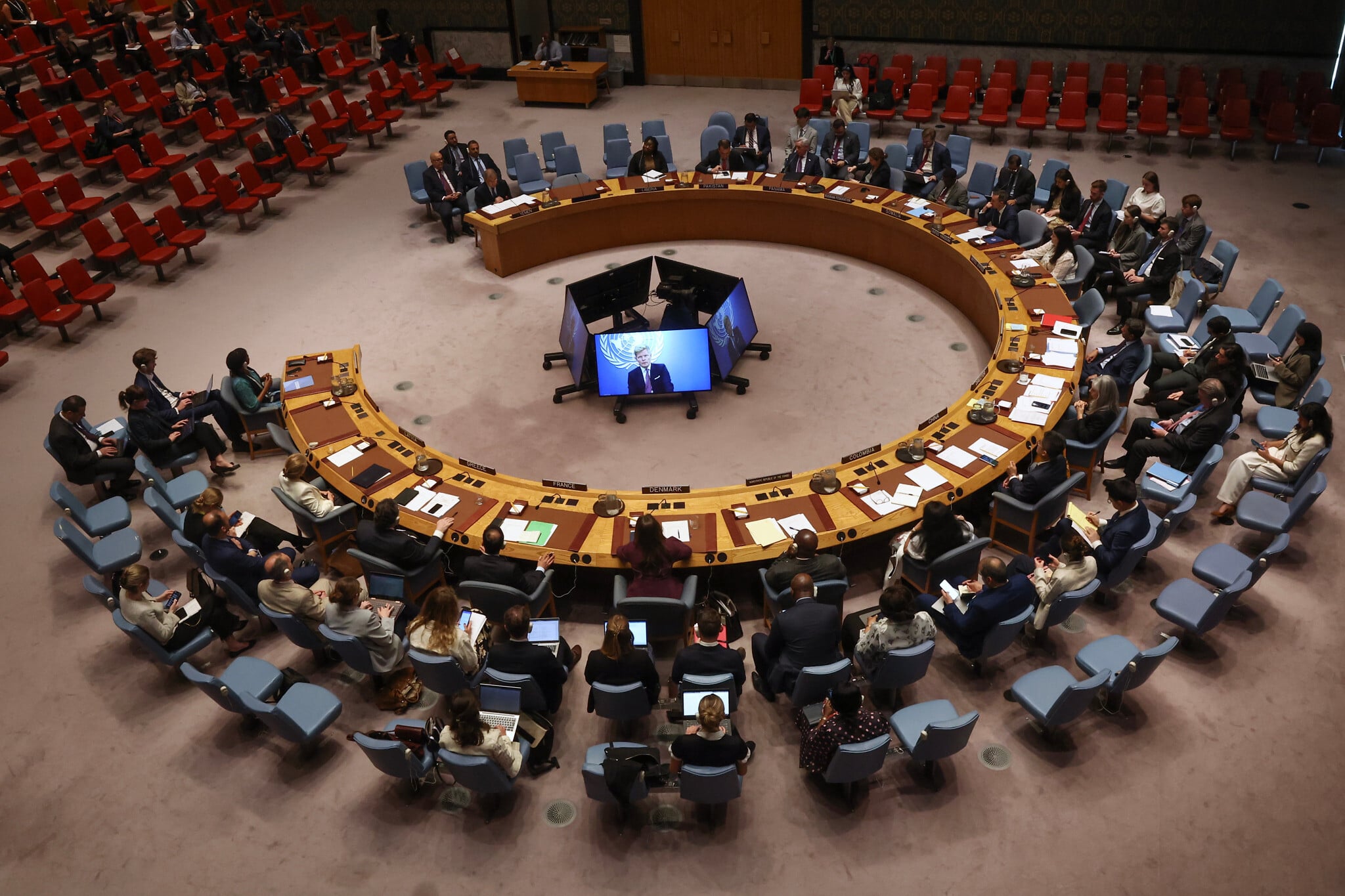
The IAEA board in September referred Iran to the UN Security Council, marking the first time Iran has been referred to the UN top body in 20 years for failing to comply with its nuclear reporting obligations.
Before the June 2025 strikes, the IAEA calculated that Iran possessed approximately 440 kilograms of uranium enriched to 60 percent, nearing the 90 percent needed to make a bomb and well above the 3.67% limit set by a now-defunct 2015 agreement with Iran.
Since June 2025, the fate of Iran’s nuclear stockpile has remained uncertain.
Iran has long denied striving to develop a nuclear bomb. However, such highly enriched uranium has no peaceful purpose.
IAEA head Rafael Grossi said in June that the “widespread impression” was that the stockpile remains where it was before June 2025, near the Isfahan Fuel Enrichment Plant (IFEP).

The IAEA had planned to inspect the plant on June 13, 2025, but the bombing campaign started that day, making it impossible.
“The agency does not know IFEP’s exact location, status for safeguards purposes, or whether it contains nuclear material,” the agency said, expressing concern about the lack of information and access to the plant.
While the report singles out IFEP, it also reiterates that Iran should inform the IAEA of the status of its enrichment plants as well as its stock of highly enriched uranium, which includes material close to weapons grade, and let inspectors return to the bombed sites and account for the enriched uranium.
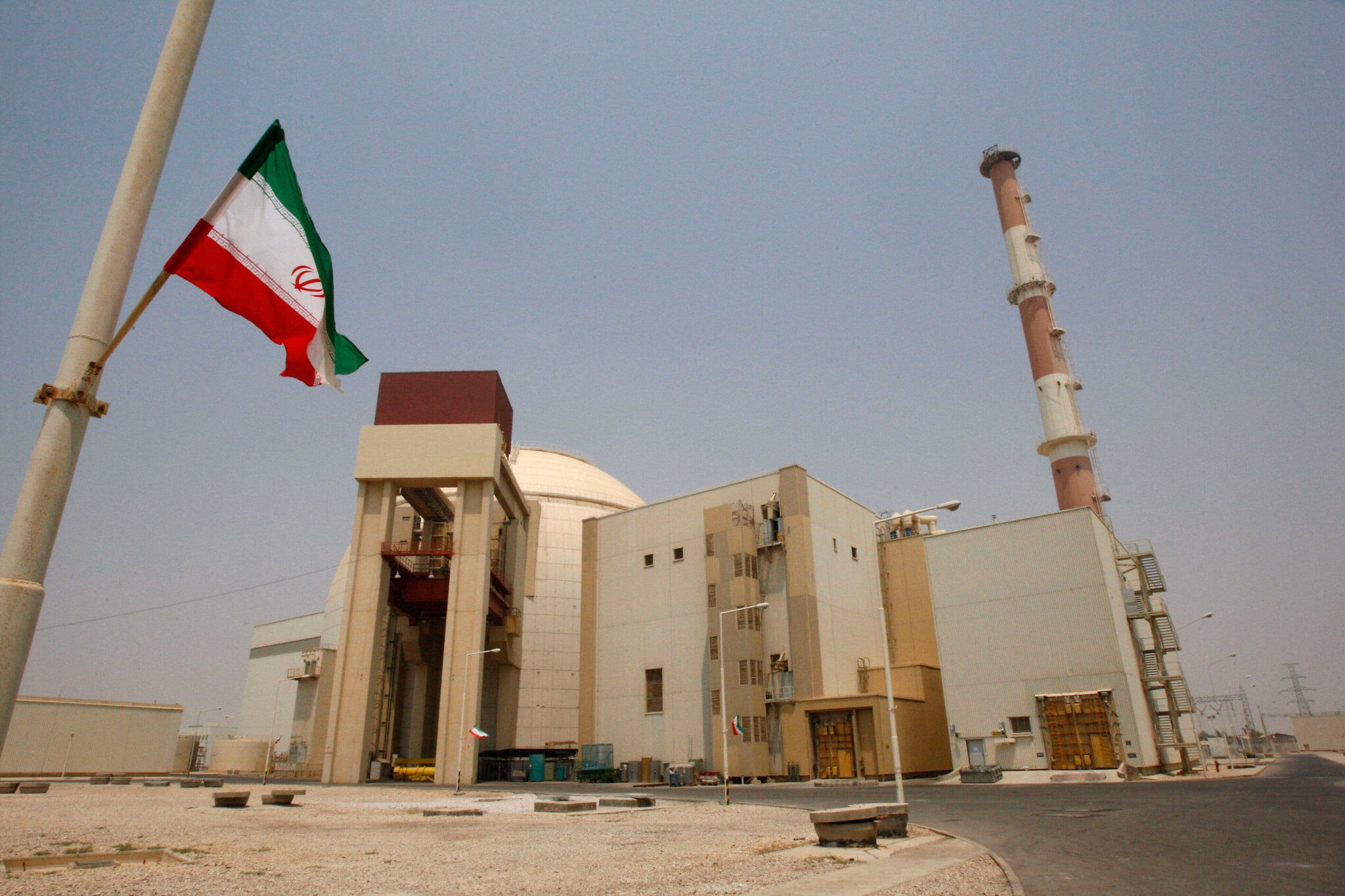
IAEA inspectors were able to visit Iran’s Bushehr nuclear plant in September, but have had no access to other key facilities.
The report detailed correspondence in recent weeks between the IAEA and Iran.
According to the report, Iran told the IAEA that discussions on restarting inspections in the country cannot resume amid “a series of persistent, explicit, and public threats by the President of the United States of America … to commit further acts of armed aggression” against Iran “particularly targeting its nuclear facilities.”
Iran said the situation won’t resolve “until the root causes of the present situation are addressed and the essential requirements for normal safeguards implementation are restored,” the report added.
It nevertheless reaffirmed its “firm commitment to resume full implementation of its safeguards obligations as soon as the relevant legal and actual conditions permit it.”
Iran also expressed concern in a letter to the IAEA about a recent US offer of a reward of up to $20 million in exchange for information on Iran’s nuclear program. Tehran stressed the importance of maintaining the “confidentiality” of the IAEA’s activities and the need to ensure that information on Iran’s nuclear program is not “disclosed, misused or exploited.”
The IAEA told Iran in a letter on Thursday that it would “protect…. all confidential information” after Tehran informed the agency about the United States’ $20 million reward for information on its nuclear program.
Iran on Wednesday hit out at the reward announced by the US military last week and urged the IAEA and the UN Security Council to condemn it.