UN reaffirms push for Lebanon stability as Beirut asks to extend peacekeepers’ mandate
UNIFIL mandate set to end in December after nearly 50 years, prompting concern from Lebanese officials who warn withdrawal will create 'vacuum' and harm regional security
BEIRUT, Lebanon — A visiting senior United Nations official on Wednesday reaffirmed the body’s commitment to stability in Lebanon as the mandate of its peacekeeping force in the country is set to expire this year.
Under-Secretary-General for Peace Operations Jean-Pierre Lacroix met officials as well as representatives of countries contributing to the UN Interim Force in Lebanon (UNIFIL), which counts some 7,500 personnel from nearly 50 countries.
“I thanked them for their critical support to UNIFIL and reiterated the UN’s strong commitment to supporting peace and stability in Lebanon,” Lacroix said.
UNIFIL has served as a buffer between Israel and Lebanon since 1978, but its presence has been unable to prevent several rounds of conflict between Israel and the Hezbollah terror group.
The latest war began when Hezbollah fired rockets into Israel in early March, two days after the US and Israel launched a war on Iran. Israel launched a ground invasion, capturing dozens of Lebanese villages and towns along the border, before a US-brokered ceasefire paused the conflict in late June.
About 1.2 million people were displaced in Lebanon at the height of the war. Most have returned home since the ceasefire, but more than 300,000 remain displaced, according to the International Organization for Migration.
Israel has continued to maintain a self-declared “security zone” that runs around 10 kilometers (six miles) inside southern Lebanon along the border.
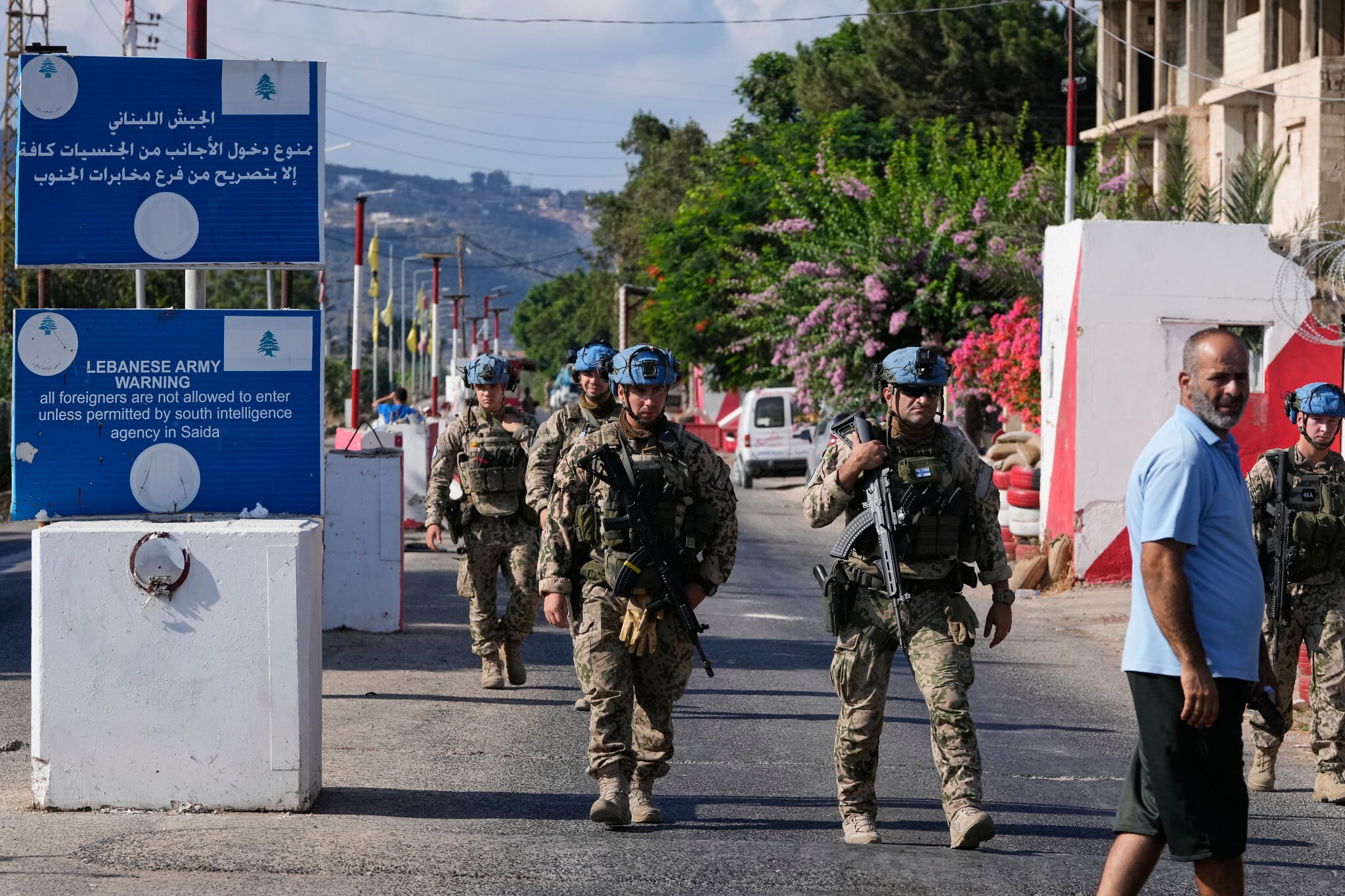
Under US pressure, the UN Security Council last year voted to end UNIFIL’s mandate on December 31, 2026. A drawdown of forces will follow throughout 2027.
Both the US and Israel view the UN body as having failed in its mandate, which included implementing a 2006 UN Security Council resolution that said Hezbollah must be disarmed and its presence in southern Lebanon ended altogether. Instead, the terror group built massive infrastructure for war along Israel’s border in the ensuing decades.
Lebanese officials have nevertheless called for the mandate to be extended.
Lebanese President Joseph Aoun told Lacroix that Lebanon “is keen on UNIFIL staying, considering the importance of the role that it has played from the start of its mission until today,” according to a statement from his office.
“The circumstances resulting from Israel’s attacks and occupation of southern villages and towns… make the presence of international forces extremely important,” Aoun added.
UNIFIL’s “withdrawal will create a vacuum that will have negative repercussions on the security situation in the region,” he warned.
‘Must be heard’
After meeting Aoun, Lacroix said, “We know about Lebanon’s positions, including the letter which it sent to the United Nations requesting a temporary extension of the UNIFIL mandate.”
“The positions of the Lebanese authorities must be heard and taken into consideration,” he said.
In July, 86 Lebanese lawmakers signed a letter addressed to the UN Security Council calling for UNIFIL troops to remain with an expanded mandate.
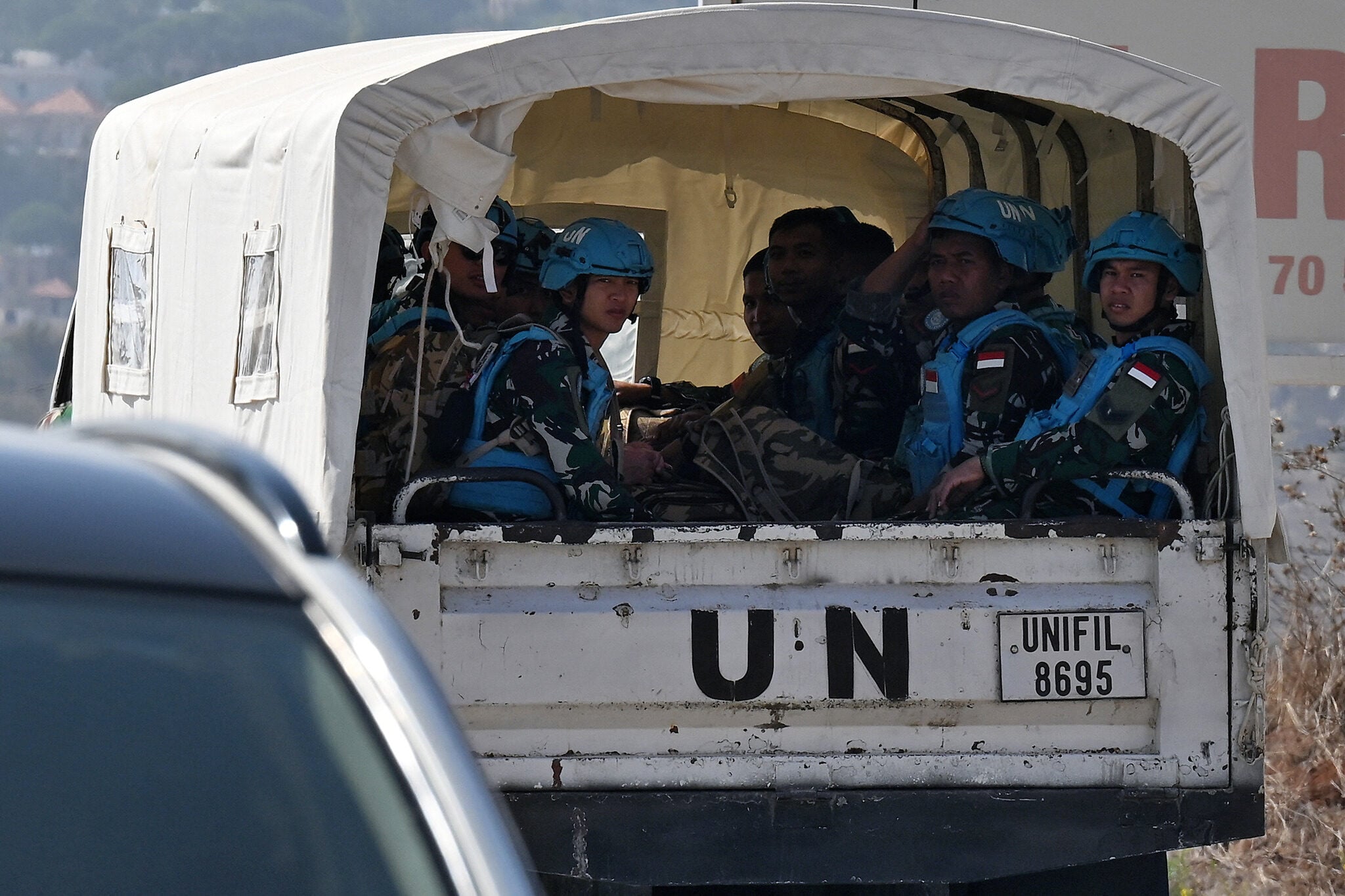
Violence in southern Lebanon has decreased since a US-Iran understanding in June, and a US-sponsored Lebanon-Israel framework agreed later that month, which committed Lebanon and the US to preventing reconstruction funds from reaching entities or individuals affiliated with non-state armed groups and taking available legal measures to prohibit their activities.
Hezbollah has rejected the agreements reached earlier this year after rare direct talks in Washington and Rome between Lebanon and Israel, which officially remain in a state of war.
The June framework deal involves the disarmament of Hezbollah, a gradual withdrawal of Israeli forces from Lebanon’s south and the deployment of the Lebanese army to the region, starting in test areas known as “pilot zones,” but the process has largely stalled.
Visiting EU foreign policy chief Kaja Kallas told AFP last week that the bloc was in favor of extending UNIFIL’s mandate, also warning against a “security vacuum.”
France and Italy have said they want to set up a multinational coalition to succeed UNIFIL.
Times of Israel staff contributed to this report.