UN warns Gaza reconstruction halted by cement ban
Officials say new Israeli limitations preventing over 1,300 families from rebuilding homes; Jerusalem: Hamas steals materials to build tunnels
Reconstruction aid to over 1,300 families in Gaza has been suspended due to a lack of materials, the United Nations said Friday.
Israel suspended private imports of cement to Gaza early this month, alleging the materials were being diverted to the construction of Hamas terror infrastructure.
The ban only affected private providers, so Qatar, a major donor to Gazan reconstruction, and the United Nations were still able to bring in cement.
Still, it has led to acute shortages that have brought much of the reconstruction to a halt, the UN said.
“Organizations providing assistance have had to suspend cash assistance for house repairs to over 1,370 families as a result of scarcity and acute price increases,” a statement from the UN Office for the Coordination of Humanitarian Affairs said.
“In addition, payment to 1,550 families scheduled to start reconstruction are being delayed due to the lack of available cement.”
Cement imports are vital for the Palestinian enclave after a devastating 2014 war between Israel and Hamas which destroyed a significant amount of civilian infrastructure.
Over 1.2 million tons of construction materials have entered Gaza since the reconstruction mechanism was set up in 2014. According to an Israeli official, 80 truckloads of cement enter Gaza weekly, each vehicle carrying 40 tons.
But Israel has repeatedly warned that construction materials intended for civil reconstruction are being diverted to Hamas’s preparations for future conflicts with Israel, such as new attack tunnels being dug under the border.
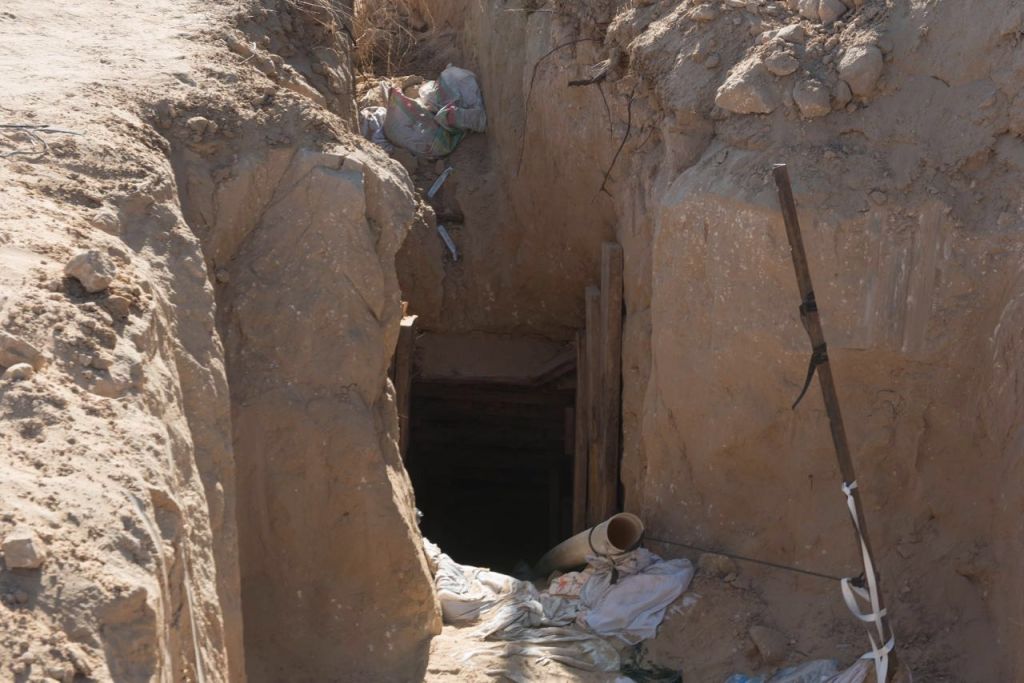
The Defense Ministry body responsible for implementing government policies in the Palestinian territories, COGAT, has accused Hamas of continuing to “abuse and harm Gaza’s civil population to advance their own personal agenda.”
It singled out Imad al-Baz, deputy director of Gaza’s economy ministry, as responsible for diverting supplies.
UN envoy Nickolay Mladenov warned that anyone misappropriating the cement was “stealing from his own people and adding to the suffering of the people of Gaza.”
Hamas has denied the Israeli charges of siphoning off cement imports to Gaza and warned of a potential “explosion” unless the ban is lifted. Baz said the imports were in line with a UN-brokered Gaza reconstruction mechanism.
“We don’t interfere with the cement mechanism,” he told AFP, adding that all cement distribution sites in Gaza are monitored by Israeli cameras.
He warned that Israel’s decision would have “dire consequences” including “stopping the wheels of reconstruction, destroying the economy and increasing unemployment with adverse repercussions for tens of thousands of citizens.”

“If Israel continues to prevent the supply of cement to Gaza, the situation will explode in the face of the occupation and it will bear the responsibility.”
Israel and Egypt have imposed a blockade on Gaza since 2007 in a bid to prevent arms from reaching Hamas, which runs the coastal enclave. Palestinian terrorist groups in Gaza and the Jewish state have fought three wars since 2008.
In recent months, Hamas has been accused of rebuilding tunnels destroyed in 2014 that could be used to attack Israel. Israel last month exposed what it said was one such tunnel built by Hamas, an Islamist terror group that says it wants to destroy Israel.
The Strip of 1.8 million people has one of the world’s highest unemployment rates and poverty is widespread.