US leaves Iraq 23 years after fall of Saddam Hussein, stoking fear of vacuum emboldening ISIS, militias
Withdrawal fulfills 2024 agreement reached under Biden; Tehran hails departure as victory, Iraqi security officials warn ISIS could regroup without a Western military presence
BAGHDAD, Iraq (Reuters) — US forces withdrew from their remaining bases in Iraq on Wednesday, raising fears they will leave behind a security vacuum, further embolden Iranian-backed Shi’ite militias and give the resurgent Islamic State organization an opening to regroup.
The departure, celebrated as a victory by Tehran and its allies, was agreed to in 2024 under US President Joe Biden and carried out by Donald Trump’s administration even as it wages war against Iran.
It comes 23 years after US-led forces toppled Saddam Hussein, then triggered upheaval and chaos, culminating with the rise of Islamic State.
Iran’s Islamic Revolutionary Guard Corps urged Americans to vote out Trump’s allies in Congress as US forces exit from neighboring Iraq, where Tehran has steadily entrenched itself through proxies since the Iraqi dictator’s fall.
While the departure of US forces is broadly popular among Iraqis, some worry that security forces trained and funded by the United States still can’t protect the country, where 4,500 American forces died in more than 20 years of war.
“The lesson from the past two decades is that security vacuums can be extremely dangerous,” said Jassim al-Bahadli, an Iraqi analyst who advises the security forces.
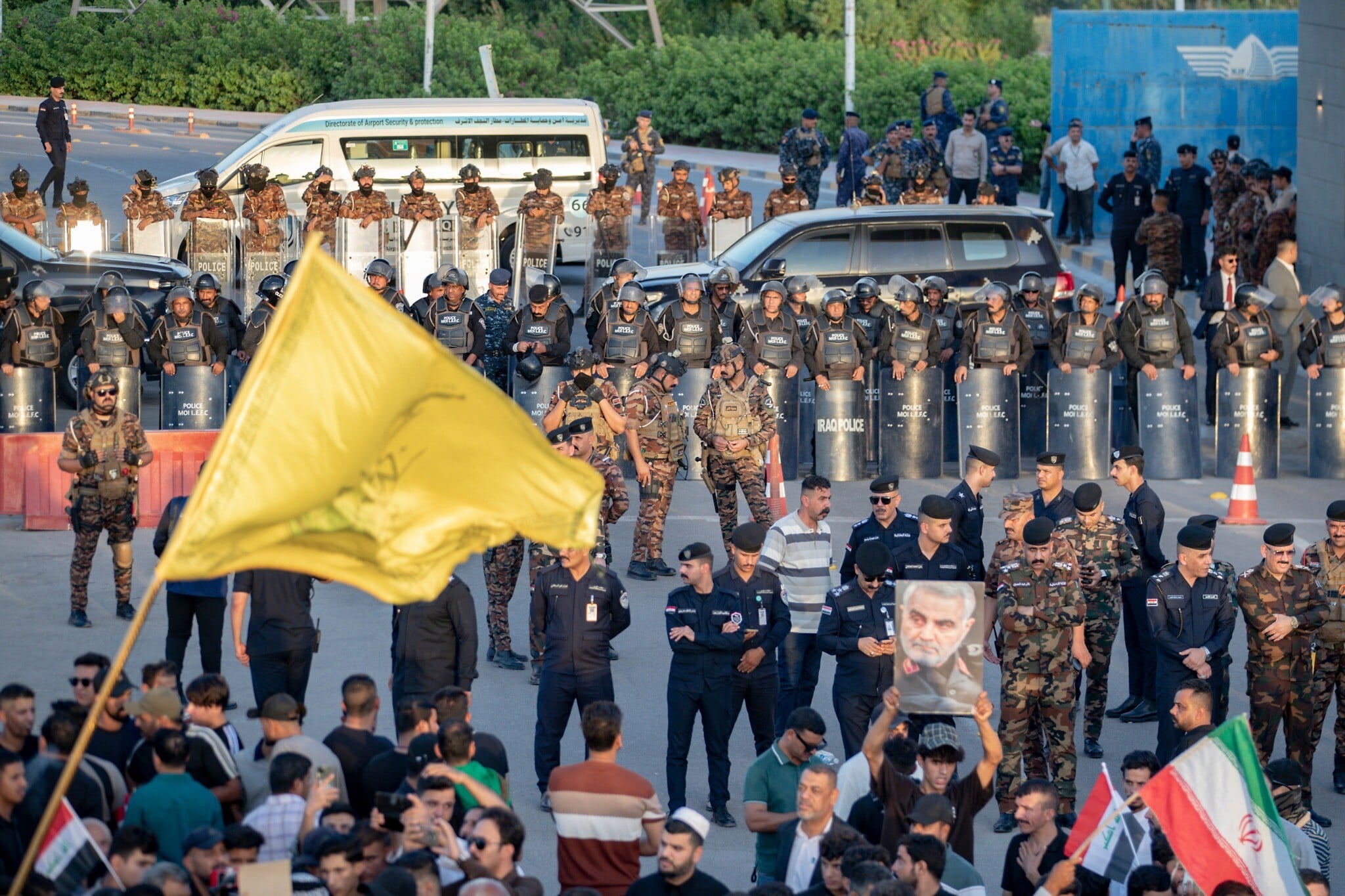
After US forces invaded in 2003, it went on to occupy the country, install a Shiite-led government and fight a years-long insurgency — first by Saddam loyalists, then al-Qaeda, as a sectarian civil war devastated Iraq — before withdrawing at the end of 2011. They returned less than three years later to help Iraqi forces defeat the Sunni militant group Islamic State, which terrorized millions, in a major war from 2014 to 2017.
Around twice as many Americans died in “Operation Iraqi Freedom” as in the parallel war in Afghanistan, which ended with an abrupt US withdrawal in 2021.
In this year’s conflict with Iran, 7 of the 18 US service members listed as killed were in Iraq, the last an army sergeant who died during the controlled detonation of a drone at a base near Erbil in July.
Iran, allies are the winners
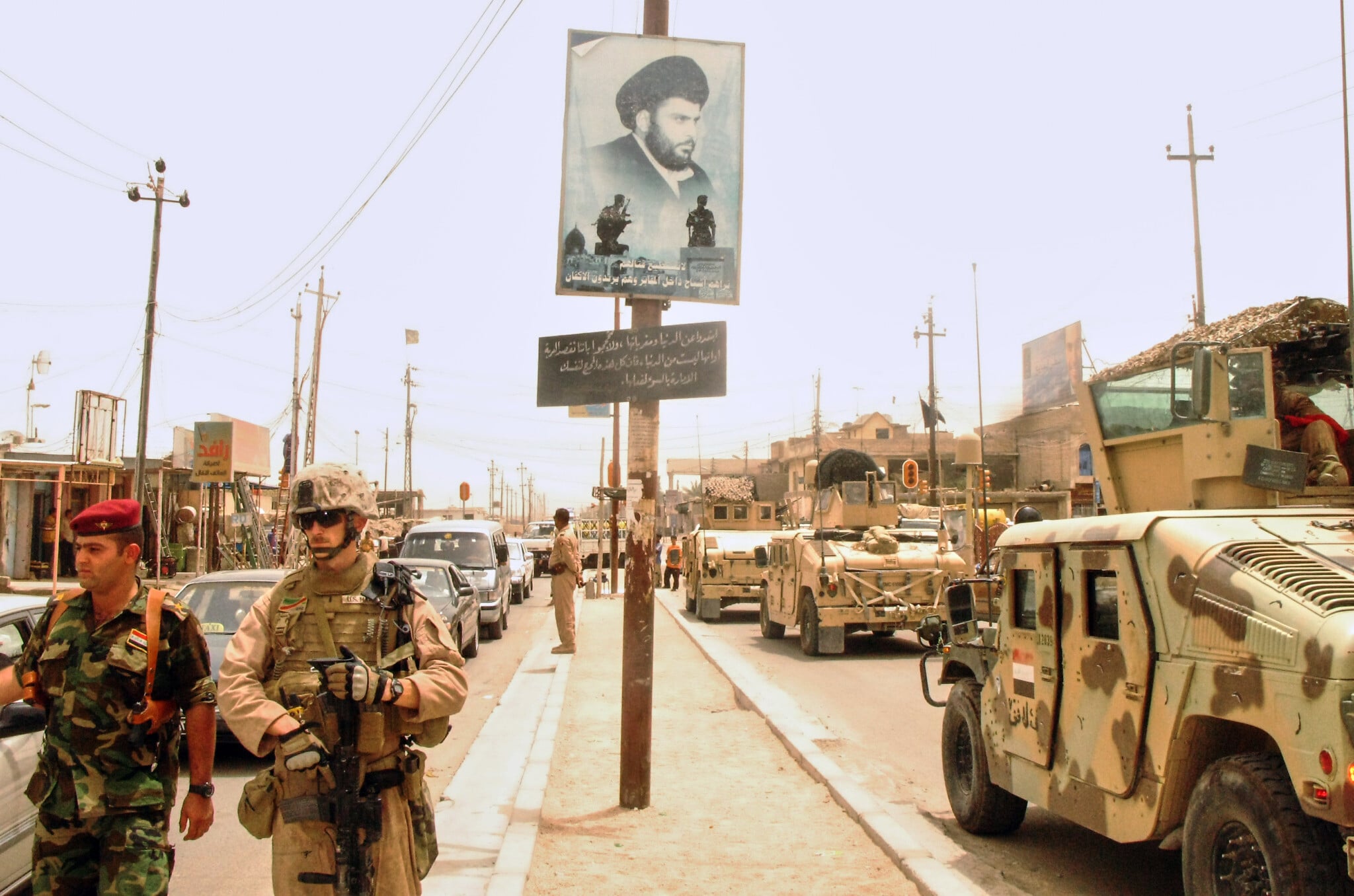
Iran, which says its ultimate aim is to force American forces to leave the entire Middle East, casts the US pullout from Iraq as a triumph for its “axis of resistance” of allied armed groups across the region.
“What is further concerning is not necessarily direct Iranian intervention, but the possibility that Iran’s proxies will feel increasingly empowered in the absence of a Western military presence. These groups may attempt to expand their role in shaping state policies and consolidating their presence within key institutions,” said Baghdad-based political analyst Ahmed Younis.
Some Iraqi security officials, both in the federal government and the semi-autonomous northern Kurdish region, say the US pullout also risks giving new life to Islamic State fighters, who, despite the defeat of their self-proclaimed caliphate nearly a decade ago, retain a sleeper cell network.
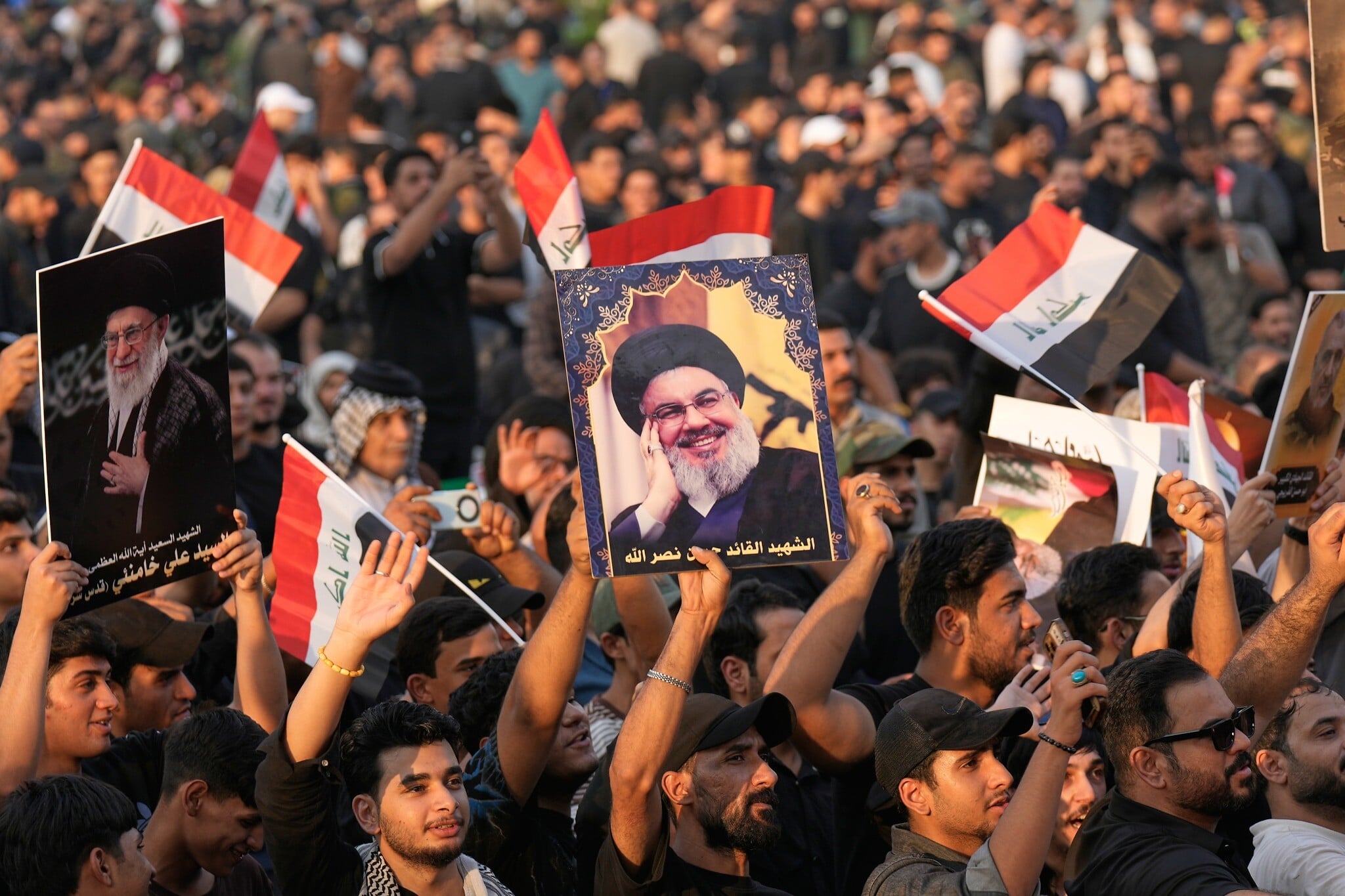
At their height, the militants occupied a third of Iraq and slaughtered thousands of people, including hundreds they videotaped themselves gunning down inside a former US military base.
US troops had been providing Iraqi security forces with critical intelligence on Islamic State movements, aerial surveillance and reconnaissance.
“The most important question now is whether Iraq’s security institutions have prepared a viable Plan B for the post-coalition phase,” said retired Iraqi Army General Mohammed al-Jubouri, who led a brigade in the war against Islamic State.
“One of the worst-case scenarios would be Islamic State obtaining armed drones or improvised explosive drones at a time when Iraq still lacks sufficient air defense capabilities to counter such threats effectively.”