US weighs up risks of Syria deal with Russians
Pentagon skeptical about military cooperation, worrying about responsibility if US-approved Russian airstrikes kill civilians
WASHINGTON (AP) — The deal crafted by the US and Russia to halt the Syrian civil war and focus efforts on rooting out extremists in the country is rife with legal and liability questions that are fueling Pentagon skepticism about military cooperation between the two powers, senior US officials said.
The first hurdle is that Congress has enacted a law prohibiting any military cooperation with Moscow in the wake of Russia’s annexation of the Crimea region of Ukraine. That means the deal that Secretary of State John Kerry and Russian Foreign Minister Sergey Lavrov agreed to last week in Geneva first needs a waiver from a skeptical Defense Secretary Ash Carter to be legal.
Another nagging question revolves around whether America could be held responsible if a Russian airstrike — approved by the US as part of the military cooperation that is at the heart of the deal — kills civilians. Military and defense leaders question whether Russia will be able to force the Syrian government to uphold the ceasefire. And they worry that Moscow’s lack of precision targeting could result in civilian casualties, even if Russia is attempting to strike Islamic State militants in Syria.
“We conduct military operations with our allies and partners, and Russia is neither,” said Evelyn Farkas, former US deputy assistant defense secretary who is now a senior fellow at the Atlantic Council in Washington. “So, it makes this very fraught with all kinds of risk for us — military and political.”
Neither US nor Russian officials have released the plan, so details are sketchy. But senior US officials said military and intelligence officials and other segments of the administration have serious doubts that Russia will be able to live up to its commitments in the deal, despite Moscow’s long-held desire for military cooperation with the US.
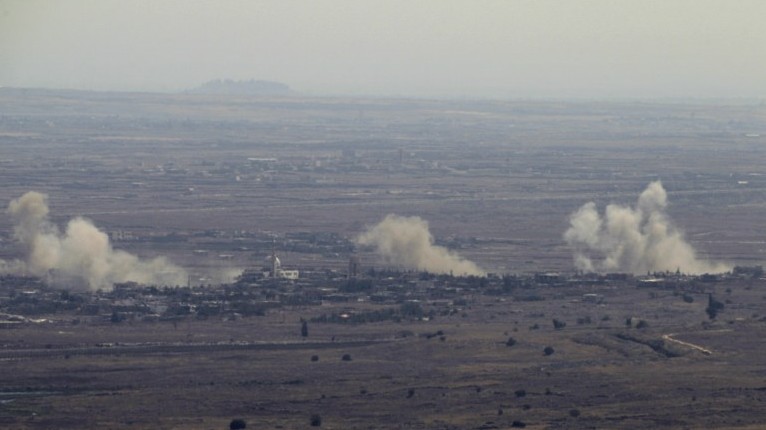
If it does happen, however, US officials said the cooperation would be a sharply limited and carefully controlled exchange of very basic targeting information that would protect US intelligence gathering and tactics, and involve detailed vetting to ensure that any proposed Russian strikes would hit Islamic State or al-Qaeda-linked combatants, not the rebels fighting Syrian President Bashar Assad.
Several US officials spoke about the deal on condition of anonymity because they were not authorized to publicly discuss it.
The cease-fire took effect at sunset on Monday, with sporadic small violations. It calls for a halt in hostilities between Assad’s government forces and rebel groups, and it paves the way for the delivery of humanitarian relief.
It allows Syrian government strikes against al-Qaeda-linked militants who fight alongside the rebels. And the US-led coalition can continue attacks on Islamic State militants. The Syrian army has said it would abide by the cease-fire, but will defend against any violations.
If the ceasefire holds for seven days and humanitarian deliveries continue, the US would begin discussions with Russia on the establishment of a joint implementation cell. If the cease-fire is violated, the seven-day time period resets, State Department spokesman Mark Toner said.
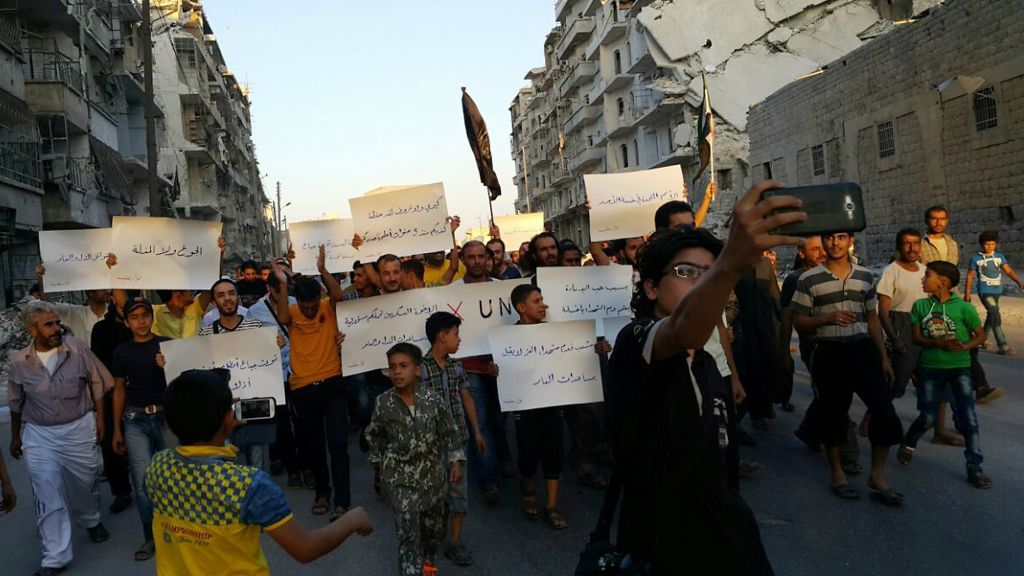
US officials said the cooperation won’t begin immediately after the seven days. And, they said it could be shut down quickly if humanitarian aid stops getting through or if the Syrian government violates the ceasefire.
It was the Pentagon’s top leaders that insisted on the seven-day waiting period that was made part of the agreement, largely due to the deep skepticism of Russia.
Toner said he had no estimate on how long it would take to set up the coordination center, but said discussions have been going on for several months, so he didn’t believe it would “be a matter of weeks.”
Officials declined to talk about where the center would be and how it would actually work. And many suggested it was too early to discuss the details of something that may never happen.
But a senior US official said that American intelligence officials have been studying the issue for some time to determine what information could be given to the Russians and how it could be done carefully.
Russia is not part of the US-led coalition targeting Islamic State militants in Iraq and Syria, and the US doesn’t have a history of sharing information with Moscow.
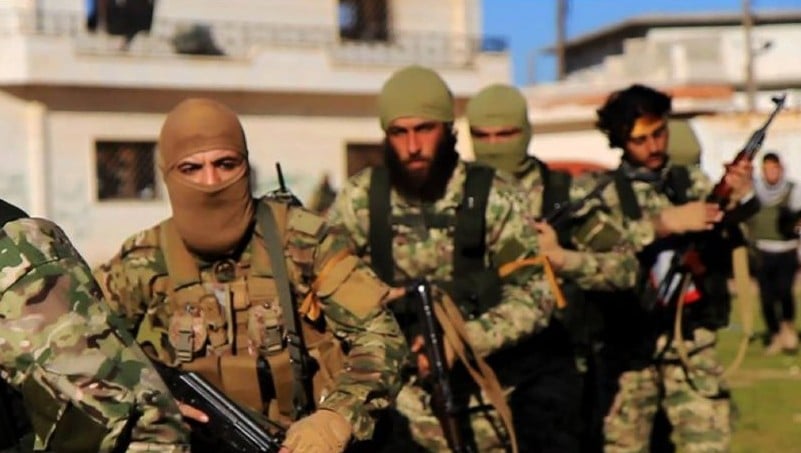
US officials expressed concerns that Moscow might continue to target US-allied opposition forces, claiming they are working with the al-Qaeda-linked group, Jabhat Fatah al-Sham, previously known as the Nusra Front. Rebel forces have intermingled with the Nusra militants, at times making targeting difficult.
They also worry that many of the Russian airstrikes do not involve precision-guided weapons. Moscow has predominantly used so-called dumb bombs in Syria, largely targeting opposition forces and backing Assad’s government forces.
Two senior administration officials, however, said the US will bear no responsibility for any strikes made by Russia or deaths that result. And neither country will be able to veto strikes the other wants to conduct. The process involves sharing information not airstrike approvals, they said.
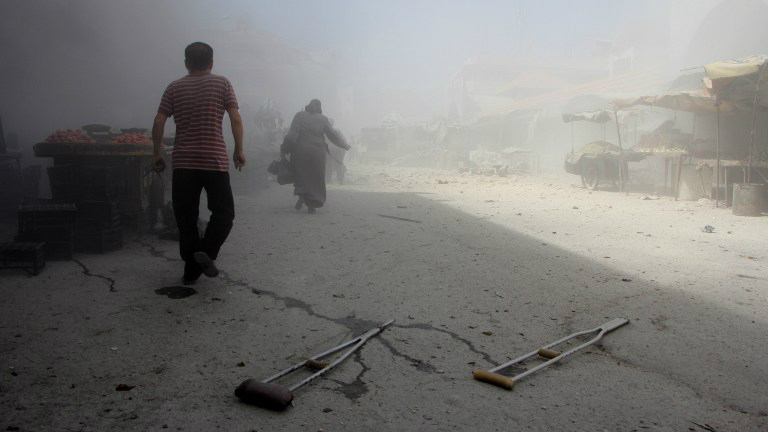
The strikes have triggered frequent complaints of mass civilian casualties. And the US faces the possibility of agreeing on a particular target through the planned coordination center, and then having the Russian strike miss and kill civilians
The US officer in charge of Air Force operations in the Middle East, Lt. Gen. Jeffrey Harrigian, told reporters Tuesday that the intent is to develop a plan that “executes the mission precisely, minimizing risk to the coalition team and civilians on the ground.” He added that it would be important to do it in a way that does not undermine “coalition cohesion” and momentum.
The US, he said, will not share any classified tactics with Russia.
“Clearly there will be some authorities and legalities that we’re going to need to work through to make sure everybody understands what the agreement is,” he said when asked whether the US could be considered a co-belligerent in the event that it provides targeting information for a Russian airstrike that results in civilian casualties.
“I’m not going to tell you I trust them,” said Harrigian. “We, from our side, have to do some planning and they need to do the right thing. We’ll see what happens from there.”