‘We are just getting started’: Midterm blowout normalizes anti-Zionism in Democratic politics
Incoming Congress members will keep up the pressure on Israel and its supporters and further anti-Israel politics, despite the party's moderate majority
The American far left made its political priorities clear on Tuesday as Democrats trounced Republicans in a historic blowout, winning control of the Senate and the House of Representatives.
The national Democratic Socialists of America (DSA), announcing its winners, repeatedly trumpeted its goal of a “Free Palestine.”
Incoming US Rep. Darializa Avila Chevalier demanded “the Palestinian right of return” in a statement and led supporters in Spanish chants of “Babies, not bombs,” her oft-used slogan, while wearing a keffiyeh.
Congresswoman-elect Melat Kiros of Colorado called for “more people standing up, calling out genocide” and holding “people in power” accountable for “complicity.”
“Palestinian kids should get to grow up in the land of their forefathers without being murdered by our tax dollars,” Michigan Senate winner Abdul El-Sayed said in his victory speech.
The Democrats’ overwhelming win on Tuesday will further hostility toward Israel in Congress and in local politics, keeping pressure on Israel and its supporters in the Jewish community.
And even if Prime Minister Benjamin Netanyahu leaves office, if the Middle East wars calm, if the US cuts aid to Israel, if the International Court of Justice does not rule Israel committed genocide, if Israel reins in extremist settlers — all uncertainties — anti-Israel policies and discourse will likely continue to roil US politics.
Anti-Zionism isn’t going anywhere.
Moving goalposts
US President Donald Trump said on Tuesday that the US would soon end military aid to Israel. The far left’s response was telling: Anti-Israel politicians did not stop to celebrate, but demanded an arms embargo. The goalposts had already moved downfield.
Chevalier, soon after casting her vote, said, “Ending military aid is not enough.”
“We need to end US taxpayer funding for Israel’s war crimes, a full arms embargo, and the Palestinian right of return,” she said in a statement.

The “right of return” is the call to open Israel to the millions of Palestinians claiming refugee status due to their ancestors’ displacement during Israel’s 1948 War of Independence. Allowing in those millions would end Israel’s existence as a Jewish-majority state.
US Rep. Ro Khanna of California said in a video statement, “We’re going to change the policy when we take back Congress. Zero aid to Israel and no more military sales.”
Kiros said in an interview, “The American people are demanding not just that we withdraw our aid, but that we end this genocide with whatever leverage we have.”
There were no indications that the far-left lawmakers were merely opposed to the hard-right Netanyahu government. The Democratic Party and its voters have grown increasingly hostile toward Israel, according to polls. Nearly half of Democrats in Congress voted to cut off aid to Israel in July.
The new crop of lawmakers differs from the party’s center, though, in that they are not just “critical of Israel” — anti-Israel activism is central to their politics.
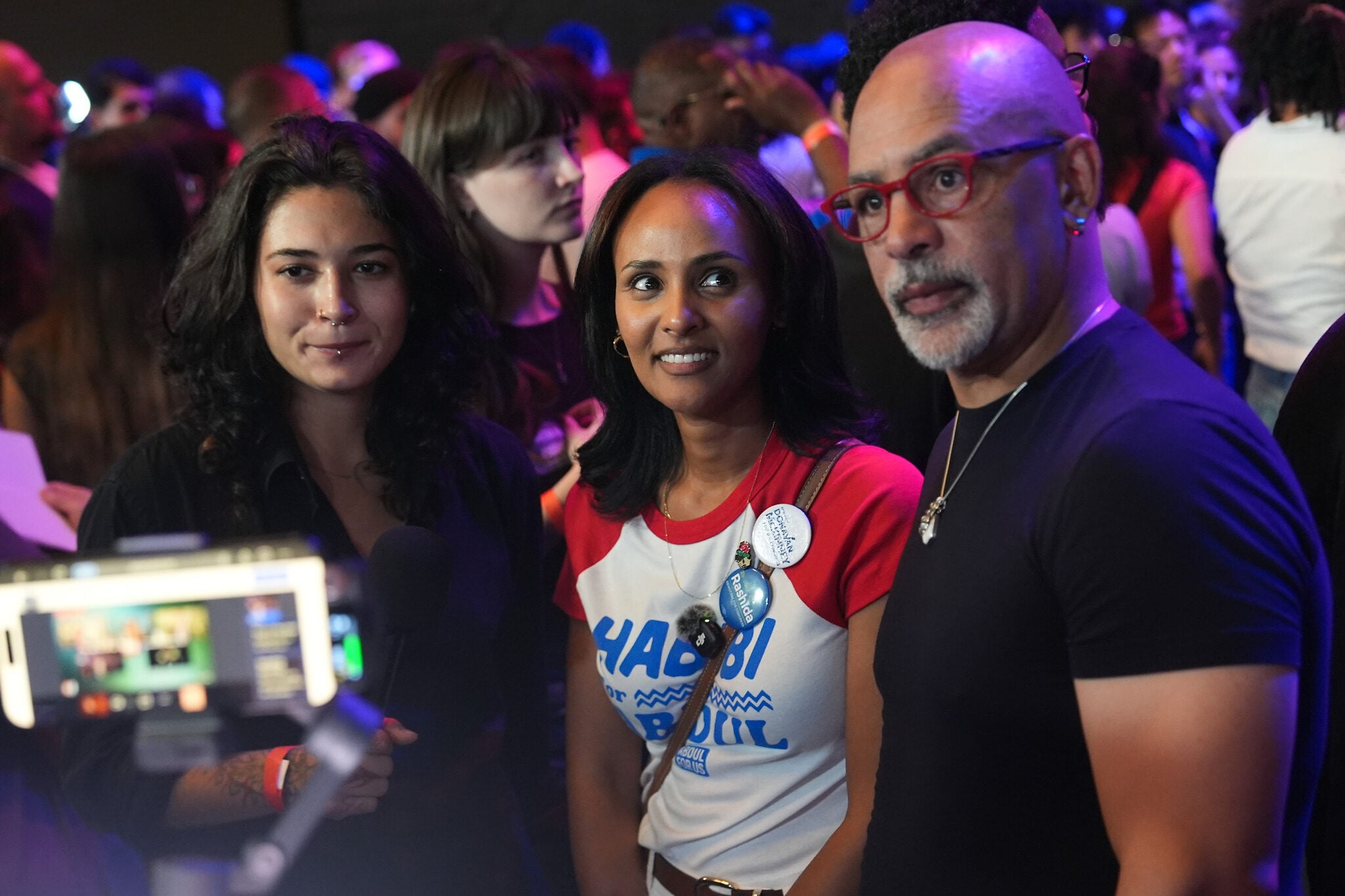
The incoming leftist House members will include Reps. Chevalier, Kiros, Claire Valdez from New York, New Jersey’s Adam Hamawy, Chris Rabb of Pennsylvania, and Donavan McKinney of Michigan, who will join incumbents like Rashida Tlaib and Ilhan Omar.
Anti-Zionist protests have calmed on US streets and campuses, but opposition to or ambivalence about Israel’s existence has become normalized. The DSA platform enshrines its commitment to the “right of return” and the Palestinian “right to resist.” The organization is explicitly anti-Zionist. Its call for a “Free Palestine” is not a demand for a two-state solution.
New York City Mayor Zohran Mamdani paved the way for other anti-Zionist candidates with his historic election win last year. Mamdani then ushered Chevalier, Valdez and Brad Lander, all harsh critics of Israel, into Congress by boosting their primary campaigns.
The far-left House candidates won their seats in deep blue districts. Michigan’s incoming senator, El-Sayed, though, won a statewide race with similar hardline positions, marking a more significant victory for the movement. El-Sayed showed that equivocation about anti-Jewish terrorism, espousing hardline anti-Zionism, and campaigning with surrogates accused of antisemitism were not deal breakers.
Moderates hold large majority
Moderate Democrats who are more supportive of Israel and centrist Jewish positions scored resounding wins too. In New York City, US Reps. Ritchie Torres, Grace Meng, Gregory Meeks, Micah Lasher and Hakeem Jeffries all cruised to victory. In the suburbs, US Reps. Tom Suozzi and George Latimer held onto their seats. The state governor, Kathy Hochul, a moderate on Israel, secured an easy win.
Elsewhere in the US, Jewish moderates breezed back into office, including Pennsylvania Governor Josh Shapiro and Georgia Senator Jon Ossoff.
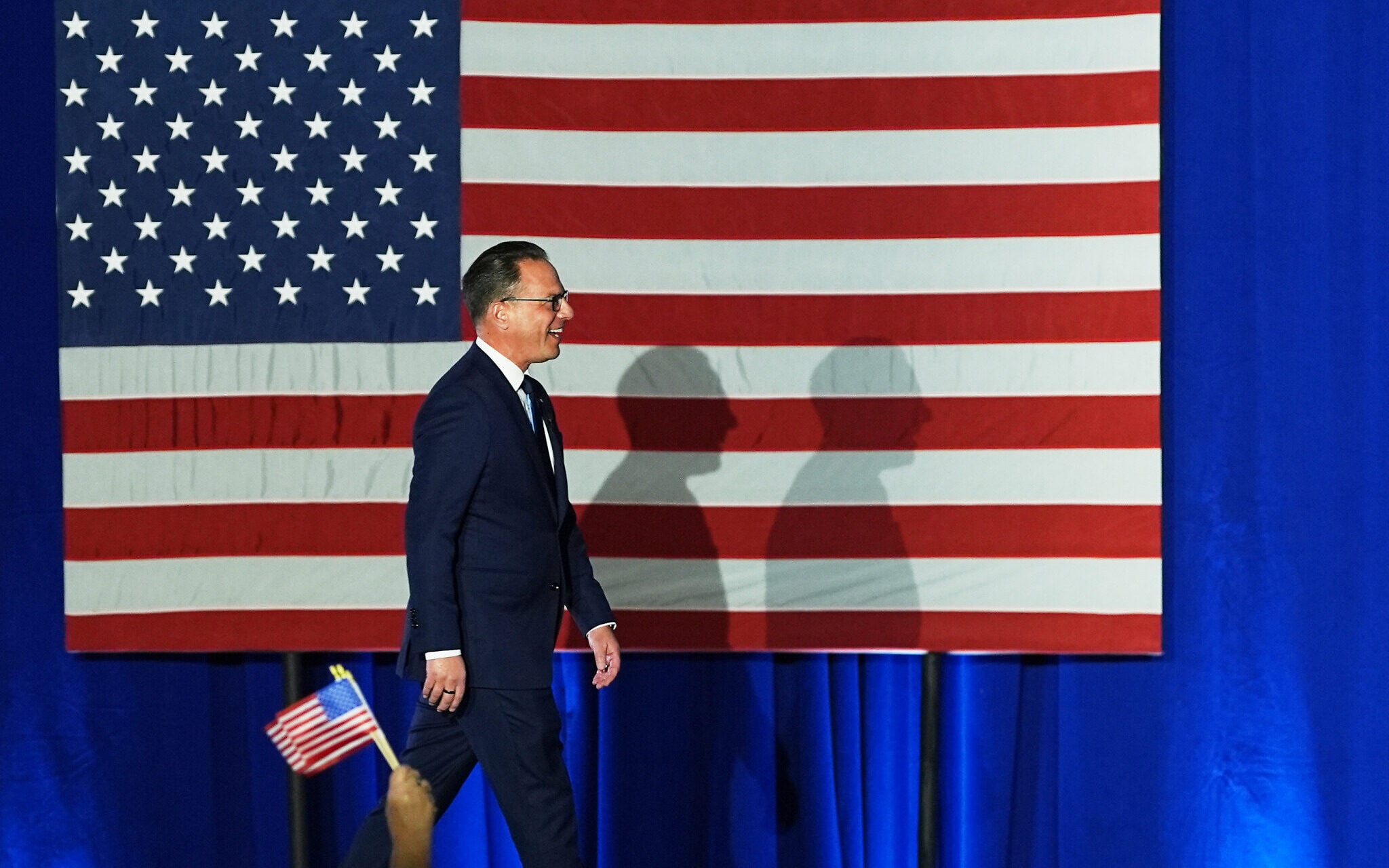
The moderates, led by House Democratic leader Jeffries and Senate Democratic leader Schumer, will far outnumber the hard left. Democrats’ comfortable majority in the House and Senate means that the moderate leaders have a cushion against dissenters, diluting the far left’s leverage.
The leftist candidates will likely drag the party toward anti-Israel positions, though, and set up a potential intra-party conflict involving Israel policies within the party.
It still isn’t clear that anti-Zionism is a winning campaign platform. Trump’s deep unpopularity drove the Democrats’ dominance, making it harder to parse out specific policies that motivated voters. Polls show that Americans do not prioritize Israel or foreign policy at the ballot box.
The leftists took their wins as a mandate, though, and the incoming lawmakers have an energetic base and a large platform. Although the DSA is a small faction in Congress, it seems clear the movement has momentum.
The DSA’s national co-chair, Megan Romer, said on Tuesday, “Abolish ICE and Free Palestine and Medicare for All are majority positions (or will be very soon),” adding, “We are just getting started.”
Romer claimed that DSA-backed candidates secured more than 40 million votes on Tuesday.
“The American people are not going to accept this genocide continuing with our tax dollars, with our complicity, any longer,” Kiros told Democracy Now!
Until now, the DSA had only two members in Congress — Tlaib and New York Rep. Alexandria Ocasio-Cortez — but Tuesday’s vote secured seats for at least five more. The faction also won two mayoral races, in Washington, DC, and Providence, Rhode Island, and local elections around the country.
The Jewish dilemma
The dilemma for Jews is that most American Jews are Democrats, and most are also attached to Israel and support its continued existence, according to polls. Backing Israel has become a partisan issue, with Republicans far more likely to campaign on Israel support than Democrats.
Many or most American Jews are likely relieved by Tuesday’s repudiation of Trump. Polls have shown that US Jews are opposed to both Trump and Netanyahu. That doesn’t mean they are completely at home among Democrats.
Michigan’s Jewish attorney general, Dana Nessel, exemplified the dilemma in August during El-Sayed’s campaign when she urged Jews to “place the needs of the world above even our own self-interest and, yes, even our own survival.”

Even if anti-Israel legislation is introduced in Congress with little chance of passing, the efforts can pressure pro-Israel Jewish groups and keep Israel on the political agenda.
In New York State in 2023, for example, leftists introduced legislation that aimed to strip nonprofit status from organizations with any links to Israeli settlements. Jewish community leaders feared the legislation would effectively demonize Jewish charities, some of which support social welfare programs, such as ambulances, that operate over the Green Line, without boosting settlement expansion.
The legislation did not have a chance of passing, but Jewish groups were compelled to expend political capital and resources opposing the bill anyway.
One of the bill’s cosponsors was Mamdani, a little-known state assembly member at the time.
As mayor, Mamdani’s pledge to arrest Netanyahu caused major turmoil, despite his inability to follow through.
Anti-Israel policies are already playing out on the local level. A series of municipalities in New England have advanced anti-Israel measures in recent months.
The Anti-Defamation League on Tuesday night already fired broadsides against incoming DSA representatives, citing “serious concerns about DSA rhetoric and positions that normalize antisemitism, deny Jewish peoplehood or condition Jewish participation in public life.”
It remains to be seen how Trump will react to Tuesday’s results, or how the blowout will affect both parties’ presidential nominees for 2028. But the election results could dampen Republican backing for Israel and its supporters.
Republican Congress members played a leading role in holding testimony about antisemitism on campuses and investigating prominent organizations like the American Psychological Association.
The crackdown alarmed some American Jews, and critics said Republicans were using antisemitism as a pretext for pursuing their progressive foes. The pressure campaign had an effect, though, sparking conversations about leftist institutions and shifting campus politics.
Republicans may now deduce that their efforts to combat antisemitism and support for Israel do not bring in Jewish voters, and that their pro-Israel positions are unpopular with the general public.
US Vice President JD Vance on Wednesday linked the Republican blowout to the war in Iran. Among the suggestions Vance cited for a recovery: “Change our relationship to Israel.”