What are the election fraud allegations roiling Israel? Could they change the results?
Election panel head Noam Sohlberg has told the Shin Bet to probe allegations of foreign influence, reported to involve Qatari funding for an Arab get-out-the-vote effort. Why is that illegal, and what could its fallout be?
Deputy Supreme Court Justice Noam Sohlberg, the head of the Central Elections Committee, on Thursday instructed Shin Bet chief David Zini to investigate suspicions that Tuesday’s Knesset election may have been swayed by “funds from foreign entities acting against the Israeli interest.”
Sohlberg did not identify the suspected foreign entities or specify what they are thought to have funded.
But he did quote from a 1984 Supreme Court ruling in the case of former MK Shmuel Flatto-Sharon, who ran for the Knesset in 1977 to avoid extradition to France for embezzlement, and was later convicted of bribing people to vote for him.
And reports in Hebrew media have said the suspicions involve Qatari funds allegedly used to encourage Arab voters to go to the polls. Qatar denies interfering in Israel’s election and has called the allegations “ridiculous and dangerous.”
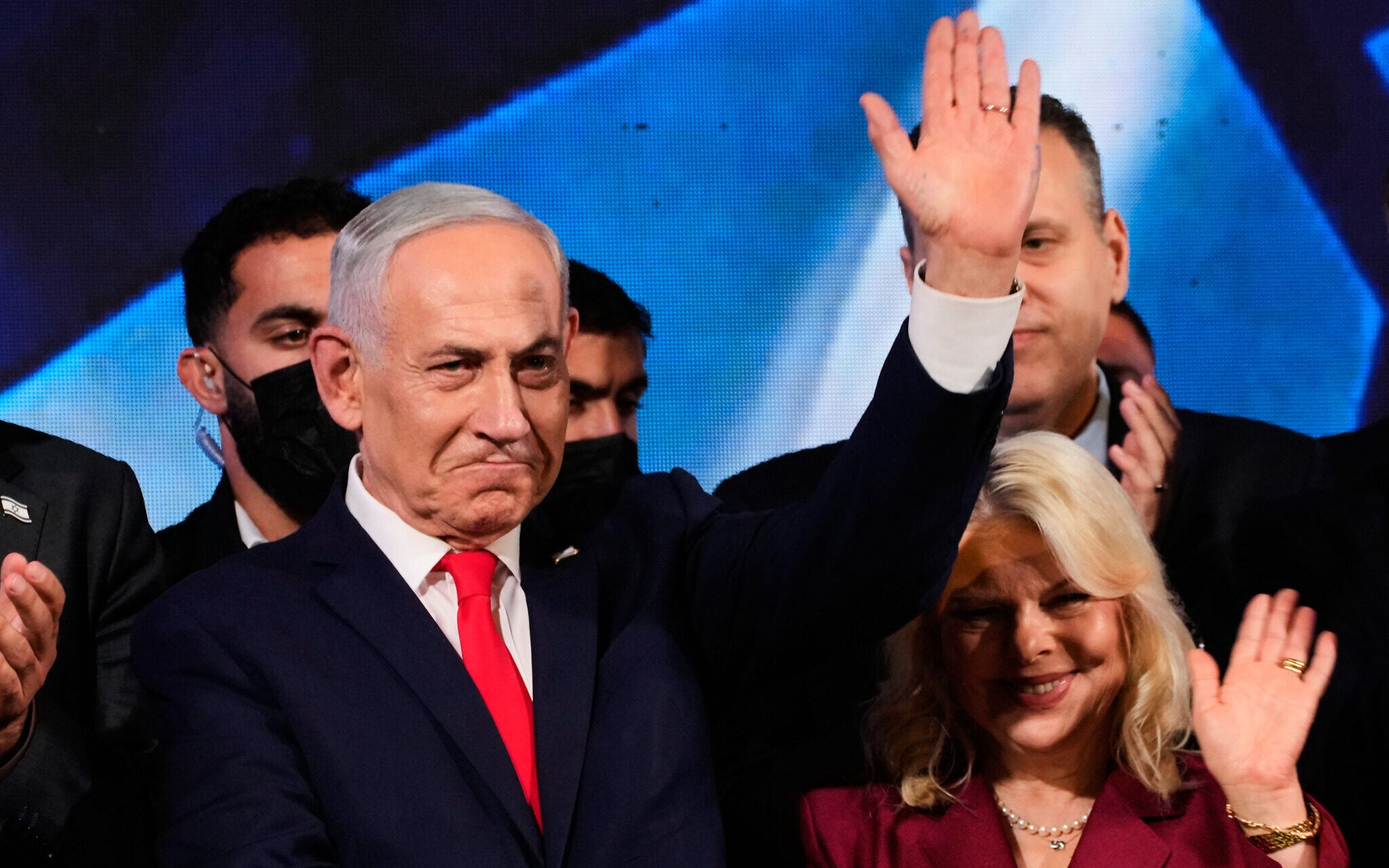
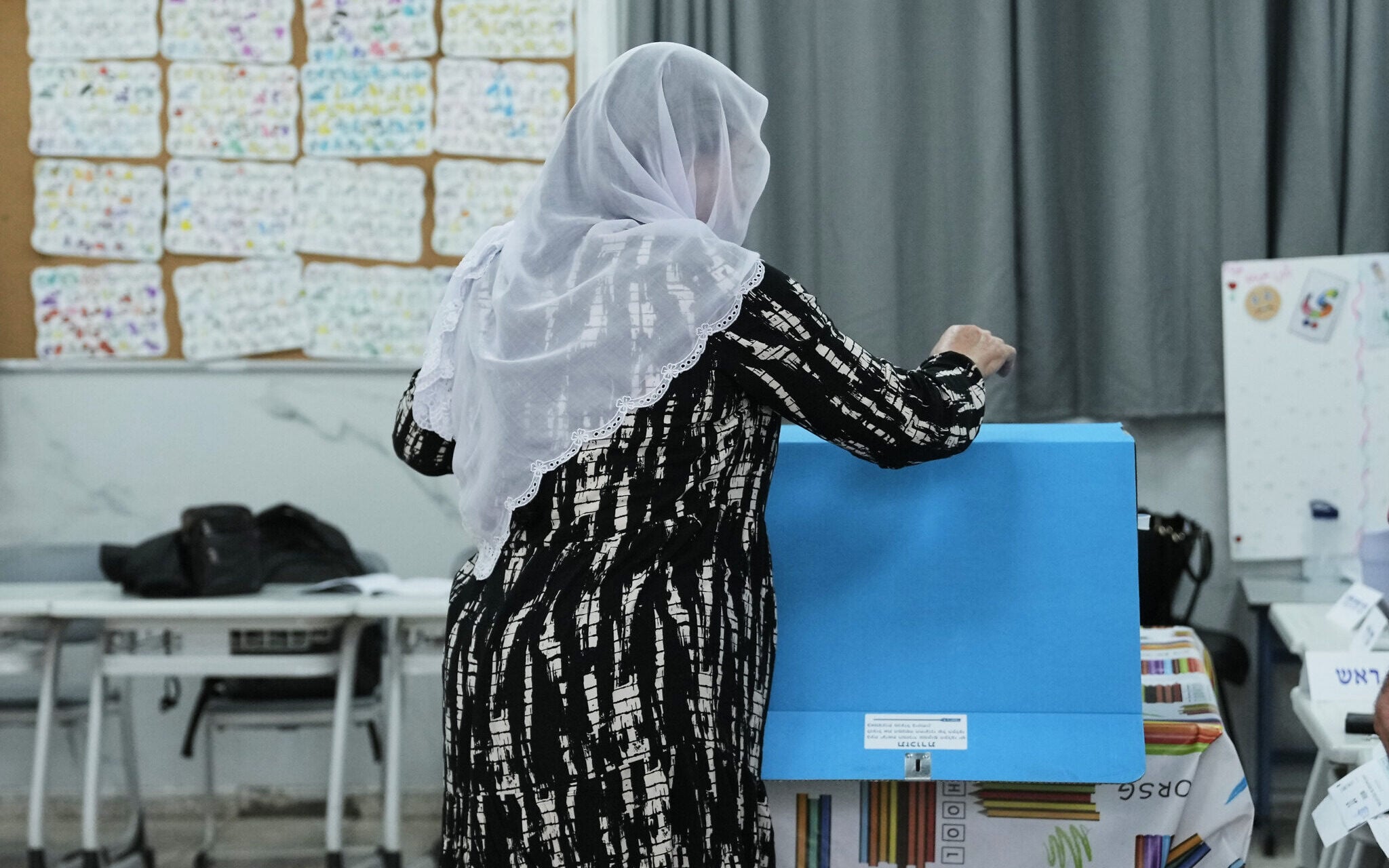
The allegations have been widely trumpeted by Prime Minister Benjamin Netanyahu and members of his coalition, which is set to lose its Knesset majority after an unprecedented Arab turnout in Tuesday’s election gave Arab-led parties a predicted record high of 19 seats. Netanyahu’s Likud party charged that the election had been “stolen.”
Acting Central Elections Committee director general Dean Livne said there was no basis for allegations of widespread fraud in the election. The Arab parties have decried Likud’s statement as “racist,” while leading opposition candidate Gadi Eisenkot accused Netanyahu of spearheading an “illegitimate influence operation” to undermine the election’s results.
But election results have never been overturned in Israel, and if these allegations go to court, it would not delay the swearing-in of the new Knesset, though it could complicate coalition talks.
Here’s what you need to know about the allegations and how they could affect the vote.
Are political contributions from abroad illegal?
Israeli political parties are strictly prohibited from receiving donations from noncitizens, whether or not they hail from nations that are hostile to Israel. Violations are punishable by fines and, in cases of additional offenses like money laundering, criminal prosecution.
Nonprofits are permitted to receive funds from foreign countries, but must fully disclose the contributions if those funds constitute over half the organization’s revenue.
Offering people cash or favors to vote or refrain from voting is illegal, though the law includes a carve-out for driving people to the polls. The prohibition on paying people to vote applies whether or not the voter is bribed to vote for a specific party.
How are election results appealed?
Israel’s 1969 Knesset Elections Law gives petitioners 14 days from the moment the final results are published to appeal the results to the Jerusalem District Court, in its capacity as the Court of Administrative Affairs.
The court can extend the deadline “under special circumstances and for reasons that will be recorded,” the law says.
Petitions against the overall result, or the result in a specific polling station, can be filed by any party that ran in the election, any lawmaker in the outgoing Knesset, or any member of either the Central Elections Committee or of a regional election committee.
Petitioners can claim that the elections as a whole or in a specific polling station were conducted illegally; that the vote count or division of the Knesset seats is wrong; or that “votes for a specific candidate list were obtained illegally.”
The petitions are heard only if they involve allegations that can materially change the result of the election.
Can the court overturn the result of the election?
If it finds in favor of a petition, the Court of Administrative Affairs can annul the vote and call new elections in either a specific polling station or in the country as a whole.
But the court has never annulled an entire election, and such a scenario is seen as extremely unlikely.
According to figures from the Knesset, the court has ordered a new vote at polling stations in only one election, in 1988, when a potential reallocation of Knesset seats hinged on fewer than three dozen votes. A new vote was held at three polling stations, and the result remained unchanged, the Knesset information center said.
On other occasions, the court disqualified votes in polling stations where, for example, the number of ballots was higher than the number of registered voters, but did not order a redo because a new vote would not change the result of the entire election.
The court can also revise the various parties’ vote tallies and declare that a certain candidate did not make it into the Knesset.
Any of the people empowered to appeal to the Court of Administrative Affairs about the election result can also appeal the ruling to the High Court within 30 days.
The High Court petitions are heard subject to the approval of the court’s president, but the court is required to hear petitions against an annulment of the entire election.
How would an appeal affect the new Knesset?
Even if the allegations go to court, the won’t delay the swearing-in of the new Knesset — or Netanyahu losing his majority.
According to the Election Law, petitions against the result of the election “shall not delay Knesset work” or “diminish the legality of decisions” by the parliament.
But while the new Knesset will take office, the scandal could have a large impact on its operations, or on coalition negotiations. Netanyahu, who has demonized Arab-Jewish partnership throughout the campaign, said on Thursday that the allegations should rule out any coalition or legislative cooperation between the Jewish and Arab parties opposing him.
If those parties were to form a coalition, he would be unseated. But that scenario is seen as very unlikely because some opposition parties oppose it.