
|
|
Dear ToI Community members and Daily Edition readers, (We’re sending this week’s ToI Community Update to all Daily Edition readers as well. If you’re not yet a Community member, join up here and you’ll receive this personal update every week.) As his son revealed at an extraordinarily moving ceremony in Jerusalem on Monday, Chiune Sugihara may only have realized toward the very end of his blessed life quite how many people, how many worlds, he had saved. 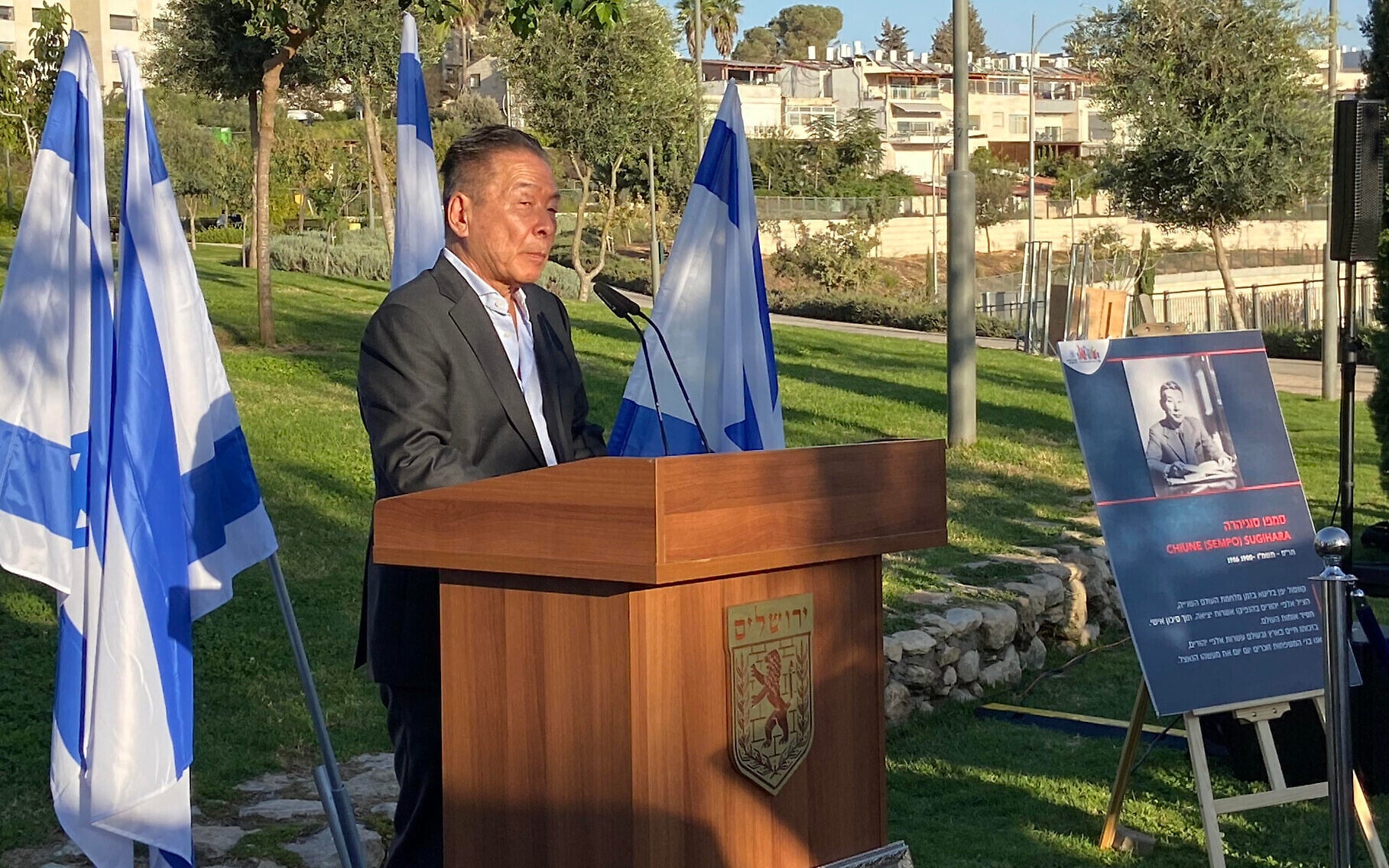 For a few frenetic weeks in 1940 before he was required to close down the Japanese consulate in Kovno (Kaunas), Lithuania, as the Soviets moved in, Sugihara churned out transit visas for local Jews and, mainly, for Polish Jews fleeing the Nazis, who began to gather in crowds outside the consulate as word of his humanity spread. In all, his son Nobuki estimated in a brief conversation with me, his father issued 2,340 visas — for individuals and families — giving them the right to travel through the Soviet Union to Japan and safety. Sugihara did so often in defiance of Tokyo’s policy, which required that such papers only be given to applicants who already had visas guaranteeing them entry to a destination beyond Japan. 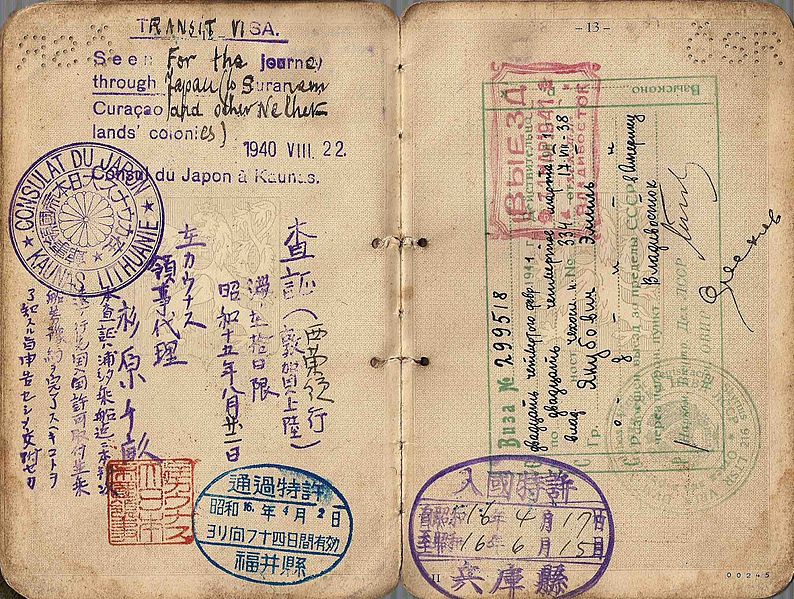 Monday’s ceremony inaugurated a square in Chiune Sugihara’s memory in the Kiryat HaYovel neighborhood, and was attended by over 100 people, many of them descendants of those who had the immense fortune, 81 years ago, to find their desperate way to this noble diplomat. 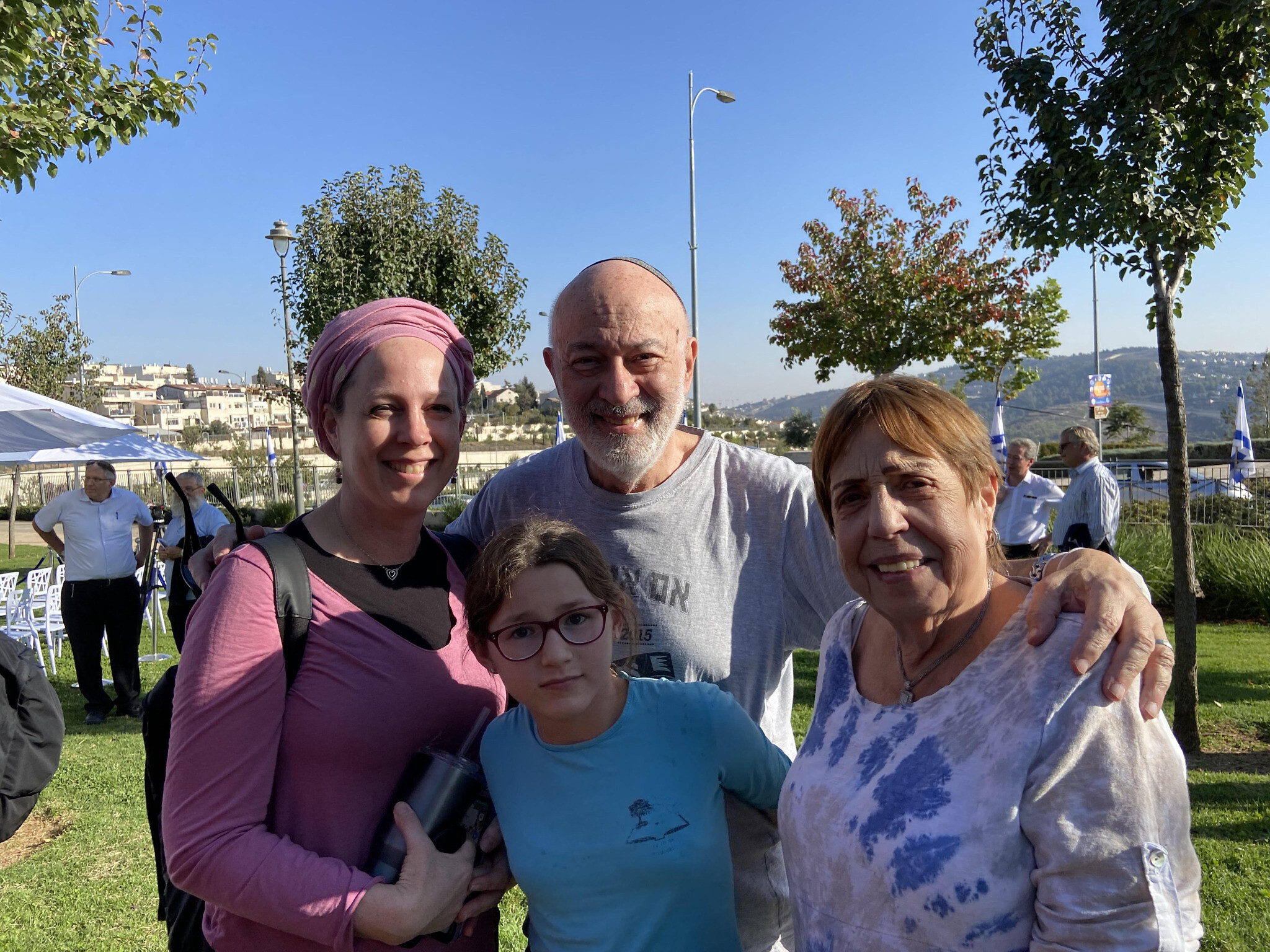 Members of the Faigenblum family, alive thanks to Sugihara, brought a much-photocopied typewritten “Sugihara’s List,” with the names of the beneficiaries of his visas. Saving Cyrla (Celia) Fajgenblum, they calculated, Sugihara made possible 33 great-grandchildren, two great-great-grandchildren, and counting. The Rothner-Slonim-Pomerantz family held up the framed life-saving documentation itself. Also present was US diplomat Jonathan Shrier, deputy chief of the US mission here, whose father was included in a visa Sugihara issued to his grandparents and family. In the first decades after the war, Nobuki said, his father never really talked about what he had done — disobeying policy, saving lives. The story only began to emerge in the late 1960s, when he was contacted by Yehoshua Nishri, a Polish-born Israeli diplomat stationed in Tokyo, who tracked down the man who had helped him flee. Sugihara came to Israel the following year, and was ultimately recognized as a Righteous Among the Nations by Yad Vashem in 1984 — still the only Japanese national ever to be so honored. By then, though, he was too infirm to travel, and the honor was accepted by his late wife and by Nobuki. And even then, the true impact of what he had done eluded him. Nobuki, 72, his father’s last living son, told the audience on Monday that Chiune felt that if “even two or three people” would find their way to safety — from Lithuania, through the Soviet Union via the Trans-Siberia Railway, across to Japan, and on to other destinations, requiring a great deal of further assistance and good fortune — that would be “a miracle. But the real miracle, he didn’t know.” 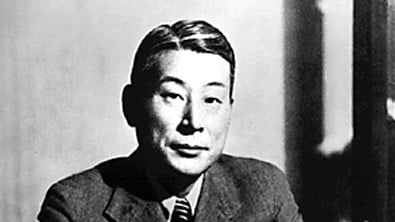 It was only in 1985, Nobuki continued, when “there was a ceremony to plant trees [in Sugihara’s honor] in Beit Shemesh, and “maybe 15 survivors came… and told the story of their transit, traveling to Japan, how they had a good life in Kobe, and the Japanese people were kind… [that was] the first time I heard about these stories. My father didn’t know.” Sugihara paid quite a price for his actions. When he finally made it back to Japan in 1947 — having served in Konigsberg, Prague and Bucharest, and been captured by the Soviets in the last of those locations and held in a POW camp for 18 months — he was summoned to the Foreign Ministry. “We have no place for you with us,” his boss told him, according to Nobuki. “You know why.” In the following years, he worked a series of menial jobs, including in a port, and spent many years living in the Soviet Union, separated from his family. 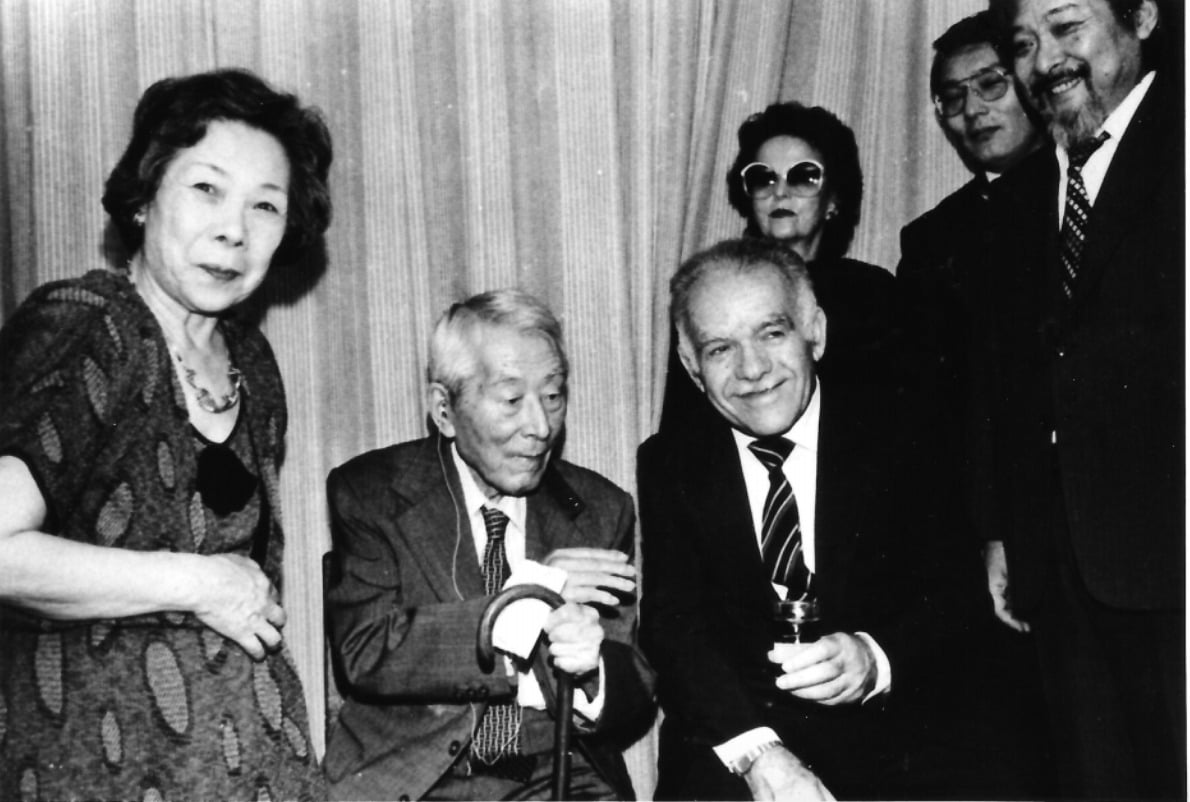 Monday’s ceremony marked one more in a series of well-intentioned, though not-unblemished, Israeli gestures and efforts to show appreciation. Among the positives, Nobuki was invited to study at the Hebrew University in the late 1960s, and lived not far from the square he inaugurated on Monday. “The view is different, the trees are bigger, people grew, survivors made children and grandchildren,” he said in his brief and beautiful speech. But that Beit Shemesh forest whose inauguration he attended in 1985 was secretively uprooted — a real-life horror story that outdoes even the comedic cynicism of the classic 1964 Israeli movie “Sallah Shabati,” in which plaques are rotated to honor each naive visiting benefactor. Sugihara’s plaque — “In appreciation of the humane and courageous actions that saved 5,000 Jews from World War II” — was tossed aside, and the area redeveloped as a residential neighborhood. The story only came out when Nobuki went looking for the forest, in vain, after hearing from Japanese tourists who couldn’t find it. 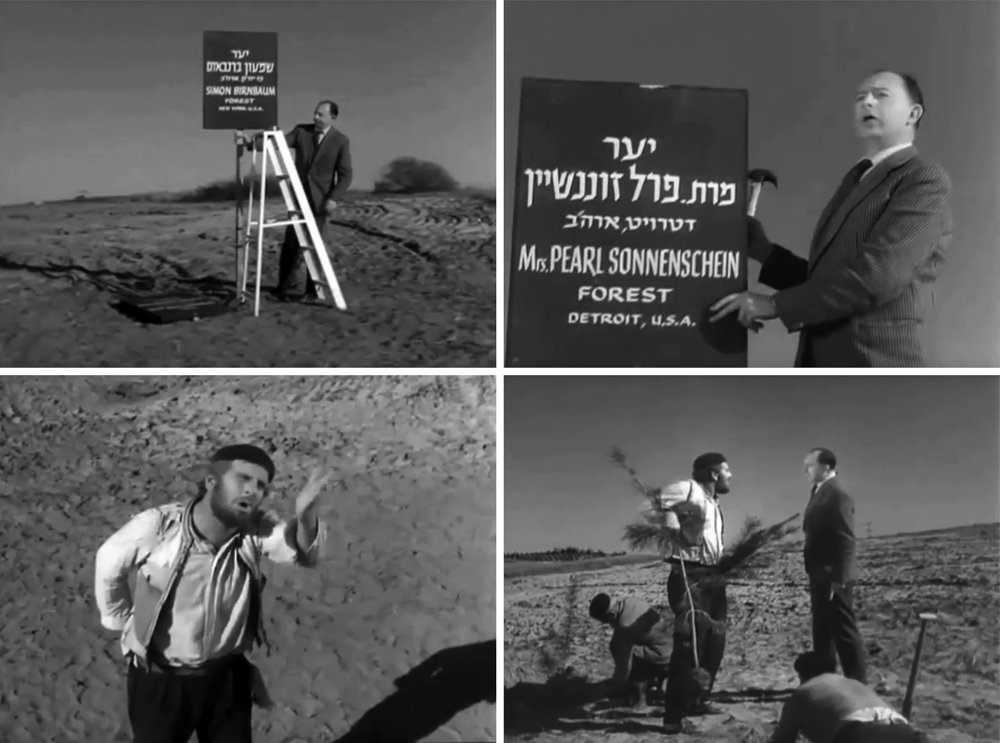 Even Monday’s ceremony, or rather Nobuki’s arrival as guest of honor, was curiously complex. He was denied an entry visa by Israel’s bureaucrats, because he had not completed all the COVID-related paperwork, including a clause that required him to specify where he would quarantine if he tested positive while in Israel — a detail he not unreasonably explained would need to be provided by his hosts. You would have thought the sheer irony of the situation would have been sufficient to prompt a very rapid rethink: The Jewish state was refusing to issue a travel visa to Nobuki Sugihara, to attend an event to honor his father, a diplomat who bent and disobeyed his country’s supremely authoritarian bureaucracy to issue thousands of travel visas, saving thousands of lives and enabling life for hundreds of thousands of descendants. But it was only when The Times of Israel reported on the impasse, four days before the event, that officials, prompted by an outcry that reached ministerial levels, cut through the red tape and provided Nobuki with his documentation. I’m glad ToI was able to play a role in resolving the deadlock, and sorry that we had to. 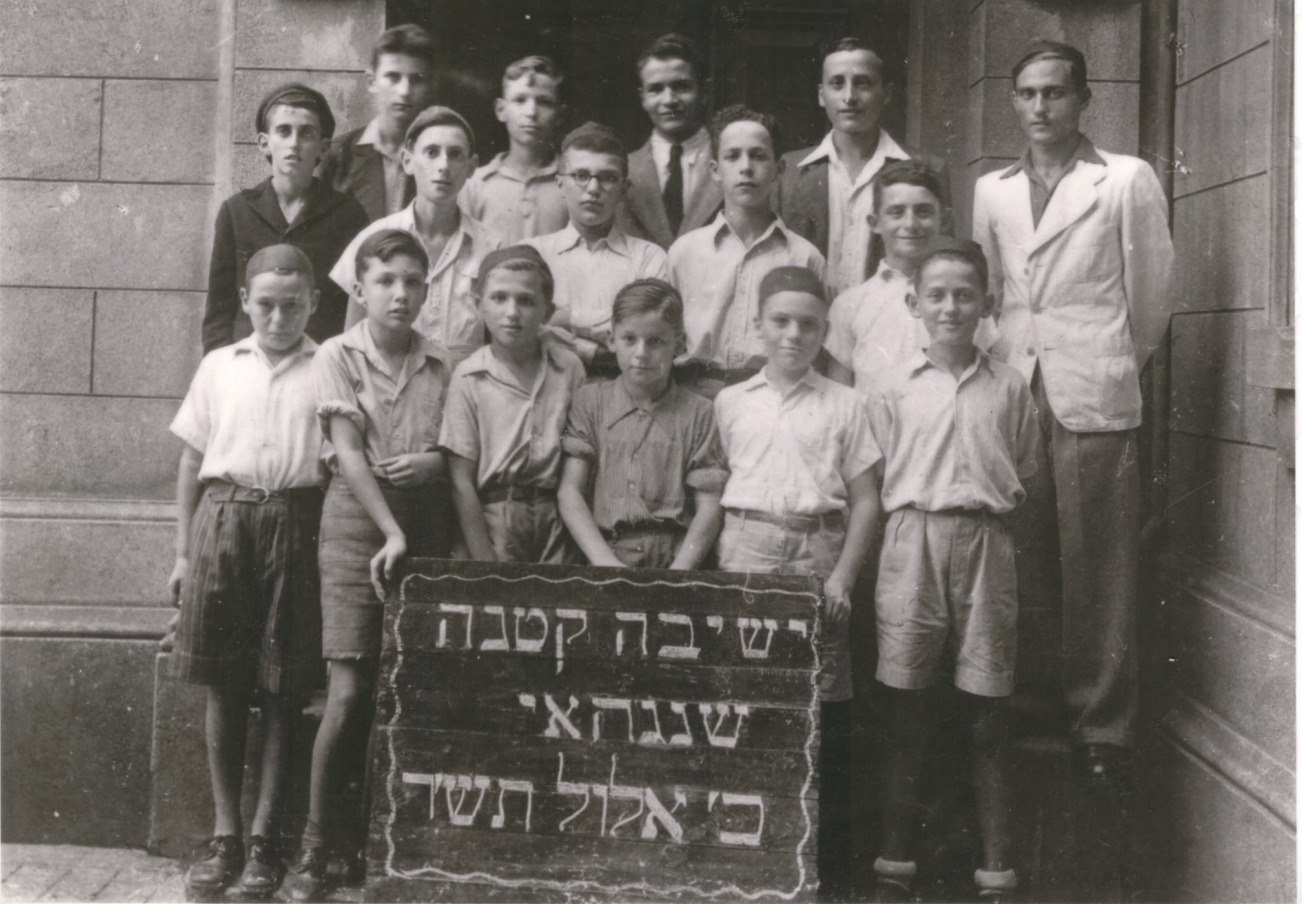 It was only after Sugihara died, in 1986 at age 86, and a large group of Jewish mourners, including Israel’s ambassador, attended his funeral, that official Japan began to rehabilitate, honor, and exemplify him. (My colleague Amanda Borschel-Dan, who visited Sugihara’s ostensible birthplace in Yaotsu in 2018, has written at length about the varying Sugihara historical narratives, some of them punctured by Nobuki, and the more recent Japanese mythologizing and commercializing of his life and deeds.) When I asked US envoy Shrier if there are any lessons he has taken from Sugihara’s actions, which so directly affected him, Shrier answered that he tells his family at the Passover seder, a commemoration of miraculous liberation from hardship, that “miracles happen because of people.” Sugihara’s young sons, Shrier went on, “saw the crowds of Jews outside the consulate, and one of the sons said to him, ‘Father, we must help them.’ As his wife later wrote, she could see at that moment that Chiune had decided to help. To me, that’s a miracle, mediated by the action of children.” 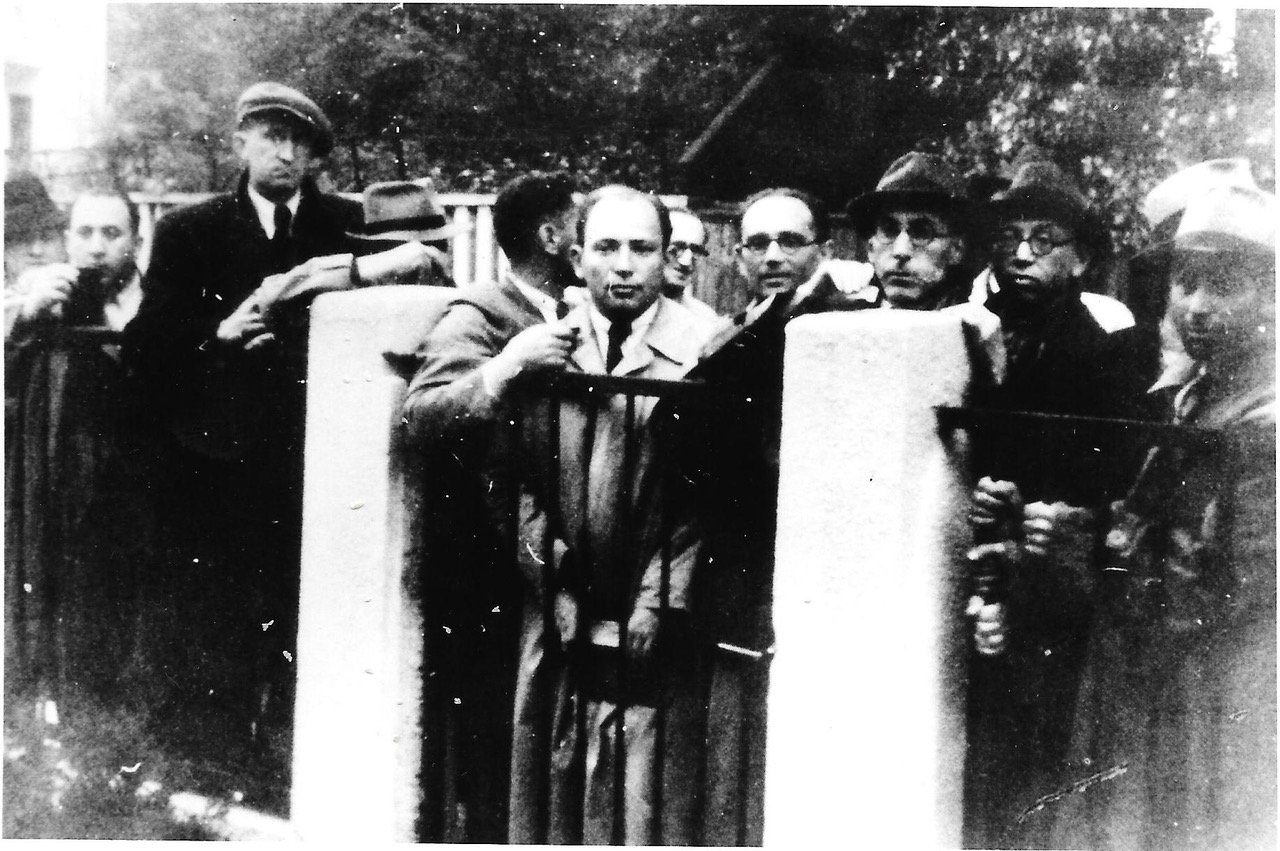 Nobuki followed a similar theme in his elegant address, which I’ll quote more fully: “My father came to visit me in Jerusalem in 1969,” he recalled. “I asked him: How many do you think you saved? He didn’t like to hear ‘saved.’ He just did what he could do. He thought if two or three people could survive then it’s a miracle. But the real miracle he didn’t know: a few hundred thousand survivors’ descendants are all over the world, many in Israel. “Today,” he concluded, “I met many survivors’ descendants — they have memories from their father, grandfather, grandmother; they are telling to their children. This is the most important thing: We learn and we teach.” *** We are hugely appreciative that so many of you have been joining the ToI Community, and thus helping finance the work of our reporters and editors. If you haven’t yet joined, please do, for as little as $6 a month! In addition to supporting our work financially, that will remove ads, and you’ll gain access to Community-only content.
Join Streetwise Hebrew for the ToI Community
Have you already joined our new Streetwise Hebrew course, exclusive to the ToI Community? If you’ve already started, kol hakavod! If you haven’t had a chance yet, you can jump in now. Streetwise Hebrew is an opportunity to understand not only the big picture that we cover on The Times of Israel, but also the small, critical, juicy details of life in Israel. Here’s how it works: Each month we’ll learn several colloquial Hebrew phrases around a common theme. These are bite-size audio Hebrew classes, free for ToI Community members. At the end of each month, we’ll have a private session with Guy Sharett, host of Streetwise Hebrew. This is not your traditional Hebrew course or Ulpan — it’s a fun, unique way to better understand the Israeli psyche, society and culture, by learning the language, the context and the cultural significance of modern Hebrew phrases. All classes are available on-demand, so you can go through them whenever is convenient for you. Ready to get started? Just click here for the first classes, a bio of our host, and an FAQ on the course (requires sign in to your ToI Community account — or joining the Community if you haven’t yet):
Not a ToI Community member yet? Learn more about Streetwise Hebrew here. 🎧 Times Will Tell podcast preview: Solomonic battle for sole cable car crash survivor, 6yo Eitan Biran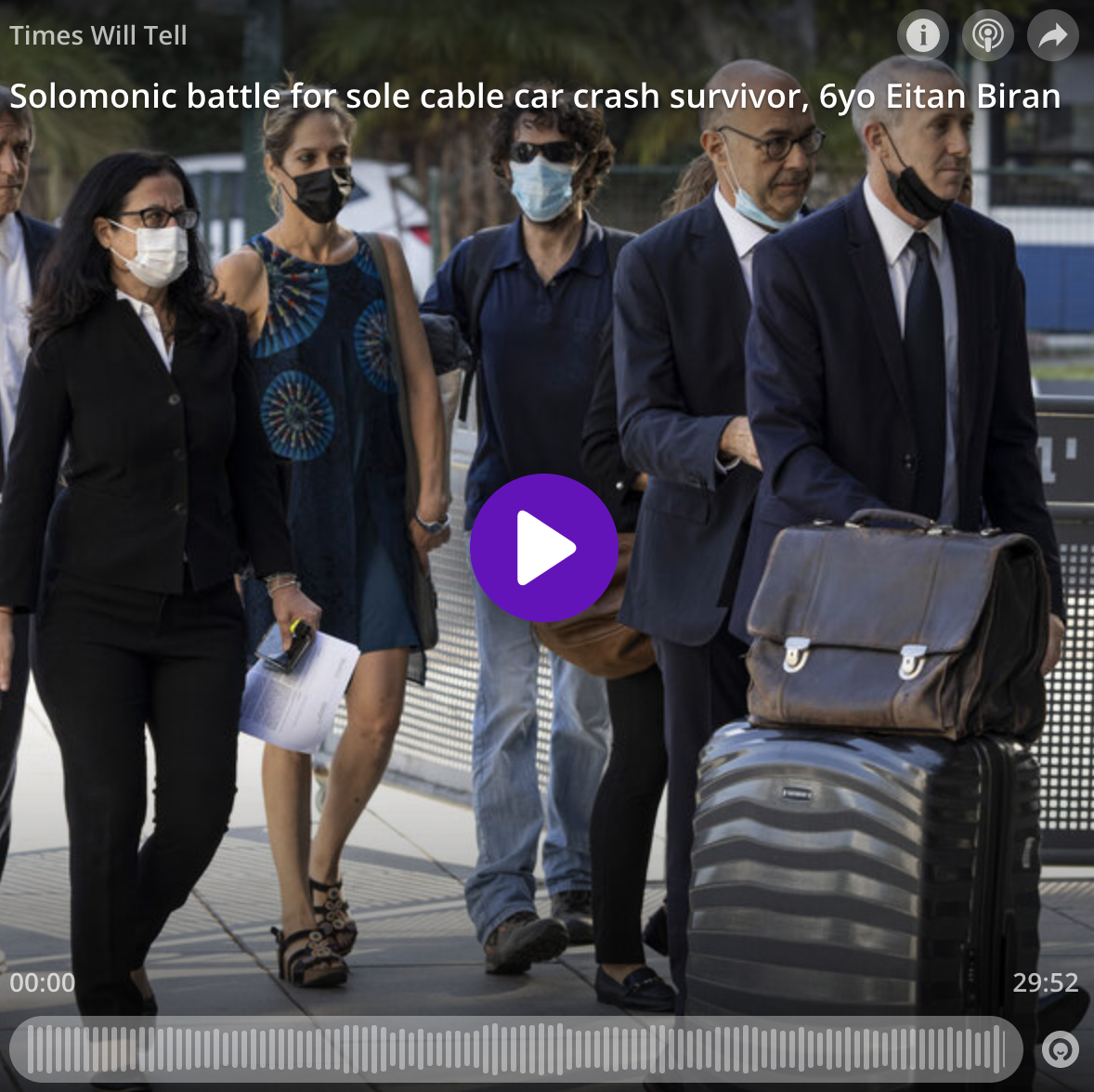 This week on Times Will Tell we speak with Federica Sasso, a freelance writer for The Times of Israel, who is covering the story of Israeli-born Eitan Biran, the six-year-old sole survivor of the May cable car crash in northern Italy. Biran is the subject of a fierce custody battle between his maternal and paternal sides of the family. His parents, baby brother and maternal great-grandparents were all killed in the accident. Eitan has been raised in Italy since he was a baby, where his Israeli-born parents were living while his father studied medicine near Milan. His paternal aunt, also a doctor, lives in the same town where Eitan and his family lived. Eitan’s maternal grandfather whisked him back to Israel in September, and a court case is now unfolding in Israel to determine whether the grandfather violated the Hague Convention and is guilty of abduction. Sasso, an Italian living in Israel, unfolds the story, the ongoing court cases and the two cultures at battle in this tragic tale. As always, your ToI Community membership gives you early access to Times Will Tell:
And be sure to subscribe to Times Will Tell on Apple Podcasts, Google Podcasts, Spotify, or wherever you listen to podcasts.
🙋 Have something to share?We’d love to hear it! Join the discussion on the ToI Community Facebook group. Keep tabs on new content and events on our Community Page. And don’t hesitate to write to us with any suggestions, issues or questions. Be well,
David Horovitz |


|
You are receiving this email because you are subscribed to The Times of Israel's Daily Edition and/or you are a member of The Times of Israel Community. If you would like to stop receiving these emails, please click below to unsubscribe.
|