
|
|

|
Dear Times of Israel Community, The Times of Israel was the fastest-growing news site in the world in October — for the most terrible of reasons. With 3,000 Hamas-led terrorists having slaughtered 1,200 people in southern Israel — most of them civilians horrifically murdered in their homes, communities and at a music festival — and Israel going to war against Hamas to ensure it can never happen again, the world focused its attention on our devastated nation and our battle against our enemies. Tens of millions of readers found journalism they could trust on our website, boosting traffic on the site by over 600% and lifting it into the top 50 news sites worldwide. Readership has remained extremely high this month as the war continues and the fate of our hostages has taken center stage. The resonance of The Times of Israel is a credit to our incredibly hardworking staff, striving 24/7 to report and analyze the news accurately and fairmindedly — an unprecedentedly acute challenge amid a welter of misinformation and disinformation. We only wish our surge in readership was a response to better news. Indeed, we hope many of our new readers will stay with us as Israel and the Jewish people worldwide try to recover from the catastrophe of October 7. Readers in their thousands have also joined The Times of Israel’s Community in the weeks since October 7, helping support our journalism. We thank you for your support, and the faith and appreciation it constitutes for our work.
** At the very start of Israel’s war against Hamas, an Israeli official told reporters that the IDF would strike Hamas everywhere in Gaza, even at the cost of possibly harming some of the 240 hostages being held there. If the IDF had information on a specific location where hostages were believed to be held, it would not target that location. But otherwise, its operations would not be limited by fears of inadvertently harming the hostages. As the ground operation continued, however, some war cabinet members made clear that the entire approach to the fate of the hostages had gradually changed. This culminated on Saturday night with war cabinet observer Gadi Eisenkot privately telling families of the hostages that the release of their loved ones was the first priority of the war, even ahead of destroying Hamas, and war cabinet minister Benny Gantz stating at a press conference that Israel potentially has “decades” in which to destroy Hamas while the imperative to secure the release of the hostages was urgent. That evolved mindset is at the heart of the agreement approved overnight Tuesday-Wednesday by the full Israeli cabinet: The war is being suspended for four days to enable the release of some 50 Israeli hostages, and the halt in the fighting could potentially be extended by an extra day for each group of 10 more Israeli hostages that Hamas can produce and release. ** 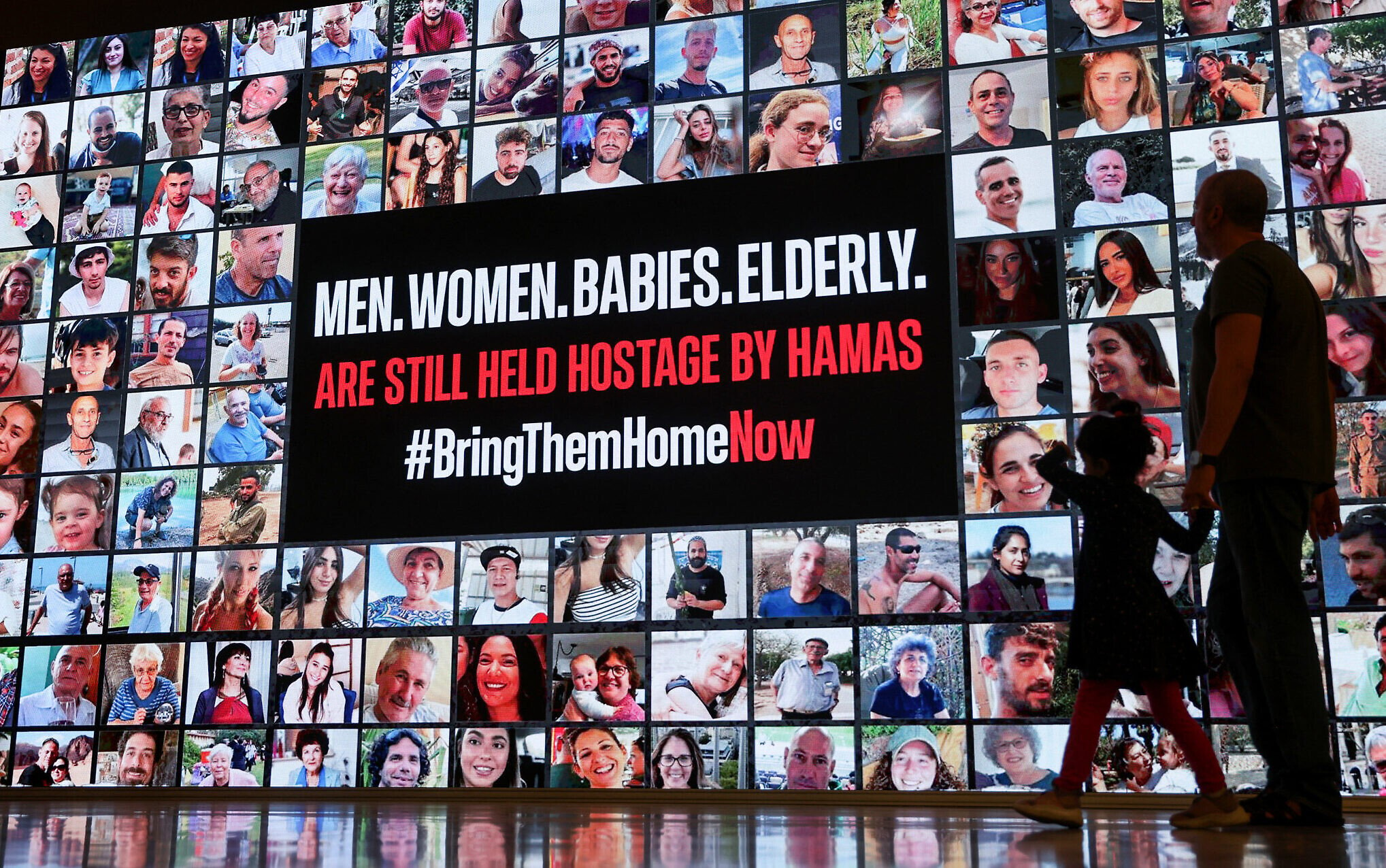 The fact that cabinet ministers voted 35-3 in favor of the deal with the terror group that seized and is holding most of the hostages, and that organized and led the slaughter of 1,200 people in southern Israel on October 7, underlines how potentially advantageous Israel’s political and security leadership believes the deal to be. Obviously, Israel would have wanted an agreement to secure the return of all hostages. Ministers were told that there was no such deal to be made. Obviously, too, Israel would have wanted the IDF to have itself located and rescued all, or at least more of the hostages — without necessitating any deal with the terrorists, any release of Palestinian security prisoners, any halt to the war. But that option, ministers were told, was not available either. Only one hostage has been extricated from Gaza to date — Orit Megidish, three weeks ago, in an extremely high-risk operation — even as the IDF has taken greater control of many of Hamas’s strongholds in the north of the strip. (The case of Nachshon Wachsman. a soldier abducted and held hostage by Hamas in 1994, underscores the difficulty of such rescues. In Wachsman’s case, Israel knew precisely where he was being held, in the West Bank just outside Jerusalem, but a rescue attempt proved disastrous, with Wachsman killed by his captors as IDF commandos attempted to break in, and the lead officer in the rescue attempt killed as well.) This deal, the ministers were told, was the only hostage-release option currently available. For all the pain over those who will remain captive in Gaza — including many who are elderly and many parents — almost all ministers were persuaded that it was a deal with the devil that nonetheless had to be done. 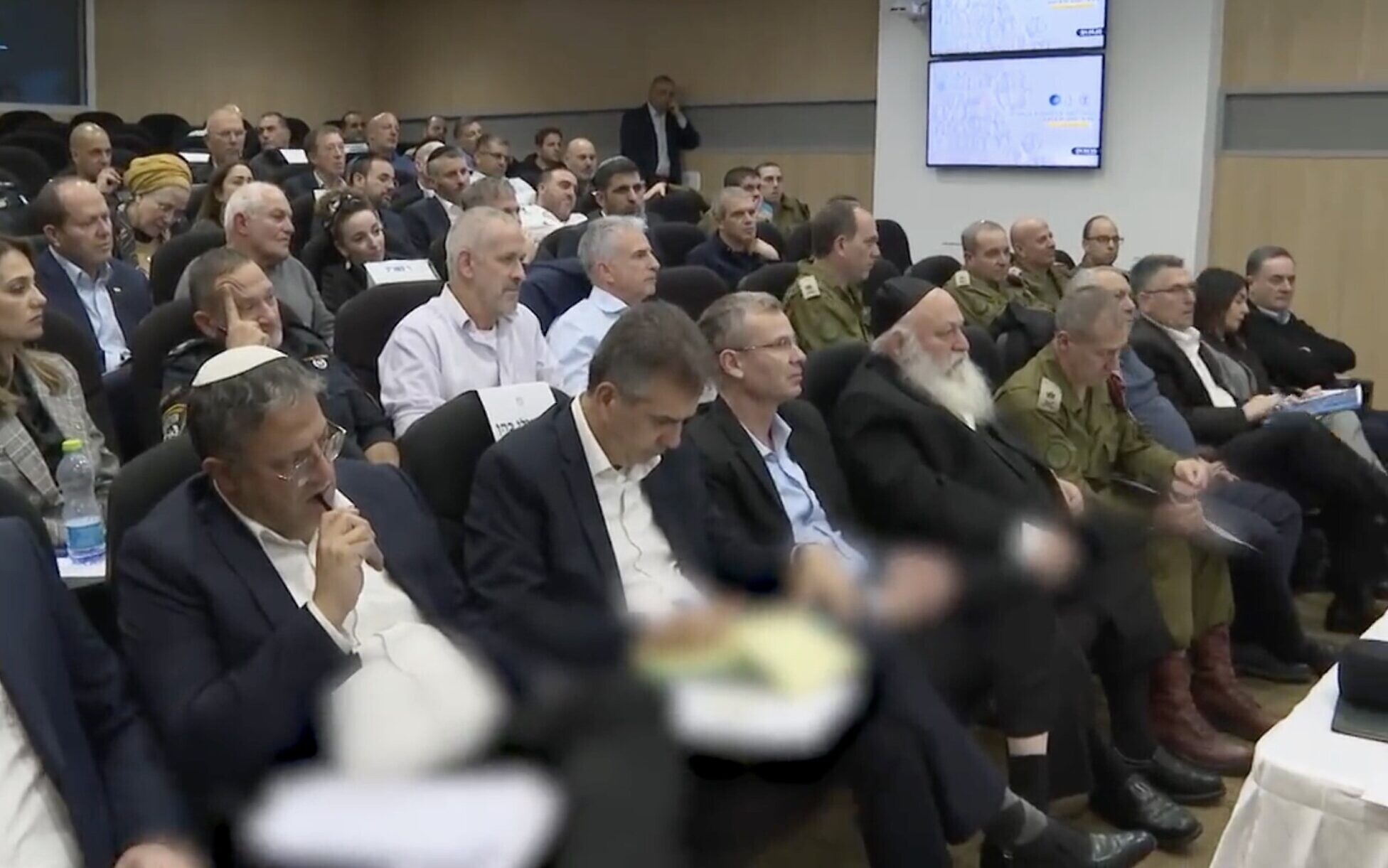 Crucial to the near-unanimous support — with only Itamar Ben Gvir’s Otzma Yehudit ministers voting against — was the pledge by Prime Minister Benjamin Netanyahu that the war will resume once the deal is carried out, and that the war’s declared aims remain unchanged: the destruction of Hamas’s military and governance capabilities and the return of all the hostages. Ministers were also told that the progress of the ground offensive thus far was central to Hamas’s agreement to the deal, and that resuming the ground offensive was crucial to the effort to secure the release of the rest of the hostages. ** Given that even some of the coalition’s most hardline elements — notably including Bezalel Smotrich’s Religious Zionism party — considered the deal to be well worth taking, the question must plainly be asked: Why did Hamas agree to it, even offer it? Its strategic goal in mounting the October 7 slaughter was to pursue its raison d’etre — killing Jews and ultimately destroying the State of Israel. But it also took hostages in order to secure the release of its terrorists from Israel’s jails. In a 2011 deal, it leveraged its 2006 kidnapping from within Israel of a single captive, IDF soldier Gilad Shalit, to secure the release of more than 1,000 Palestinian security prisoners, some 280 of whom were serving life terms. And yet here, now, it has agreed to release 50 Israelis in return for some 150 Palestinian women and youths, none of whom has been convicted of murder. This would suggest a Hamas under pressure for a deal. But if so, that is hard to square with reports that Yahya Sinwar, the Gaza Hamas chief who orchestrated the slaughter and is said to have determined the terms of the deal, is euphoric over the “success” of October 7. Presumably, in any case, Sinwar believes he is outsmarting Israel over the deal’s terms and implementation. 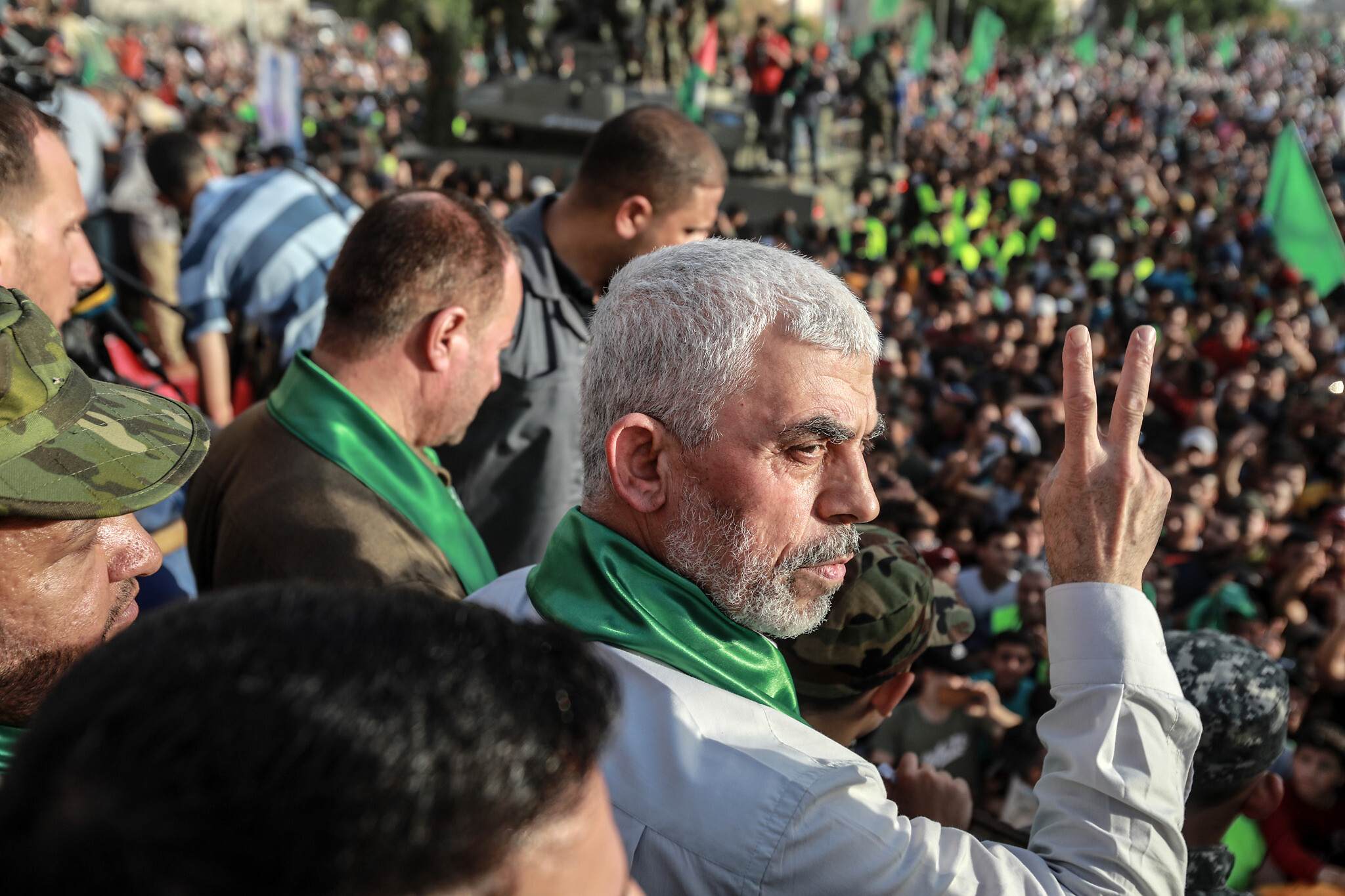 Many Israeli commentators expect that Sinwar will seek to use the pause to reorganize his terrorist-army — most of which remains intact even though much of its infrastructure in northern Gaza is destroyed or located in areas under IDF control. They suggest that he may also use the pause to emerge from wherever he is hiding, for a “victory picture” to revitalize his army and demoralize Israel. Some commentators also assess that he is eager to prevent the imminent extension of Israel’s ground offensive into southern Gaza, and especially Khan Younis, where he, other Hamas leaders, and many of the hostages are believed by some to be located. Thus, they speculate, Sinwar will try to stretch out the implementation of this deal, including by asking for a longer halt to ostensibly track down further hostages, potentially pitting families of those hostages against the government, while attempting to gradually bolster international pressure on Israel to abort the ground offensive altogether. Tamir Heyman, a former IDF intelligence chief, said Tuesday he believes international pressure on Israel, most relevantly from the US, will actually ease as a consequence of the halt in fighting — with more humanitarian aid going into Gaza — and also that the pause can be utilized by the IDF, too, to refresh and reorganize its forces. The semantics surrounding the accord are important in this context. The deal is being widely reported as providing for a “ceasefire” — and a ceasefire is generally understood to represent a halt in fighting intended to accommodate discussions on ultimately ending the fighting. Israel’s political leaders, and the government decision on the deal (Hebrew link), by contrast, refer to a “pause” in the campaign. Asked about the deal, the pause in fighting it involves, and the potential impact of that pause on restarting the war, IDF Spokesman Daniel Hagari said such agreements were the preserve of the political echelon, and was adamant that the IDF would be able to pursue and achieve the war’s stated objectives. For his part, Netanyahu reportedly told ministers on Tuesday night that the expansion of the IDF’s ground offensive into Khan Younis was “not a matter of whether but of when.”
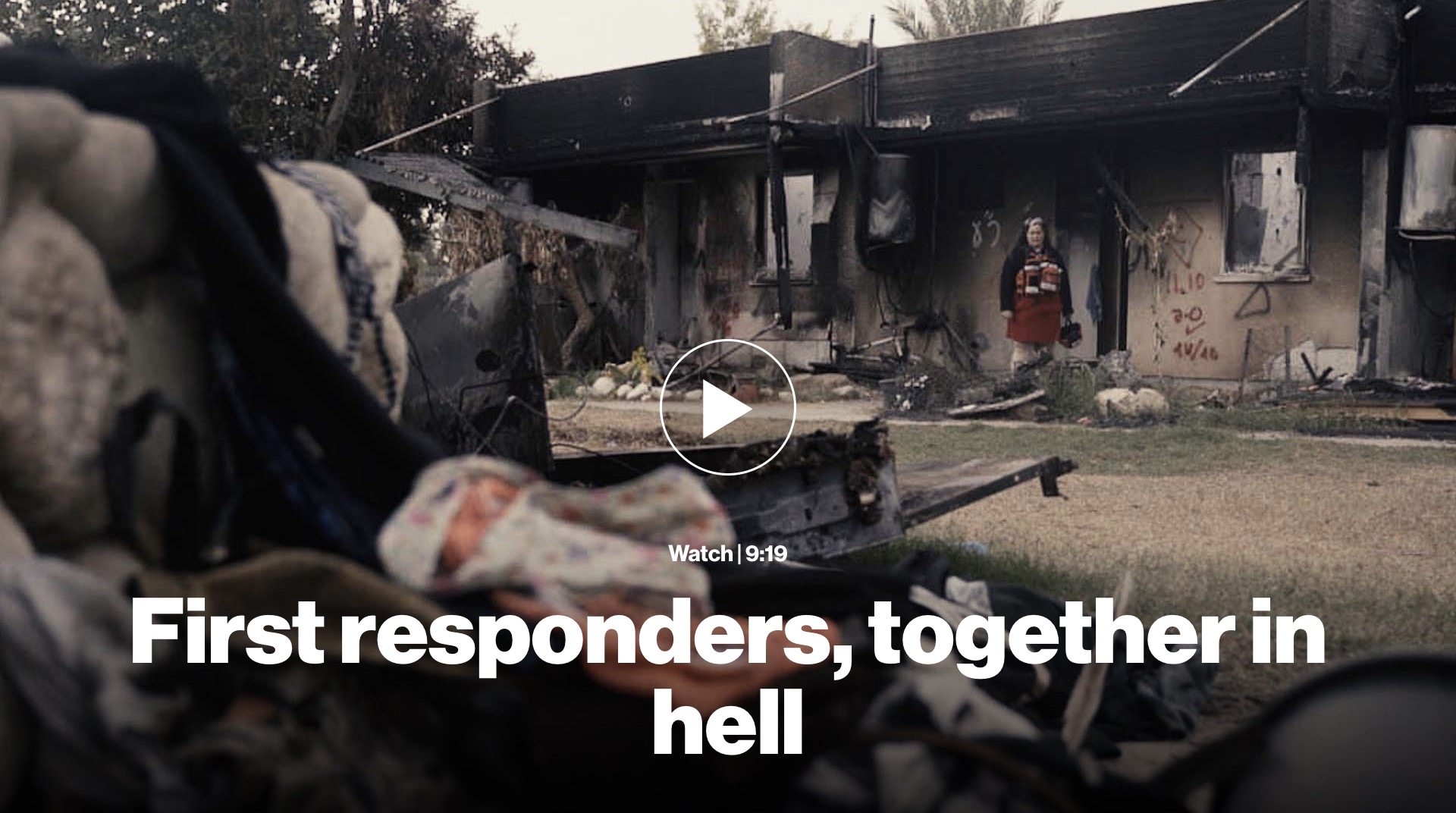
New ToI original video: ‘First responders, together in hell’We’re now actively producing a new series of short videos to document some of the remarkable stories in Israel during this war. The series, entitled ‘Times of War,’ has so far covered an underground medical facility for children, the extraordinary citizen volunteer effort in Jerusalem, and more. Our newest episode, ‘First responders, together in hell,’ follows emergency medicine volunteers as they return to the site of the devastating events of October 7, where they were among the earliest to reach the massacred communities. View it here:
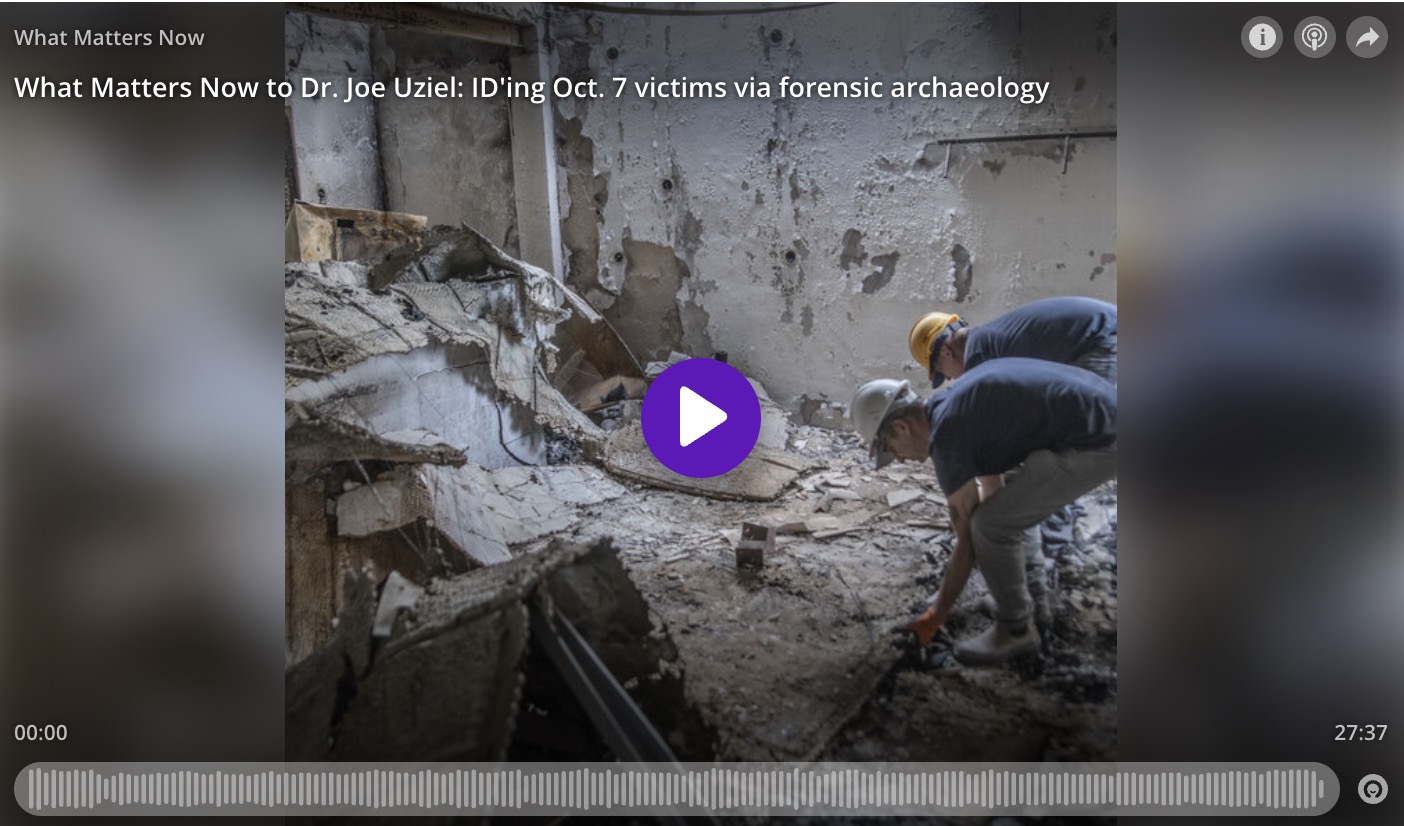
What Matters Now to Dr. Joe Uziel: ID’ing Oct. 7 victims via forensic archaeologyThe Israel Antiquities Authority is accustomed to searching for human remains – albeit for people who lived hundreds, if not thousands of years ago. Today, some 30 volunteers from the IAA are working in shifts, sifting through the rubble – in Be’eri, in Kfar Aza, in the cars that were torched fleeing the Supernova rave. On this week’s episode of What Matters Now, we sit down with the Head of Israel Antiquities Authority’s Dead Sea Scroll unit, Dr. Joe Uziel, to hear how he uses CSI techniques honed at ancient destruction sites to find microscopic remnants of the massacred.
🔔 And be sure to subscribe to What Matters Now on Apple Podcasts, Google Podcasts, Spotify, or wherever you listen to podcasts.
🙋 Have something to share?We’d love to hear it! Join the discussion on our active ToI Community Facebook group. Keep tabs on new content and events on our Community Page. And please don’t hesitate to write to us with any suggestions, issues or questions. Thank you for your continued support of our independent journalism. ~ The Times of Israel Team
|
|
You are receiving this email because you are a member of The Times of Israel Community. If you would like to stop receiving community updates, please click below to unsubscribe.
|