
|
|

|
Dear Times of Israel Community, As Israel, since the Hamas invasion and massacre on October 7, 2023, endures the most difficult period in its modern history, Mike Huckabee — Baptist minister, former Arkansas governor, would-be US president and, since April, US ambassador to Israel — has been a prominent, firm and unstinting champion of its multifront battles against Hamas, Iran and others, and emphatically, against presidents and prime ministers, UN and other global forums, activists and commentators who would criticize it. 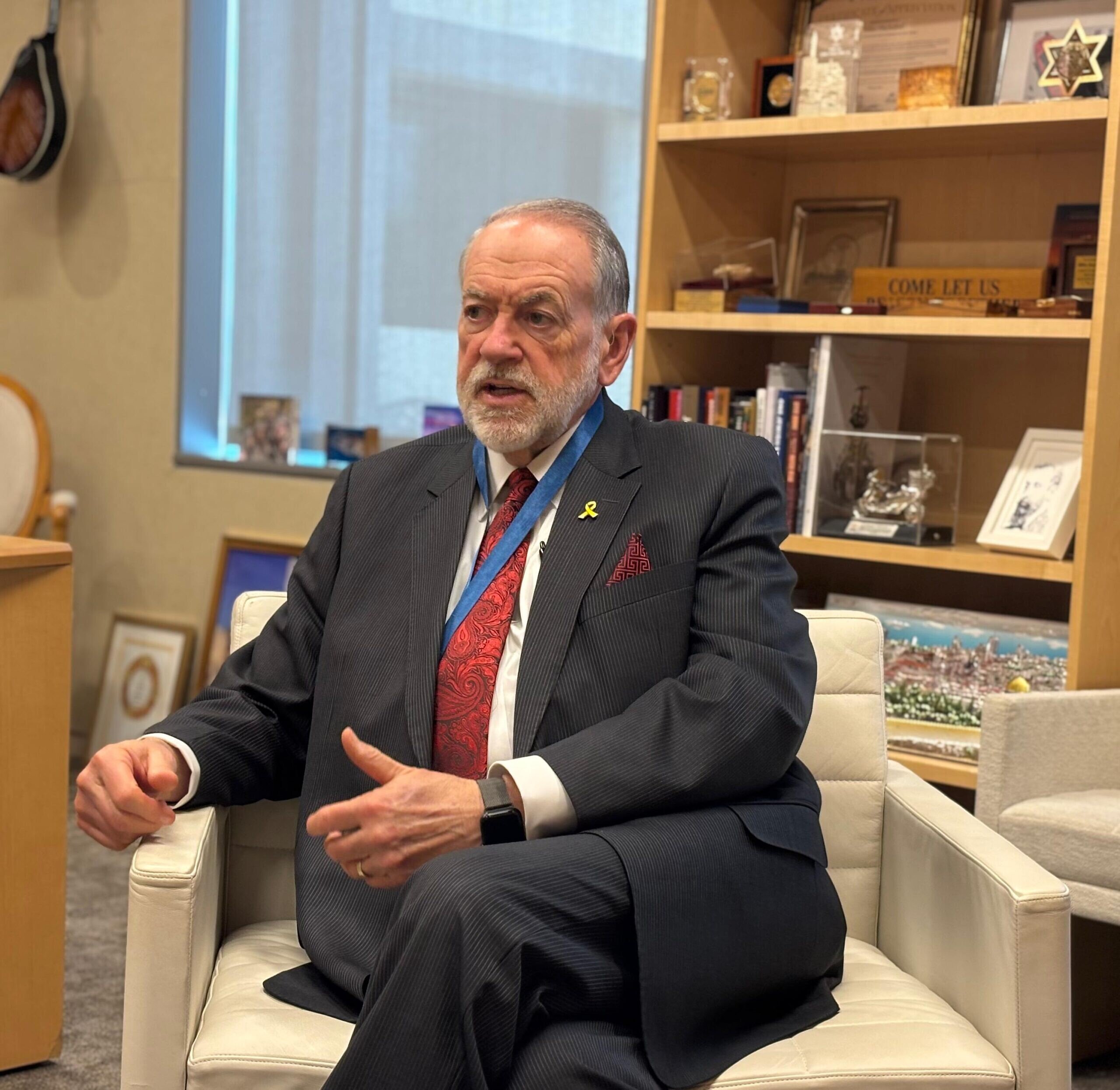 In an interview I conducted with him yesterday, Huckabee similarly gave short shrift to almost any suggestion that aspects of Israel’s policies and actions in Gaza, as it has sought to destroy Hamas and bring home all the hostages, might have been ill-conceived, much less indefensible, as almost all world leaders and many Israelis have increasingly come to allege. “I think it’s fair if you want to second-guess decisions that were made,” he allowed at only one point, when asked about the 11 weeks between March and May when Israel did not allow aid into Gaza. But he immediately elaborated that Israel had allowed vast quantities of aid into Gaza previously, and that there would have been plenty available had Hamas not stolen it, and that Israel was trying every tactic it could find to try to push the obdurate, monstrous Hamas into a ceasefire-hostage deal. And he was furiously denunciative of Western countries, including the UK and France, for their recently declared plans to unilaterally recognize a Palestinian state. You should handle disagreements with your friends “through some diplomatic channel, with some circumspection,” he said. “You don’t join with and aid and abet [Israel’s] sworn adversaries, those who are trying to kill them, who literally are trying to kill them.” Huckabee also highlighted what he stressed was his personal belief that Israel’s fate is determined by factors beyond geopolitical considerations, arguing that given 3,800 years of history, “you could only describe this country as a country that God’s hand is upon. There’s no other explanation.” And he spoke with passion about the “unique and special” resilience of the Jewish people and of Israel. Huckabee was a cordial interviewee, and generous with his time. The following are advance excerpts of our conversation. The Times of Israel: It seems to me that almost all of the world has turned against Israel, incredibly, since October the seventh, with the exception of the United States. How worried are you, as somebody who loves this country, who is the ambassador here, for the very future survival of Israel? Mike Huckabee: I’m not as worried about its survival, because I feel like there is something bigger with Israel’s survival than any geopolitical consideration. But I’m worried very much that people who claim to be a part of Western civilization do not see their connection to Israel. It should be pretty obvious to them that there is a value system upon which Israel is founded, the same value system upon which the United States was founded, and quite frankly, the same value system that most of the European nations are supposedly founded upon. So what has happened to them? I don’t understand it, and it’s a head-scratcher for me. Maybe they distinguish between Israel, the state, the country, the people, and Israel, the government. And they are saying, the British, the French — you’re hearing this, and you’re responding to it — we can’t be supportive of this government; it is doing terrible things; we were very sympathetic after October the seventh, but the behavior since is unacceptable. To that, I would say, look, it’s perfectly acceptable to be in disagreement with the policies of any government, whether it’s the Brits or the French or whatever. I regularly disagree with some of those governments. But I wouldn’t turn my back on them when they’re under siege. You don’t do that to friends. You just don’t do that to your friends. And if you do have a disagreement with them, you bring it to them quietly. You don’t hang them out to dry in a public forum. You don’t join with and aid and abet their sworn adversaries, those who are trying to kill them, who literally are trying to kill them. You would pursue that through some diplomatic channel, with some circumspection. 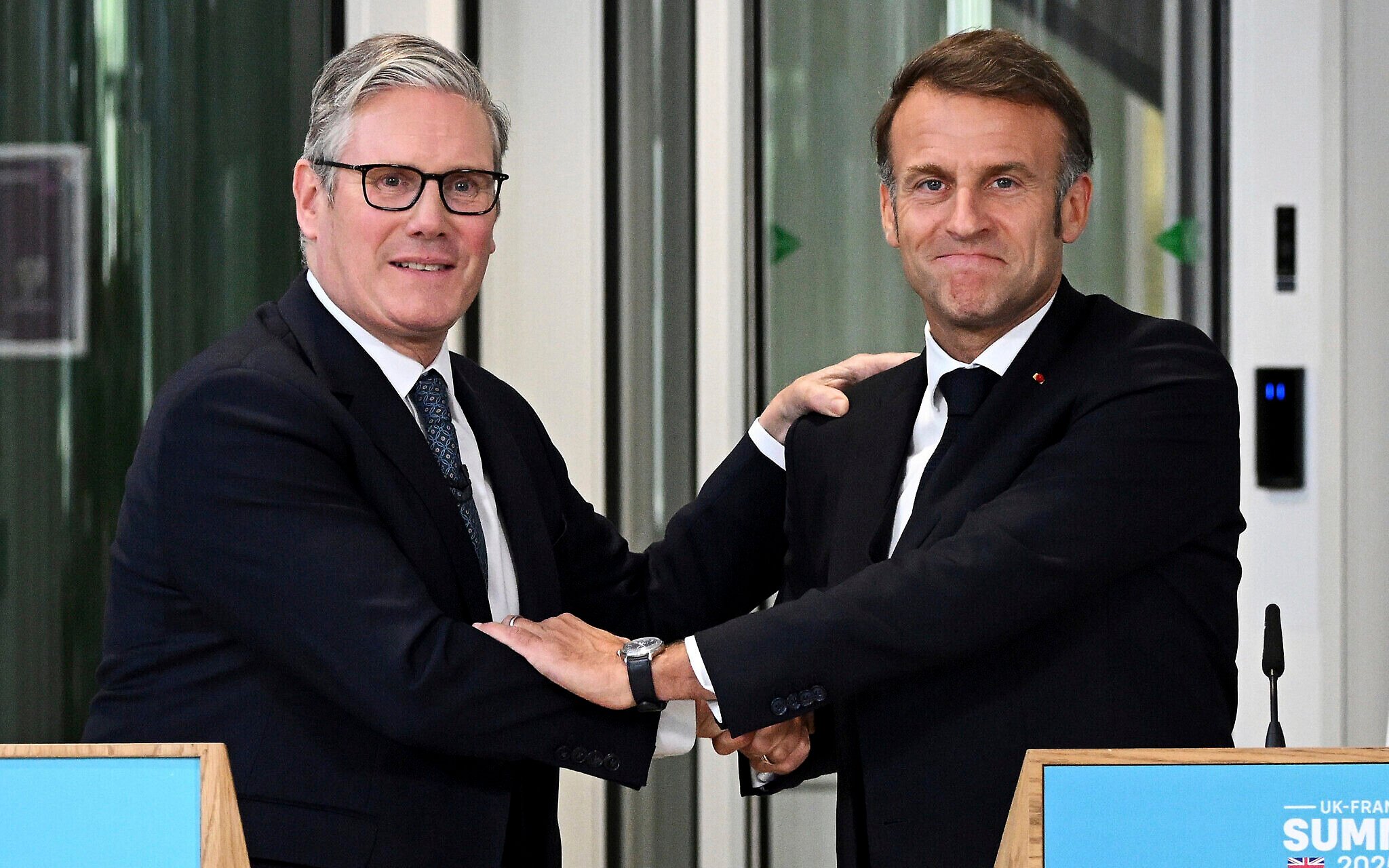 You don’t go and make some profound decision that you’re going to unilaterally recognize a Palestinian state — which is in and of itself provocative, but even more so in light of the fact that Hamas is holding hostages and is celebrating these announcements. Secretary [of State] Rubio said last weekend, which I thought was quite accurate, that those public declarations by the French and the Brits [about intending to recognize Palestine] ended negotiations with Hamas. Just destroyed it. Because they looked at it and said, “We’re winning. This is great. The result of October seventh is going to be a Palestinian state.” Didn’t Israel, the government, to some extent give propaganda weapons to Hamas? I’m thinking most especially about the 11 weeks that Israel did not allow aid into Gaza, and argued that there was sufficient aid, and has since acknowledged that there wasn’t access everywhere that it was needed, at the very least. And President Trump has said he sees starvation. I think it’s fair if you want to second-guess decisions that were made. But let’s be fair. Israel allowed an enormous level of humanitarian aid to go in before the 11-week period. There would have been plenty of food going in had Hamas not stolen it, warehoused it, kept it for themselves, and then turned around and sold it for profit in the black market. So, to blame Israel for that? Israel, at that time, was hoping that that would push Hamas [into a deal]. Let’s keep in mind, Israel has tried vigorously to find a way to break loose the logjam and to get the hostages out. And they’ve tried a lot of different things. They’ve tried going soft. They’ve tried going hard. They’ve tried holding back food. They’ve tried pouring, as they have, 2 million tons of food in. 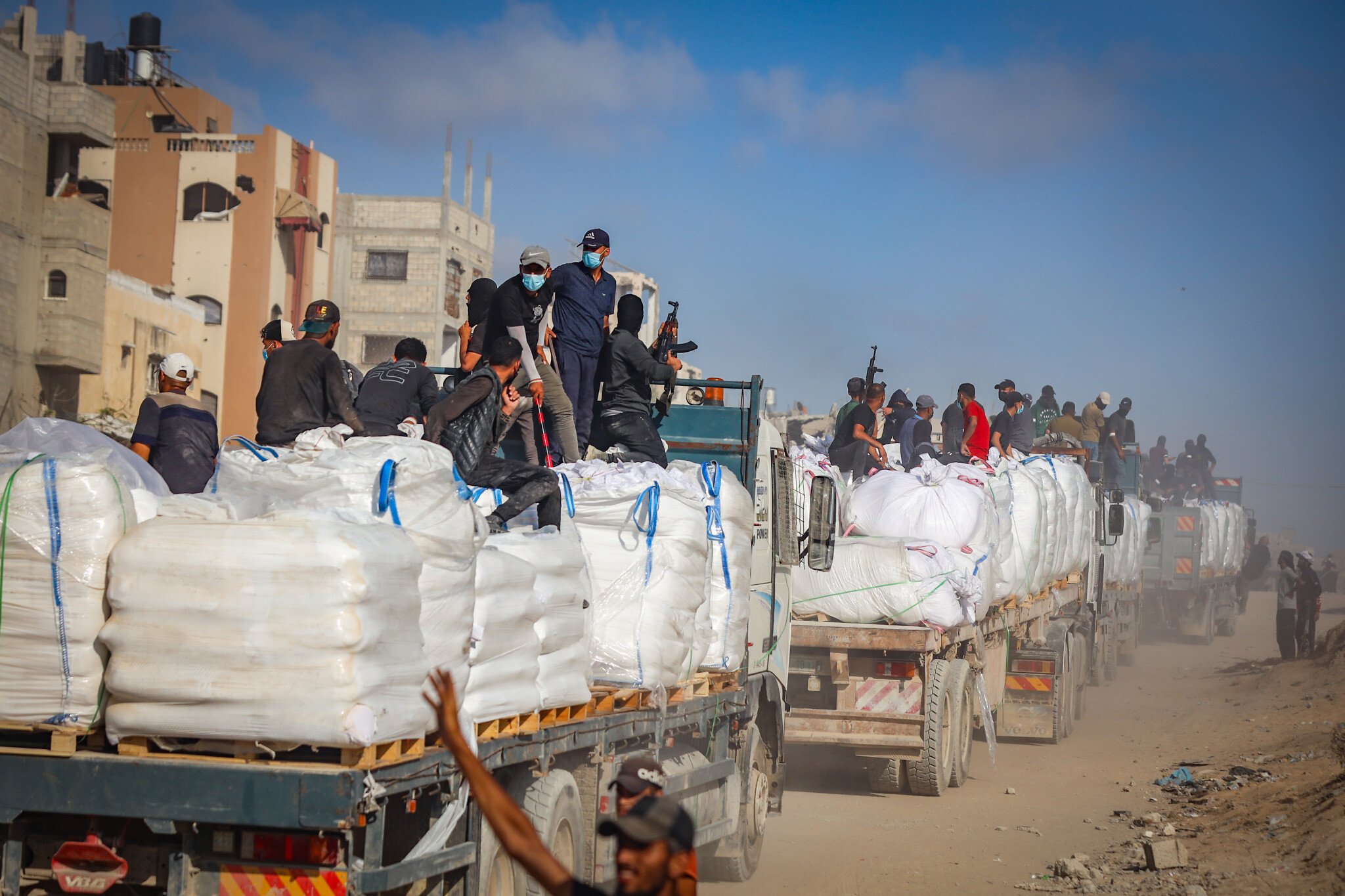 I back up and look at the big picture, and I’m asking somebody to give me an answer: When in the history of the world has a country that was attacked been held responsible for the feeding of the country that attacked them? Gaza was turned by Hamas into a terrorist state, where Israel can’t fight that war without harming the people that Hamas has deliberately placed in harm’s way. It complicates everything. But surely Israel can’t afford to let those people be destroyed, even if it’s their government that put them in that situation? Here’s the question, though. Why are they in that situation? They voted Hamas into power in 2007. Israel pulled completely out. They turned it into a complete Palestinian state. I’m not blaming the civilians. I’m sure they regret their vote. When I talked to some of them when I was down there, they very much want Hamas out of there. They hate Hamas. 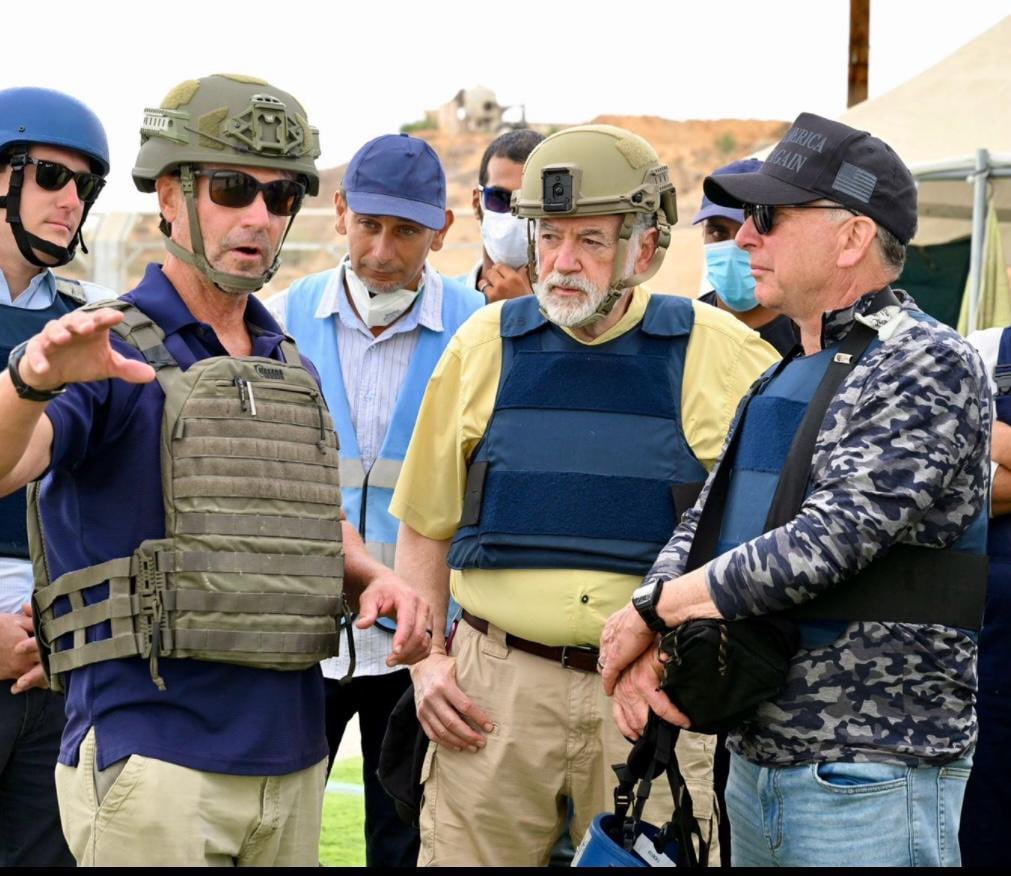 How widespread do you think that sentiment is? I mean, you had a small glimpse [when visiting Gaza with US Middle East special envoy Steve Witkoff on August 1]. I can’t say I did a scientific poll. But your sense? The passion with which they spoke was pretty surprising to me. They hate Hamas. They want nothing to do with them for their future. They hate the PLO, the PA, and Fatah. They don’t hate the IDF, which was a surprise. I would have figured that they would have seen them as the oppressor. They didn’t. They love the US, which I liked. These were a few people that you met that day at the GHF [the US-backed Gaza Humanitarian Foundation] site? Yeah, these were mostly well-educated people, people that had owned businesses. Let’s talk about the site that you went to and the GHF operations. I don’t know the degree to which America was involved in setting up GHF… Totally involved. It was our setup. It was an American project. Almost every day for weeks, we were told, vast numbers of people were killed. Not always confirmed. We don’t know who by. The army acknowledged opening fire in some cases. I stress, we’re not in Gaza — The Times of Israel, we go in when the army lets us. But vast numbers of people killed every day. That’s not true. I can categorically tell you. “A thousand people have been killed.” It did not happen. There, without a doubt, were deaths that happened in the outer perimeter. There may have been single-digit deaths, where someone was close to [a site]. I can’t tell you that there was a death of a civilian at a GHF site. Maybe I misconstructed the sentence. I’m not charging “at the sites themselves.” I’m talking about people trying to get aid, trying to get to those sites, close to those sites. I think there were many who were killed by Hamas, which vehemently objected to the GHF. The government has announced that the war is to expand, and it talks about going into Gaza City as though the Israeli army has not operated in Gaza City before. But it’s been there many times. Rafah was [ostensibly] the last stronghold that had to fall [for the war to end], and then Rafah was taken over, but the war didn’t end. Why do you think that the expanded war is going to be more successful than 22 months of fighting so far? I don’t know that it will or won’t. That’s not an ambassador’s position, to evaluate another government’s decision. But the president is supportive. The president has said, and he’s right about this, that Israel has a right to defend itself in the way that it deems best to save it. He made the comment, I think yesterday, I believe. He said, Remember October the seventh. But I don’t think the president has taken a side on the strategy or the tactics and said, Yep, or no. He has respected the fact that Israel is a sovereign nation, makes its own decisions, and that would be the embassy’s position as well. We don’t jump in the middle of it. 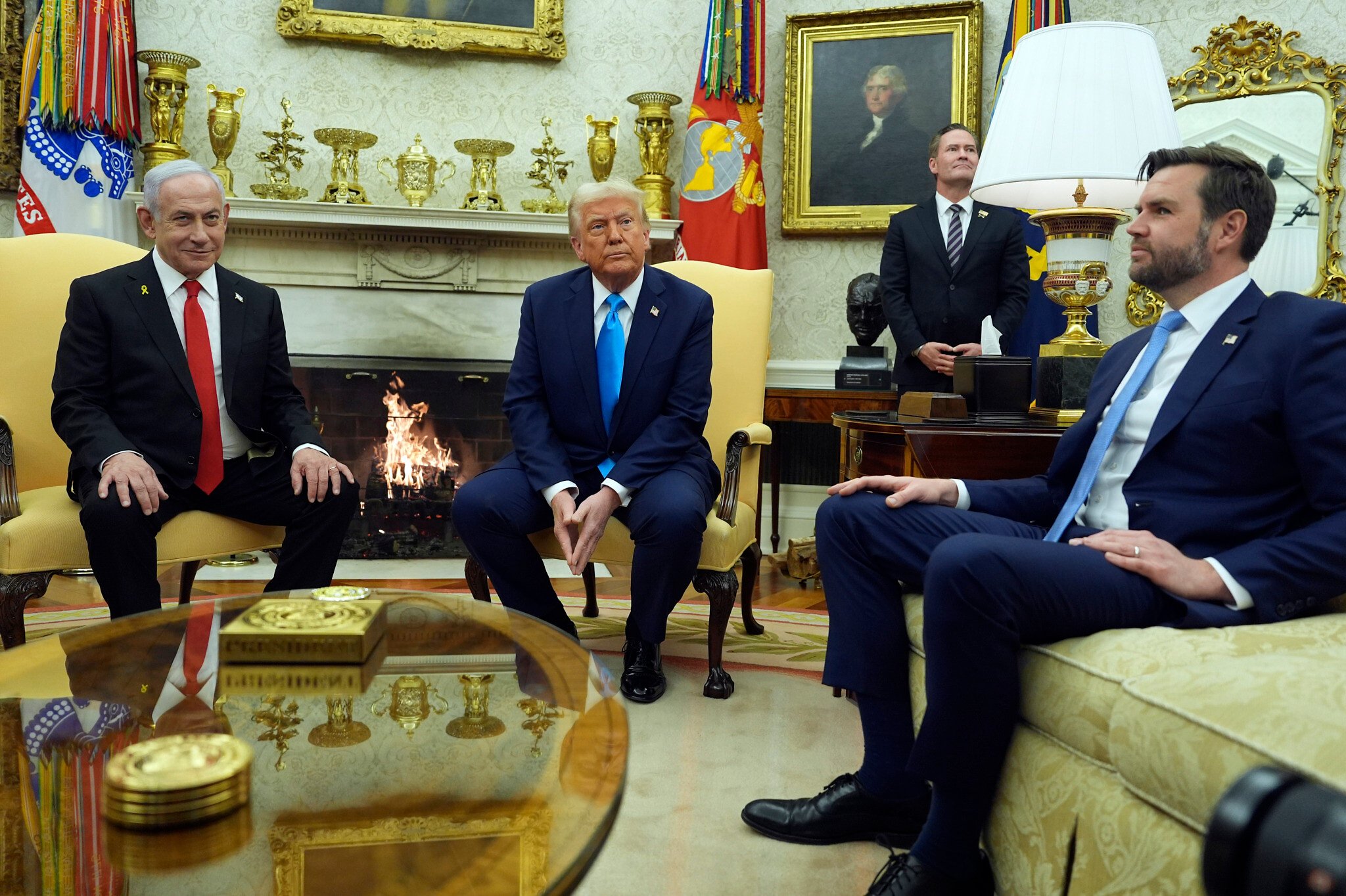 You met not too long ago with the deputy head of the Palestinian Authority, Hussain Al-Sheikh. And Prime Minister Mustafa. And last week or the week before, I went back and met with a group of Palestinian business leaders. So what role do you see for the PA — in the West Bank, in Gaza? Can there be no role for the PA in Gaza? Is that not an American decision to make? Yes, it’s not an American decision to make. It’s probably going to be a decision in some measure for the people who live there to make. Again, I don’t have a scientific poll, but they were not amenable, the ones that I spoke to [in Gaza], about Fatah, the PLO, the PA, being their governing body. What I have heard more, and the president mentioned this, is an international consortium that would include Saudi Arabia, Egypt, Jordan, UAE — kind of a governing council, and appoint someone to lead that. With a US role at all? I would imagine the US would have a role, but I think it would be really more of the lead of those countries. But those countries won’t do it without some ostensibly legitimate Palestinian, PA, role, they’re saying. That may be what they’re saying. I haven’t heard that, so I don’t know. How do you and the administration see the war ending? And how do you see postwar Gaza? Let me quote the president: Hamas has no future there, and they can’t stay. That has been very consistent from President Trump from the beginning. I appreciate his clarity and his consistency. 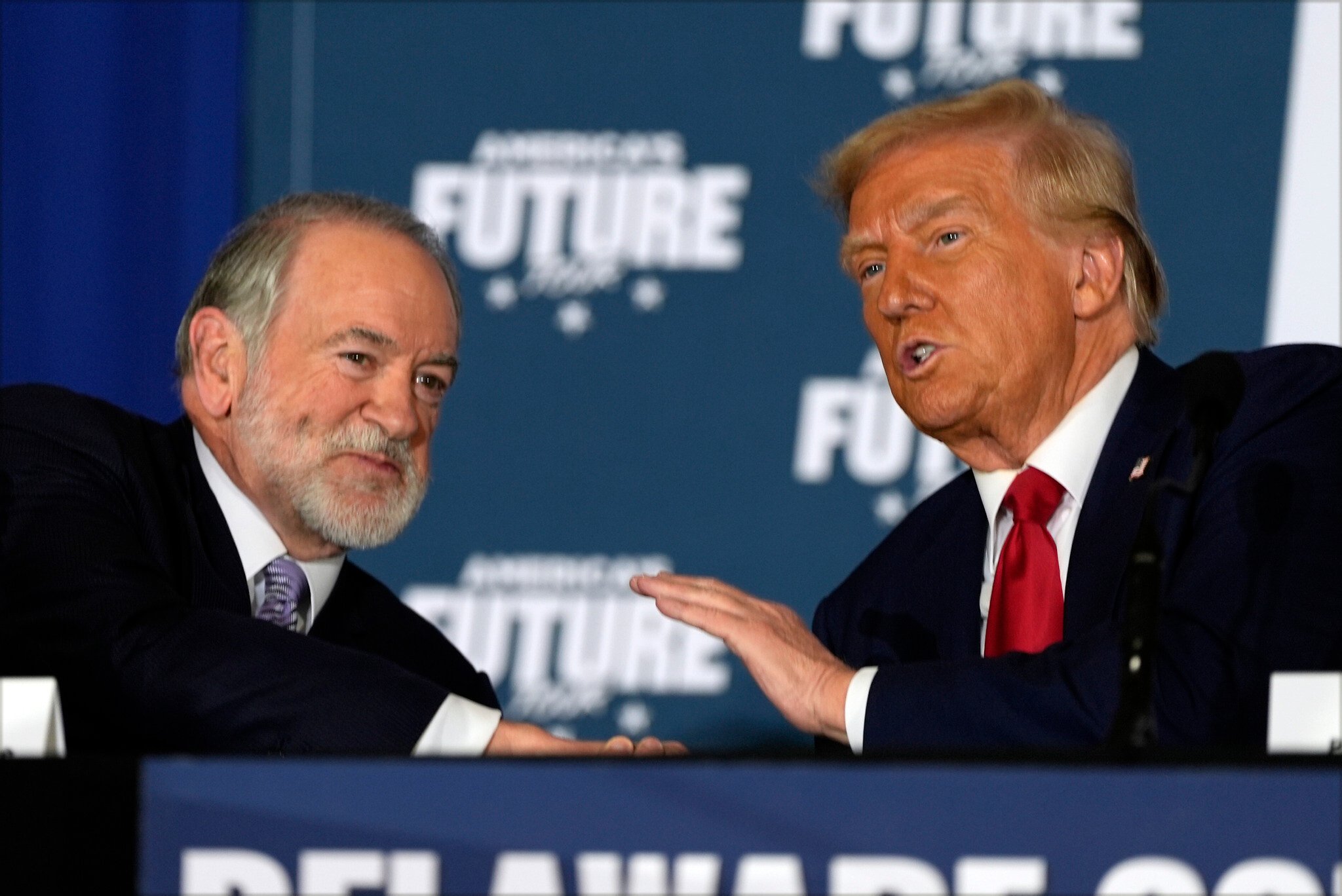 Within part of the base that elected President Trump, there is a dissent over Israel, greater criticism of Israel. That base is not as solid as it was on Israel. Yeah. I don’t think it’s widespread. Maybe even in the evangelical movement. I think it’s still pretty solid in the evangelical world. It’s not widespread. But where it is beginning to show a difference is in the younger generation. And that’s worrisome to me. I don’t think that among the president’s base, there’s widespread divergence from the long-standing support of Israel. It’s just that the voices who are saying it are very, very loud. And they’re getting a lot of attention, a lot of clicks on the internet. As an Israeli, we’re all attached to some degree or another to people who died, and to people who are doing military service, and all utterly tied up with this. Much of the world felt the same, for some time after October seventh. Not all. Much of the world is now saying, You have reduced this terror state, but with its 2 million people, to almost complete rubble. You haven’t destroyed Hamas. You’ve lost the legitimacy that you had in the aftermath of that horrible Hamas massacre, unprecedented since the Holocaust. That’s the situation that we’re in now. I would say that Israel would have loved for this to have been over October the eighth. The ninth would have been almost as good. The end of October of ’23 would have been good. The reason it has gone on, the reason Gaza has been reduced to a rubble, is because of the stubbornness and the just pure villainous nature of Hamas, that doesn’t care that the people that it’s supposed to take care of have been killed. In fact, they were the ones who herded them together on the targets that Israel announced it was going to hit. What other country has ever done that? Israel said, We’re going to hit this place. Get everybody out of there. What does Hamas do? They herd them in and put them in front of the military targets. 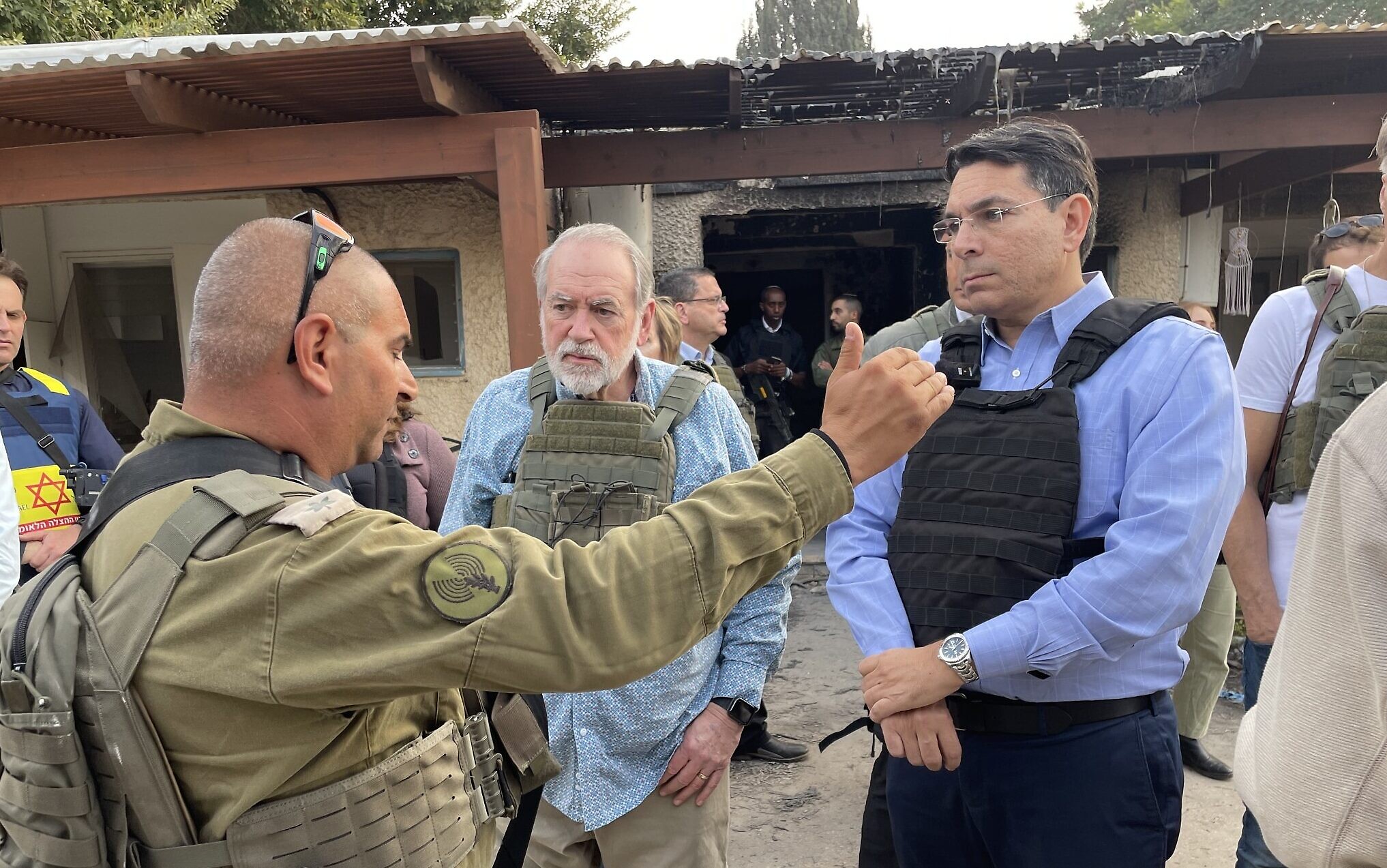 Yes, a lot of people have died. It’s horrific. But I don’t for a minute think that Israel has enjoyed 22 months of this. They would much rather have had it been over 21 months ago. They would much rather have had all of the hostages released long before now. And I totally object to those who say, Yeah, the government wants this to keep going. They don’t want it to end. I think that that’s not only unfair, untrue, but it’s the kind of lie that is utterly baseless. Sitting in the prime minister’s cabinet, there are people who are more invested in this than most Americans will ever understand, and maybe most Israelis even know. Ron Dermer has two sons in Gaza right now. Ambassador [to the US Yechiel] Leiter had a son killed in Gaza. There are other high-level ministers in the Prime Minister’s Office who either have children there right now or they have been there in this war. To say that they wanted it to go on is beyond unconscionable. But the fact is, from within the negotiating team, you have heard for months and months and months people saying, Hey, the chance is there to do the deal now. We should do the deal now. They have tried. They have made concessions, the likes of which the public doesn’t know. The US has been, as you know, very vitally involved in these discussions. And every time they get to a point where they think, Oh, it’s about to happen, it’s going to be a breakthrough, Hamas moves the goalpost. They change the rules. They add something. They take away something. This is why two weeks ago, [US Middle East special] envoy Steve Witkoff got up, walked away, and said, They’re not serious. Now, here’s a guy who’s been involved in these discussions since January, immensely involved. If anybody has some credibility to be able to say where the negotiations are, it would be envoy Witkoff. But when he got up and walked away and said, They’re not serious, they don’t want this to end, he wasn’t talking about the Israelis. He was talking about Hamas. Part of the reason why there’s such skepticism is that there are core parties in this coalition that would bring down the government if Netanyahu were to end the war. It’s a very interesting matter, Israeli politics. I tell people back in the US all the time. I say, If you think our politics is divisive, come over here and watch what it really looks like. It’s tough, but it’s tough everywhere. 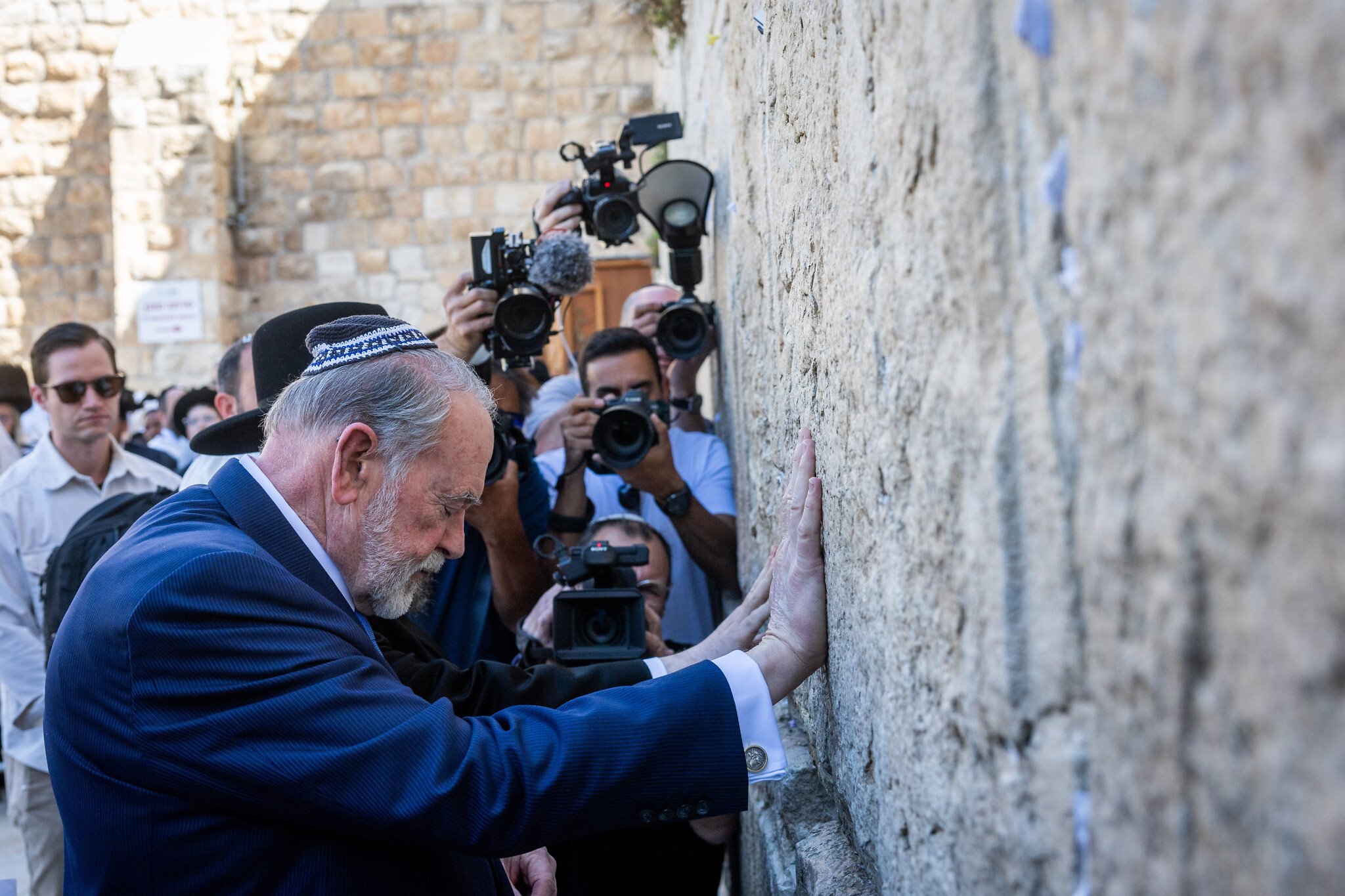 I want to come back to the very first thing you referred to, as a final question: Your personal view of Israel as extraordinary, as not like other countries, as blessed by God, and therefore certain to survive. Maybe that’s not a fair summation? There’s two dimensions to that. Geopolitically, I can’t make that statement. From a standpoint of looking at the history of the past 3,800 years, you could only describe this country as a country that God’s hand is upon. There’s no other explanation. As somebody who loves Israel, utterly, I worry. I think God helps those who help themselves. I see a country with serious, grave threats externally and tearing itself apart from within. And I don’t think we can rely on “You’re a special place, God has a plan for you.” People have made the greatest sacrifices of their own lives in order to create a country where Jews could come and have a place to be safe. And as Golda Meir so brilliantly said in 1973, when they asked her after the Yom Kippur war, what’s Israel’s secret weapon? And she said, We have nowhere else to go. It’s a lasting reminder to me that there is something about the resilience of the Jewish people as a whole and the Israeli people, specifically, that is incredibly unique and special. And the future of the Palestinians is a function of their willingness to accept that legitimacy for the Jews? I meet Palestinians all the time who don’t hate Israel and don’t hate the Israelis. And many that I know want prosperity for their families. They want peace. They want a future. It’s a mess down there [in Gaza]. My gosh, it’s horrible. I just want to remind everybody it’s horrible because Hamas did an unspeakable horror on October the seventh, and they refused to answer for it and refused to give up their aspirations to keep doing it. And they keep saying, if they survive, they will do it again and again and again. — 🎙 Friday Focus with Micah Goodman: 20 years to Disengagement as Israel is set to occupy GazaThe latest episode of ToI’s Friday Focus podcast: As Israel stands poised to potentially re-occupy the entire Gaza Strip, public intellectual and author Dr. Micah Goodman takes us through the Disengagement from Gaza that happened 20 years ago. Press below to watch and listen on YouTube:
🙋 Have something to share?We’d love to hear it! Join the discussion on our active ToI Community Facebook group. Keep tabs on new content and events on our Community Page. And please don’t hesitate to write to us with any suggestions, issues or questions. Thank you for your continued support of our independent journalism. ~ The Times of Israel Team
|

|
You are receiving this email because you are a member of The Times of Israel Community. If you would like to stop receiving community updates, please click below to unsubscribe.
|