300 Hamas prisoners declare hunger strike in mass mutiny
Inmates plan series of measures protesting transfer from high-security facility to other jails amid crackdown on illicit communication
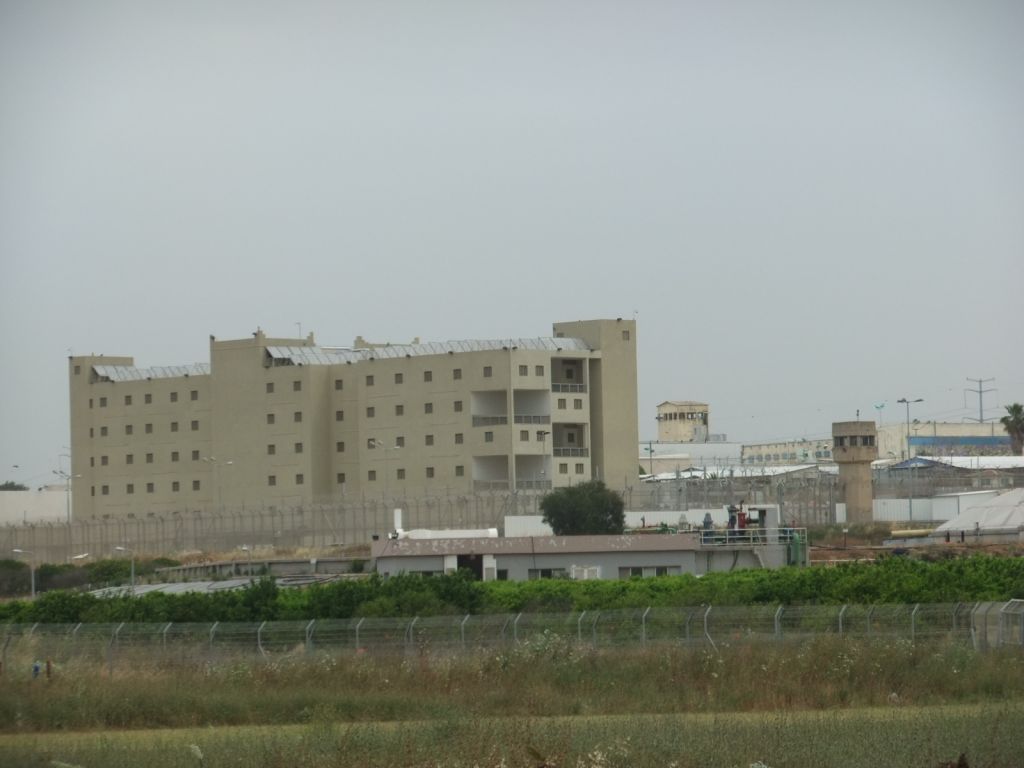
Three hundred Hamas members being held in the Nafha Prison in southern Israel declared they would begin a mass hunger strike Thursday in protest of a highly unusual decision to transfer hundreds of prisoners from the high-security facility to other jails around the country.
Over the past two days, the Israel Prisons Service has disbanded the entire unit at Nafha housing Hamas prisoners, including some of the terror group’s most senior detainees, as well as another unit of Hamas prisoners at the Eshel Prison near Beersheba. A number of the convicts have been sent to solitary confinement while most have been dispersed among the general population of security prisoners in various other facilities.
One of the high-profile prisoners moved from Nafha to the Hadarim Prison north of Tel Aviv was Muhammed Arman, considered the leader of Israel’s Hamas prisoner population and a highly influential figure in the organization. Arman is serving a 54-year sentence for a series of terror attacks he was responsible for during the Second Intifada in the early 2000s. At the time he was serving as commander of Hamas’ military wing in the West Bank city of Ramallah.
An informed Palestinian source told The Times of Israel that Hadarim is considered “problematic” by Hamas prisoners because it affords very little opportunity to “communicate with the leadership outside,” due to tough regulations against cellphones.
The same source said that the Hamas prisoners’ insubordination began before the decision to disperse the units at Nafha and Eshel, and was initiated as a response to a policy of “humiliating” bodily searches of detainees.
“[The Israel Prisons Service] began carrying out strip searches and the prisoners were unwilling to accept it, so they began to protest,” he said. In the last few days, Hamas prisoners have threatened to launch mass hunger strikes as well as a series of other disruptions. On Wednesday night, the official Hamas website said that at least 100 prisoners would begin refusing food beginning Thursday.
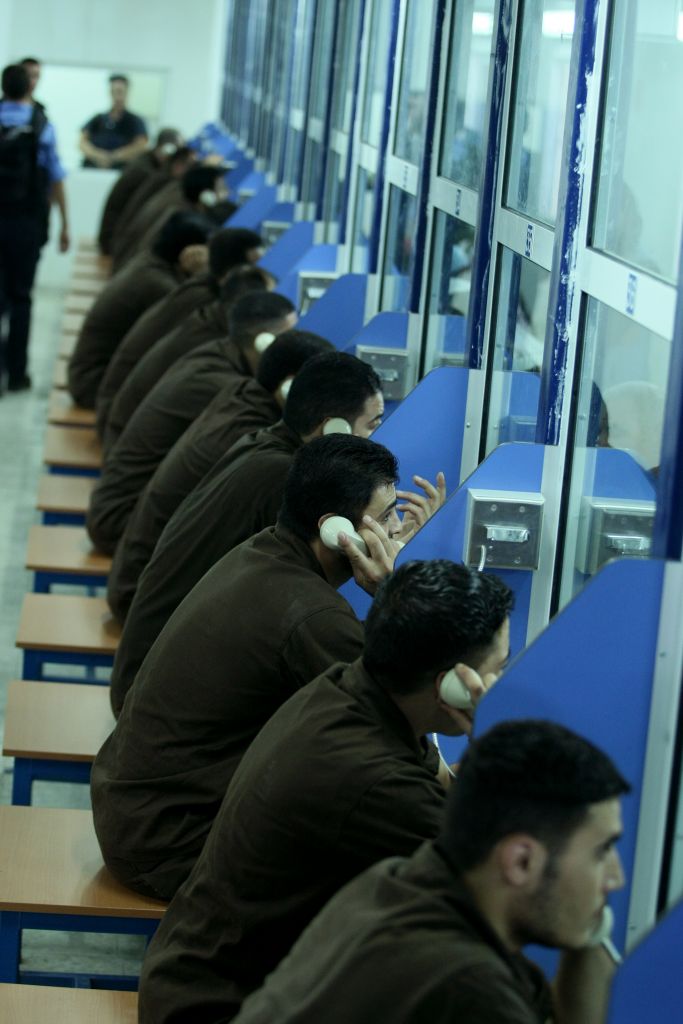
A senior Israel Prisons Service official said that the tension first began toward the end of 2015, when a vast network for smuggling cellphones into Nafha was uncovered. As a result, the prison introduced a series of significantly tougher measures to stamp out the smuggling. One of the consequences was a complete separation of the facility’s two wings housing Hamas members, with prison officials working to prevent any contact — including written messages — between the two.
Following the new measures, the prisoners began an organized mutiny to make life difficult for the prison guards, refusing to go back into their cells after being let out for recreation time and preventing guards from entering certain parts of the prison. The decision to disperse the units altogether came after it was discovered that the smuggling had not stopped and Hamas was again running an organized ring bringing phones into the prison, the official said.
In recent years, the number of Hamas prisoners has risen sharply amid intense counterterror efforts by Israeli security forces. On the eve of the 2014 Gaza war the number stood at 1,100; today it is over 1,700.
comments