AG declines to meet Netanyahu trial judges, but says open to ‘dialogue’ on plea deal
Amid renewed questions of possible procedural flaws in one of the cases against PM, Baharav-Miara says the prosecutors can deliver any message the court has for her
Attorney General Gali Baharav-Miara on Wednesday rejected a proposal by the judges presiding over Prime Minister Benjamin Netanyahu’s criminal trial for her to speak with them behind closed doors, saying that the prosecutors trying the case are able to deliver any message the judges may have for her.
The request came against the backdrop of testimony by Baharav-Miara’s predecessor Avichai Mandelblit that has raised questions over the investigative and indictment process against the prime minister, who was charged at the beginning of 2020 in three separate corruption cases.
In a statement issued by the attorney general and State Attorney Amit Aisman, they said they are “open to a direct dialogue for an arrangement,” in reference to the possibility of a plea bargain. They said they had previously agreed to dialogue when President Isaac Herzog offered to mediate such an agreement earlier this year.
“We answered in the affirmative to the president’s request and the prime minister chose not to respond,” Baharav-Miara and Aisman wrote, adding “the prosecutors dealing with the case are senior and experienced and can deliver any message.”
“A situation in which the attorney general comes to court, when senior prosecutors are here, is an incorrect process in terms of the work procedures of the prosecution system,” they wrote.
Netanyahu’s lawyer Amit Hadad argued that Baharav-Miara should be summoned to court even if she does not wish to go, saying, “I think the authority certainly exists. It is appropriate and correct for her to come, and I do not intend to comment on matters beyond that.”
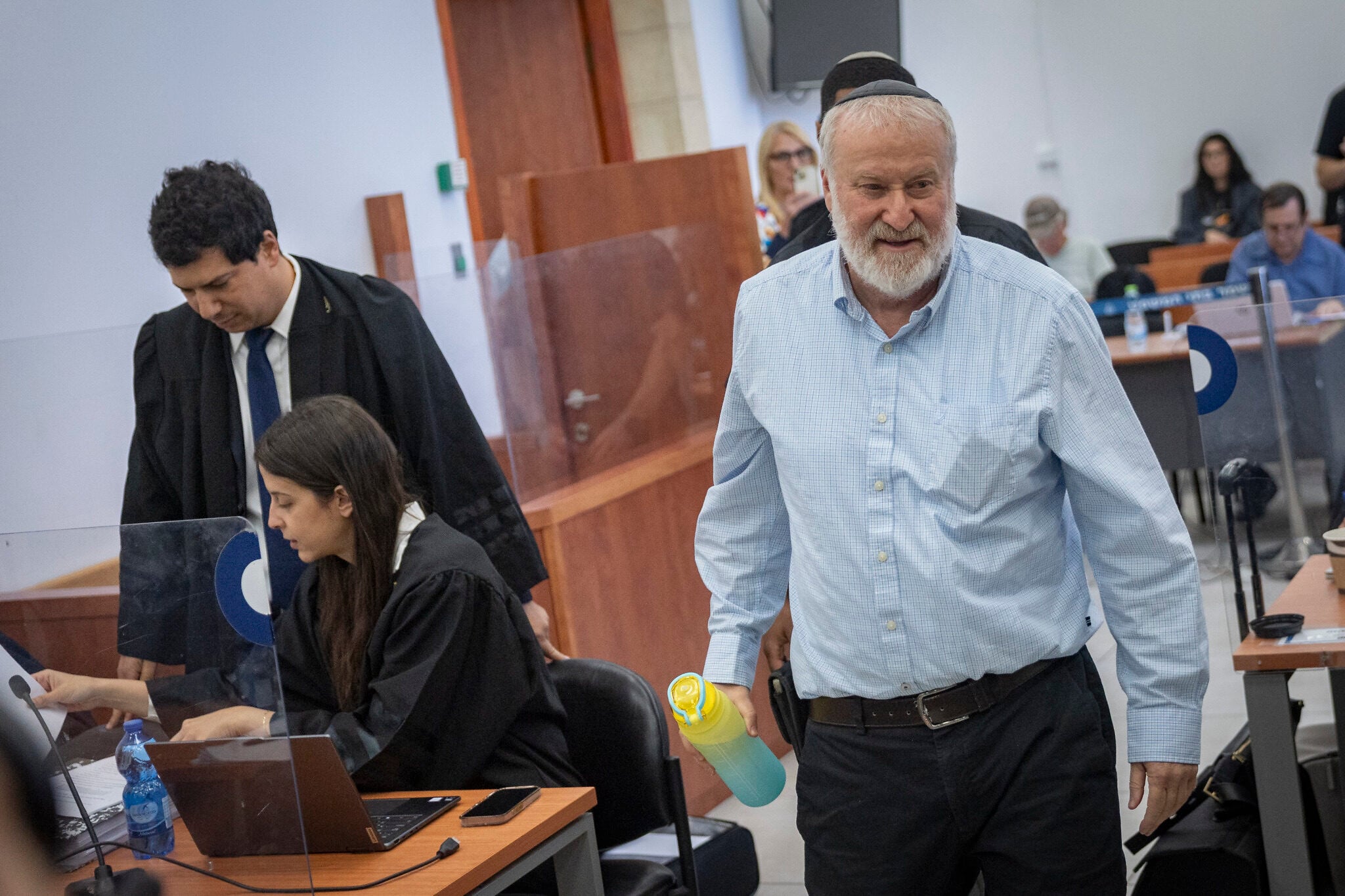
The procedural questions regarding Netanyahu’s trial arose last month after Mandelblit, who indicted Netanyahu in 2020, acknowledged in court that the wording of the caution he gave in 2018 was “ambiguous” to enable a wide probe for Case 4000.
In that case — the most serious charge he faces in the trial — Netanyahu is accused of taking a bribe in the form of favorable coverage from the Walla news website, in return for regulatory decisions benefitting Walla owner and Bezeq majority shareholder Shaul Elovitch.
The wording of the caution to Netanyahu is important, because if he was never told he was suspected of bribery before being charged with the offense, he would not have been given a fair chance to defend himself from that allegation during the investigation phase before his indictment.
Netanyahu’s lawyers have argued that Mandelblit was pressured into indicting Netanyahu, and have called for the cases against him to be dismissed.
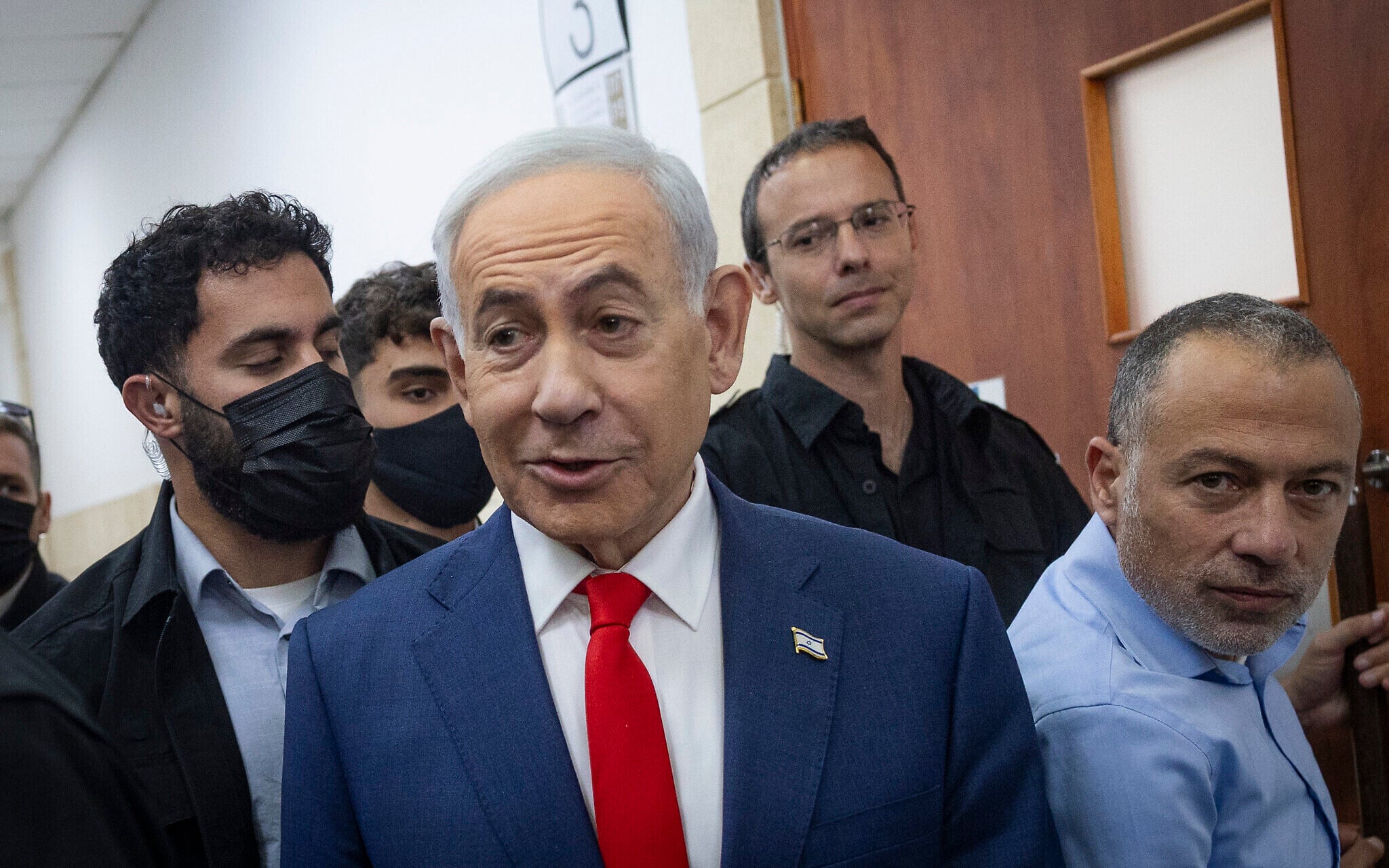
The three judges presiding over the case have twice recommended that the prosecution drop the bribery charge in Case 4000, most recently in June this year. Baharav-Miara did not issue a formal response to the court’s suggestion.
Netanyahu has been on trial in three corruption cases since he was indicted in January 2020. He faces charges of fraud and breach of trust in Case 1000 and Case 2000, and charges of receiving a bribe, as well as fraud and breach of trust, in Case 4000.
He strenuously denies any wrongdoing and has argued that the charges against him were fabricated in an attempted coup by his political rivals.