

Mandelblit says he doesn’t remember if he cautioned Netanyahu on bribery charge
Ex-AG says he kept wording ‘ambiguous’ between bribery and breach of trust to allow for broad probe against PM; defense alleges his motive in indicting premier was to ‘save democracy’
 Add ToI as a Preferred Source on Google
Jeremy Sharon is The Times of Israel’s legal affairs and settlements reporter

Former attorney general Avichai Mandelblit said Tuesday he did not remember whether the caution he issued to Prime Minister Benjamin Netanyahu before questioning in the criminal investigations against him included a suspicion of bribery, as he continued his testimony in the premier’s corruption trial for the third hearing.
Mandelblit, who indicted Netanyahu in 2020, acknowledged that the wording of the caution he gave in 2018 was “ambiguous” to enable a wide probe, during his testimony at the Jerusalem District Court.
Asked by Netanyahu’s defense attorney Amit Hadad what crime specifically he authorized the prosecution to investigate in Case 4000, as reflected in the wording of the caution to Netanyahu, Mandelblit said: “I don’t remember if the caution was for bribery.”
Judge Moshe Bar Am challenged Mandelblit, asking him: “What did you think the prosecution was investigating?”
Mandelblit responded: “I think that it could be that I said to investigate him for ethical misconduct offenses.”
Hadad asserted that this claim is not true, saying the phrase “ethical misconduct offenses” never appeared in the minutes of meetings between Mandelblit and the prosecution.
Questioned further on the issue, Mandelblit said that the text of the caution to Netanyahu was “ambiguously worded,” leading Bar Am to ask: “Do you think it is appropriate to have ‘ambiguous wording’ for matters concerning the prime minister?”

Mandelblit said in response that he wanted to have wording in the caution that was “something between bribery and breach of trust,” adding that it was more suited to breach of trust, but was ambiguous enough to enable an investigation into other crimes.
The wording of the caution to Netanyahu is important, because if he was never told he was suspected of bribery before being charged with the offense, he would not have been given a fair chance to defend himself from that allegation during the investigation phase, before being indicted for it.
In Case 4000, Netanyahu is accused of taking a bribe in the form of coverage alteration in his favor from the Walla news website, in return for regulatory decisions benefitting Walla owner and Bezeq majority shareholder Shaul Elovitch. The indictment cites 315 alleged examples of coverage interference, although many were discredited during Netanyahu’s testimony.
Mandelblit also indicted Netanyahu for fraud and breach of trust in the separate Cases 1000 and 2000.
Netanyahu strenuously denies any wrongdoing and has argued that the charges against him were fabricated in an attempted political coup by his political rivals.
Defense alleges Mandelblit viewed indicting PM as ‘saving democracy’
Hadad also asked Mandelblit about a comment he reportedly made to prosecutor Yehudit Tirosh implying that, in his view, there was political importance for indicting the prime minister.
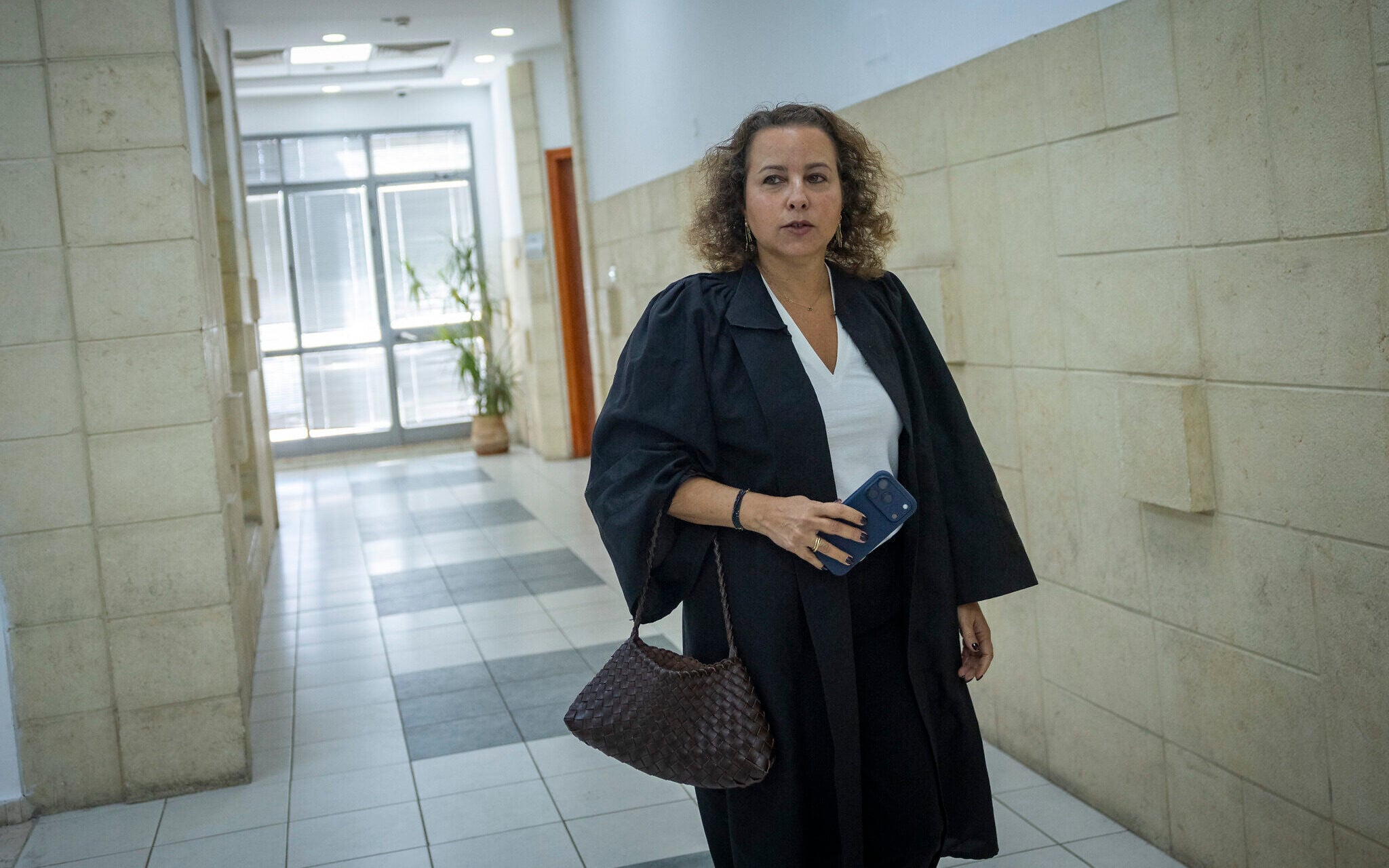
“Did you say to prosecutor Yehudit Tirosh, ‘Netanyahu will lead to a regime change like in Hungary and Poland? Do you prefer to be in a case that will save democracy or a prosecutor in a dictatorship?'” Hadad asked Mandelblit.
Tirosh, one of the prosecutors present in court, strongly objected to the question, insisting that questioning the motivations of the attorney general is not within the scope of Netanyahu’s trial, and saying that the trial is not “an administrative process” or a “commission of inquiry into the prosecution.”
After lengthy deliberation in chambers, the judges questioned Hadad on the source of the quote and eventually decided that Mandelblit was not immediately required to answer the question and that they would rule on the matter.










The Times of Israel Community.