

Cabinet okays NIS 2.6 billion in across-the-board ministry budget cuts to fund defense
Opposition figures pan plan that leaves coalition funds untouched; transportation, education, and health ministries to lose NIS 860 million ($277 million) between them
 Add ToI as a Preferred Source on Google
Ariela Karmel is a political correspondent at The Times of Israel. She previously reported for Calcalist and Haaretz. She holds an MA in Middle Eastern and African History from Tel Aviv University and a BA in Political Science from the University of British Columbia.
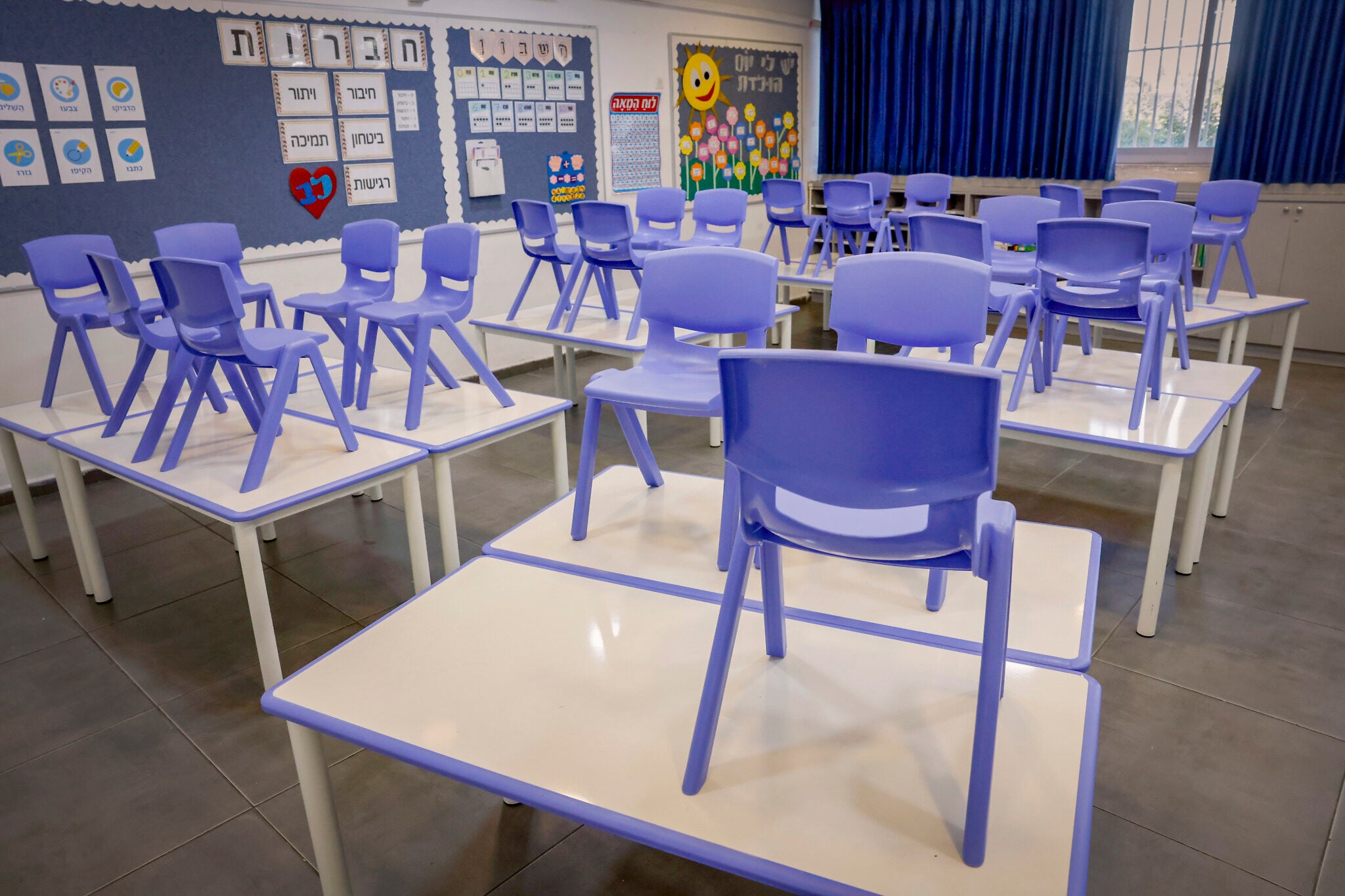
The government approved NIS 2.6 billion ($840 million) in across-the-board cuts to government ministry budgets on Sunday to fund urgent defense procurement, while leaving coalition funds untouched, just nine days before the October 27 election.
The 4.9 percent cuts will affect education, health, welfare, transportation and other ministries, despite warnings from legal advisers about the impact on public services.
Opposition leaders panned the government for not reaching into discretionary coalition funds — money allocated to meet parties’ demands in the budget-planning process based on political agreements struck during coalition negotiations.
The proposal stated that the funding is needed for “classified procurement to equip the Defense Ministry,” and that details of the procurement and its urgency will be presented to the Ministerial Committee on Procurement.
According to the proposal, defense officials warn that “delaying approval of the budget until after the formation of a new government could undermine the necessary security response.”
The largest cut will hit the Transportation Ministry, which will lose NIS 435.1 million ($140.5 million). Some NIS 280 million ($90.4 million) will be cut from the Education Ministry, while NIS 225 million ($72.7 million) will be slashed from the National Security Ministry, which oversees the police. Another NIS 150 million ($48.4 million) will be cut from the health budget, NIS 140 million ($45.2 million) from welfare, and NIS 104 million ($33.6 million) from the Prime Minister’s Office. Other ministries were to each lose less than NIS 100 million ($32.3 million).
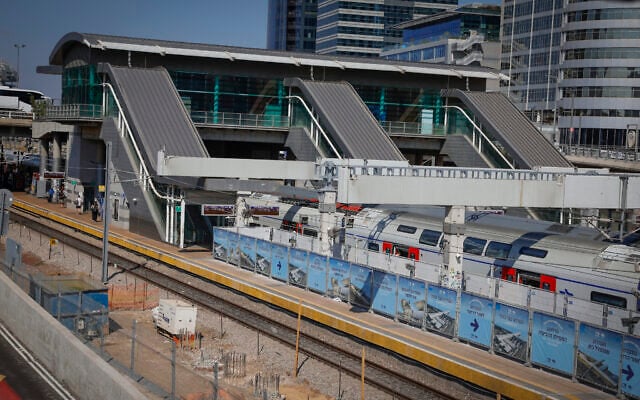
The cuts were mostly expected to curtail development projects, rather than the day-to-day operations of each ministry.
In education, the plan will not impact areas such as teachers’ wages, but rather will be felt in school enrichment programs, youth movements, and activities carried out by nonprofit organizations, according to Hebrew media reports.
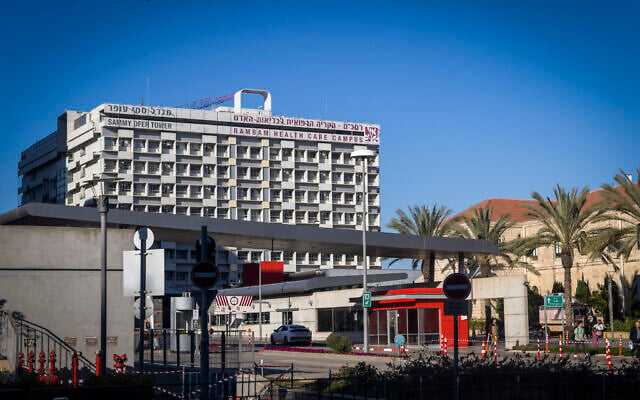
In health services, the cuts could impact health maintenance organizations and the health basket of drugs and treatments they provide, public health services, hospitals, mental health services, district nurse facilities, or geriatric services.
Legal opinions accompanying the proposal warned that the cuts could significantly disrupt government services and stressed the need for the government to exercise “restraint and moderation in the use of its powers” during an election period, although they found no legal impediment to the move.
Finance Ministry legal adviser David Kopel noted that discussions with professional officials had identified “alternative funding sources” that would have “less severe consequences” for public services, including funds allocated under government decisions that have not yet been implemented or are not essential to ministries’ operations.
While the proposal did not specify what the money is needed for, the move came just days after the government approved NIS 1 billion ($323 million) for the purchase of US Apache helicopters — largely funded through cuts to a five-year economic development plan for Arab society — bringing the total allocated to defense procurement under the two decisions to more than NIS 3.6 billion ($1.1 billion). After months of delays, the US was said to have pressured Israel to make a decision on the purchase one way or another.
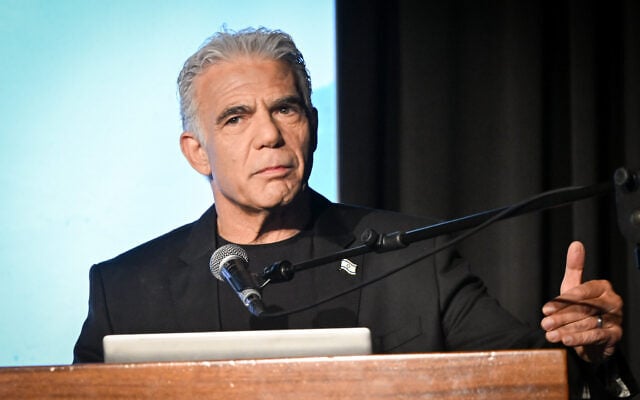
Opposition Leader Yair Lapid said the defense procurement was necessary, but argued it could have been funded without cutting welfare and education budgets.
“Billions of shekels are sitting in [discretionary] coalition funds. Instead of that money going to corrupt officials, draft dodgers and deserters, it could be used to buy Apache helicopters,” he said.
“The cuts to welfare and education budgets are yet another crime by this government against the productive, serving public,” Lapid added.
Yisrael Beytenu’s MK Oded Forer accused the government of putting political interests ahead of the public interest.
“Instead of cutting the coalition funds allocated to Aryeh Deri, Shas, United Torah Judaism and [Religious Zionism MK] Orit Strock, they prefer to slash NIS 2.6 billion from government ministries across the board,” he said, referring to two ultra-Orthodox and a far-right coalition party member, respectively. The ultra-Orthodox parties strive to secure funding for their communities, while Religious Zionism, under Finance Minister Bezalel Smotrich, has secured major government funding for West Bank settlement expansion.
“They are cutting funding for the rehabilitation of northern Israel, healthcare and welfare services in the periphery. But there is always money for [Haredi] draft dodgers and yeshivas. Netanyahu and Smotrich won’t touch those funds,” Forer charged.
Democrats MK Gilad Kariv offered a more succinct response, calling the coalition “a government of thieves.”
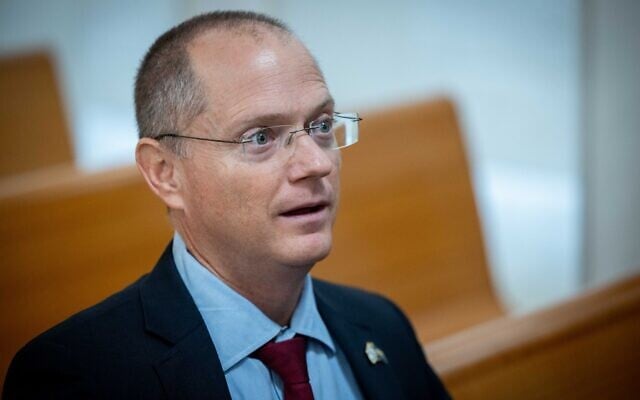
Chair of the Israel Union of Social Workers Inbal Hermoni said in a statement, “The government is continuing on the path of destruction of social services. Defense is not only rockets and interceptors, but also the ability to provide welfare, health, and rehabilitation services.”
Chair of the Israeli Association of Public Health Physicians Hagai Levine said in a statement that the cutbacks will “harm public health and people’s lives. The cut comes on top of previous cuts and neglect of the healthcare system, which indicates poor prioritization” by the government.
Israel has waged wars on multiple fronts following the October 7, 2023, Hamas-led invasion of southern Israel. Amid thousands of military casualties as well as civilian injuries, prolonged reserve duty away from homes and businesses for many, and rocket attacks on population centers, there has been a spike in demands for social, welfare, rehabilitation, and mental health services.






The Times of Israel Community.