

Israel cites merchants angered by Hamas taxes as commercial goods stop entering Gaza
Head of private truckers union disputes Israeli account but admits Hamas seeking NIS 10,000 per truck entering Strip, which terror group insists is a ‘voluntary community initiative’ and not taxation
 Add ToI as a Preferred Source on Google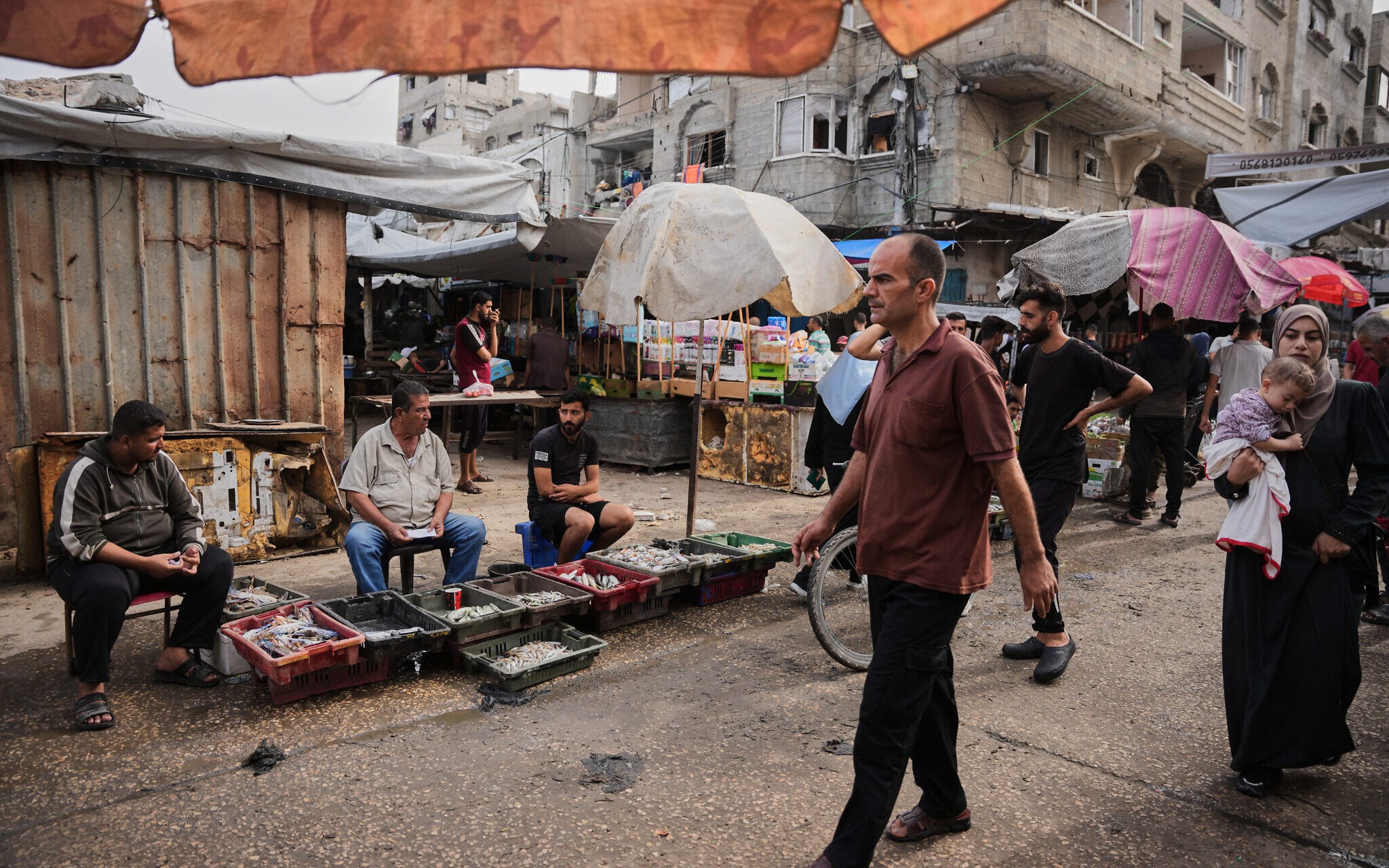
No commercial goods have entered the Gaza Strip for two days, Israeli authorities said Thursday, blaming the suspension on merchants angered by taxes imposed by Hamas — a claim that Palestinian importers and the terrorist group denied.
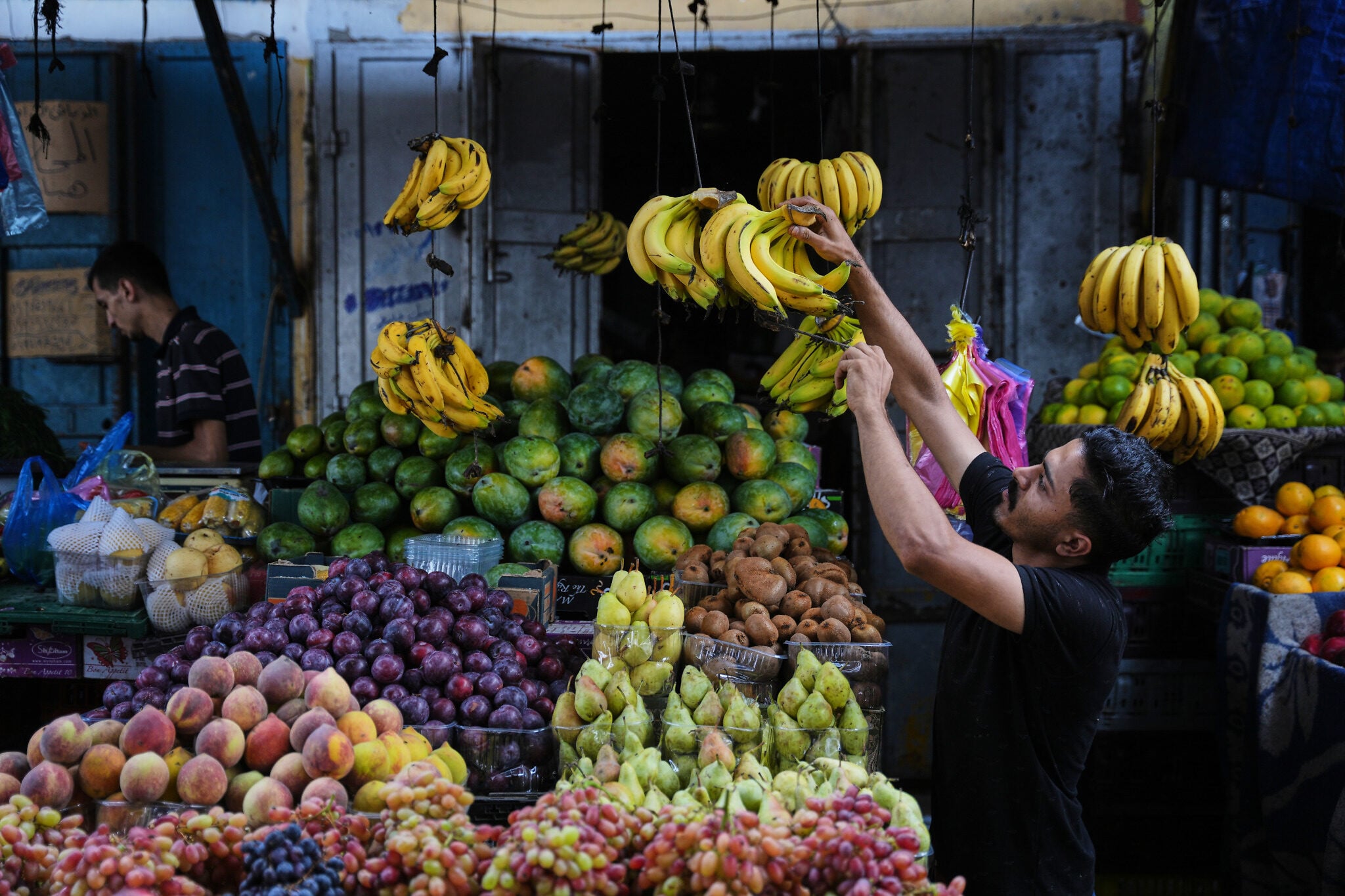
The halt to commercial shipments, including fruit and winter clothing, cuts off a key source of food and other critical supplies as fears grow about procuring supplies needed to get through winter in the territory.
The move stands to immediately reduce Gaza’s supplies, because the closed-off territory is completely reliant on whatever goods Israel allows in through border crossings.
Aid groups generally bring in staples such as flour, while merchants import more perishable foods like fruits and meat, according to data released earlier this year by COGAT, the Israeli military body that oversees humanitarian affairs in Gaza.
The suspension is raising fears about affordability, with humanitarian workers saying a combination of aid and a robust commercial market is needed to keep prices under control.
“The humanitarian sector on its own cannot meet the needs of all the people,” said Shaina Low, a spokesperson for the Norwegian Refugee Council, an aid group. “The markets need to be functioning.”
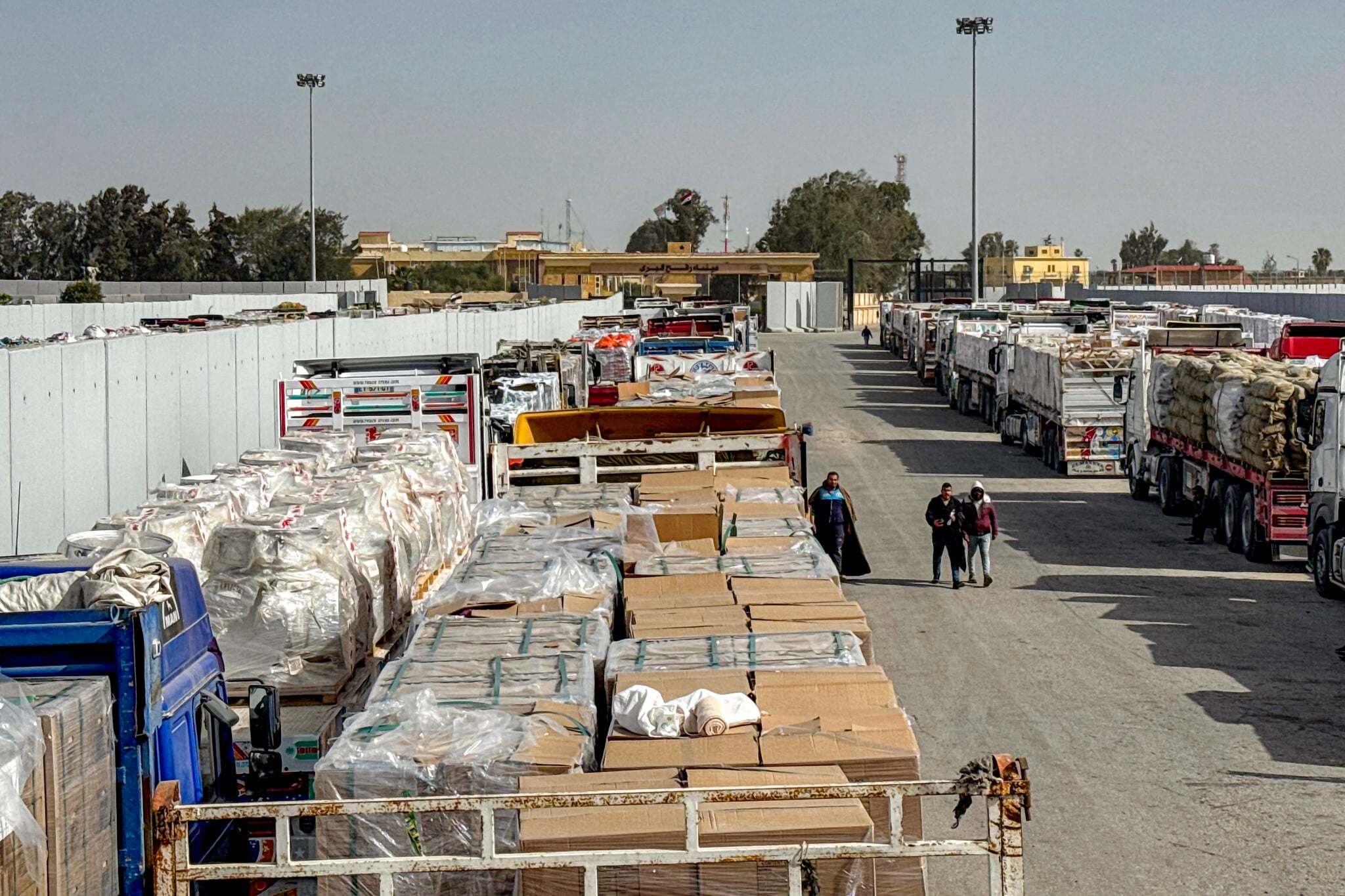
COGAT announced the suspension of commercial shipments Wednesday. Its deputy spokesperson, Lt. Daniel Kantorovich, said the agency was acting on a decision made by Palestinian merchants a day earlier and could reverse it at their behest.
“We were prepared to coordinate the entry of their trucks as usual, but the vendors informed us that they were cancelling the coordination due to Hamas’s taxation mechanism and threats against them,” Kantorovich said. “The merchants don’t want to bring goods into Gaza.”
The world’s leading authority on food insecurity reported earlier this year that conditions in Gaza had improved since famine was declared in the territory in August 2025 — a determination rejected by Israel, but were still at crisis levels. Most families in the war-battered enclave weren’t getting nearly enough to eat, said the report, adding that “even small disruptions to humanitarian access could rapidly reverse recent gains.”
Merchants in Gaza coordinate directly with vendors outside the territory, whose shipments are examined by Israel’s military before entering Gaza.
In announcing the measure, COGAT claimed to be communicating a decision made by local merchants in Gaza who had grown tired of Hamas taxing their trucks and threatening them. Israel has long accused the terrorist group of levying fees on imports to fund its operations.
The agency cited reports that Hamas security personnel had arrested the son of a merchant who refused to comply with the demands, prompting traders to suspend operations out of fear for their safety.
COGAT said the private sector accounted for roughly half of all trucks entering Gaza each week and that no private-sector vendors had attempted to import goods since the merchants alerted Israel on Tuesday.
It also warned the suspension could undermine the ceasefire agreement.
In a letter to international representatives involved in implementing the ceasefire, COGAT said merchants reported that Hamas demanded about 10,000 shekels ($3,200) for every truck into Gaza and that traders sell around 30 percent of goods in cash instead of bank transfers.
But the head of Gaza’s private truckers union, Nahed Sheheiber, disputed Israel’s account, saying they were the ones who had made the decision.
“The merchants are not the ones who stopped the shipments,” he said. “The Israeli coordinator is claiming that Gaza’s merchants are responsible, but the truth is that the Israelis are the ones who imposed the restrictions.”
Following COGAT’s announcement, Sheheiber’s union met with Gaza’s Hamas-run Ministry of Economy to express concern and say Israel was citing fees levied by the ministry as a pretext to cut off commercial goods.
The ministry had been asking merchants to pay 10,000 shekels (about $3,226) per truck entering Gaza, Sheheiber confirmed. At the meeting, ministry undersecretary Khaled Al-Raqab told the union that the amount was not a tax, but rather a donation sought by the ministry to help pay civil servants in the Strip.
It was not clear from the COGAT announcement if aid agencies would be allowed to increase shipments into Gaza to compensate for the loss in commercial goods.
The agency claimed that Gaza’s population — of roughly 2 million people — required approximately 250 truckloads of goods each day. That’s far below the minimum of 600 trucks a day stipulated by a ceasefire brokered by the US a year ago.
Hamas rejected COGAT’s allegations in a letter addressed to mediators including Egypt, Qatar and Turkey, saying it “categorically” denied imposing taxes or government fees on commercial trucks.
It said it had not collected taxes or fees on commercial activity in the past three years of war because of the humanitarian and economic conditions in Gaza.
Hamas said the 10,000-shekel figure referred to a “voluntary community initiative” by Gaza’s businesspeople to put money into a “national fund” for relief projects, while the transaction requirement was to inject “cash liquidity” into the territory.
The war started when Hamas-led terrorists killed some 1,200 people on October 7, 2023, and took 251 hostages while invading Israel, which responded with a massive bombardment and ground invasion that has killed more than 74,000 Palestinians, according to the Hamas-run Gaza health ministry, whose figures don’t differentiate between civilians and combatants.










The Times of Israel Community.